
Zsérei Country House
Country house, craft house
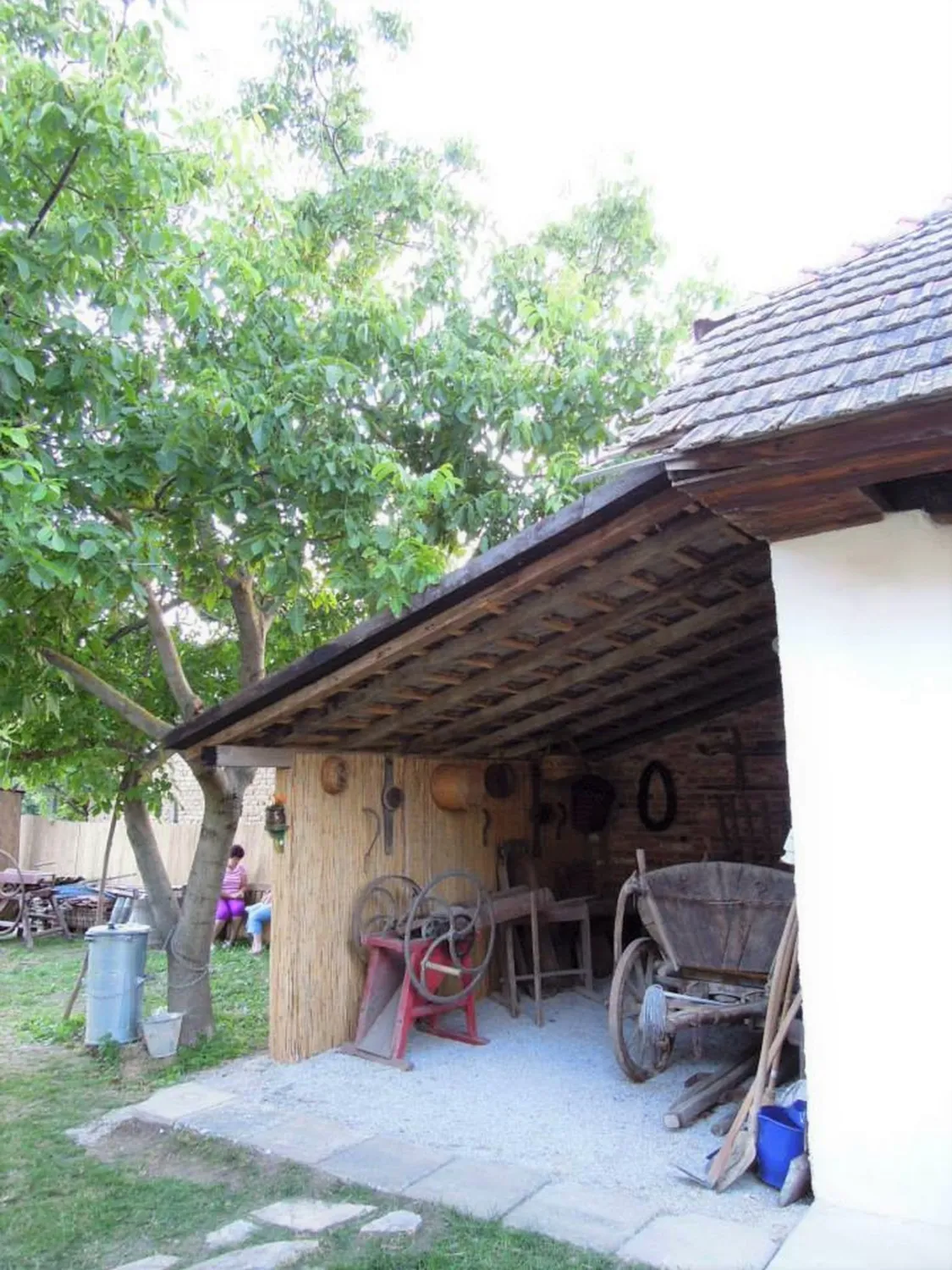
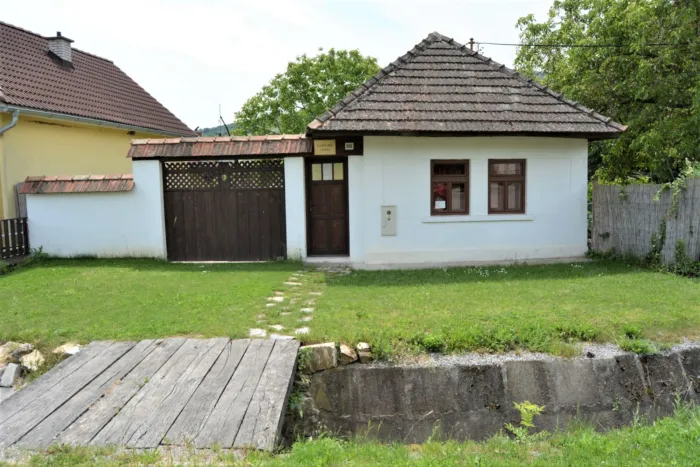
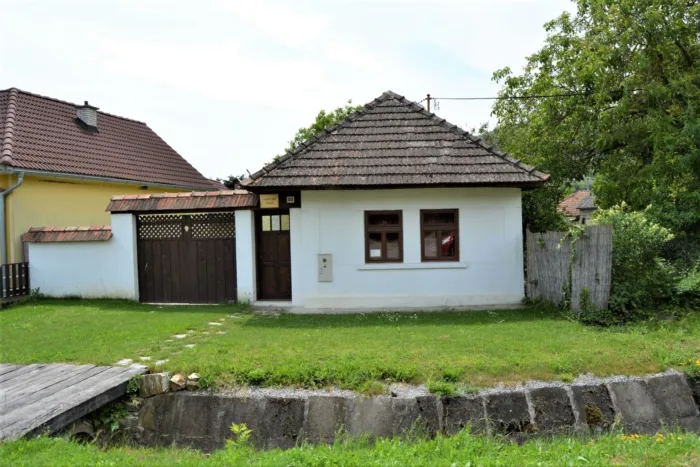
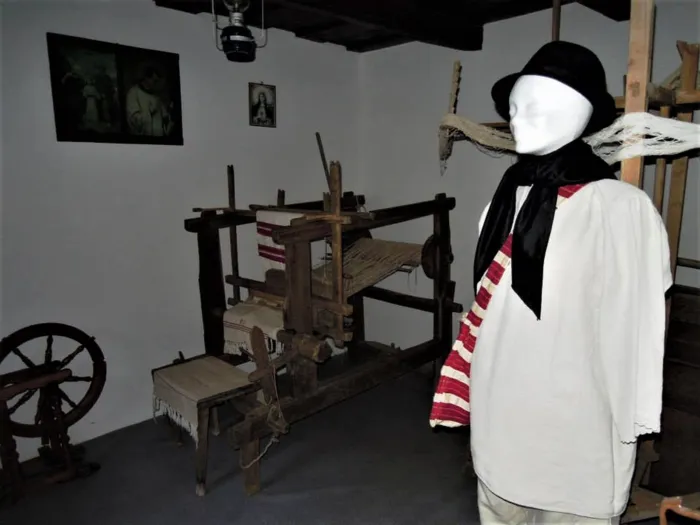
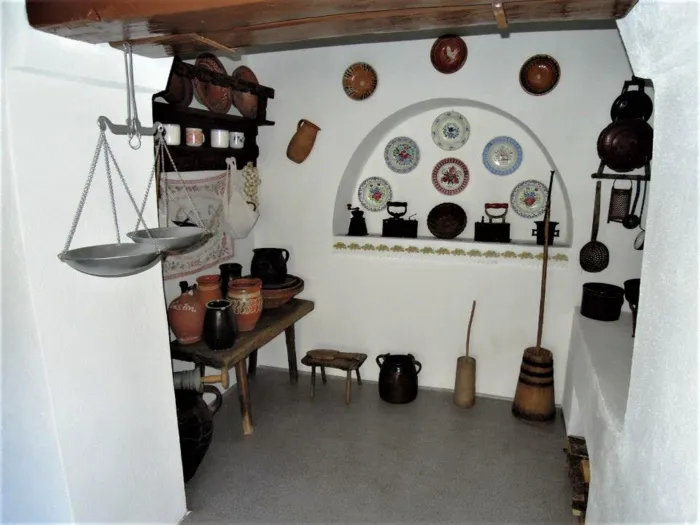
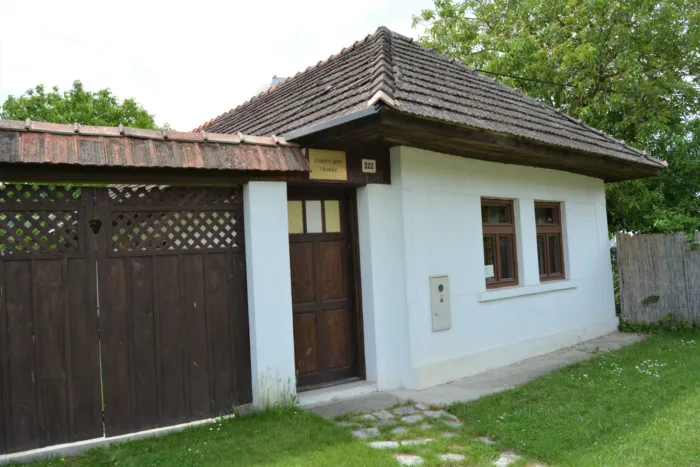
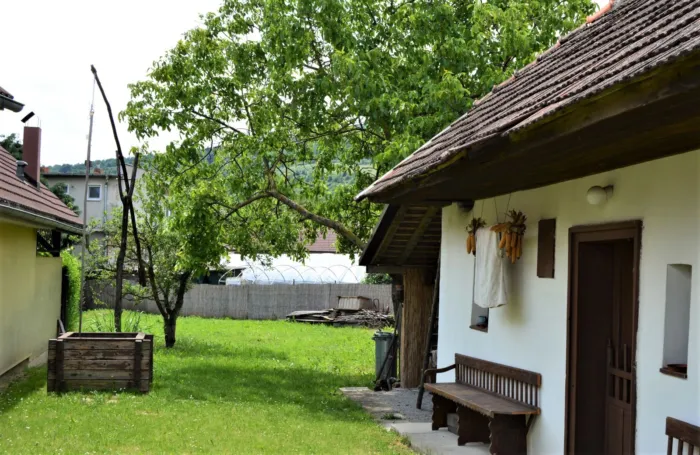
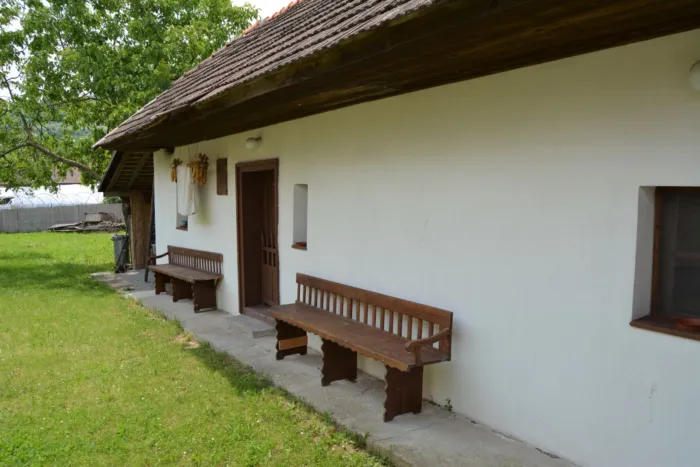
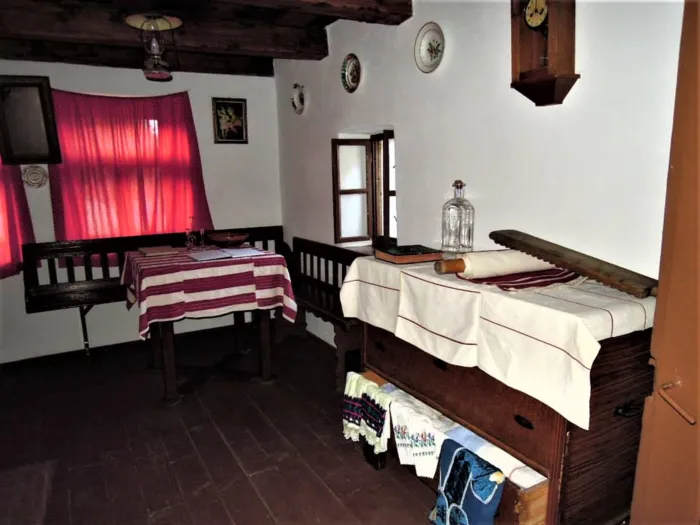
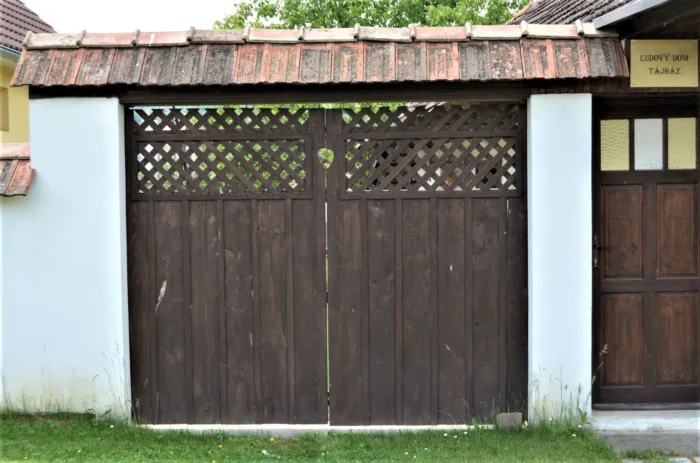
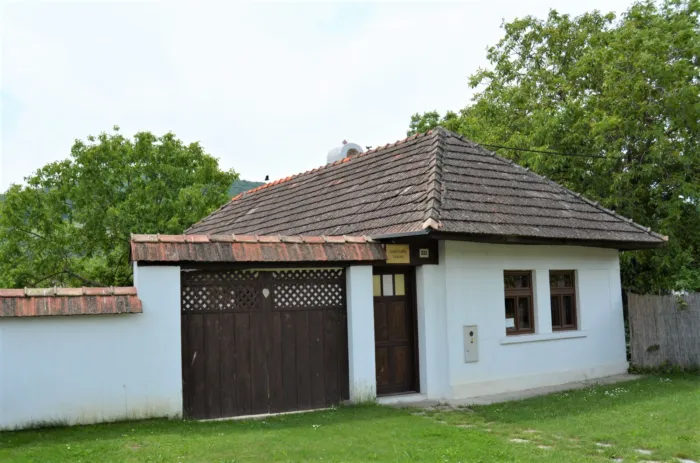
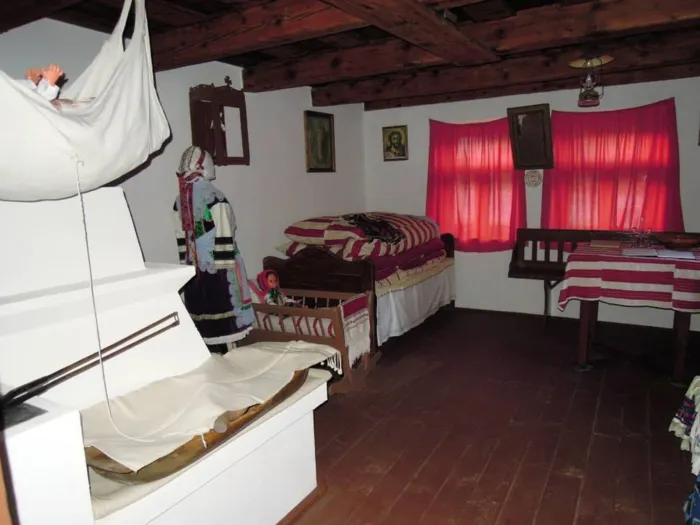
In Zséren, the village hall, which had been operating since 1977 - which was located in the side wing of the old shop and next to the merchant's apartment - was replaced by a newly built village hall in 2013. The old village museum building had become so weak in terms of structure that another building was needed. This is how the idea came about for the municipality to purchase an old residential house built around 1928. ; As a first step, under the supervision of Ilona Bencz - using the materials from the old village house - the floor and plaster of the residential house were renovated, and the siskó (oven) was built, thus striving to show the house in its original condition. After the masonry and carpentry work was completed, members of the tradition-preserving group tidied up the house and yard and put together the exhibition. A gémes well was made from the existing well. The gate was made based on an old gate from Zsér with traditional ironwork, and the electricity pole in front of the building was also moved so that it would not be a detractor from the surroundings of the house. ; Entering the building, we find ourselves in the pitar, which also served as the kitchen. Here is the water bench, on which there is a flowered jug and a kondé (bucket and mug). They once held water brought from the well. The jugs in which milk was transported were stored under the bench, and the washcloths were also stored here. ; The old people smoked sausage and bacon in the open chimney of the kitchen area after slaughtering a pig. The door of the siskó opens here, next to it is the bread shovel, the pemete (this was used to pull the embers out of the oven) and the szivanó (a corn cob tied to the end of a stick and soaked in water and used as a broom to clean the oven). The kitchen also includes a trajfúz (iron stand for a hot pot), a zusufanya (ladle), pots, plates, ladles and the earthenware bowls from which the family ate together. Here you can find a 10-liter earthenware pot held together with a wire mesh, in which plum jam was stored, as well as an old loop filler and a butter churn. ; In the back room, the rokka, the guzsaly, the motolla and a usable loom in original condition were placed. You can also see the suszák (basket, storage box) and the voloc (lace-mixing pillow). ; The siskó's belly and the bride's bed were placed in the clean room. In the past, babies were rocked to sleep wrapped in swaddling clothes in the cradle or in the swing seen above the siskó. The furnishings of the room - a contemporary table and chair, a mirror set at the right angle, where women adjusted their hedkeő (hat) on their heads, a chest of drawers for storing clothes - all recall the beginning and first half of the last century. In addition to the furniture, a mannequin can be seen showing the attire of a young bride from Zsér and some tools: a charcoal iron, but also an ironing board (a lumpy piece of wood used to straighten clothes after ironing) and a Singer machine. ; The shed was added to the building, where the tools necessary for agricultural work were placed: a cart, two forage harvesters, of which the older one was still cut by hand, the newer version was already wheeled. The yoke used to harness cows and the tools used to harness horses, a favella, a wooden rake and a wooden paddle used to turn grain can also be seen. You can see the tyiló (hemp threshing tool) and fűső (hemp comb), the washing basin and an old wooden szőllőprős (grape press). The collection of tools and costumes typical of the village is lovingly preserved and cared for by Ilona Bencz. She also welcomes and guides the many interested guests who visit the country house.