
Zvolen-Leipzig Castle
Building, structure
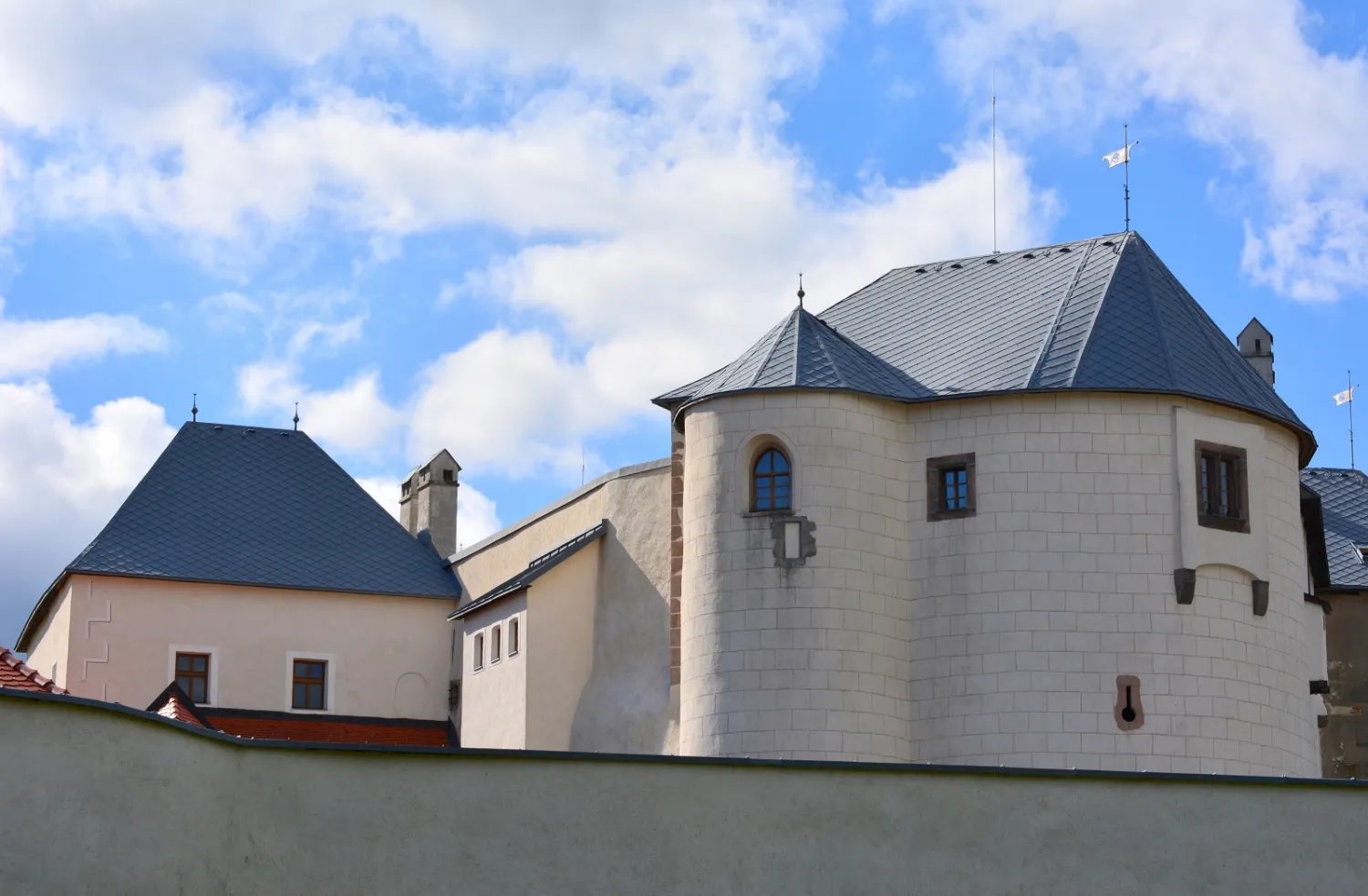
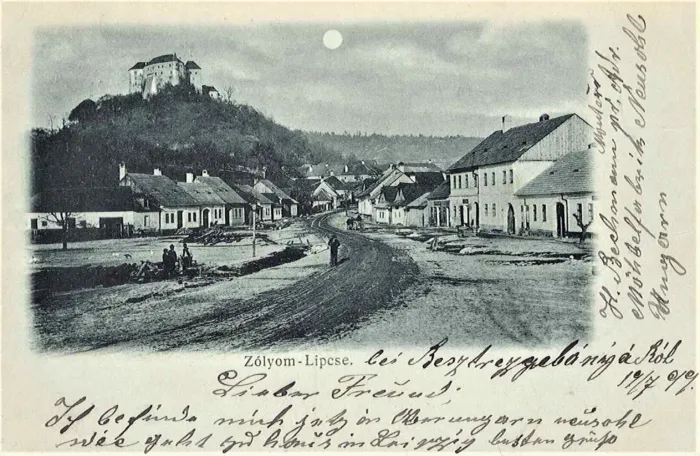
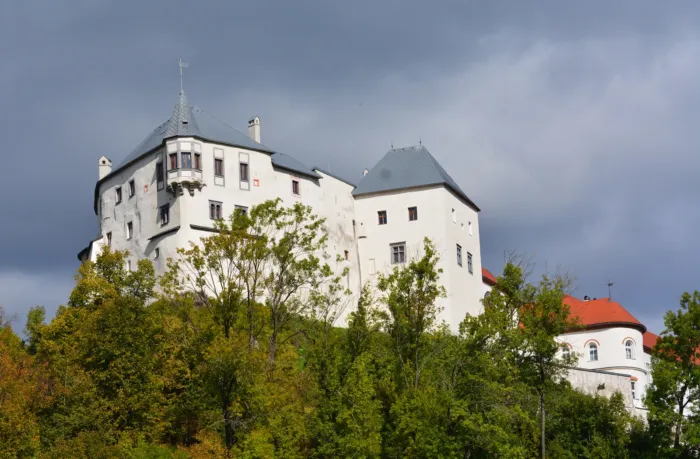
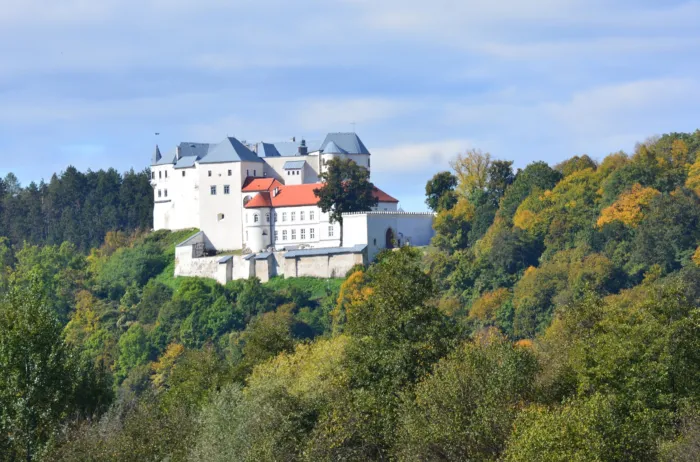
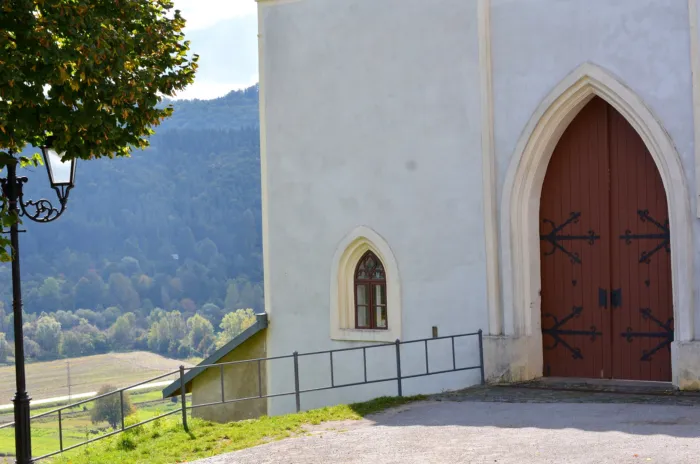
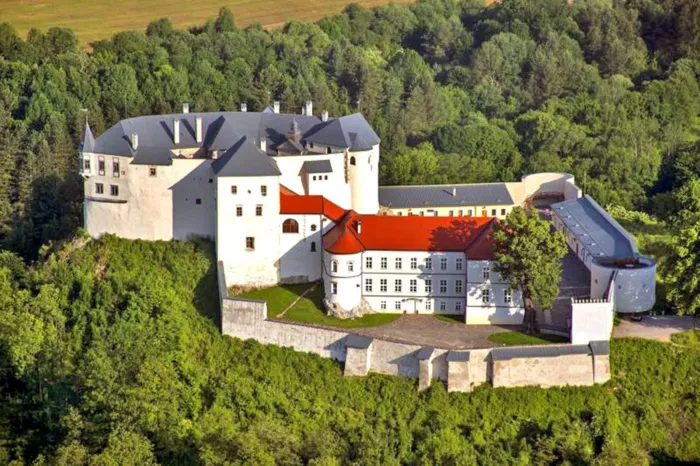
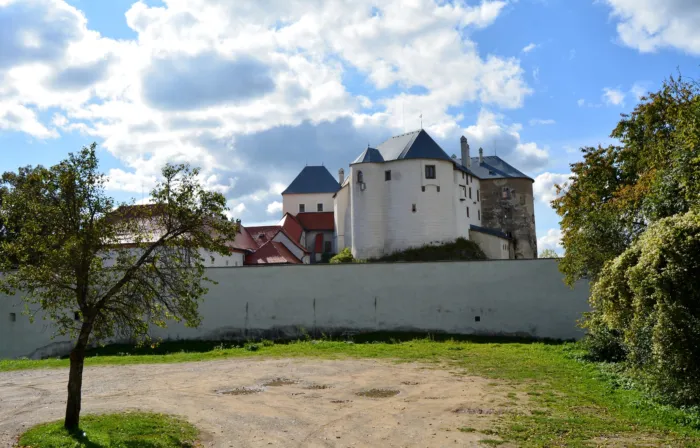
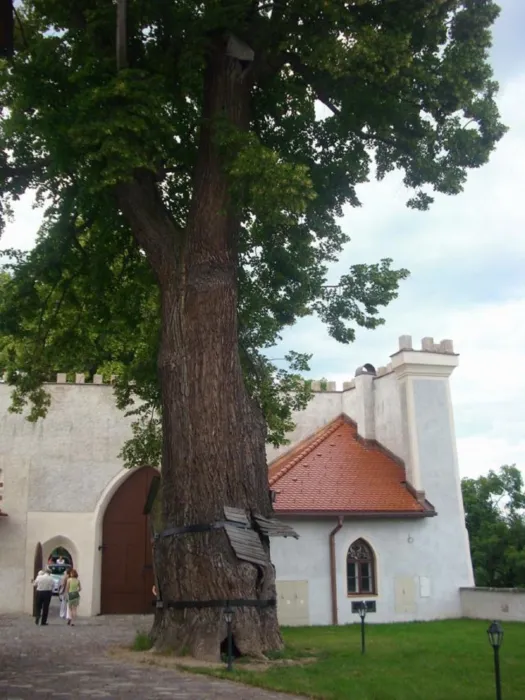
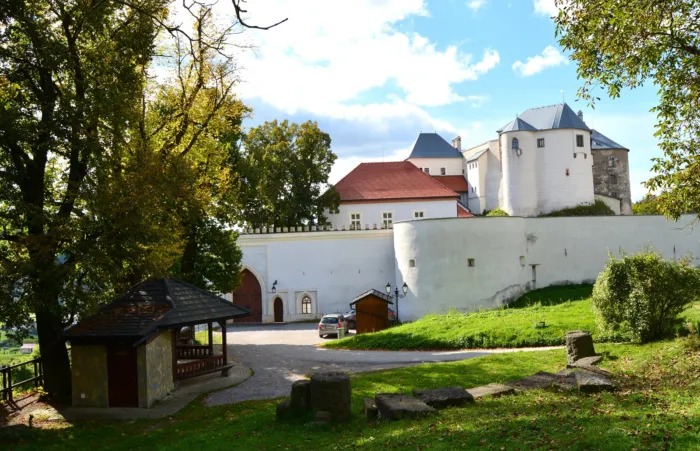
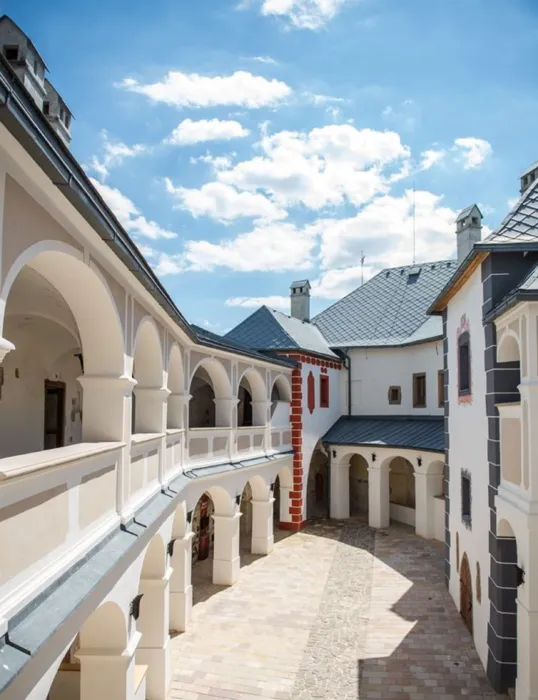
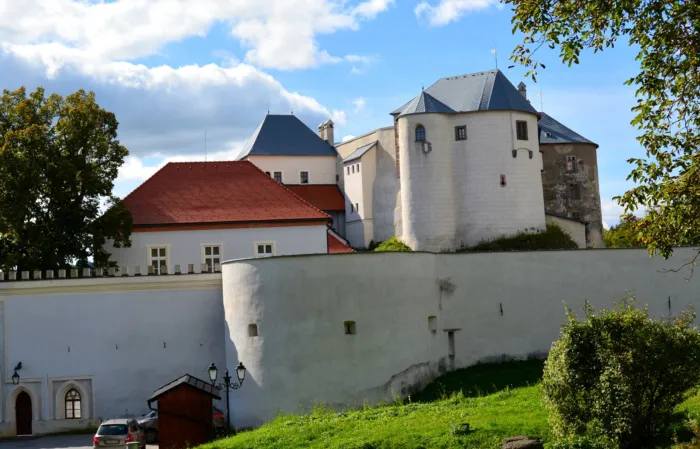
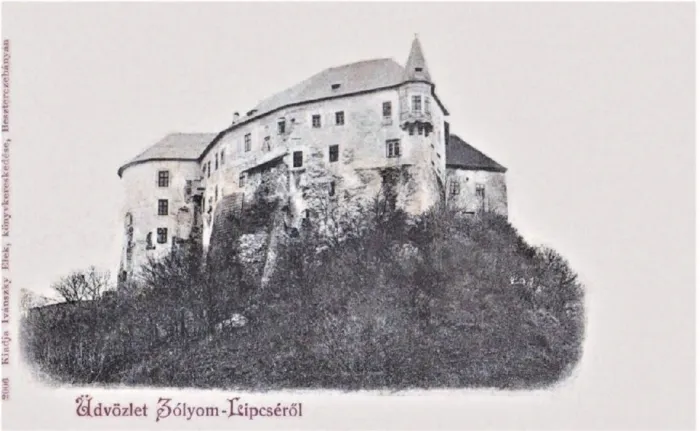
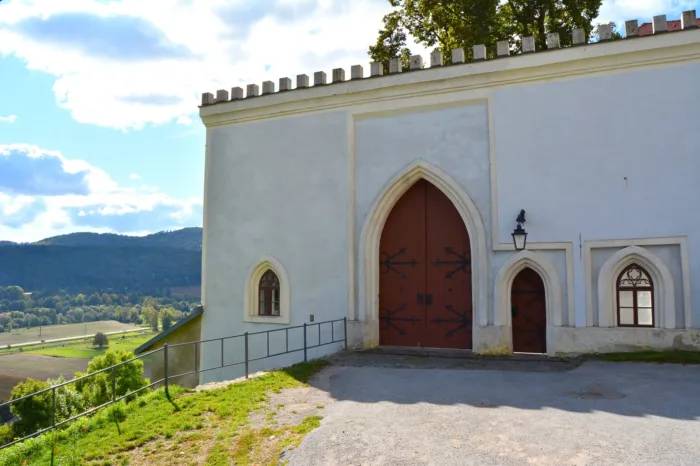
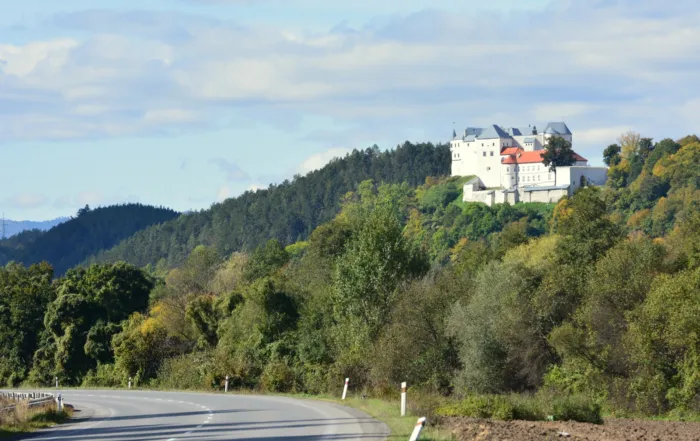
Leipzig Castle may have been built in the 13th century, but its early period is shrouded in mystery. It was previously believed that Béla IV stayed here several times, and his son Stephen V even issued a charter here once in 1271. According to Slovak research, it is mentioned three times between 1258 and 1306, but this is not generally accepted. It is certain that it was built before 1305. Its builders were probably the Balassas, who held the office of the Zvolen ispansage several times in the last third of the 13th century. In 1306, King Charles I took it from Miklós' son Demeter, the ispan of Zvolen, and his nephew Doncs, who was probably the son-in-law of Máté Csák. In July 1313, Máté Csák's governor, Tamás, son of Dénes Radványi, was living there. From 1314, it was captured again by Doncs, and then shortly after came into the hands of the king. In the 14th-15th centuries, it was a royal castle, part of the Zvolen ispánság. In the 14th century, it was considered a popular royal residence. The vast forests were full of noble game, which the courtiers living in the area drove to the visiting king and his entourage. Charles I issued two and King Louis the Great issued eight charters from Leipzig. In 1340, the castle was guarded by András, the son of Kilián Dörögdi, the man of Olivér Paksi, the ispán of Zvolen. In 1406, Henrik of Mecelska was the castle's governor. King Sigismund also visited the fortress several times, and in 1427 he donated it, along with other estates, to his wife, Queen Borbála. The queen's castle governor, Demeter Necpáli, is mentioned in a charter in 1429. From 1439 it became the property of Queen Elizabeth, who entrusted it to Gergely Korbáviai. During the Hussite period, Gergely Korbáviai was the castle captain, who is mentioned several times in the sources (in 1442, 1445, and 1447). Giskra also occupied it for a short time. From 1464 the castle became the property of Damián and Péter Horváth. However, the Horváth family only owned Leipzig for six years. In 1470, for unknown reasons, it reverted to the king, who granted it to the treasurer János Ernuszt and his two sons. Due to the treachery of the treasurer, the king later took it away from him and gave it first to his son, and then before 1478 to his wife, Queen Beatrix. In 1490, Orbán Dóczy and his brothers acquired it together with the castle of Saskő. From the Leipzig branch of the Dóczy family, Kristóf Thurm, captain of Queen Mary, wife of Louis II, and of Styrian origin, occupied it in June 1531. Kristóf Thurm entrusted the castle to his governor, Miklós Wassergraf. The Dóczys demanded it back from the Thurm family for a long time in vain, and then from its new owner, Queen Mary, from 1546, the castle remained the property of the royal chamber. During these times, its governors were: Erazmus Gutt of Hirschberg (1548), Antal Sprenger (1562), Farkas Balassa (from 1564). From 1567, Rubigallus (Rothan) Pál, a wealthy nobleman from Selmecbánya, received it as a pledge from the ruler, and then in 1572 - because King Miksa could not repay the loan he had received - he donated Leipzig Castle and its domain to him. After Rubigallus's death (1578), it was owned by his widow, then by one of his sons-in-law, Baron András Dudics. In 1590, it was again owned by the royal chamber. In 1600, Rudolf I gave it to Gáspár Triebel, who the previous year, together with Captain Fülöp Morgentaler from Zvolen, defeated the devastating Turkish troops near the Véglési manor. Although the hajdús of Bocskai captured the castle in 1605, Triebel later got it back and owned it until his death, on July 31, 1620. His property was inherited by his two daughters: Róza, who married István Orlay on February 2, 1614, and held her wedding in the castle. The other daughter married Gáspár Révay. György Széchy paid the mortgage to them when he took possession of Leipzig. In 1621, Széchy also obtained a deed of donation for the castle, and after his death, his widow, Mária Homonnai Drugeth, lived in it. Through György Széchy's daughter, Mária, it later belonged to the Wesselényis (Count Ferenc Wesselényi, Palatine of Hungary, leader of the conspiracy named after him, died here on March 23, 1667), and then in 1668 to István Zichy. From 1692 it was a treasury property. Around 1704/1705, Ferenc Rákóczy donated it to Miklós Bercsényi. After the Battle of Trenčín, on November 1, 1708, Count Peyersberg occupied the fortress. The castle was destroyed by fire at the beginning of the 19th century, and it stood empty and uninhabited for many years. In the early 1870s, the Hungarian government, taking up the cause of the orphans of treasury workers, designated Leipzig Castle as the home for the orphans. After the necessary renovations were completed, in the autumn of 1873 the orphanage named after Archduchess Gisella opened and operated as an orphanage until the 1930s. At that time, the building was closed due to the lack of money to maintain it and scandals over the cruel treatment of children. The castle's interesting feature is the castle well, from which 5 underground corridors lead. At the castle gate stands a 700-year-old linden tree, also known as the Corvin linden. According to legend, Matthias Corvinus liked to rest in its shade. It is 25 m high, its trunk diameter is 7.5 m. It has been protected since 1969.