
Greenhouse house
Building, structure
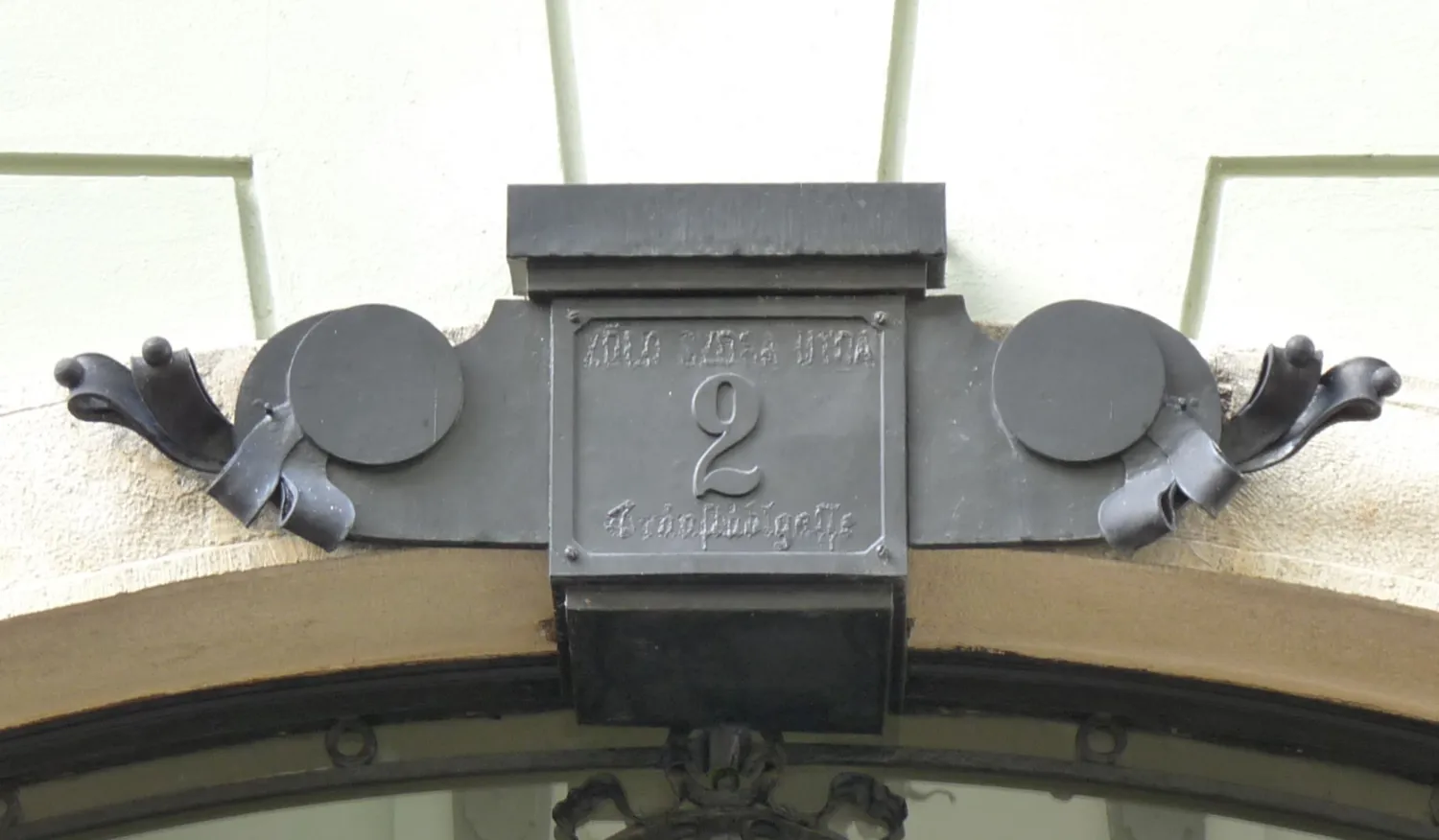
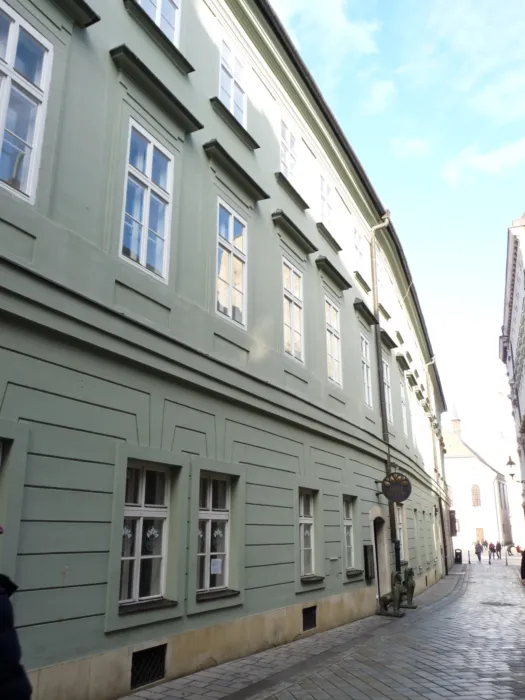
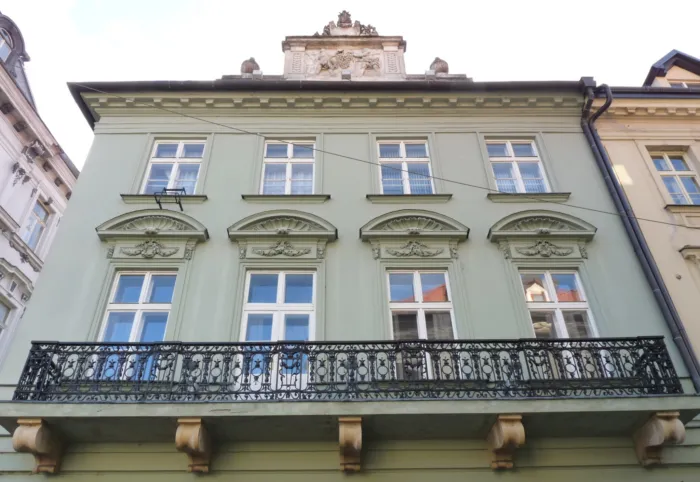
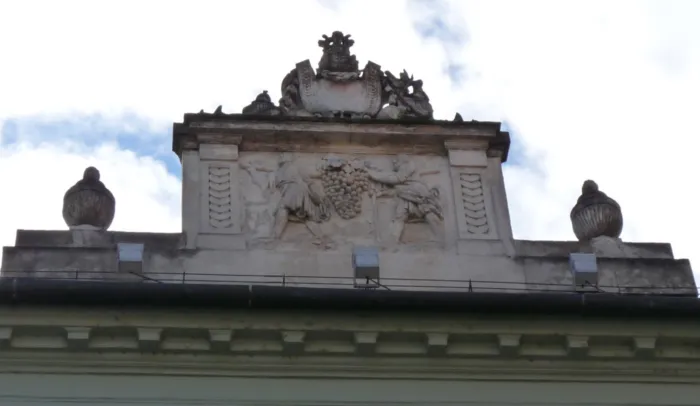
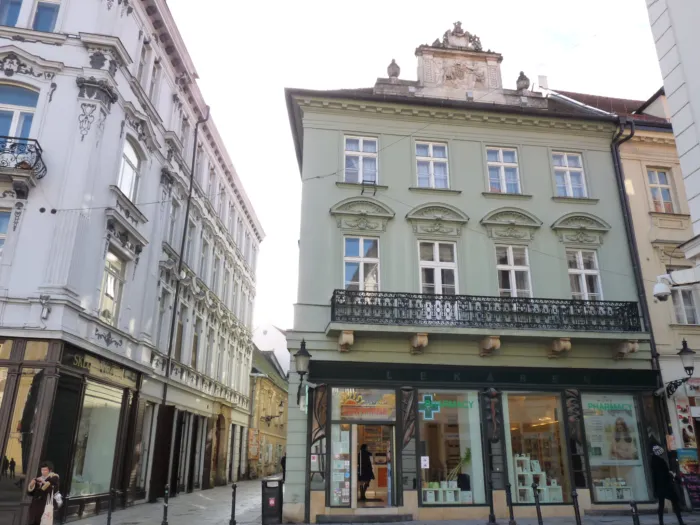
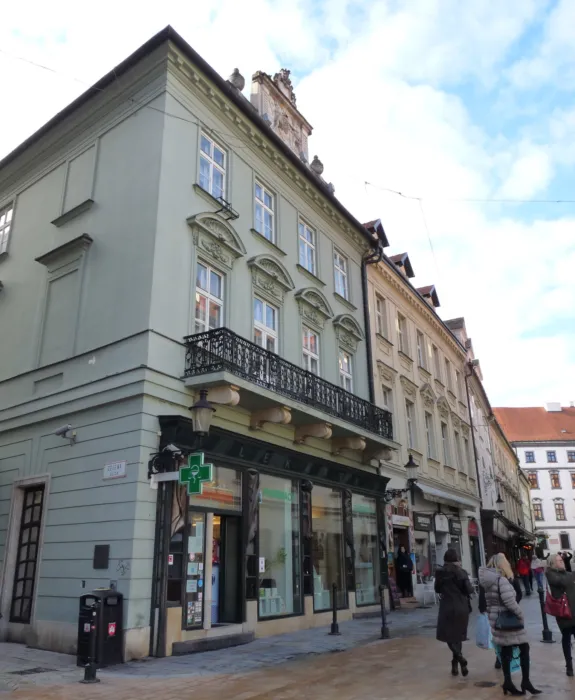
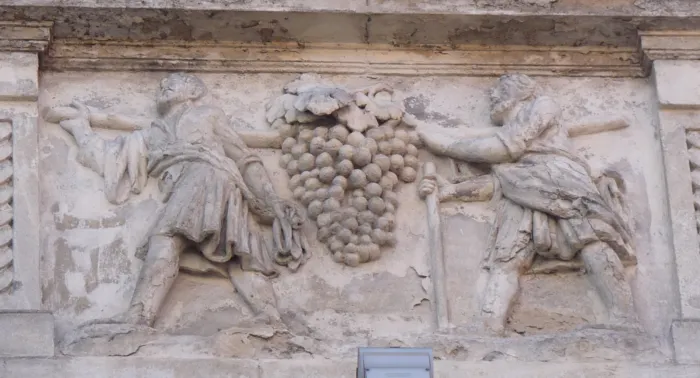
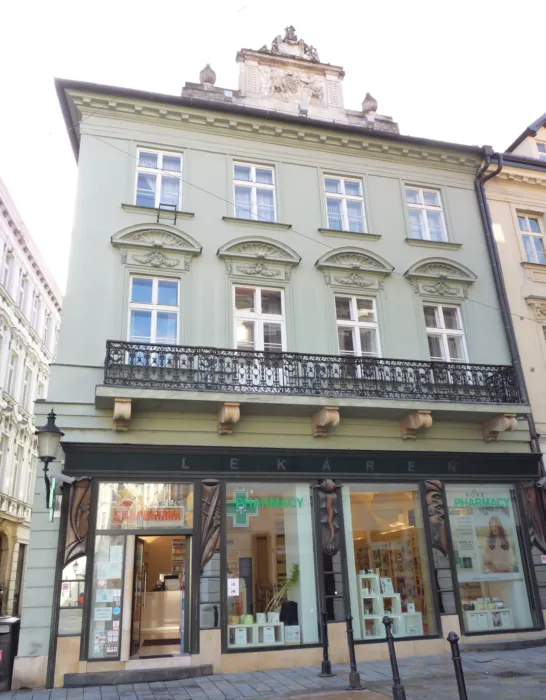
Zöldszoba Street “took its current name after the house called Zöldszoba (Gruenstubl), which stands on the corner of today’s Deák and Zöldszoba Streets and which is often mentioned in 15th century wills. According to the city tax books of 1550, this house was completely painted inside and out with green pictures. According to the city tax books of 1595, its roof was decorated with wind flags (Windfahnen), which signified patrician nobility. Today, you can still see on its pediment a relief of two Canaanites carrying a giant grape on a pole and the letters: S. P. Q. P., i.e.: Senatus populusque Posoniensis. Inside, there were 2 spacious rooms, in which, under Ferdinand I, national assemblies, meetings, debates, provincial assemblies, and later all kinds of celebrations, theatrical performances, weddings, and receptions were held. ; The city's wines were measured in it, as an inscription on this house also announced. That it had already served as a tavern and dining place in the past is proven by an accounting record from 1532. In it, it appears under the name grünstübl gasthaus. The city honored the son of János Hunyadi with Zöldszoba wine on Oct. 5, 1450. On Oct. 13, 1450, the city's burghers gathered in the Zöldszoba and arranged a blessing for themselves here before going up to the castle to greet János Hunyadi's wife. Under Ferdinand IV, having suffered greatly from a fire, the house was renovated, as an inscription that existed here testifies. On Apr. 10, 1671, the judicium delegatum sent in the case of Ferenc Bónis's treason met in this house, which sentenced the accused to loss of head and property, which was then It was also performed on the main square. In 1760-61, a modest theater was built in the back of this house, with free boxes for the noble families willing to sacrifice, and actors played there until 1775, that is, until the construction of the permanent Csáky theater in front of the Fisherman's Gate. In November 1781, the house was sold by auction to the merchant Kramer, who bought it for 1,400 forints. Its current owner decorated it with a beautiful balcony facing Deák Street. The Baptist house of prayer is on this street.” ; This building is also notable for the fact that - according to József Kolmár - Lajos Kossuth lived in it, on the left side of the second floor.