
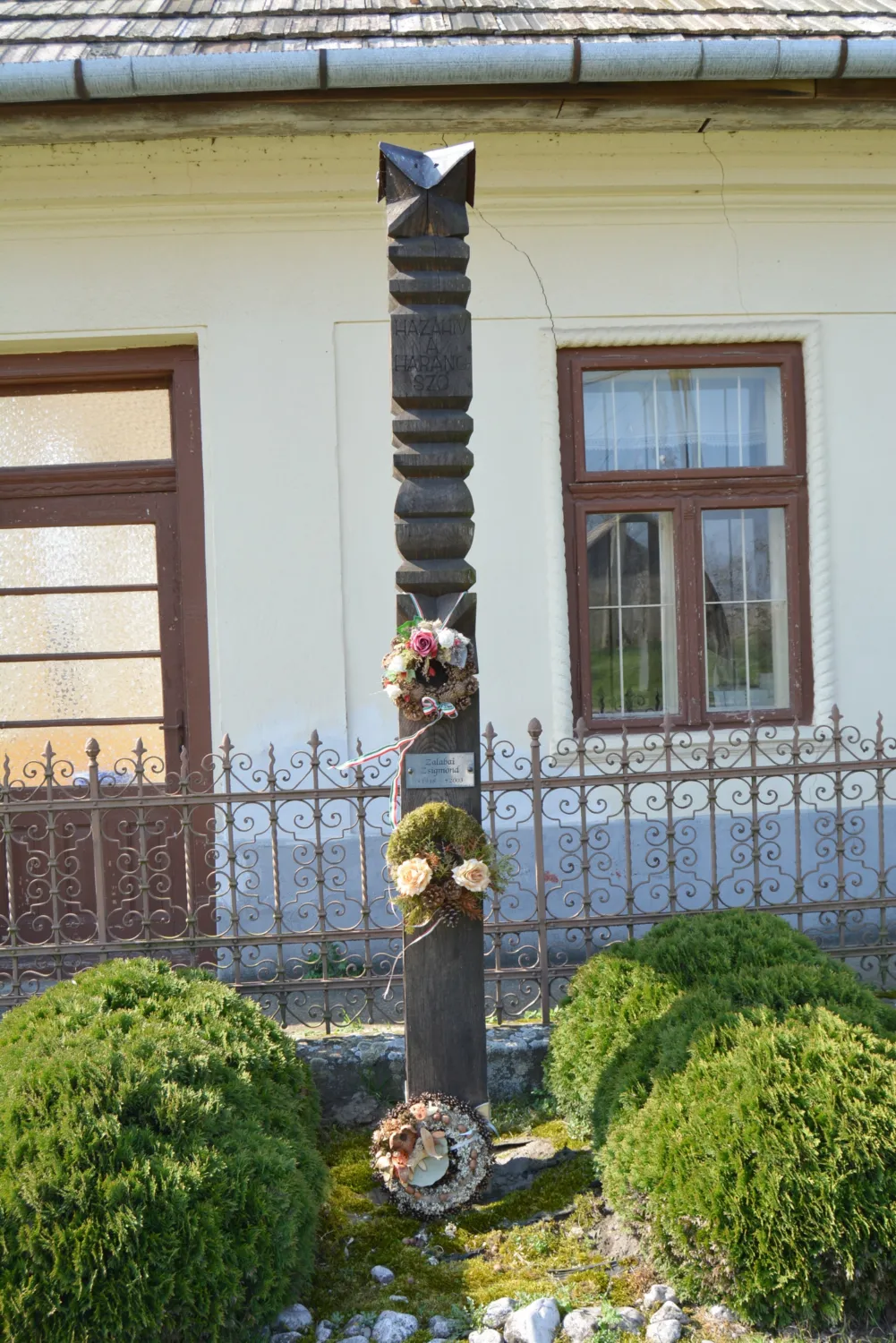
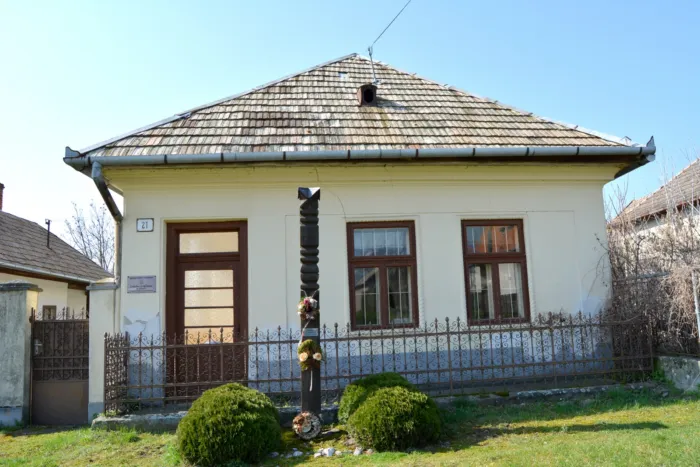
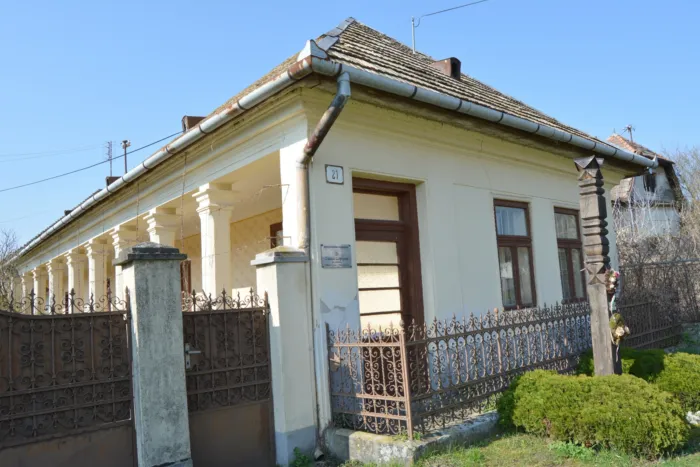
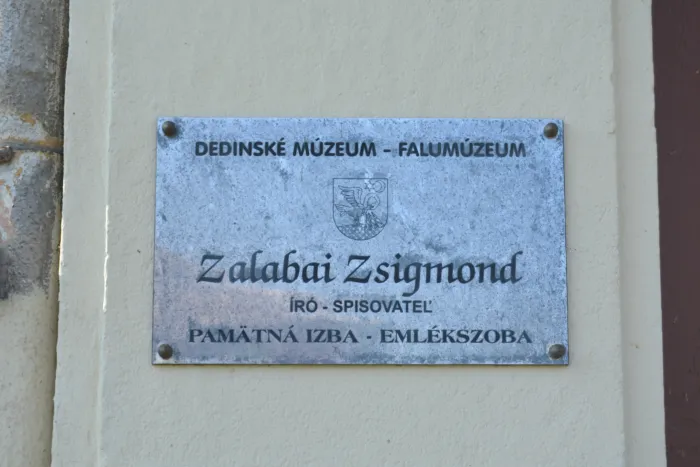
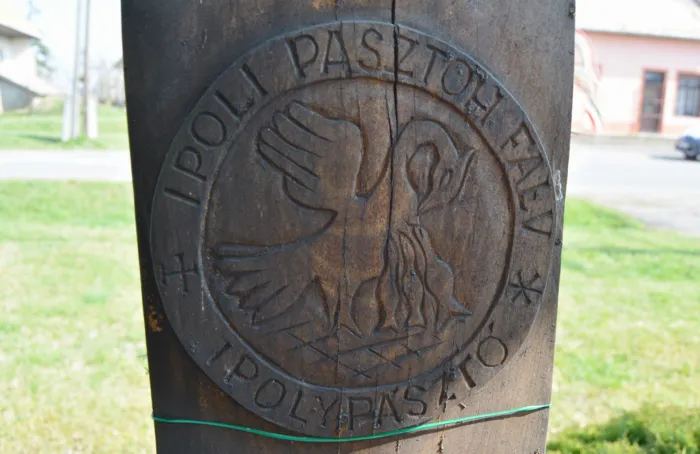
Zalaba Zsigmond memorial house, village museum, headstone
Building, structure
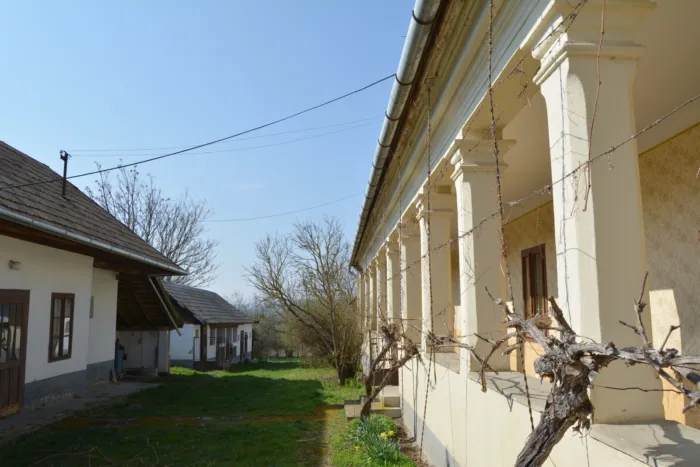
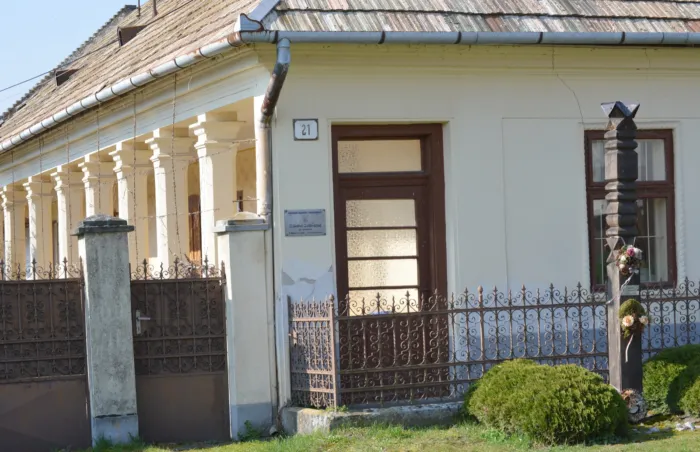
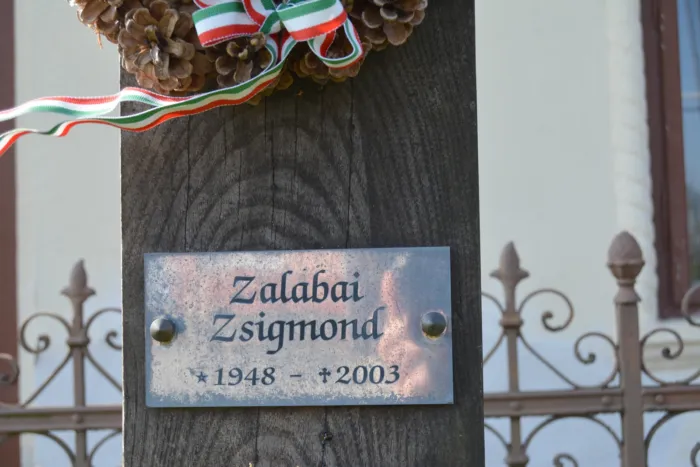
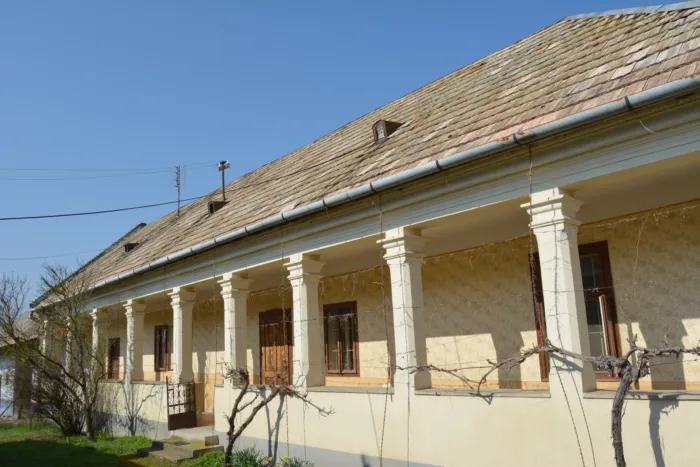
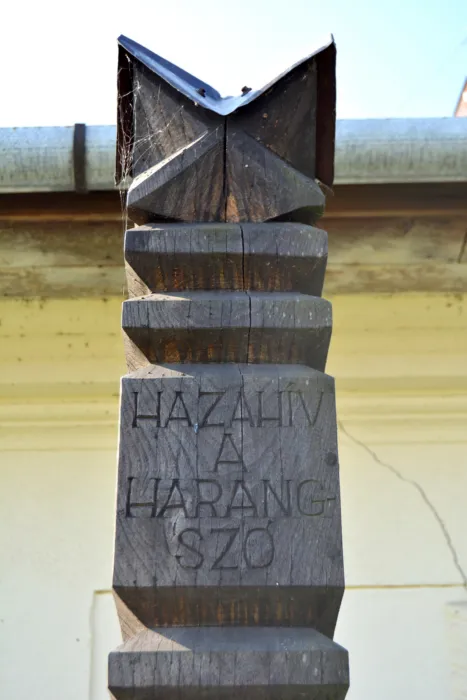
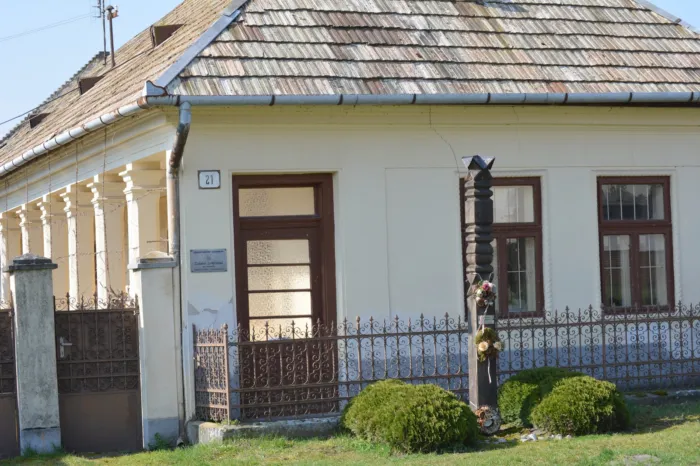
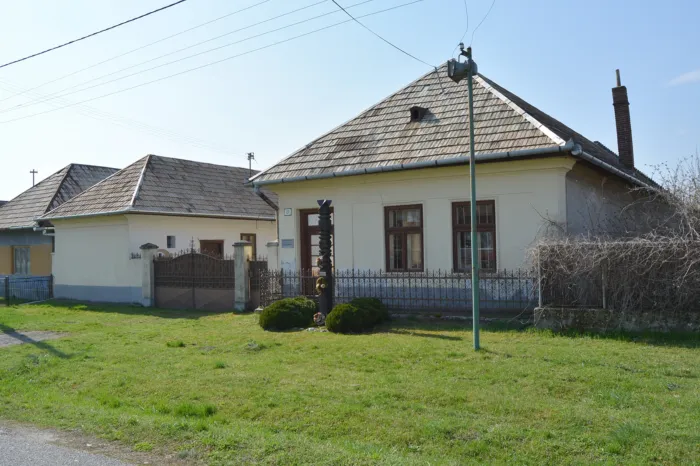
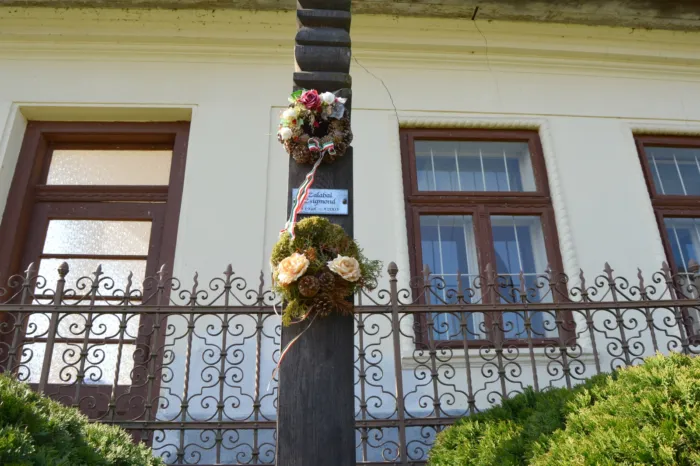
In the southern town of Ipolypásztó, inhabited mostly by Calvinists, on the main street leading to the church, at number 21, in the birthplace of one of the most educated scholars of Hungarian literature, the outstanding sociographic writer Zsigmond Zalabai, Ottó Mészáros, the mayor of the village, opened the village museum in 2009. The literary critic, who died young (1948–2003), also published two books about his native village. In the first – I will tell you about everything – he presents Ipolypásztó embedded in the history of the town and the universal Hungarian history, using the tools of a local historian, a sociographer and a literary writer. His other book – The Bell Calls Home. This work is a must-read book of folk life: it contains the customs and beliefs of the illustrious days, folk poetry, the turning points of human life, and the world of everyday life. ; The former village farmer of the better-off age has a stone-built, tiled, tent-roofed house with a three-axis facade facing north, onto the main street. Next to the two windows, a tall door opens onto the long ambit, whose stone parapet and eight columns give this dwelling a kind of status. Behind the house are further outbuildings, and on the other side of the courtyard is a summer kitchen. The door opening from the ambit leads to the kitchen, from where the first house opens to the right. ; The back house houses objects and documents related to the writer, actually this is the Zalabai memorial room. Here, among other things, the writer's personal papers can be seen: his former college index, passport, Writers' Association ID card and Hungarian ID card, etc. Here, you can see his desk, typewriter, clock, cigarette case, and a few items of clothing in a closet. Many pictures on the walls document the literary scholar's life journey. Among them are family photos, recordings documenting his public appearances, photographs taken from trips, celebrations, meetings with friends, and book launches. The writer's own works and some of his other books were exhibited in a bookcase. There are also some old manuscripts and other printed matter in the collection. Incidentally, the entire house evokes the writer's spirit. He grew up in an environment similar to the one presented, among the exhibited objects. He often returned here: to write, to rest, and to help his mother. ; In the back wing of the building, we can see some old farm tools and carts. The porch offers a good opportunity for further expansion, collection of materials, and for this house to become a living museum, where gatherings, events, unusual literature classes, and folklore lectures can also be held. Pásztó and the Zalabai heritage would definitely deserve it if the village museum were to develop further. ; ; On October 24, 2009, a village museum was inaugurated in the birthplace of Zsigmond Zalabai, the renowned literary critic. The ceremony was opened by a recitation by Ottó Vas, then Ottó Mészáros, the mayor of the village, welcomed the guests as host: Pál Csáky, the chairman of the MKP, Iván Farkas, member of parliament, Alfréd Török, the chairman of the Léva District Committee of the Csemadok, Gábor Bárdos, the mayor of Somorja, László Végh, an employee of the Forum Minority Research Institute in Somorja, the widow of Zsigmond Zalabai, his children, siblings, the mayor of Veresegyház, Béla Pásztor, his deputy mayors, József Kosik and Lajos Nemecz, the Calvinist pastors Erika Ambrus and András Bugár, the Roman Catholic parish priest András Szalay, and Isván Maťó, the mayors of Ipolyvisk and István Kuczman, the mayors of Lonto. In his speech, Ottó Mészáros outlined the circumstances of the establishment of the village museum and thanked all those individuals, organizations and institutions who provided assistance in achieving the noble goal. In his ceremonial speech, which he delivered after the unveiling of the headstone erected in memory of Zsigmond Zalabai, Pál Csáky highlighted the importance of respecting and cherishing the memory of individuals from the Ipoly region like the distinguished writer. The headstone, decorated with flowers of respect and remembrance, was also blessed by representatives of the churches. ; In the second part of the ceremony, Éva Koháry presented the village museum and the Zsigmond Zalabai memorial room. ; Then, the participants viewed the beautifully decorated exhibition presenting rich ethnographic material, the backbone of which is the legacy of the Zalabai family. In the memorial room, in addition to the material relics, a multitude of documents and photographs illustrate the life and work of the prominent personality of Hungarian culture in Slovakia. The Ipolypástó village museum, which boasts diverse cultural and historical values, can rightfully claim to be of interest to the general public. Entrance is provided by the employees of the village office.