
Vazul Tower
Building, structure
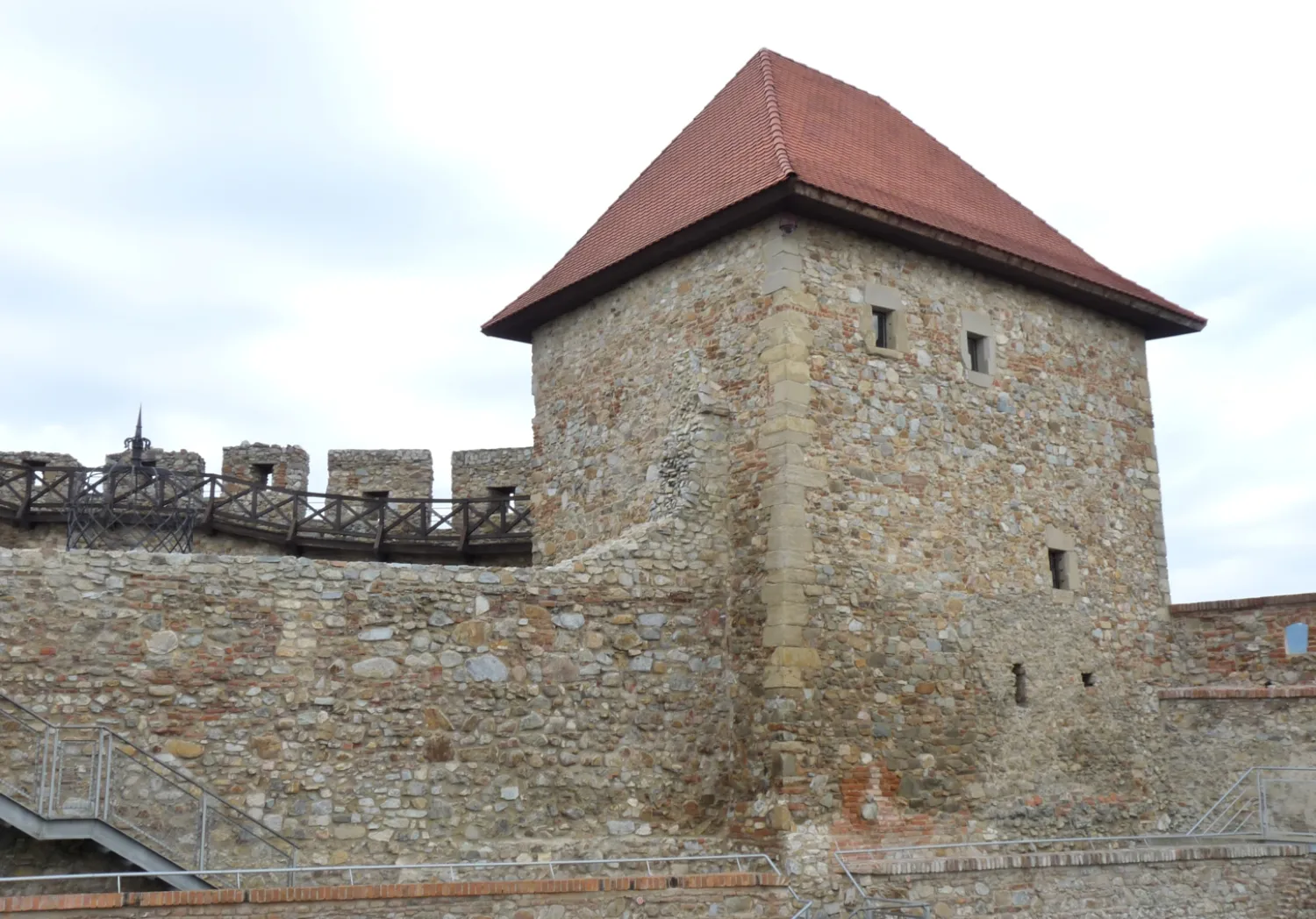
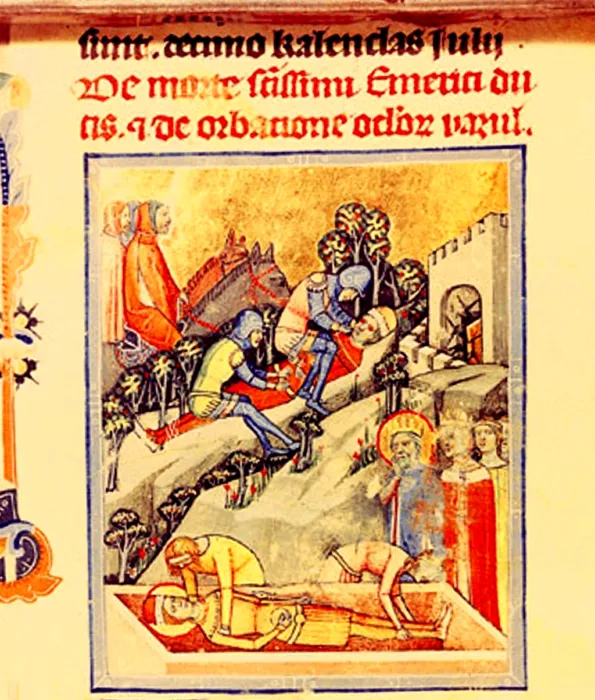
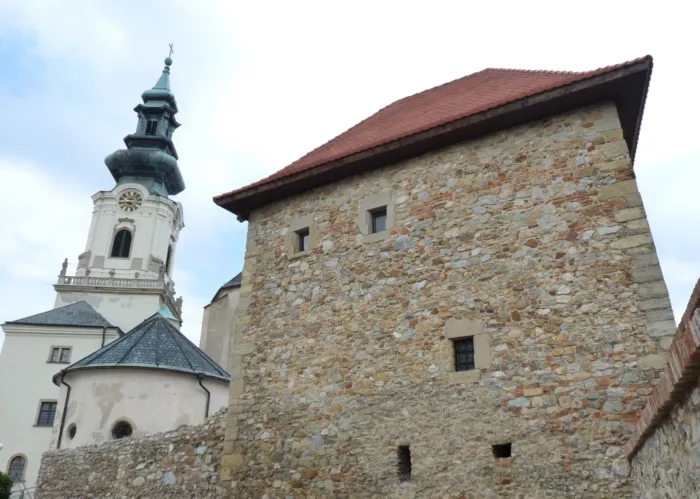
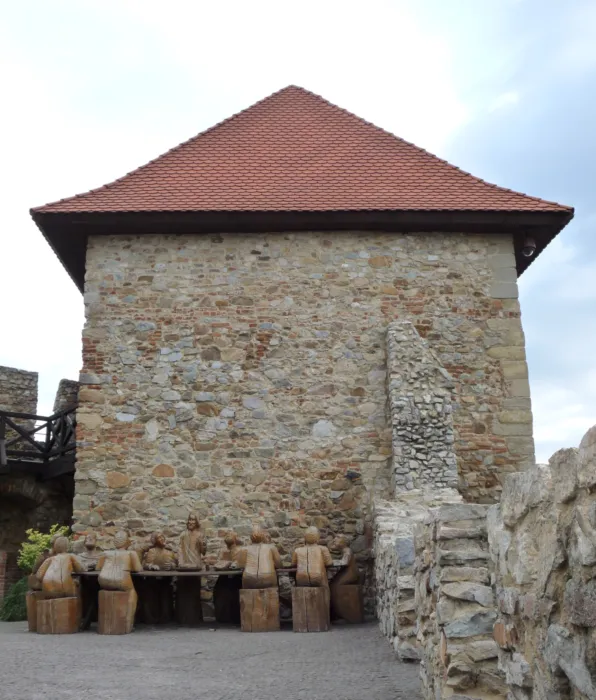
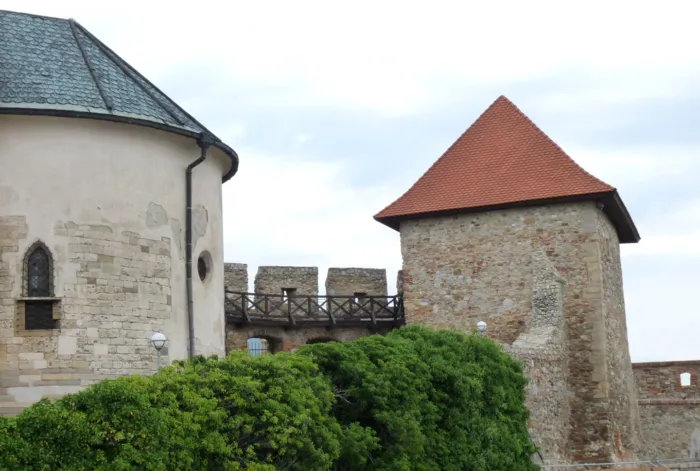
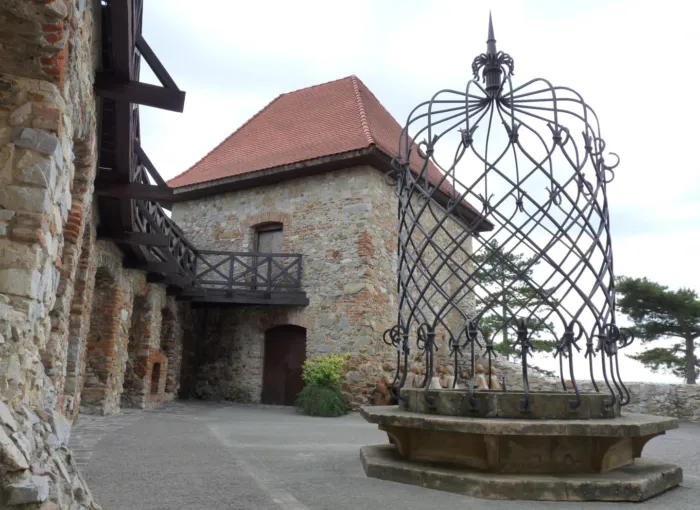
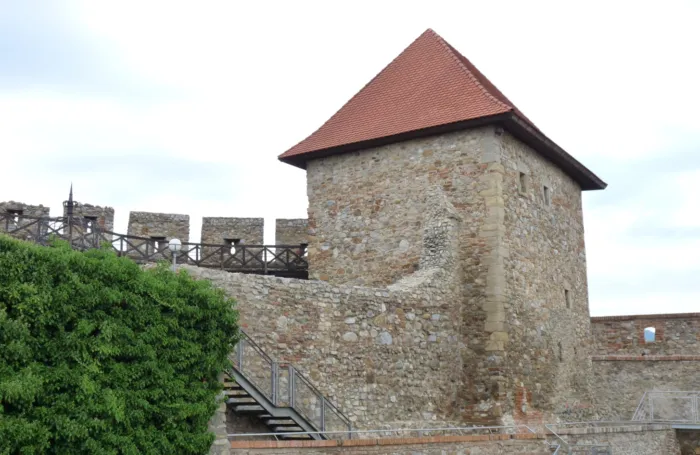
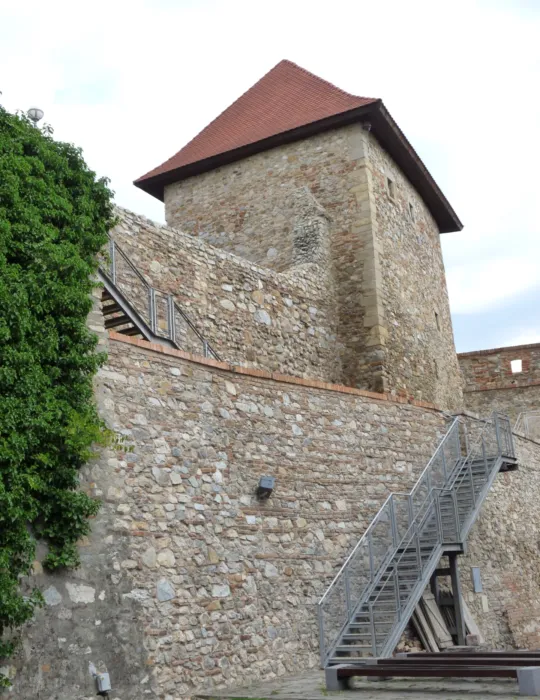
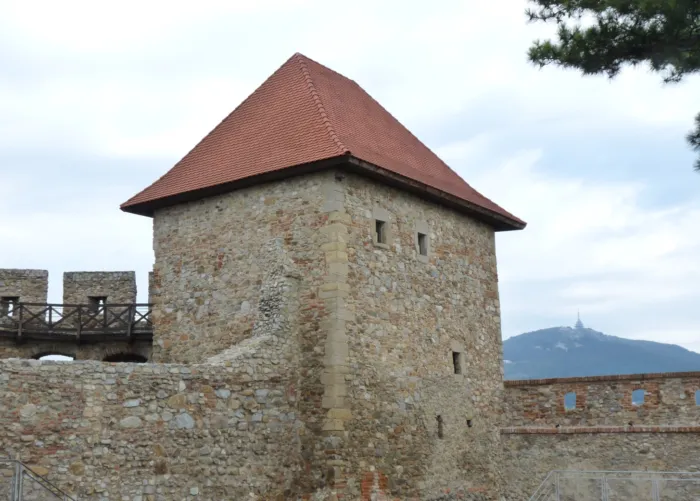
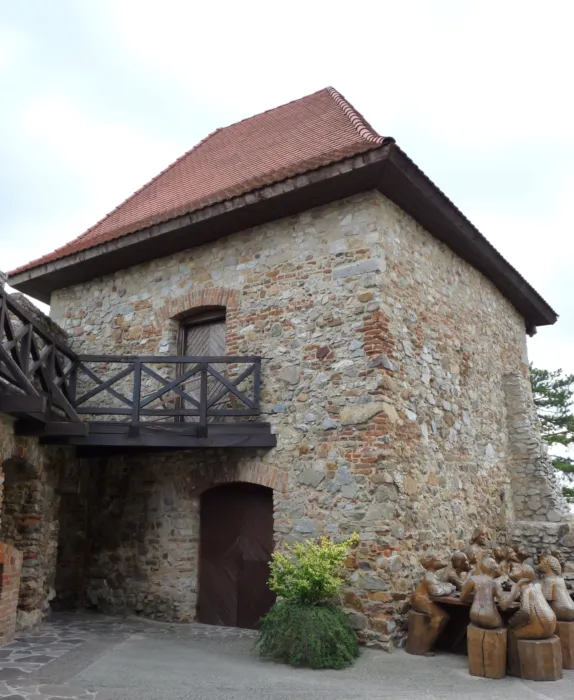
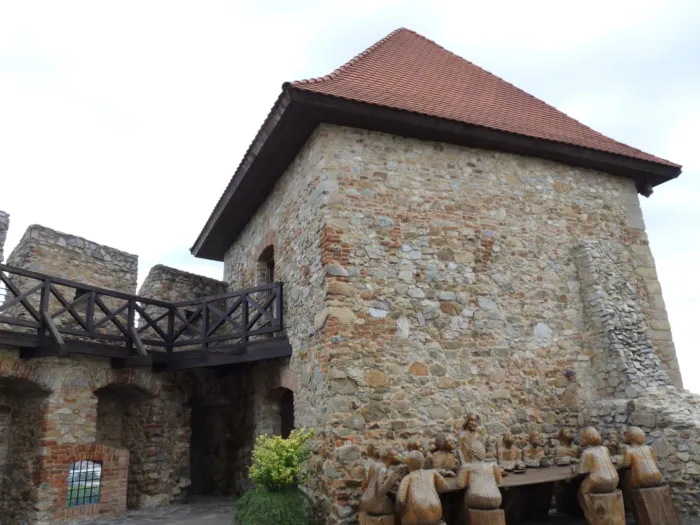
The Vazul Tower used to be a fortress, which was gradually rebuilt. The original tower was two-storeyed, with two entrances: one entrance led to the tower from the courtyard, the other from the castle cloister. There are loopholes in the lower part of the tower, and 3 windows were built on the upper floor. Based on older photographs, we know that the tower did not previously have a gable roof, this is the result of the last reconstruction. The former castle prison is located under the tower. The tower and the castle wall enclose a small courtyard, where the castle well, which was about 60 m deep, is located. ; After the death of Saint Stephen's son, Prince Imre, Vazul could have claimed the throne. According to his hands and the chronicle composition, Stephen first nominated him, but under pressure from Queen Gizella, he later ignored him in favor of Peter Orseolo - Géza's granddaughter. Vazul did not want to recognize Peter as the heir to the throne, and according to Stephen's lesser legend, he participated in a conspiracy, so Stephen arrested him and had him imprisoned in Nitra. Finally, to make him unfit to rule, he had his eyes gouged out and his sons exiled. However, the chronicles unanimously agree that the blinding took place on the orders of Queen Gisella. According to the 14th-century chronicle composition, lead was poured into his ears, but many doubt the credibility of this, which may still be an excuse for the holy king. After his blinding, there is no more talk of Vazul. Historians assume that he died of torture or its consequences. ; ; Later, Vazul's two sons – András and Béla, and then two grandsons – Géza and László ascended to the Hungarian throne. And it was Ladislaus who would later raise Stephen to the altar in 1083 and himself would be canonized by Pope Celestine III in 1192. The figure of Saint Ladislaus, our legendary knight king, is still present in the coat of arms of Nitra County to this day.