
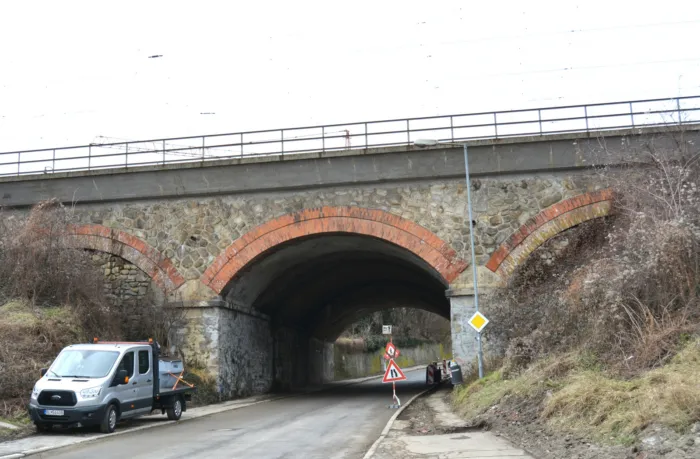
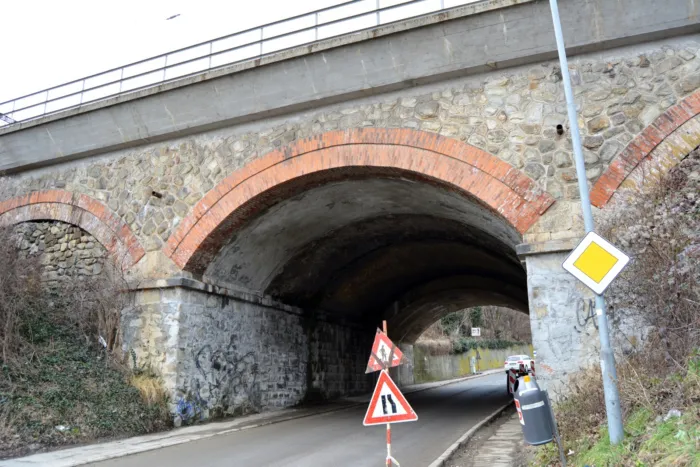
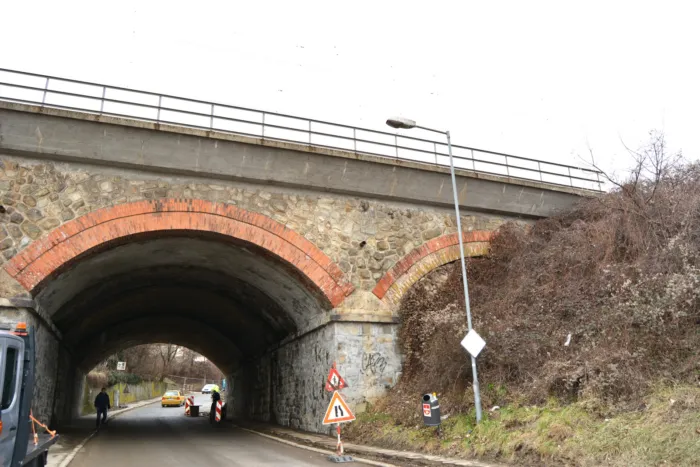
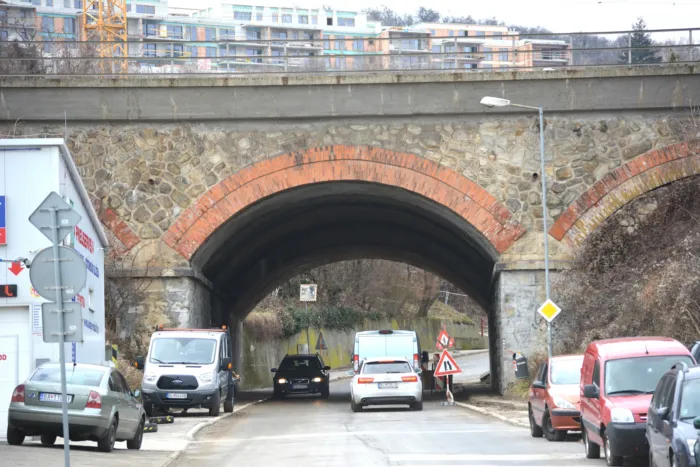
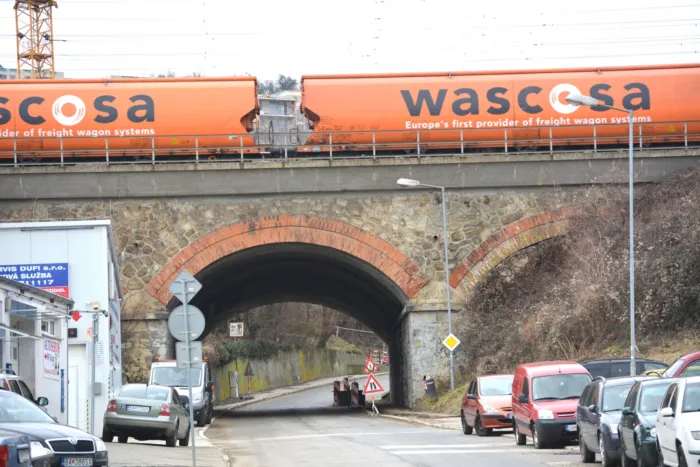
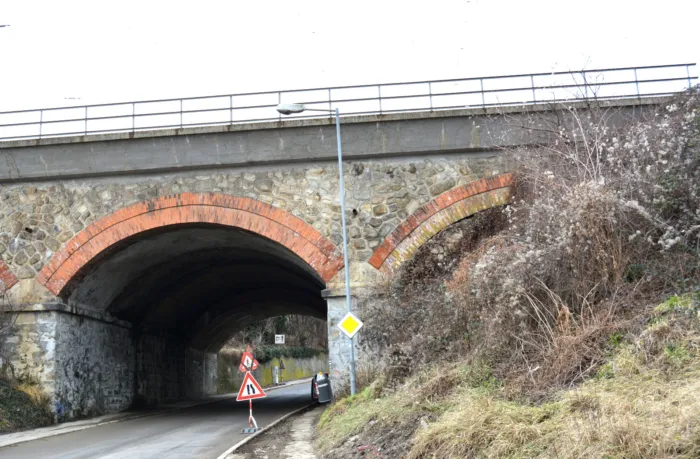
Railway overpass
Building, structure
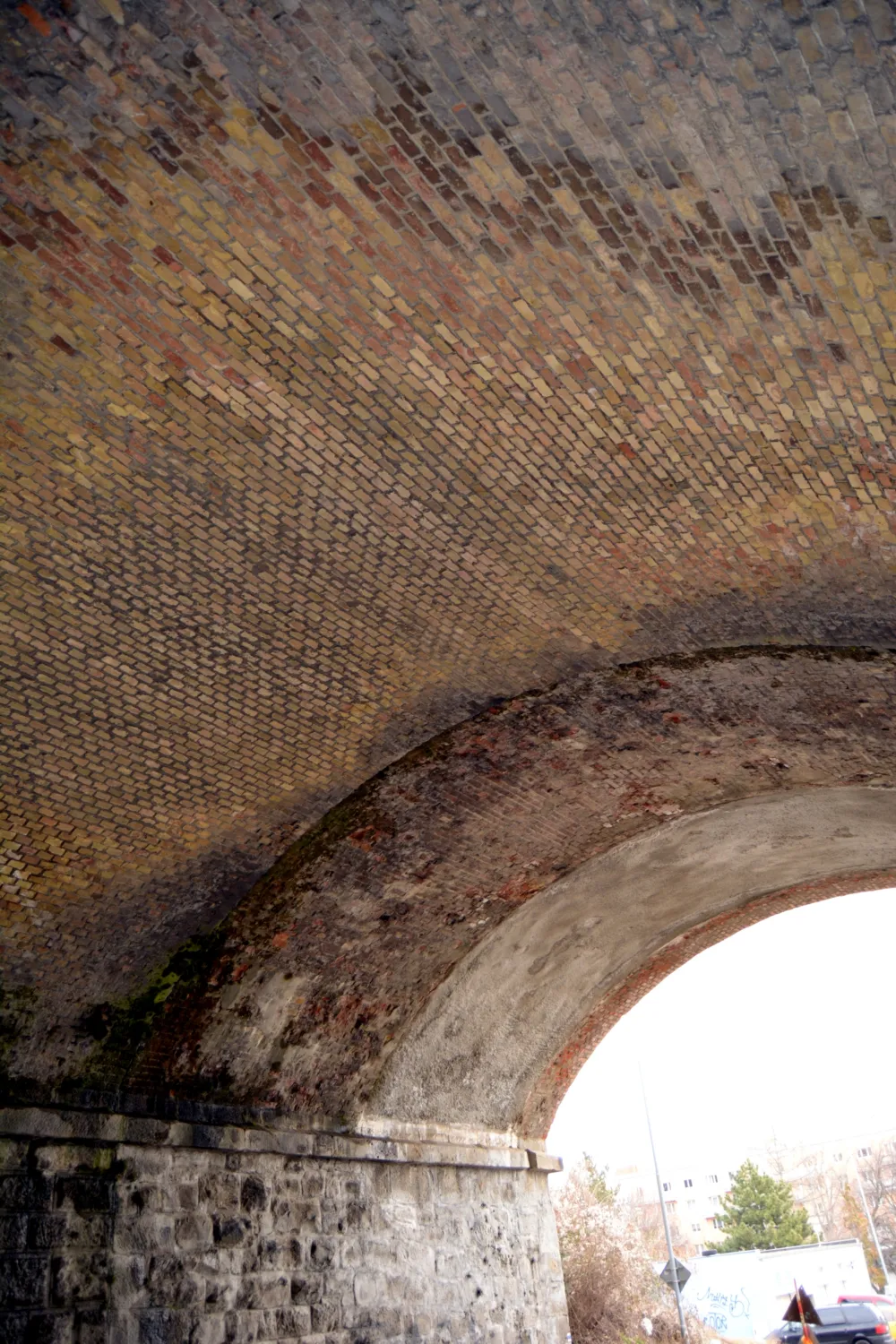
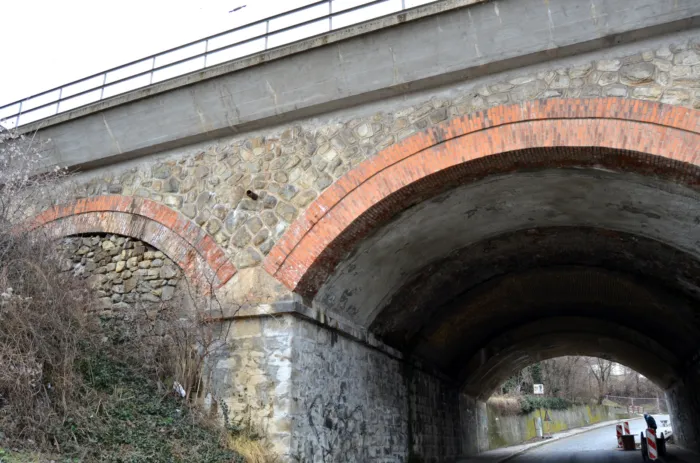
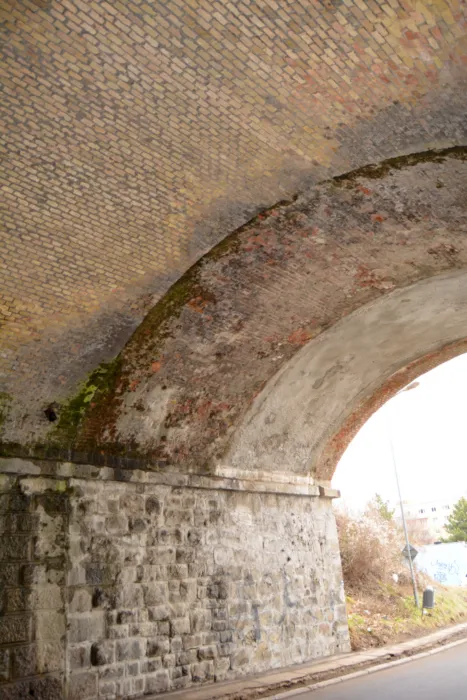
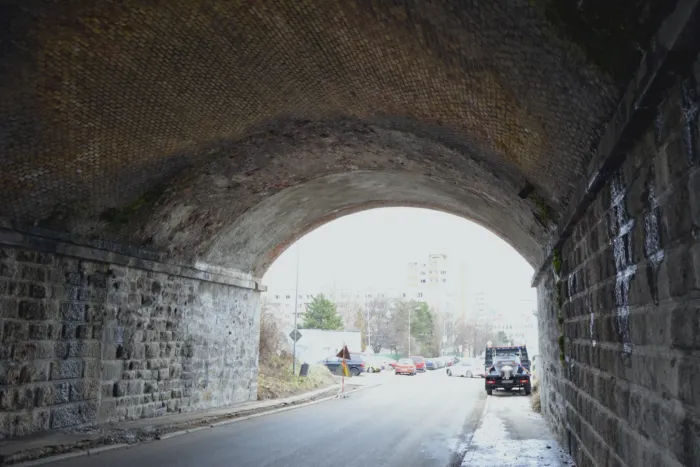
Following the development that began in the second half of the 19th century and then as a result of the changes at the beginning of the 20th century, the city of Bratislava grew considerably. One of the important drivers of its industrial and commercial development was its connection to the railway network, which took place in the 1840s. ; In 1836, the Hungarian Parliament decided to build a railway line connecting Pest via Vác, Érsekújvár, Bratislava to Vienna. The Hungarian Central Railway Company began construction of the line in 1844. Traffic on this section of the line between Bratislava and Párkánynána was allowed to start in 1851. According to the plans, numerous bridges and overpasses were needed to bridge various watercourses, valleys and roads. A significant number of these bridges still exist today, although some have been strengthened or widened over the past century and a half. A characteristic feature of these bridges is that their openings were solved with multi-row brick arches, while their masonry was made of light-colored natural stone - crushed stone, or sometimes ashlar. ; One of these bridges is the railway overpass in the northern suburb of Bratislava called Újváros, which carries the railway line coming from Érsekújvár over today's Sliačska Street. In accordance with the traffic demands that have increased significantly since its construction, in the decades following World War II, the railway bridge was thoroughly widened to the west and reinforced with reinforced concrete sections, so today it only shows its original appearance from the east.