
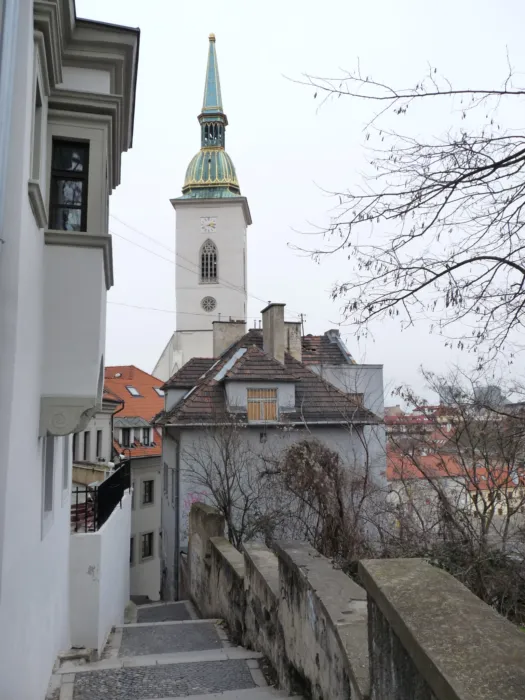
Castle stairs
Building, structure
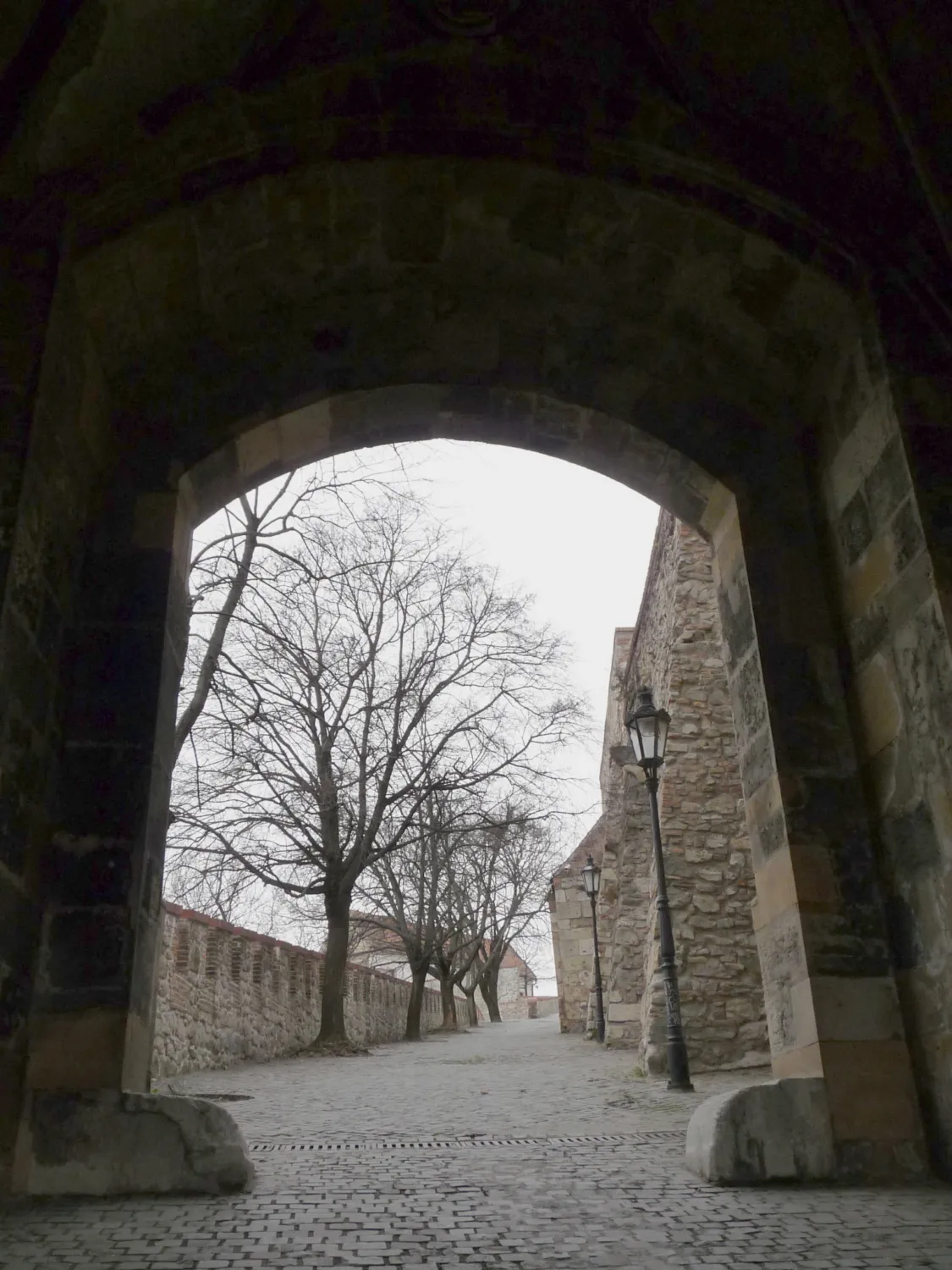
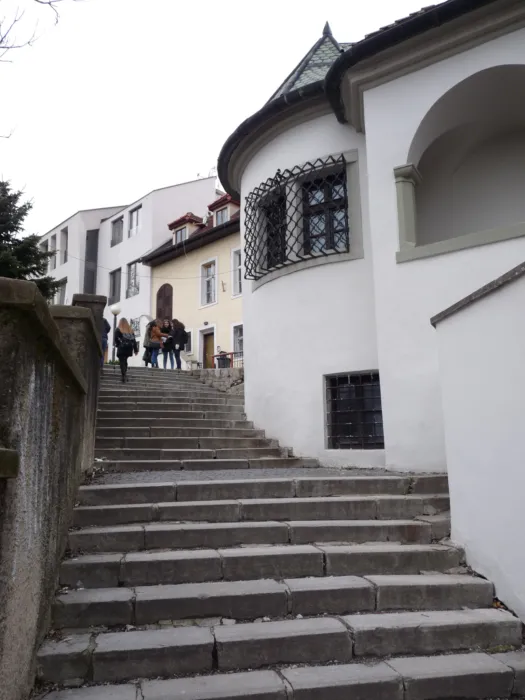
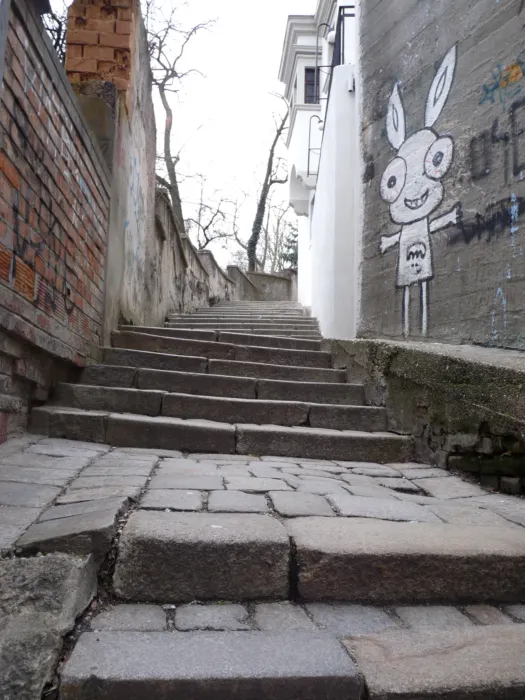
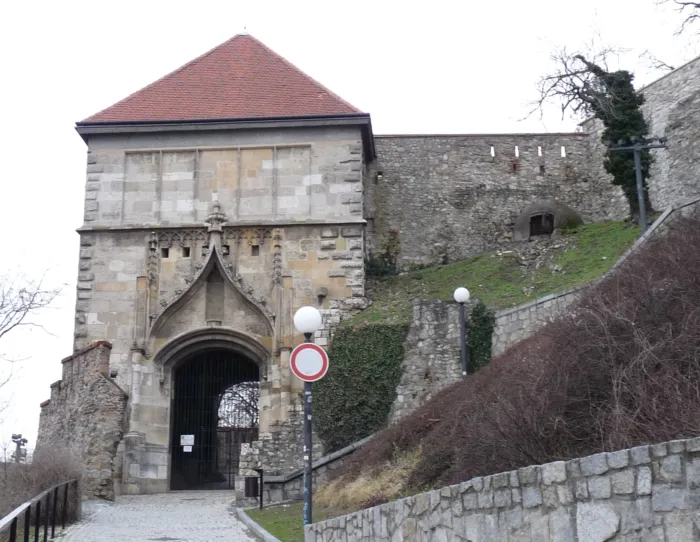
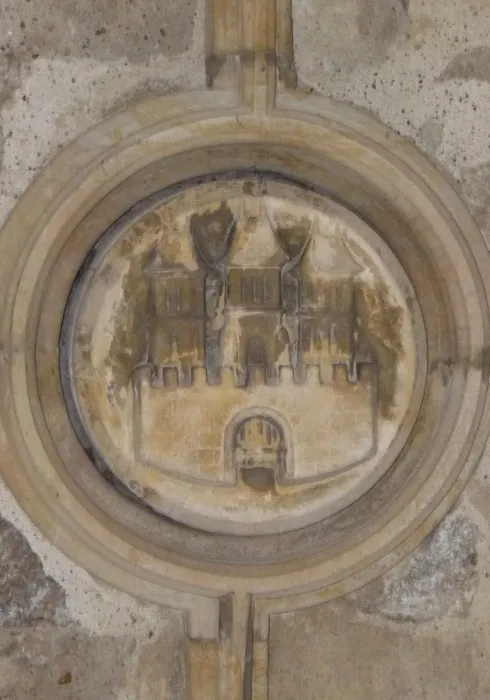
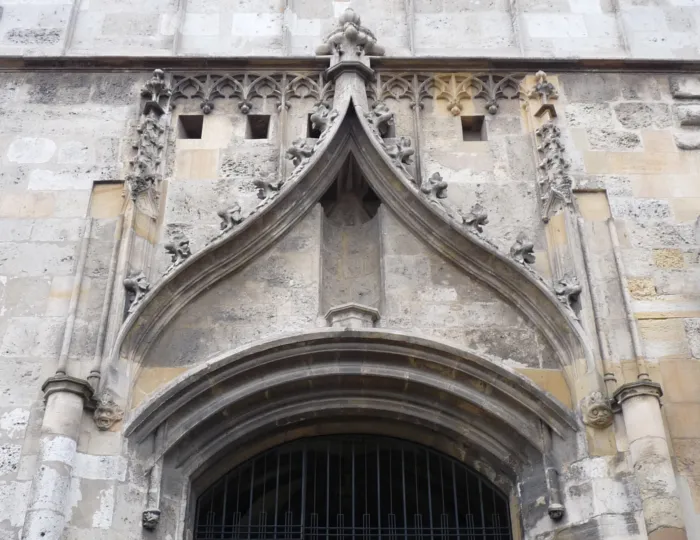
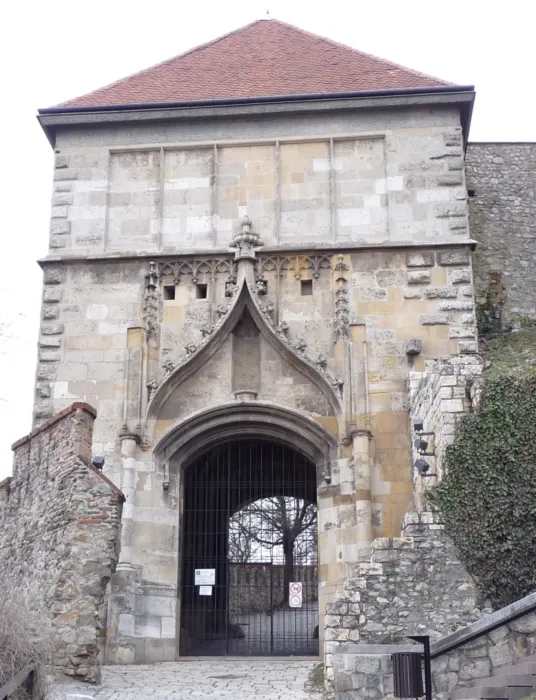
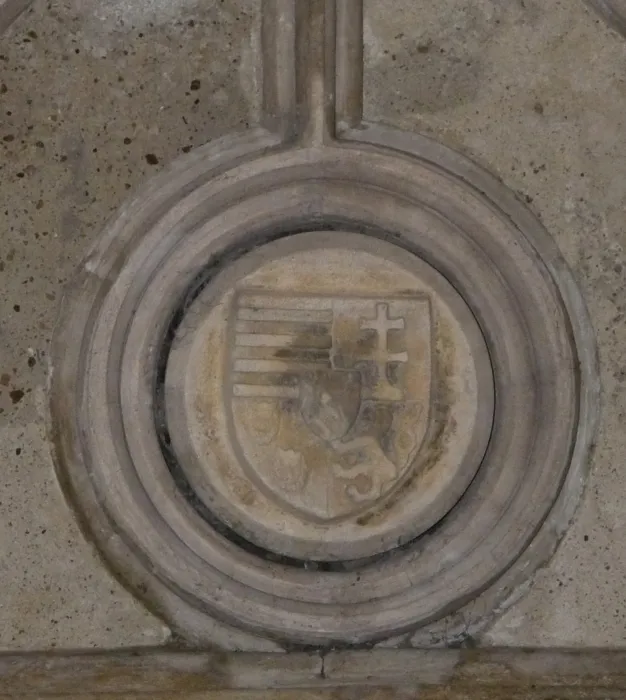
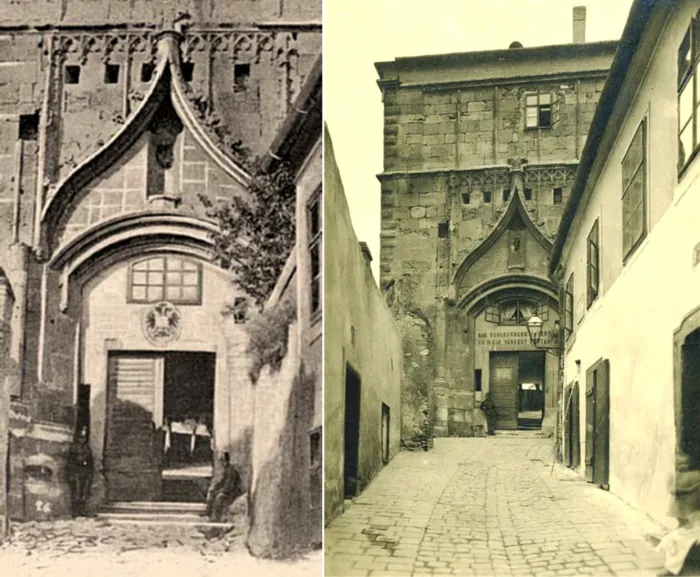
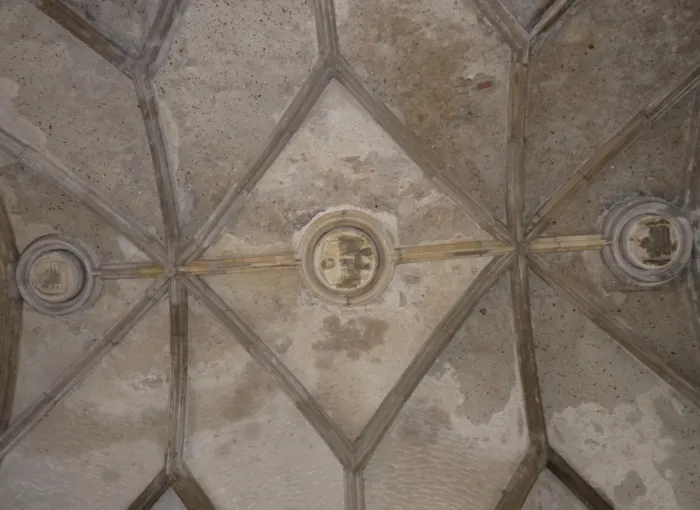
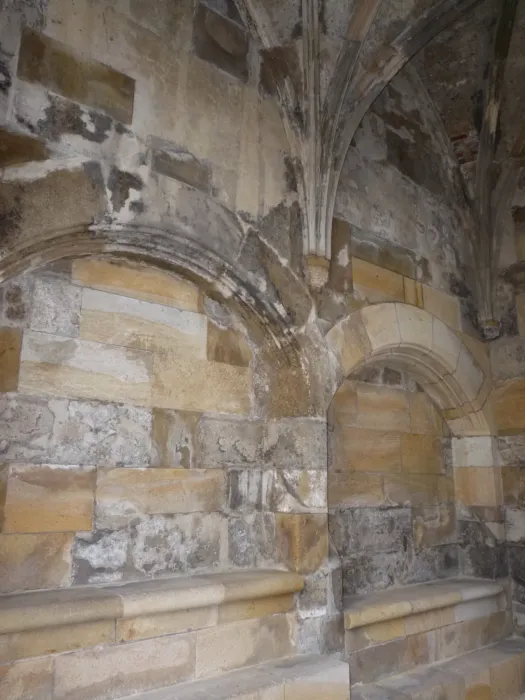
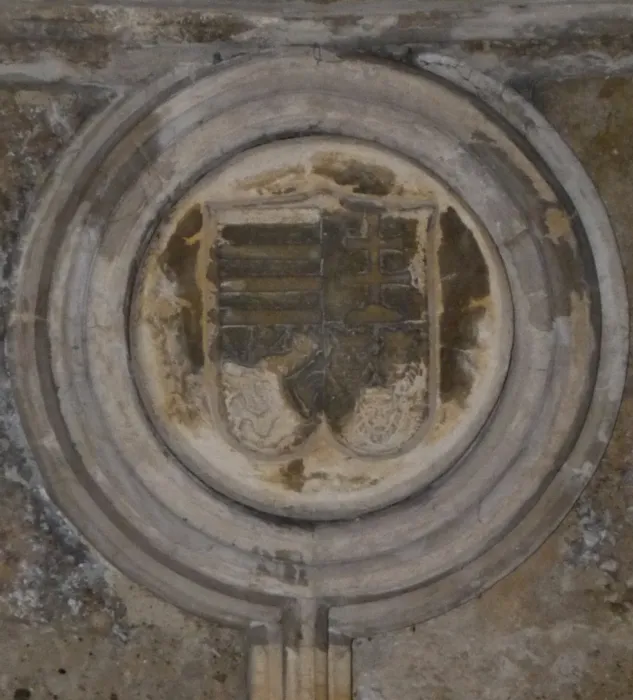
“Castle Staircase. (Schlosstiege.) This narrow, steep and uncomfortable, but not without its picturesque appeal, alley-street of Terézváros leads up from Vártelek Street to the castle, and through this street you can reach the bottom of the Vížhegy: to Oeser and Florián Streets and through Csuka Street to the Váraljai pier. In the 18th century (and probably earlier too) this street was called the “deep and steep road” (via profunda et praeceps). It used to have steps carved into natural stone, but now it has good steps laid artificially. That there used to be a gable-roofed tower gate at the bottom of the Castle Staircase, where the steps now lead beginners to Vártelek Street, is shown by an engraving from 1574. But this is also confirmed by a historical fact. When in 1439 the citizens of the city besieged Rozgonyi, which was enclosed in the castle, the castle captain planned a raid, to prevent which the citizens erected barricades and bastions in front of the gate of the castle facing the city. This lower gate was followed by the upper gate: the magnificent, today only in a unsatisfactory condition, Gothic-style ornamental gate of the 15th century. In the 18th century, this gate was known only as the Old Gate, which shows that people then no longer had any idea of its former glory. Once this gate combined ornamental elegance and architectural splendor, as the historical survey made in 1863 under the leadership of Friedrich Schmidt, the famous builder of the Vienna City Hall, convincingly proves. This gate was built, not in the 11th century, as some believe due to a misunderstanding of the bossage art that appears on it, but under King Matthias at the end of the 15th century. It had a defensive corridor resting on consoles. It was also adorned with rich masonry, columns, turrets, gable and pointed arch decorations and statues. It was less a defensive than a decorative gate. This gate appears as a truncated tower gate on the 1574 engraving, showing that it had already begun to deteriorate in the 16th century. In the aforementioned image, the gate is connected by loopholed Zwinger walls to another similar truncated tower gate, of which there is no trace today. In more recent times, a guard room was also built into the gate, which completely ruined the old architectural beauty. The restoration of this gate in its original shape and shine would be very desirable. Our city would be enriched with a rare and beautiful monument. ; In front of this gate, during a daring attack in the battles of Gábor Bethlen, Gr. Imperial General Henrik Dampierre died on October 9, 1620. His body was taken from Bratislava to Nancy, France, where his grave was decorated by His Majesty King Franz Joseph with monuments made by a sculptor born in Bratislava, Viktor Tilgner.” (Tivadar Ortvay); “House number 4 on the Castle Staircase belonged to the shoemaker János Griebl at the beginning of the 17th century, from whom it was bought by the gunsmith János Wentzl, who sold it in 1651 to Lénárt Füeger, lieutenant of the bodyguard of Cardinal-Archbishop György Lippay. In the forties of the last century, it was a Schiller-style house. In 1843, the manuscript newspaper "Parliamentary Reports" edited by Záborszky was located here, where Sándor Petőfi was forced to do humiliating copying work in his poverty, his dense small-lettered sheet on 24 billets. Nevertheless, he fondly remembered these days of suffering and the city where, according to him, he even found happiness. He bids farewell to Bratislava with touching words: ; Fate is jealous of my happiness, ; Bratislava! Far away from your circle again, ; I am going - but my heart is filled with farewell, ; How its empty halls await, ; You still beckon after me from the mist of the Danube, ; And a stream of bitter tears rolls down my face." ; (Farewell: Bratislava, January 21, 1840) ; (Lajos Kemény)