
Vágsellye National Flag Monument
Statue, monument, memorial plaque
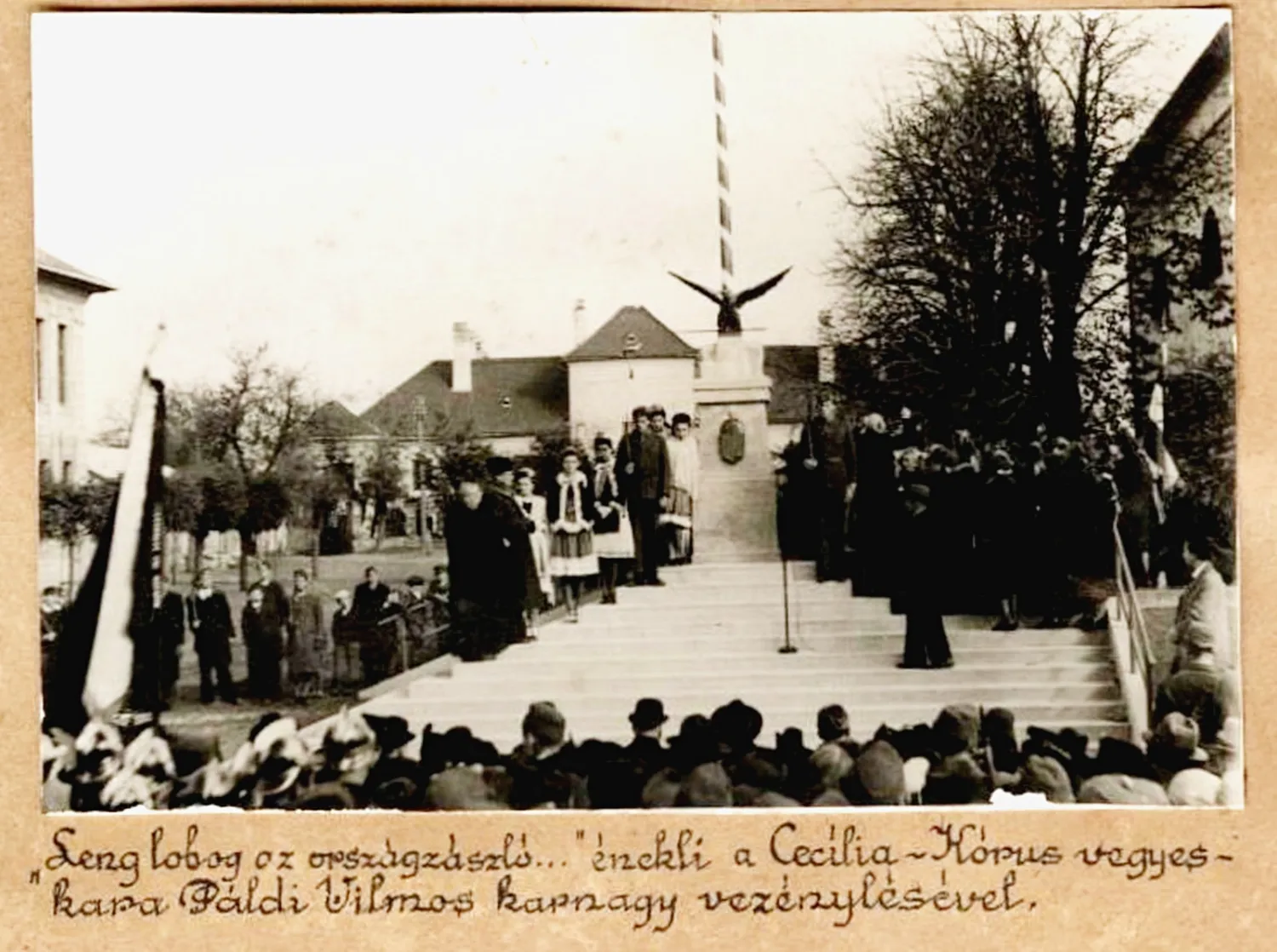
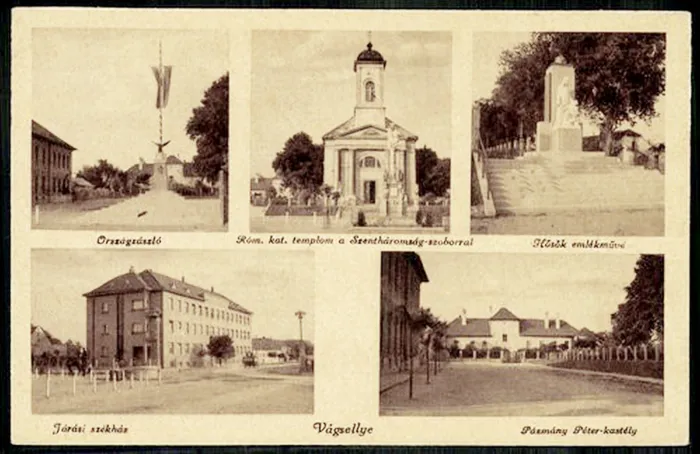
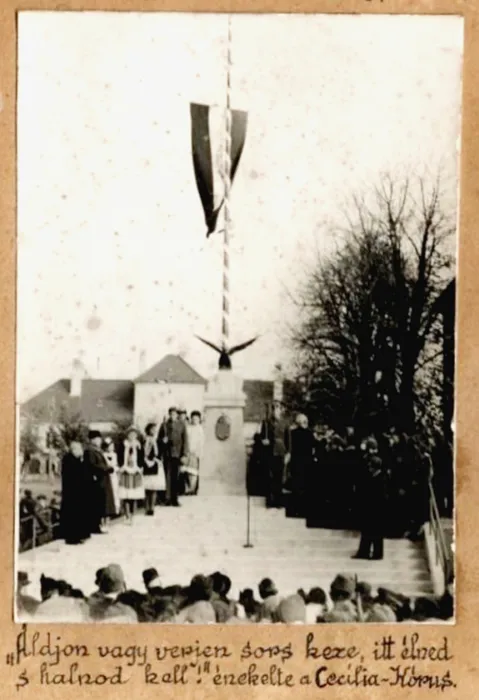
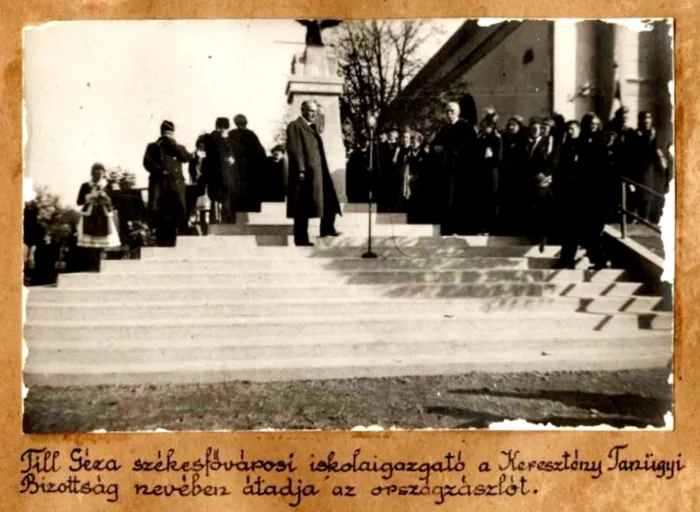
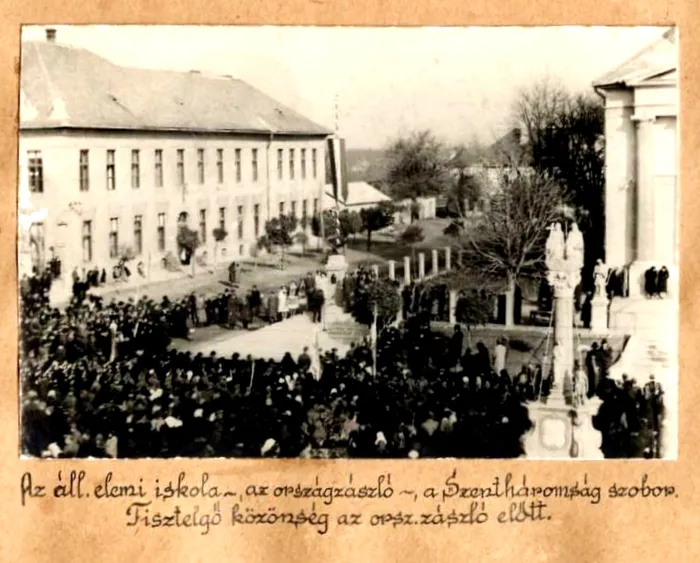
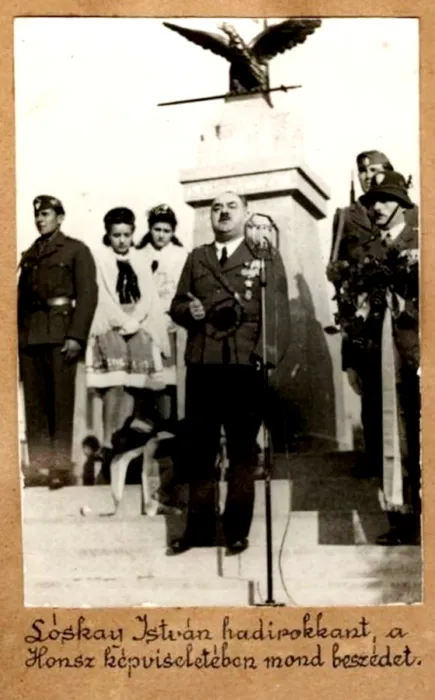
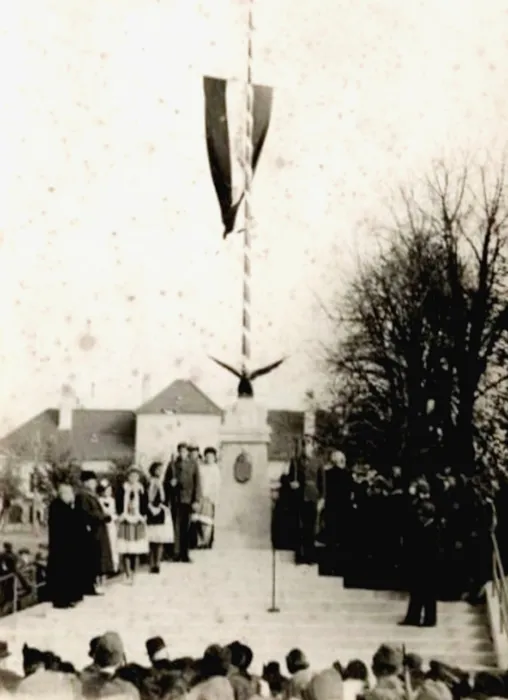
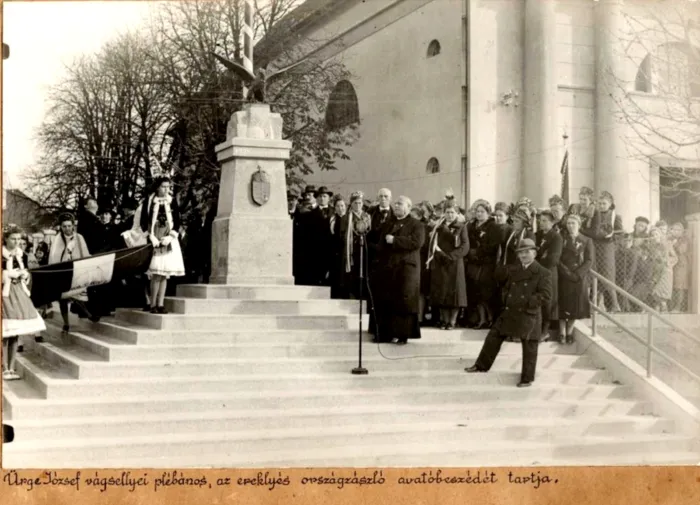
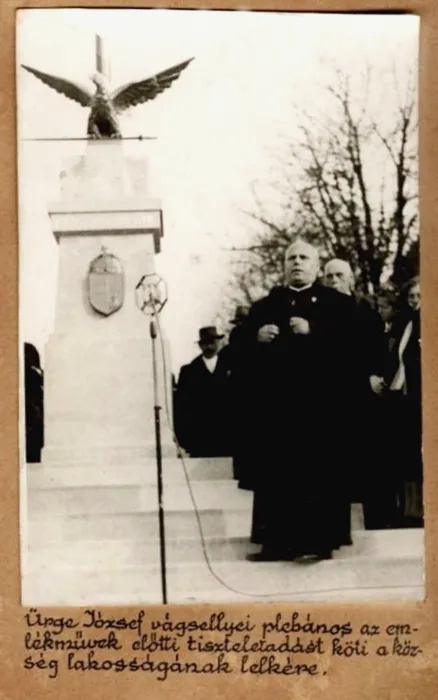
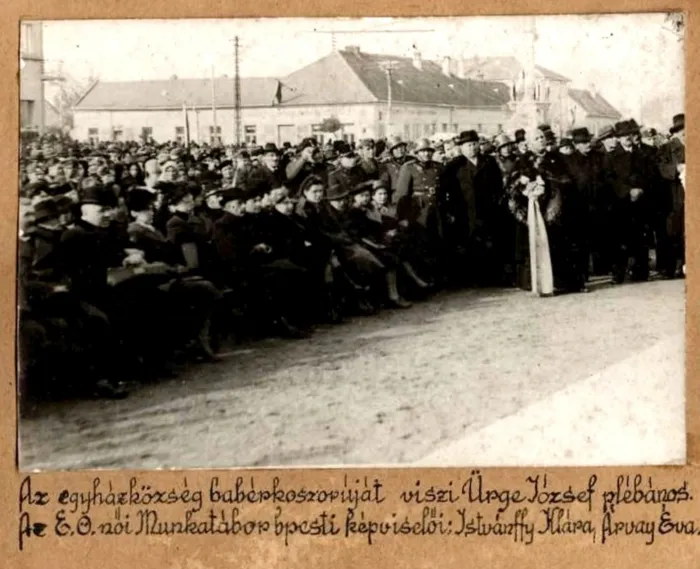
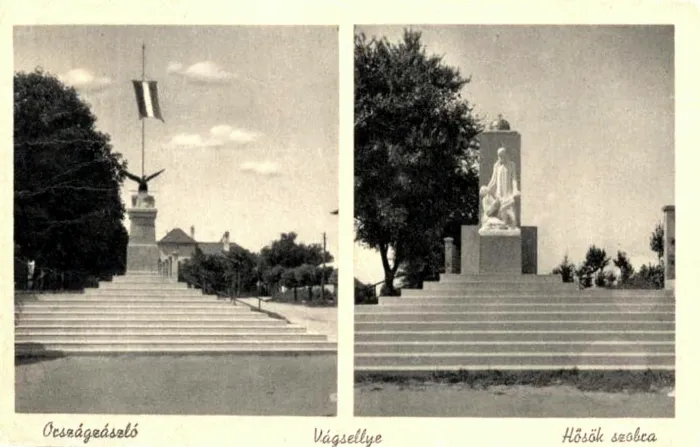
The initiator of the National Flag Movement was Nándor Urmánczy, a Transylvanian politician of Armenian origin, a member of parliament, and the "uncompromising Hungarian", who proclaimed the National Flag Movement in 1925. Between the two world wars, the movement, which spread throughout Hungary, started with the Ereklyés National Flag erected on Szabadság Square in Budapest on August 20, 1928. The "permanent accessory" of the national flags was the last official central coat of arms from 1915 before Trianon, and its flag was most often decorated with angels. Its motto, "So it was, so it will be!", had to appear either on the flag or on the pedestal. The masthead was often painted in red-white-green stripes, on which the national flag was hoisted at half-mast. During the reunification of the country's territories, the flags could be temporarily raised to the flagpole for a period of time in accordance with the decree of the Grand Master of the Hungarian National Flag, and then lowered back to half-mast, since the integrity of the country had not yet been fully restored. This happened during all four national reunifications (1938-1941). The tops of the flags were decorated in many places with a hand raised to swear an oath, a turul bird, a double cross or a Trianon cross. In many places, an ornate staircase led to the pedestal. Unfortunately, Hungary ended World War II on the losing side, so the national flag movement also came to an end. The occupying forces annexed the returned territories again, their accomplices, the domestic communists, began to persecute revisionism, dismantle the national flags, and in more fortunate cases, they were partially transformed into freedom flags in 1948. ; In November 1940, the heroes' memorial in Vágsellye was dedicated at the same time as the national flag, which was the 600th such memorial in Hungary. On this occasion, the event also commemorated Nándor Urmánczy (1868–1940), the initiator of the national flag movement, who had died a few weeks earlier. The following can be read in the issue of Érsekújvár és Vidéke published on November 16, 1940: “On the 10th of this month, on the anniversary of the happy liberation, the patriotic population of the village of Vágsellye inaugurated the Heroes’ Monument and the National Flag in a beautifully successful ceremony, which was attended by Dr. Jenő Javornitzky, Ministerial Counselor, representing the Grand Committee of the National Flag of the Relics, the delegation of teachers and professors from the capital who donated the National Flag, led by Géza Till, the delegation of the University Women’s Work Service led by Klára Istvánffy, the main speaker, and the large delegations of the surrounding villages. (…) The celebratory speech at the National Flag was given by the parish priest of Vágsellye, József Ürge, who pointed out that the National Flag is both an outward and inward protest, so that Hungarian unity is not hindered by anyone or anything. The On behalf of the National Flag donors, Director Géza Till spoke about the significance of the National Flag, after which Dr. Jenő Javornitzky, Ministerial Counselor, installed the National Flag of Vágsellye for the 600th anniversary, and in his powerful speech, he remembered with pious words the passing of Nándor Urmánczy, the implementer of the idea of the National Flag. (…) The Monument to the Heroes of Vágsellye and the National Flag in the two corners of the church square, next to the statue of the Holy Trinity in the middle, greatly elevate the center of the village. “; The national flag was removed after the war.