
Trenčín Castle
Building, structure
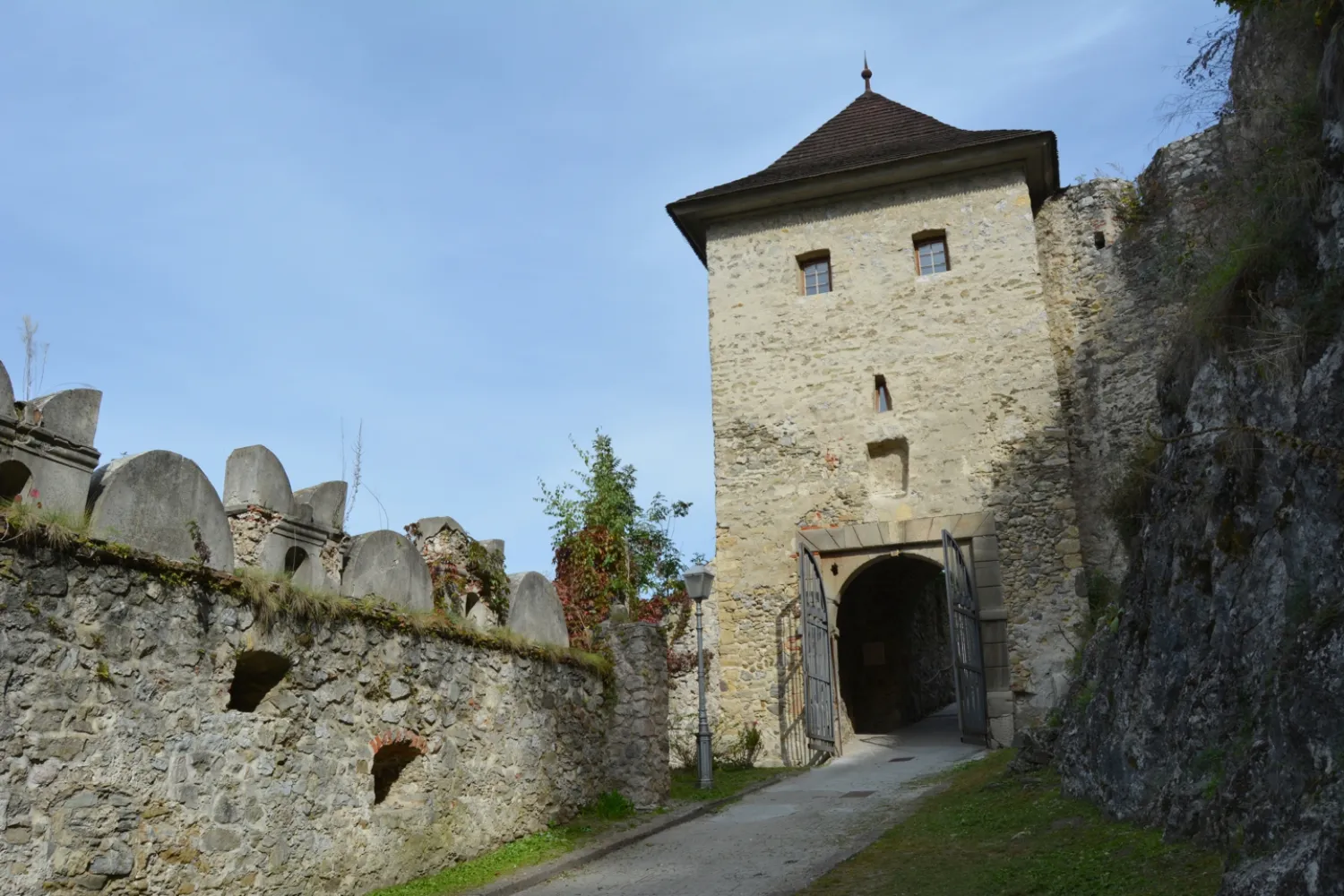
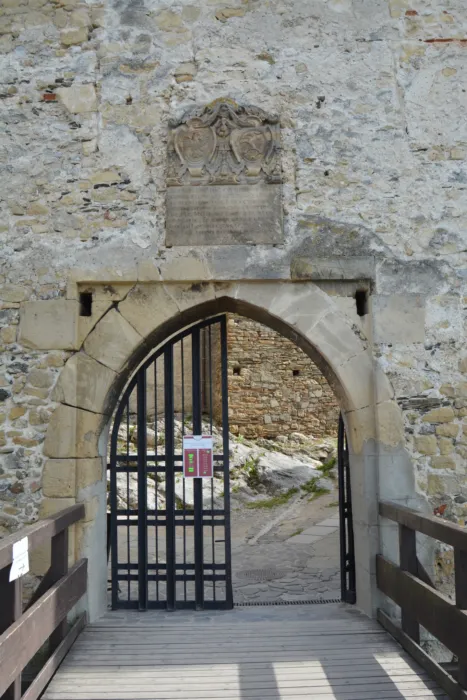
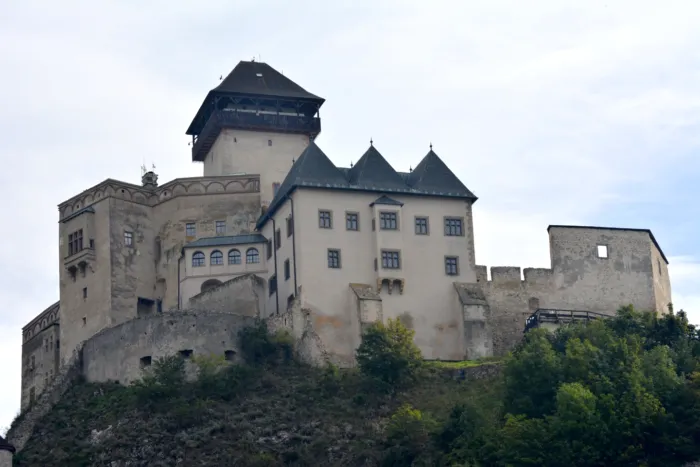
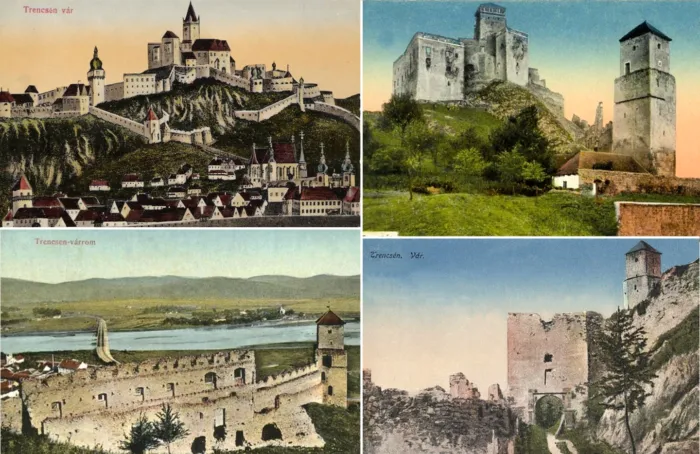
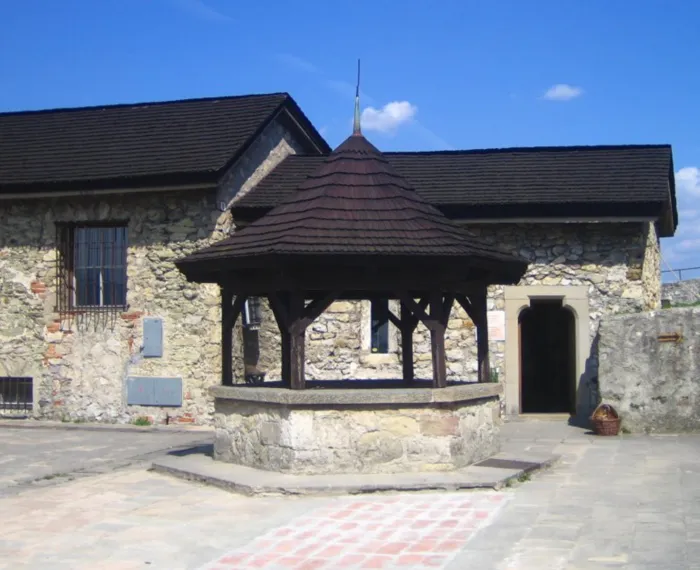
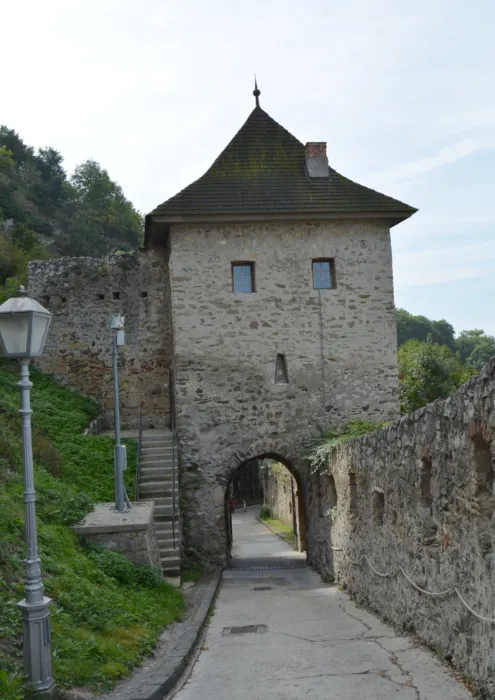
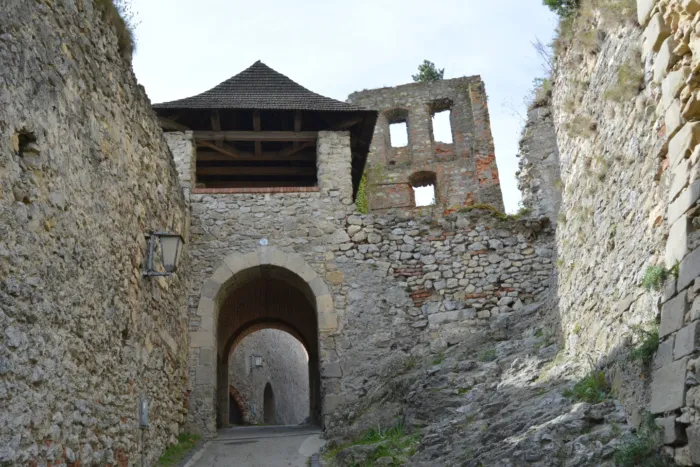
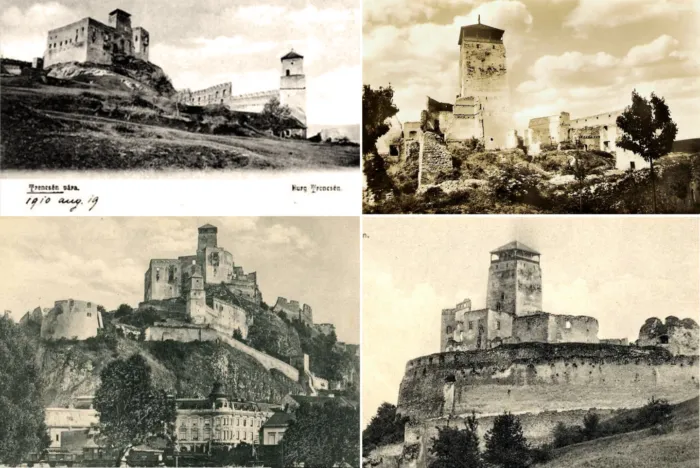
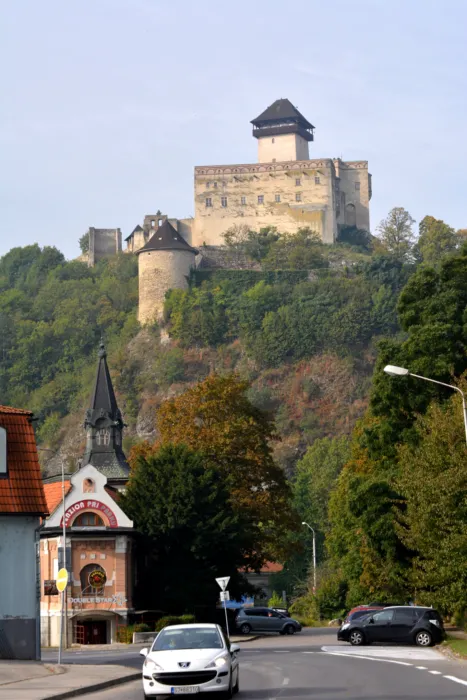
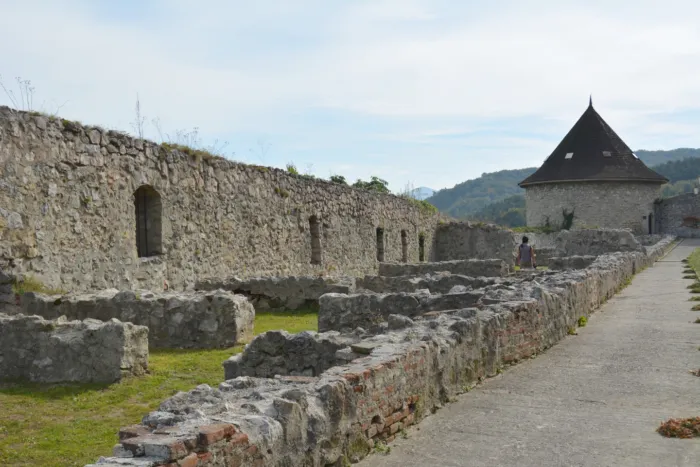
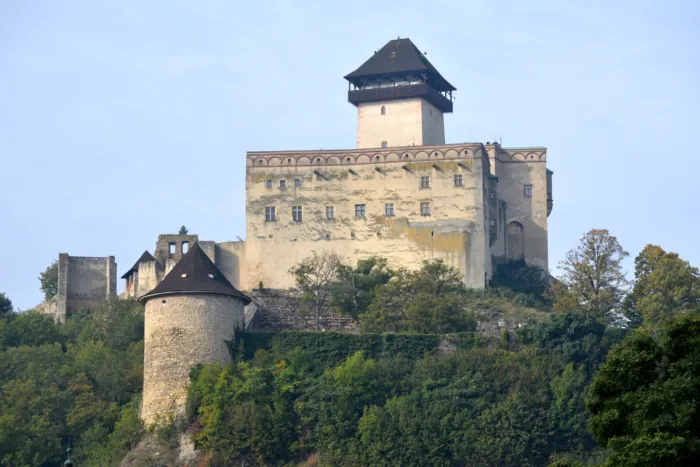
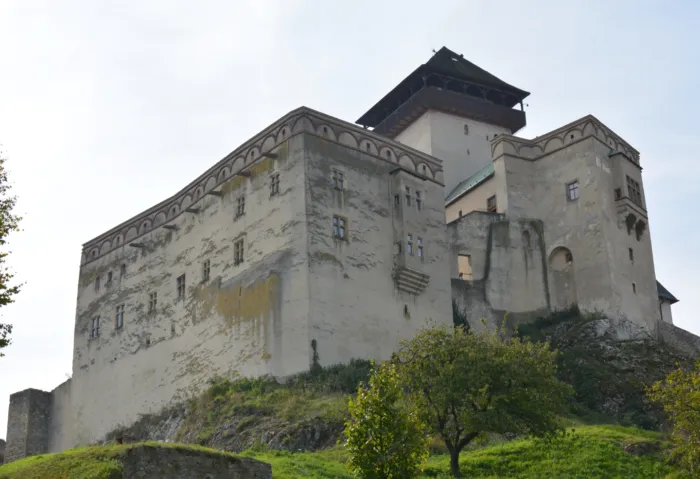
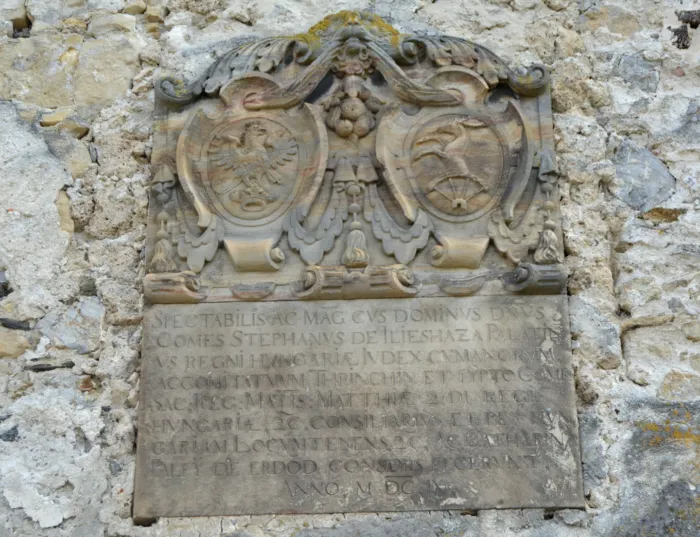
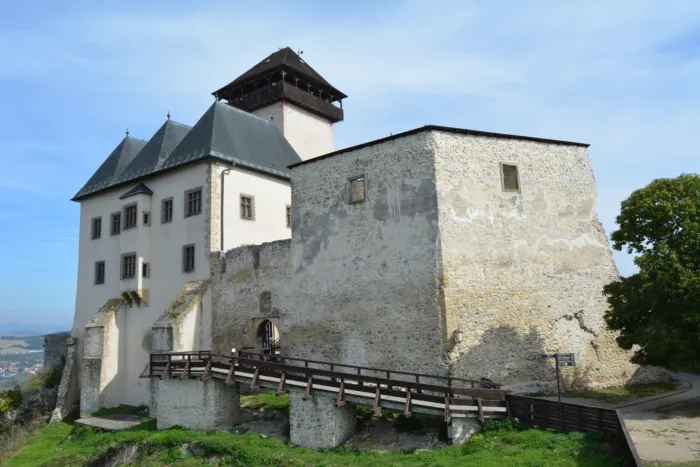
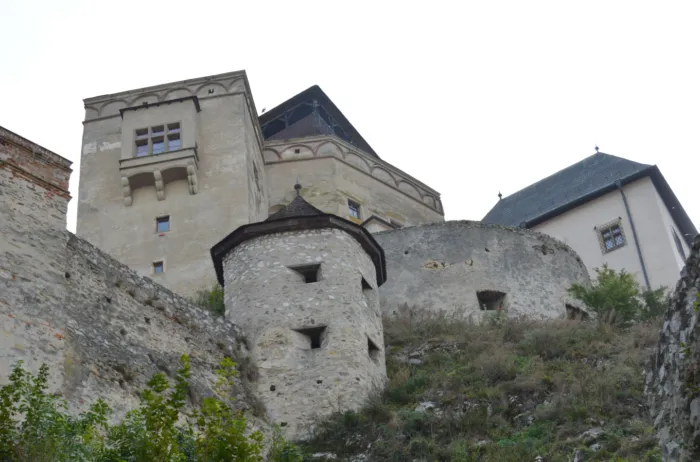
The present-day Trenčín Castle rises above the Váh valley on the limestone cliff of the Castle Hill (Mária Hill) in the heart of the city of Trenčín. The castle, with a fairly large area, is relatively well restored. The castle hill is very steep on three sides, only gentler in the southern part. The castle is a characteristic sight not only of the city of Trenčín, but also of the entire middle Váh. The castle is part of the Trenčín Museum, founded in 1877, which presents the life of the medieval nobility, its furniture, the weapons of that time in the castle in the Borbála Palace, and the prehistoric finds and ethnographic past of the area in the Lajos Palace. A gallery was arranged in the farm building. The earliest information about the construction of a bastion on the castle hill dates back to the 11th century during the time of the Árpáds. The castle resisted the Tatar attack during the reign of Béla IV. After the extinction of the Árpád dynasty, the young king Máté Csák established his seat in Trenčín, where he also built a palace for the castle, and also had the 11th-century bastion significantly expanded and transformed, which was called the Máté bastion. After Máté Csák's death, the castle belonged to Charles Robert from 1321, who held negotiations with the Czech and Polish kings here in 1335. During the reign of Louis the Great, the upper castle was strengthened and the castle palace rebuilt. Louis the Great negotiated here in 1362 with Sigismund of Luxembourg about the marriage of Louis the Great's daughter, Maria Sigismund. Since Sigismund, as the Czech king, came into conflict with the Hussites, he fortified the castle of Trenčín, expecting an attack from Hungary. The Borbála Palace and the castle chapel were built at this time, indicating that Sigismund of Luxembourg had gifted the castle to his wife, Borbála. In 1431, the Hussites unsuccessfully besieged the castle. After the death of Albert of Habsburg, János Giskra settled in the castle, who in 1462 came to an agreement with Matthias Hunyadi, so the castle came back into royal hands. However, Matthias pawned the castle. The pawn was only paid by István Szapolyai in 1477. According to legend, the castle's well was built at this time. After István Szapolyai, his son János became the owner of the castle, but after Ferdinand's coronation, the castle was besieged. On June 30, 1528, the castle guard surrendered the castle to the imperial general Katzianer. During the siege, the castle was significantly damaged, and its repairs were carried out by the Illésházy family, who became the hereditary ispans of Trenčín County from 1586. The Turks set fire to Trenčín, but they did not attempt to besiege the castle. During the Rákóczy Uprising, Trenčín was under the control of Kuruc between 1704 and 1708, but the Kuruc lost it on August 3, 1708, after a battle that ended in a heavy defeat. On June 11, 1790, the castle burned down, after which it began to deteriorate, and its furnishings were removed by the Illésházy family (many pieces are now owned by the nearby Trenčín Museum). At the end of the 19th century, the castle was conserved to prevent further deterioration. In 1905, the ruins were acquired by the city of Trenčín, and after the First World War, the Czechoslovak Tourist Association managed them. The castle has been a category 1 monument since 1952, so renovations are ongoing. It owes its current good condition to this. The Trenčín Museum's gallery and weapons exhibition are located within the walls of the castle, which is considered one of the most famous monuments in Slovakia, and medieval castle games are held here in the summer.