
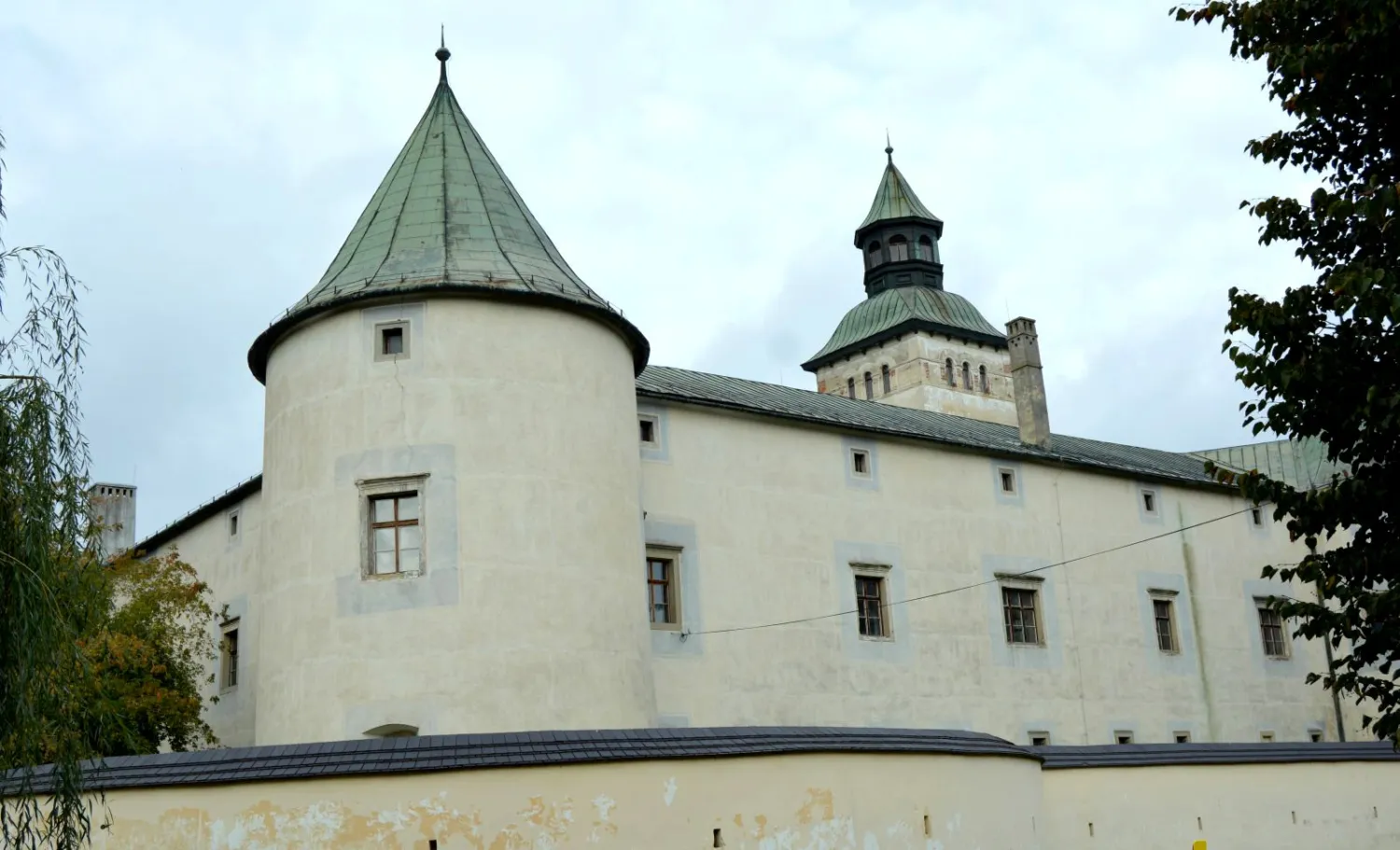
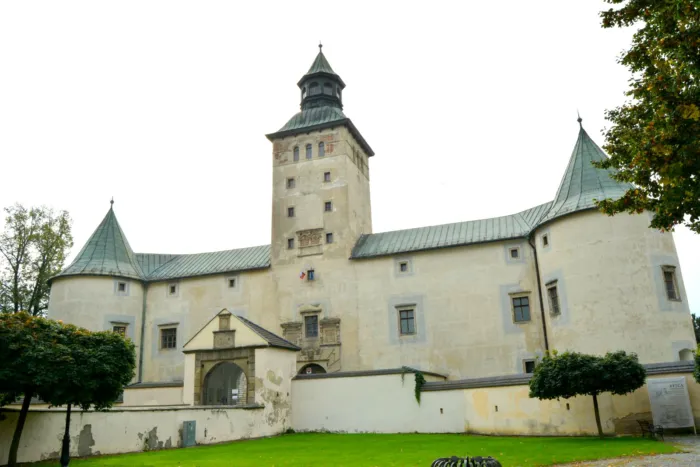
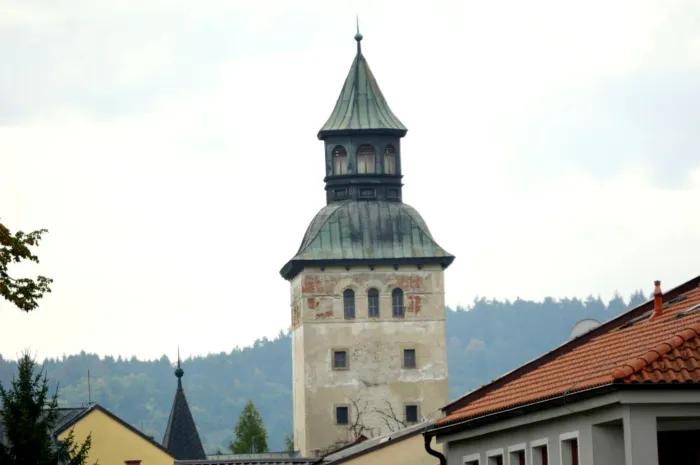
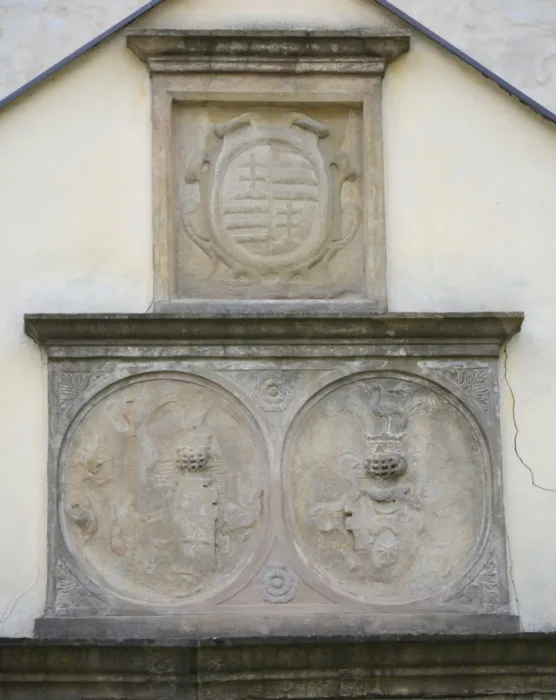
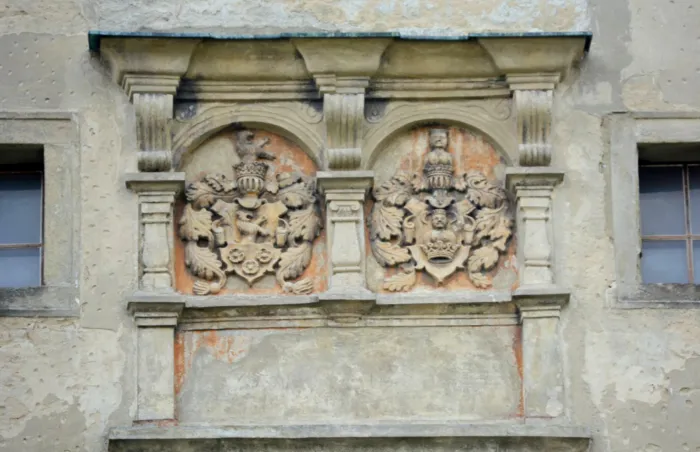
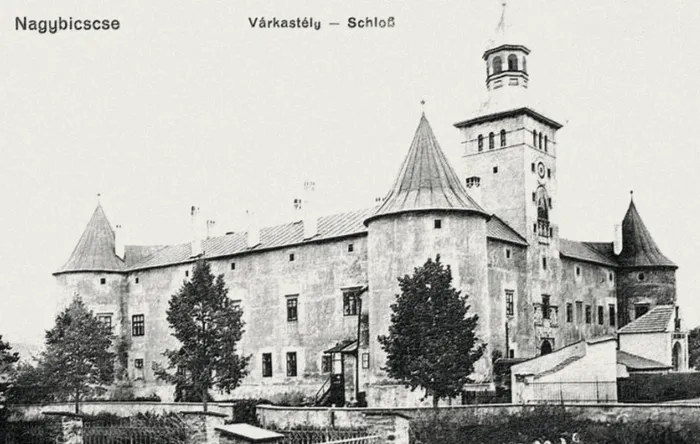
Thurzó Castle in Nagybiccse
Building, structure
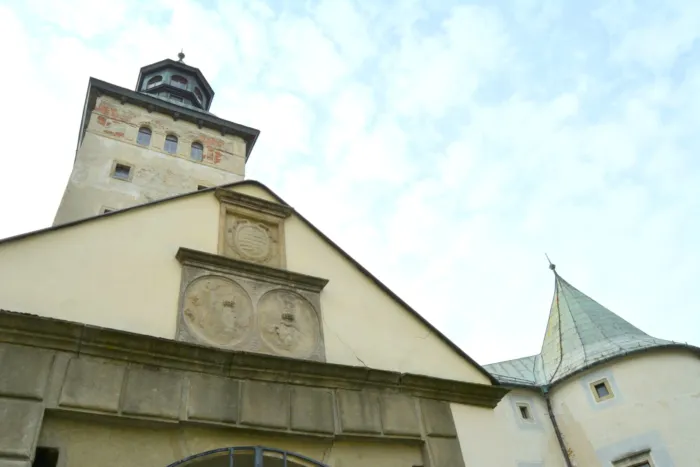
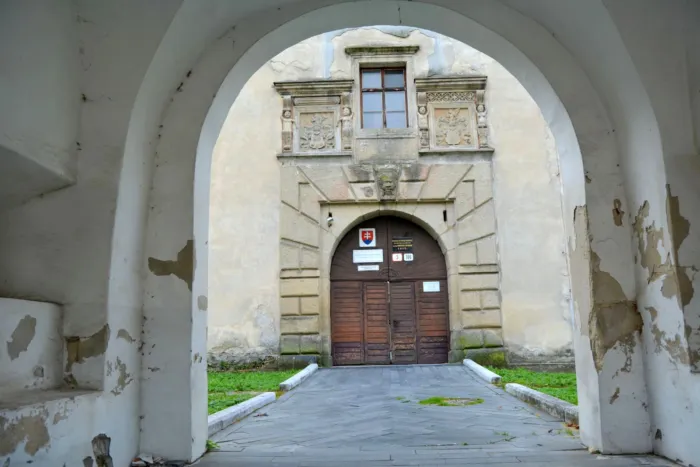
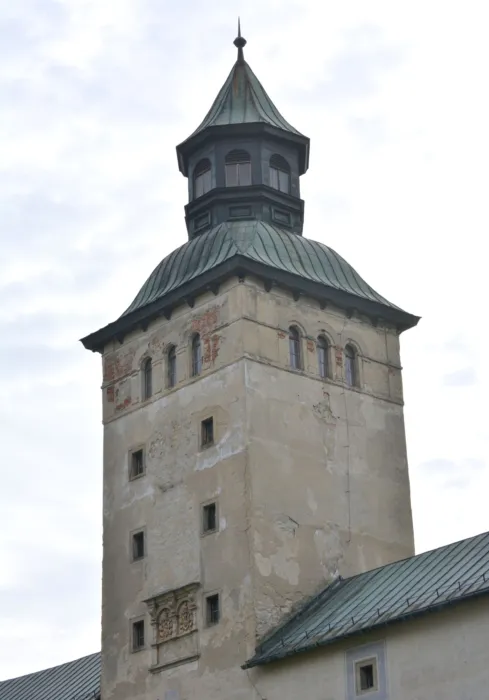
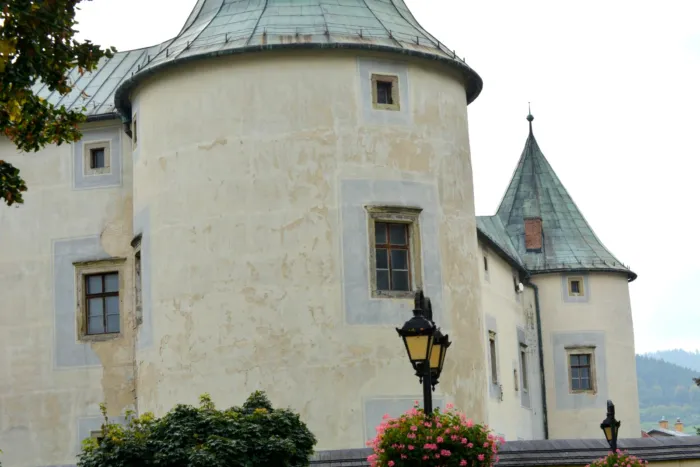
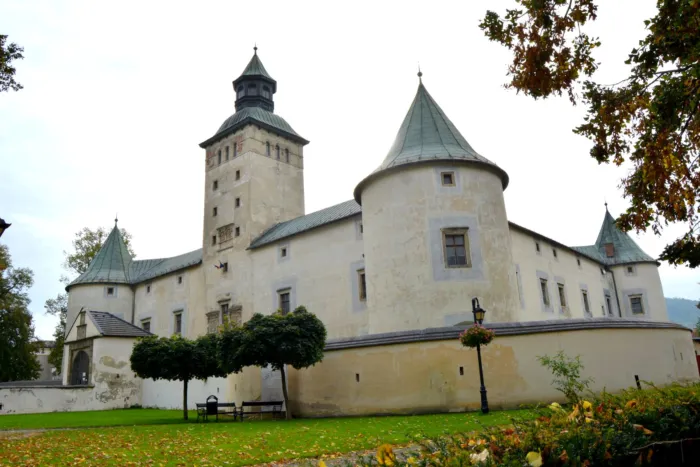
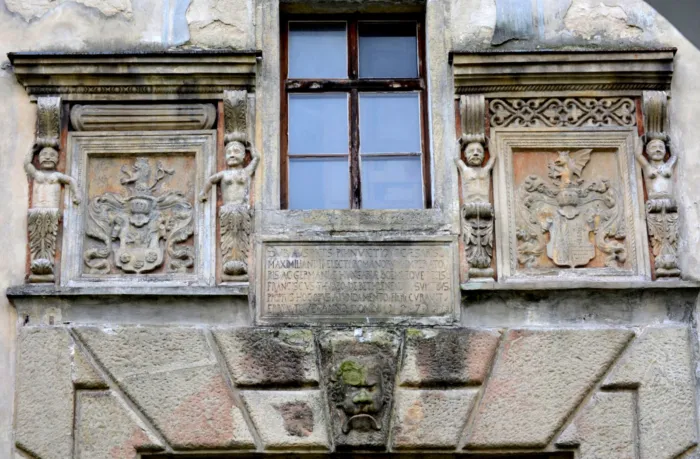
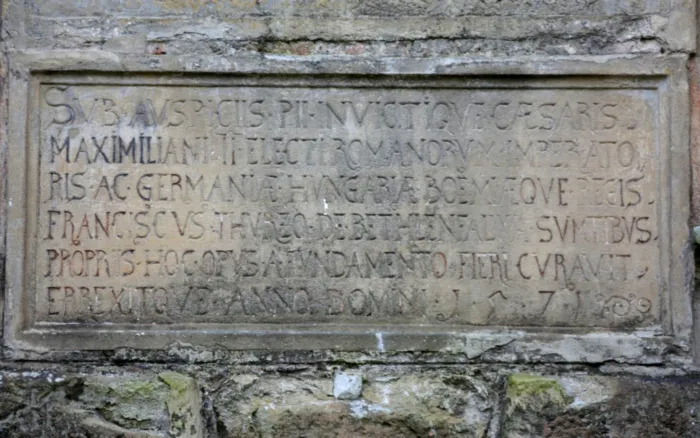
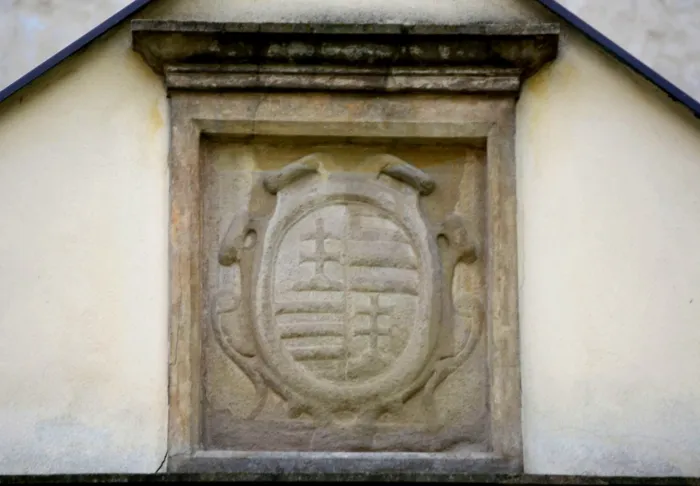
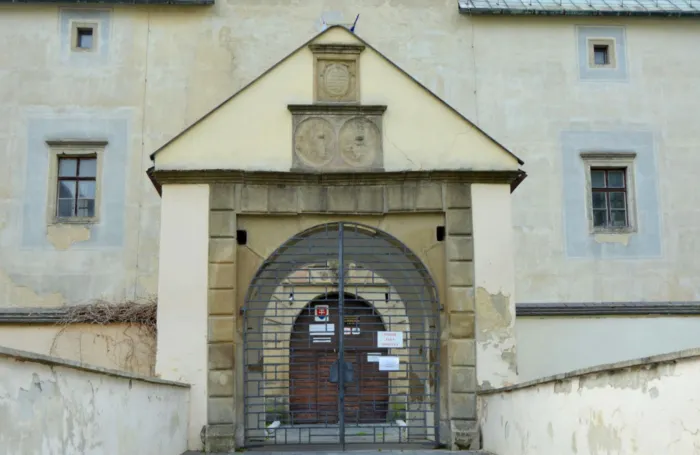
Nagybiccse lies in the Váh Valley in the northwestern part of the Highlands. In the 16th century, the manor house owned by the Imreffy and Kosztka families was destroyed in 1547. The confusing ownership relations were clarified when Ferenc Thurzó, from the most important patronage family of the Highlands at that time, bought the estate in 1563. The nearby Žsolnalitva and more distant Orva castles served as inaccessible, well-defendable mountain castles, so the beautiful Biccse in the flatlands could have been the scene of the family's peaceful representation. The remains of the former water castle were integrated into the western wing of the new building, and thus the square-shaped castle with three-story wings, reinforced with round bastions at the corners, was created. ; The highest tower rose above the gate, placed in the main axis and accessible by two drawbridges above the moat, which further enriches the movement of the high-pitched roof shapes and results in the monumental overall effect of the entire building. ; The inscription above the gate proudly proclaims that the castle was built from its foundations in 1571 at the expense of Ferenc Thurzó. Inside the building, a courtyard with a rectangular floor plan was created, pierced with semicircular arcades resting on pillars at the bottom and columns on the upper floor, the walls of which are decorated with later murals depicting Hungarian and foreign heroes. It is interesting that the arcades are separated from each other by distinct vertical pilasters running along the entire length, thus dividing the facade into sections. All four sides of the chimneys protruding from the courtyard roof surface were decorated with figurative reliefs and coats of arms. In contrast to the fortress-like character of the exterior, the courtyard has a serene, openwork character. The year 1574 above the entrance to the palace wing may indicate the completion of the construction. Ferenc Thurzó, who died in the Árva Castle shortly after this († 1576), was no longer there, but only his widow, Katalin Zrínyi (daughter of Miklós Zrínyi, the captain of Szigetvár) and her children were able to move into the newly completed, huge building, which is the earliest domestic monument of round-bastioned castles. Its architect was a Milanese master working in German territory, Kiliano Syröth de Mediolano. The castle building was rebuilt by Andreas Pocabello between 1603-1612 on the orders of György Thurzó, also repairing the damage caused by the Turkish-Hajdú attack in 1605.