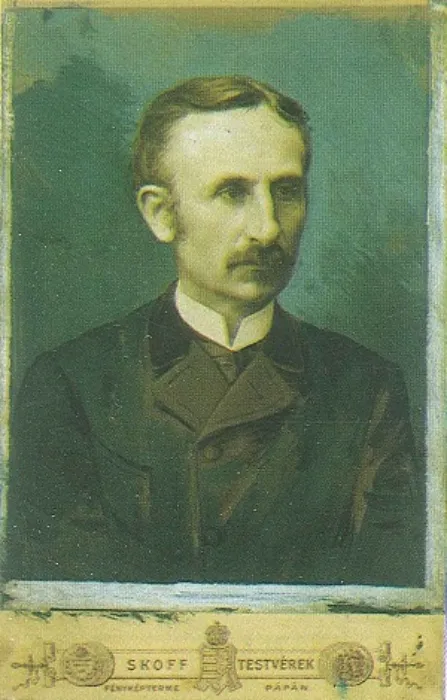
Lajos Tarczy
Intellectual heritage
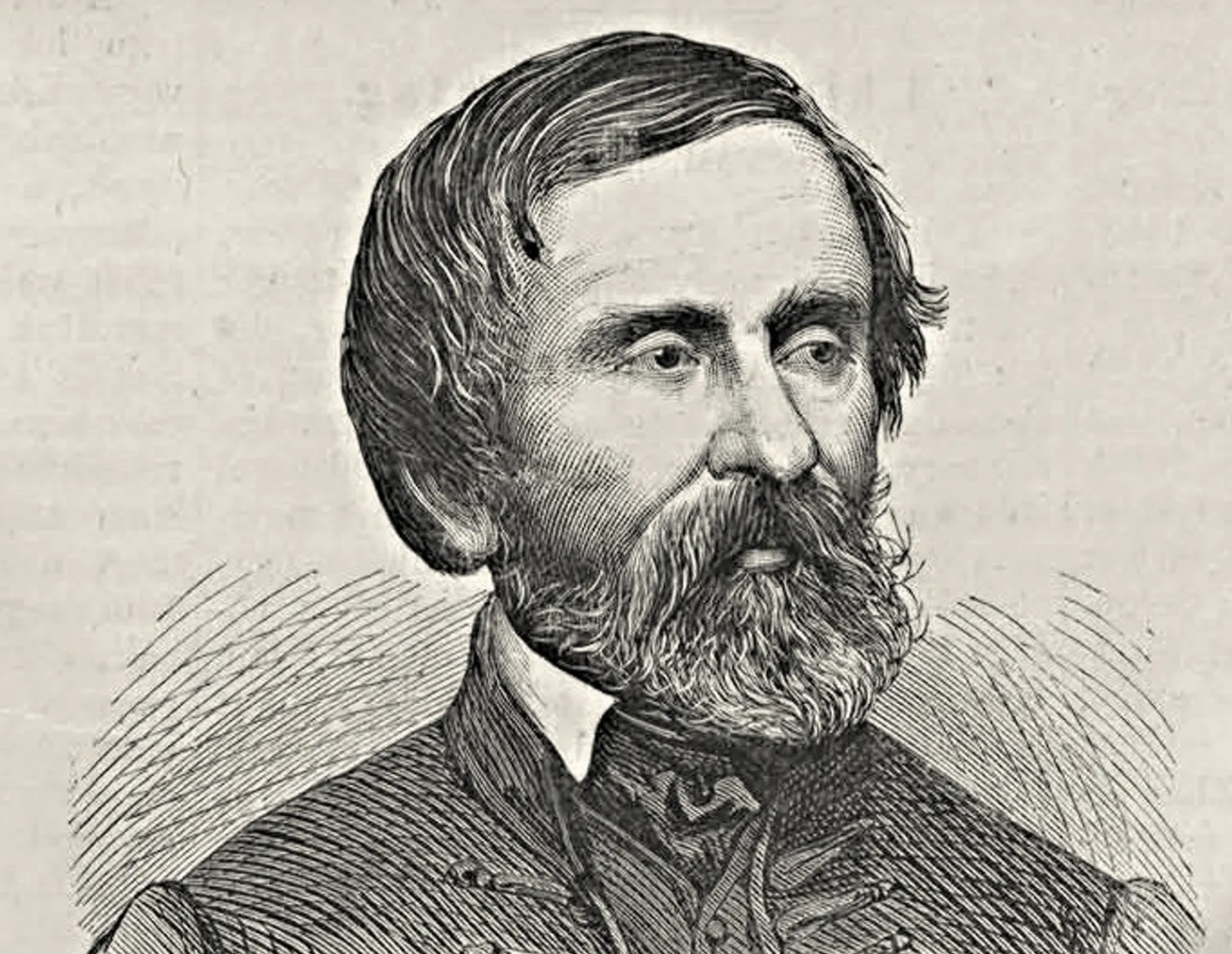
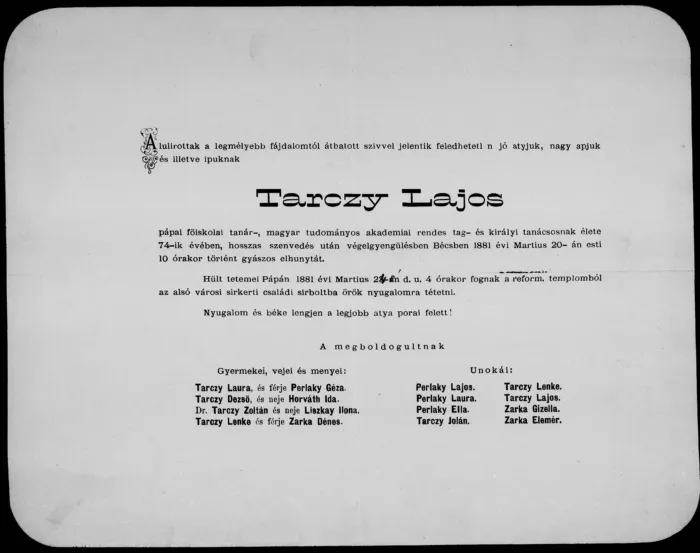
* Hetény, December 6, 1807 – † Vienna, March 20, 1881 / philosopher, natural scientist, member of the Hungarian Academy of Sciences ; ; He completed his elementary school studies in his native village under the guidance of pastor Péter Kovács, and attended high school in Komárom. He studied theology and philosophy at the papal ref. college, and even taught mathematics as an assistant teacher in the 1829/30 academic year. The school sent him to the University of Vienna in 1831, where he delved into physics and mathematics. Meanwhile, István Márton (1760–1831), the promoter of the Papal College and the first to teach philosophy in Hungarian in Hungary, died. Tarczy was invited to fill his vacant position. However, he first spent two semesters in Berlin to learn about the results of the English chemist Humphrey Davy (1778–1829) on electrolysis, and then visited the universities of Göttingen, Marburg and Würzburg. He arrived in Pápá in August 1833 and began teaching. He tried to introduce reforms and based philosophy education on the teachings of Hegel (1770–1831). This earned the disapproval of the Marad teaching staff, and from 1839 he was no longer allowed to teach his favorite subject, philosophy. Instead, he taught mathematics, physics, natural history, chemistry, geology and economics for 48 years, until his death. During this time, he taught many outstanding people who later became important public figures (Mór Jókai, Sándor Petőfi, Soma Orlay Petrich, etc.). In 1837, he founded a printing press at the college. In 1841, he established the Self-Education Society, which over time played an important role in Pápa's intellectual life. With his textbooks written in Hungarian, he played an important role in the development of the Hungarian technical language and became a defining figure in the education of the time. He served as a military officer in the Hungarian War of Independence of 1848/49, and after its defeat, he devoted his time exclusively to teaching and science. The Hungarian Academy of Sciences elected him a corresponding member in 1838 and a full member in 1840. ; ; His main works: ; Popular Sky Drawing, 1838, ; Natural science, combined with applied mathematics, worked as a manual for public teaching as well as for private study according to the present stage of progress. Five plates with drawings I–II., 1838, ; Paradigms of German grammar, 1838, ; Elements of natural science, 1839, ; Elements of pure geometry, 1841, ; Popular natural science. For farmers, craftsmen and school teachers who love to learn and with special regard to the superstitions prevailing among the people, 1843, ; The influence of drama and the poverty of our literature in drama, 1843, ; Elements of natural science, 1844, ; Geology, 1844, Economic mechanics, 1844.