
Church of the Assumption of the Virgin Mary
Building, structure
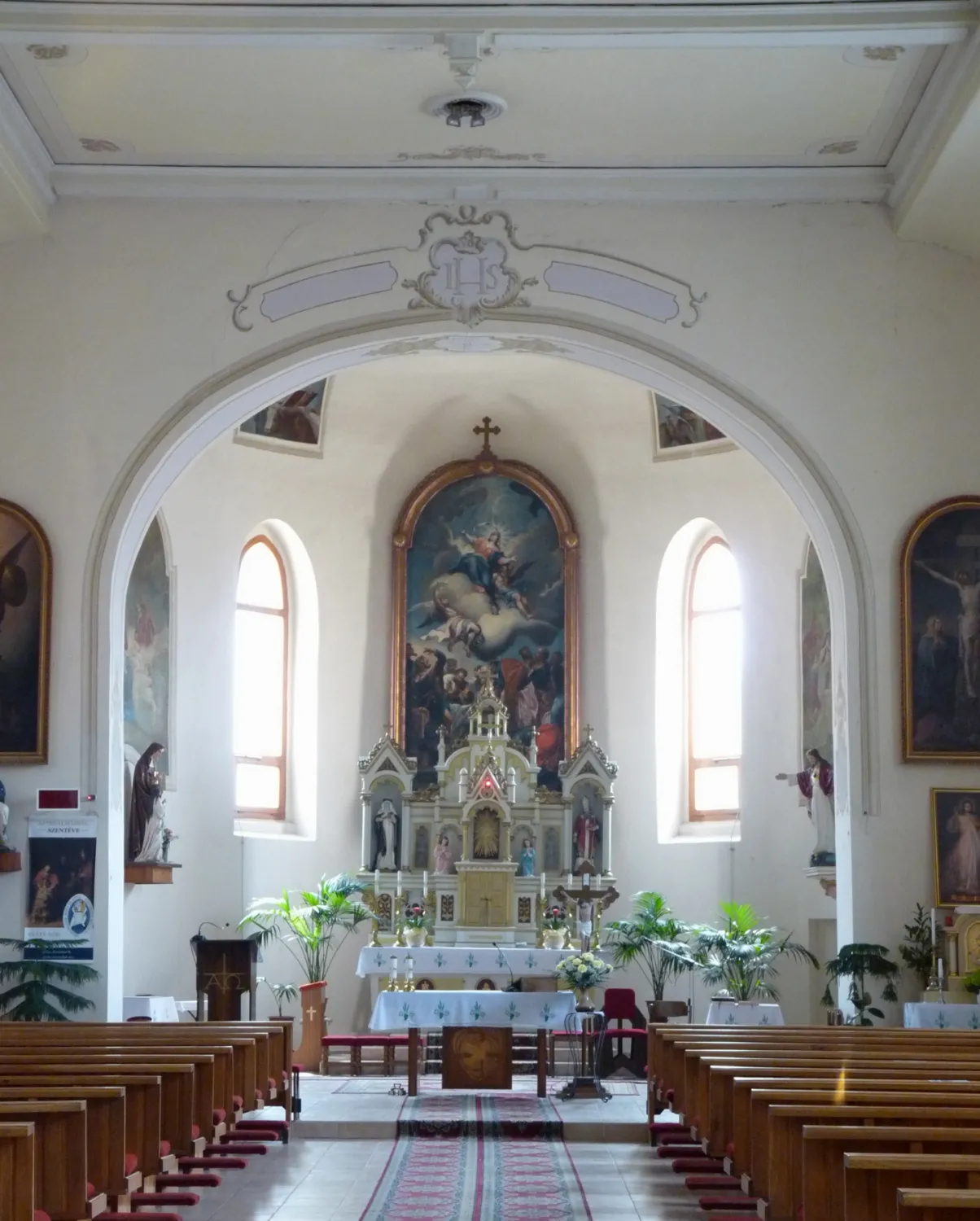
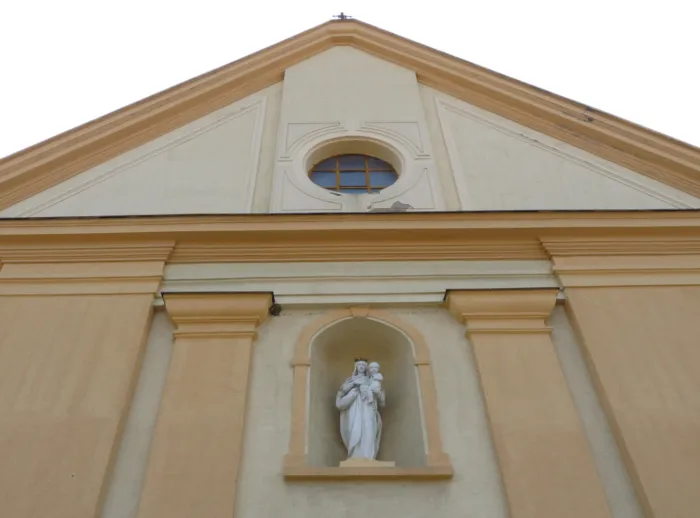
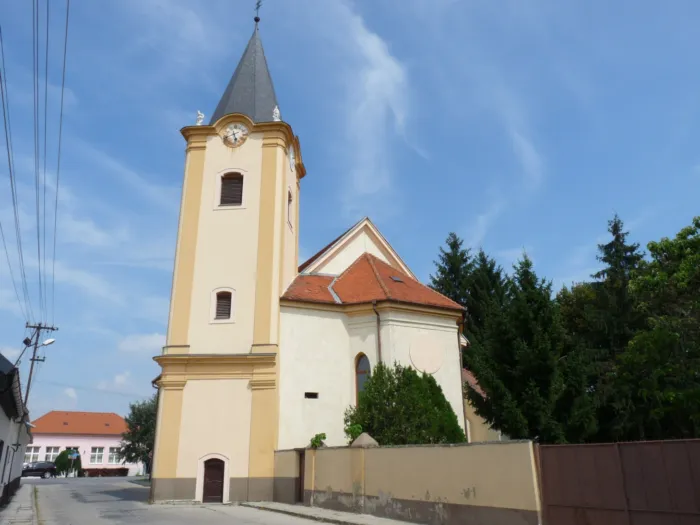
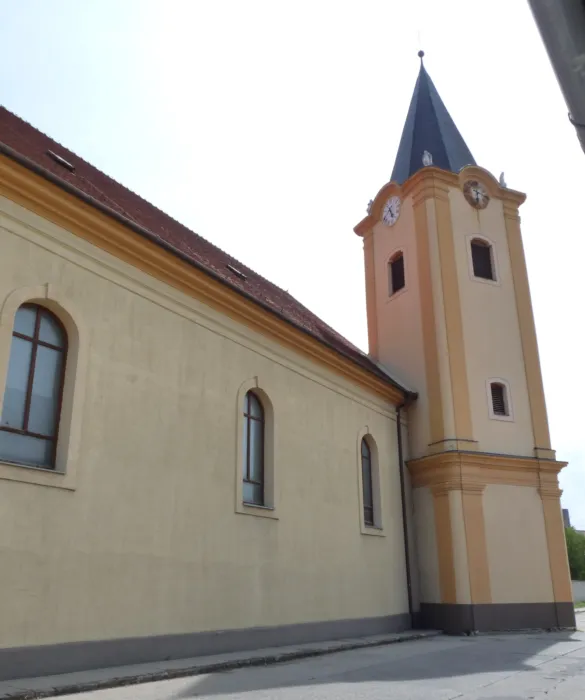
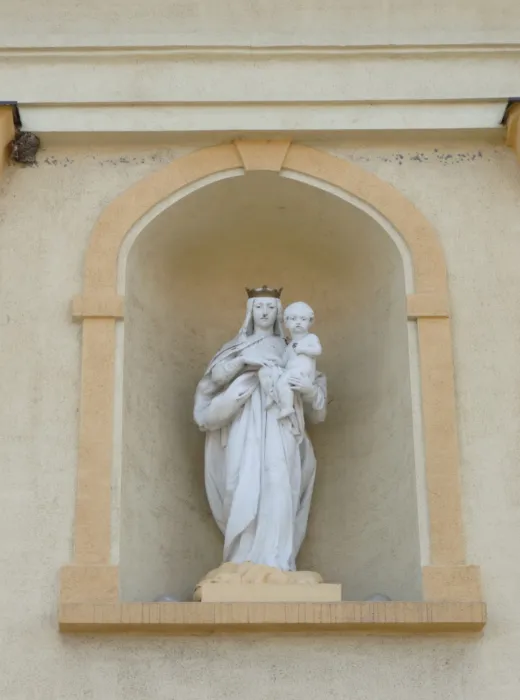
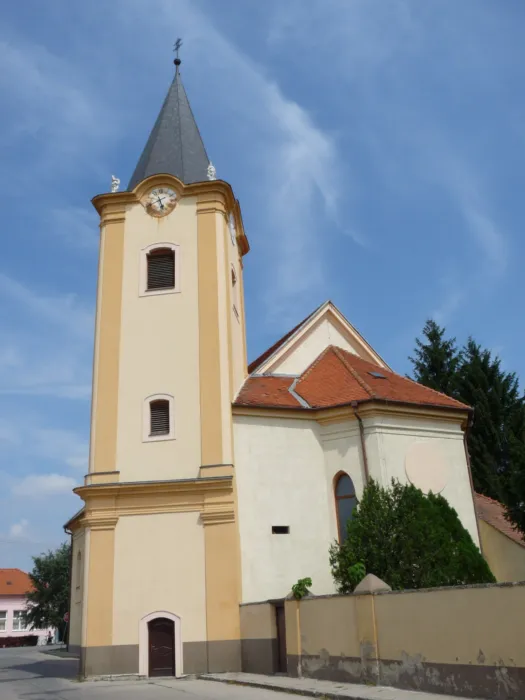
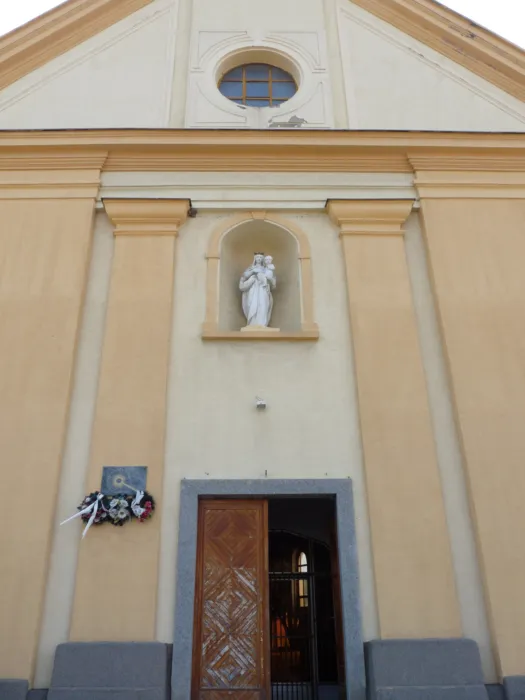
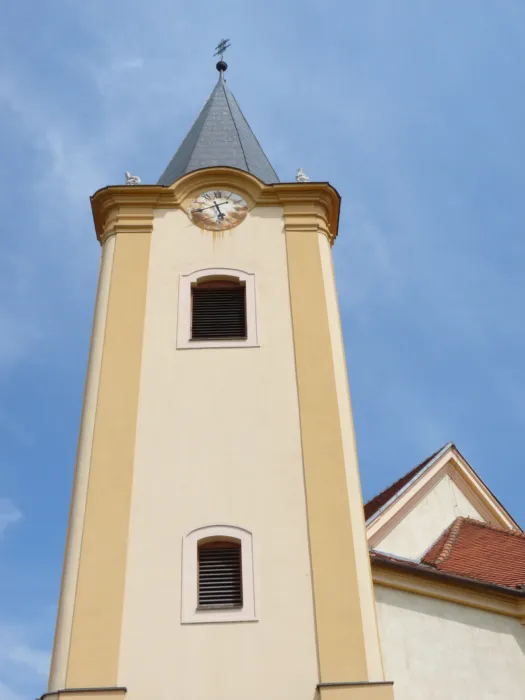
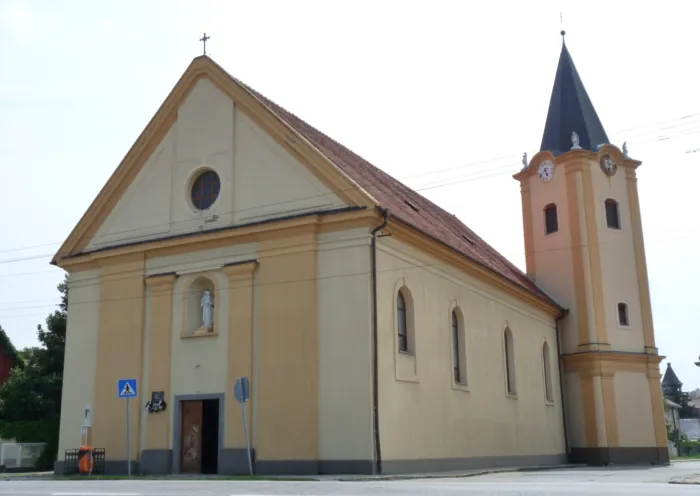
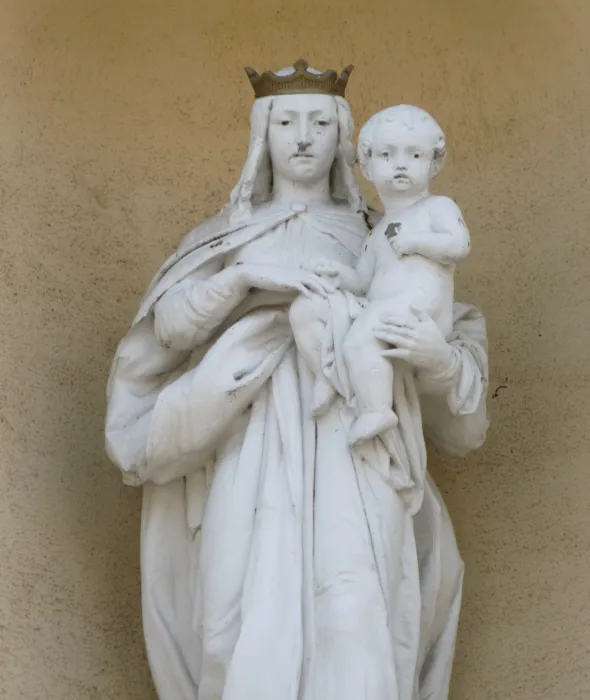
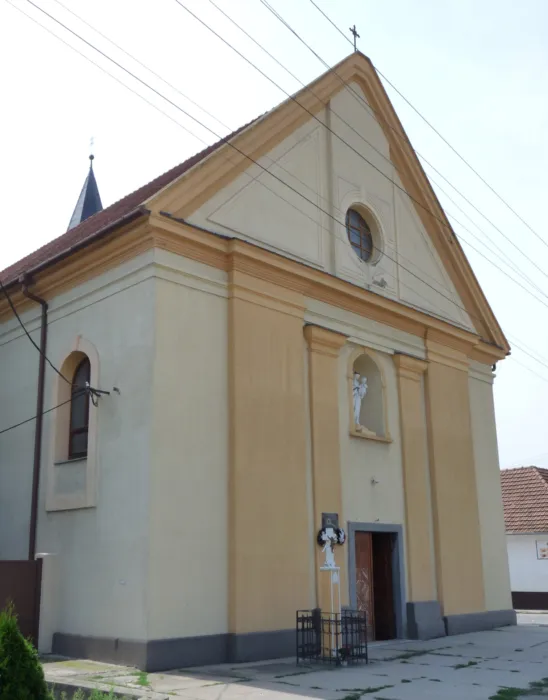
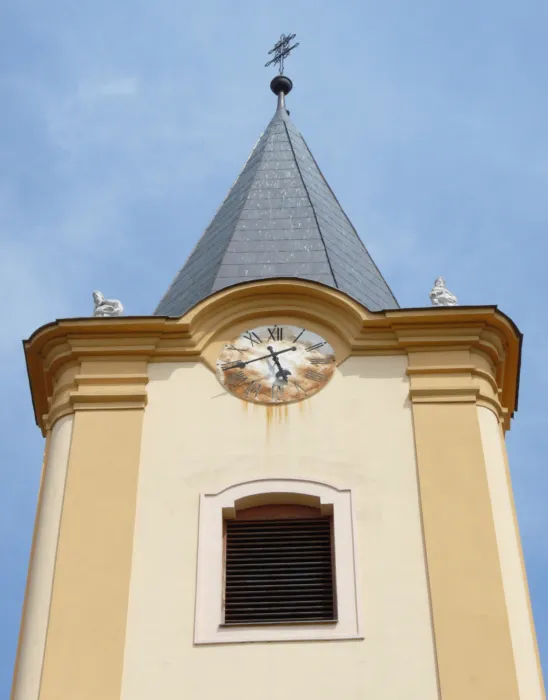
Diószeg was first mentioned in documents in 1252 in the charter of Béla IV, but archaeological finds prove that it was a quadrangular settlement between the 1st and 4th centuries. Its church developed together with the spread of Christianity, and its population was not spared the cruel development of history. The parish priest of the church named Pál is first mentioned in documents in 1332-1337. The document from the Esztergom period mentions the church in Kismácséd as a branch church of the church in Diószeg. So the church in Diószeg was already fulfilling the role of the parish church around this time. The Church of the Virgin Mary at that time was destroyed by the Turks. In 1633, the people of Diószeg, whose population had decreased but remained faithful to their faith, built the current church. They built their church for almost 60 years. Only the tower part of the original church remained, the church was oriented east-west. The added part was adapted to the street, to the direction of the main road. That is why the church building has such an interesting shape. The Nagydiószeg parish has always had two churches since time immemorial. Nagydiószeg was the mother church, the mater, and the Kismácséd daughter church, filia, belonged to the mother church, as well as Ujhely puszta and Gyarmat villages, today's Kisdiószeg. Újhely puszta and Kisdiószeg did not have a church. ; The church's past ; In his Canonica Visitatio written on February 2, 1695, the canon of Esztergom István Illyés notes that the village of Diószeg has had a new church for more than sixty years. The first church in the village was probably built by the Poor Clare nuns. The nuns had a monastery in the village, and the parish church was also the church of the monastery. This church was destroyed either by the ravages of war or by fire. After the dissolution of the Poor Clares, the village passed into the ownership of the religious foundation, and the religious foundation built the church in 1786. (…) Only the tower remains from the Poor Clares church. The tower was built around 1620. The old church, along with the current position of the tower, suggests that it was built in an east-west direction. The nave of the church built by the religious foundation in 1786 was built in a southeast-northwest direction and the church tower was built next to the sanctuary. ; Interior of the church ; The walls of the church are made of burnt brick, and its ceiling was beamed. In 1897, the patron, Count József Zichy, removed these beams and had the ceiling made smooth. The patron's coat of arms stood on the wall above the sanctuary in the nave. In 1926, during the painting, the coat of arms was removed and in its place was painted the inscription "My house is a house of prayer." The floor of the church in the sanctuary is covered with rectangular marble slabs. The floor of the nave from the sanctuary to the pews and between the two pews to the main entrance is also covered with rectangular marble slabs, and the floor is covered with concrete on both sides and from the end of the pews to the back wall of the church. Equipment The altar of the cross, also made of wood, stood on the side of the altar. This altar is called the Sacred Heart of Jesus Altar by the faithful after the statue of the Heart of Jesus placed on it. The holy tomb is placed at the bottom of the Sacred Heart of Jesus Altar. The entire altar and the holy tomb were repaired and repainted by the local consumer cooperative in 1926 when the church was painted. The church has had three altars since ancient times, as the oldest Canonica Visitatios prove. The high altar, the church In the nave, parallel to the sanctuary, are the two side altars. The main altar was made of wood in 1908, commissioned by Miklós Nagy and his wife, Piroska Kovács. On the gospel side is the altar of St. Michael the Archangel. The faithful call it the Mary Altar after the statue of Mary placed on it. This altar is also made of wood. The altar-like platform of the Holy Reading Society, which was commissioned by the Reading Society, is also located here. The wooden pulpit is also located here. At the back, behind the rows of benches, on two sides, facing each other, are the wooden confessionals. At the entrance, on both sides, are the holy water basins carved from stone. In addition to the main altar, the sanctuary has the Stations of the Cross and two hardwood benches. Various statues stand on small shelves on the walls of the church. On the lesson side, the Virgin Mary stands on an altar-like platform statue, which was donated to the church by Szilveszter Varjú and his wife. The benches are arranged in two rows in the nave. There are 12 benches made of hardwood in each column. The first six benches on both sides are decorated with beautiful carvings. The other benches are uncarved and are probably of a more recent date. Lighting In the past, the church was lit with candles during evening services. In 1922, the patron, the sugar factory, had electricity installed, and the church thus received better lighting in the evenings. The sugar factory provided the electricity needed to light the church to both the church and the parish free of charge. On January 24, 1936, the dean and parish priest Ferenc Rehanek had four large spherical lamps installed in the nave. The copper chandelier hanging in the middle of the church, which had previously burned candles, was converted to electric candles. A new lamp, the and he had 2 spotlights installed in the sanctuary. The organ is located in the choir. ; Church flags and banners ; According to the oldest Canonica Visitatio, 12 flags were placed in the church of Diószeg. This custom has not weakened over the decades, but has actually strengthened. In 1937, 15 flags were already installed on the sides of the church benches, and the church really looks like a forest of flags. ; The tower ; The church tower is on the right side of the sanctuary. It is clearly visible that the church is built to the tower here. The tower is much older than the church. It can also be precisely stated that the previous church did not stand like the current one. The tower was probably the tower of the first church, its origin is estimated to be around 1620. Its style is completely different from the style of the church. The tower It is rectangular in shape and about 20-24 meters high. The top of the tower ends in a peak. A double cross made of wrought iron is drawn at the end of the peak. Four large statues carved from stone can be seen on the upper ledge of the tower. ; Bells ; The church in Diószeg had four bells cast from bronze. In 1917, the political authorities had three bells dismantled. The dismantled bells were thrown from the tower window onto the road, where they broke into pieces. However, the largest bell remained. The faithful in the village call this bell the "old bell". After the World War, when life returned to normal, the faithful of Diószeg acquired three new bells in 1923 from donations and collections instead of the three requisitioned bells. On the side of the smallest bell is an image of Saint Joseph of Jesus. Its weight is about 25 kg. This is called the "soul bell" because it is the bell used to ring for the dying.