
Church of the Visitation of the Virgin Mary (Our Lady of the Cross) in Nagycetény
Building, structure
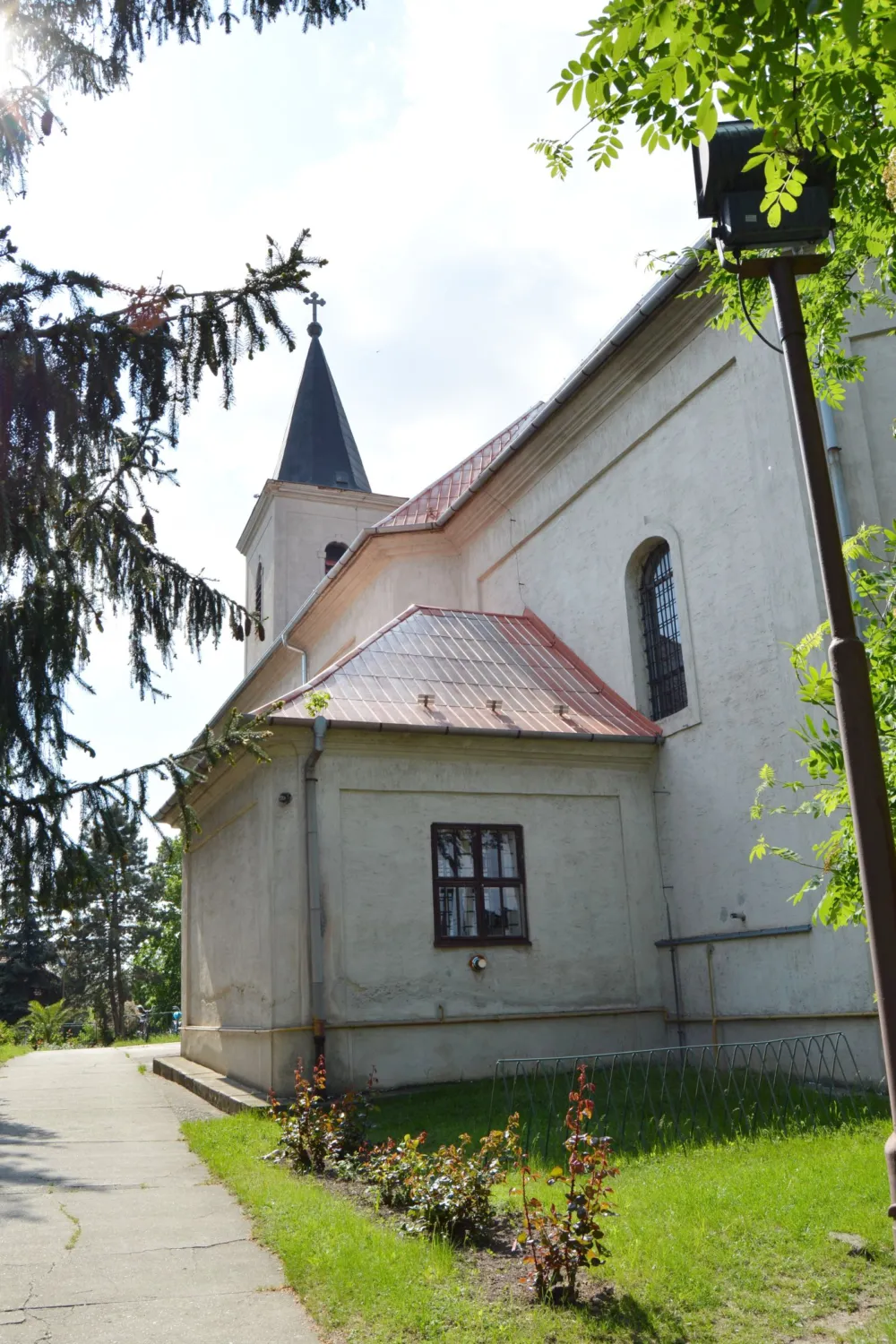
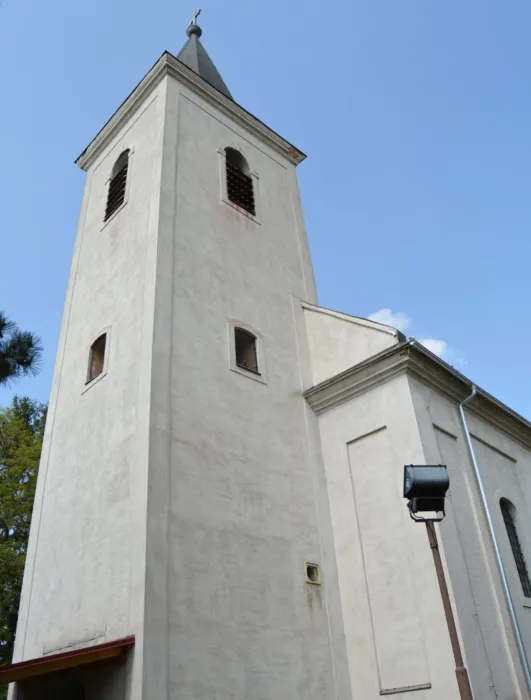
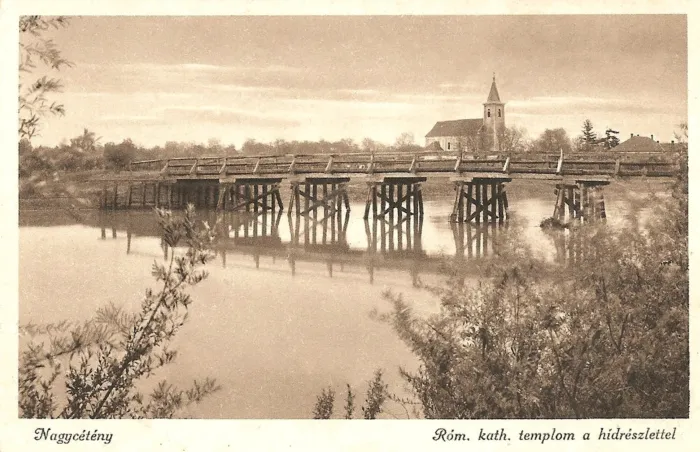
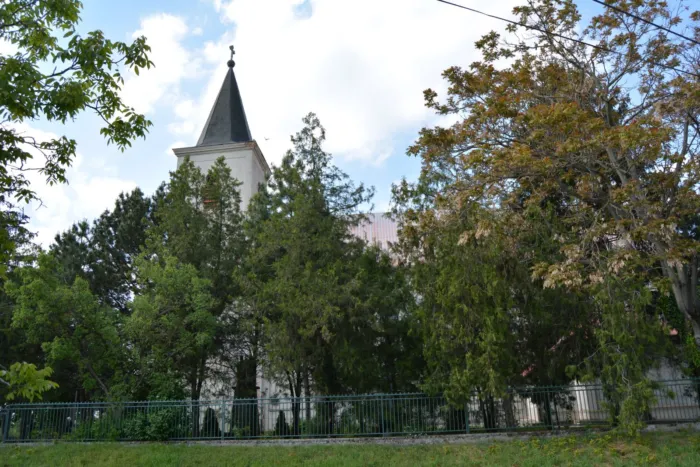
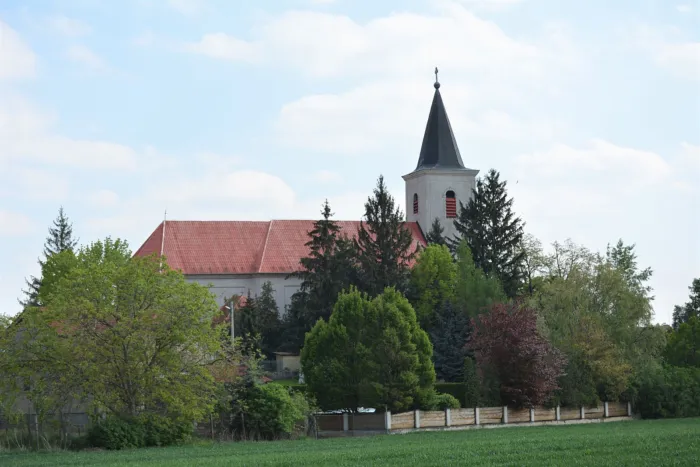
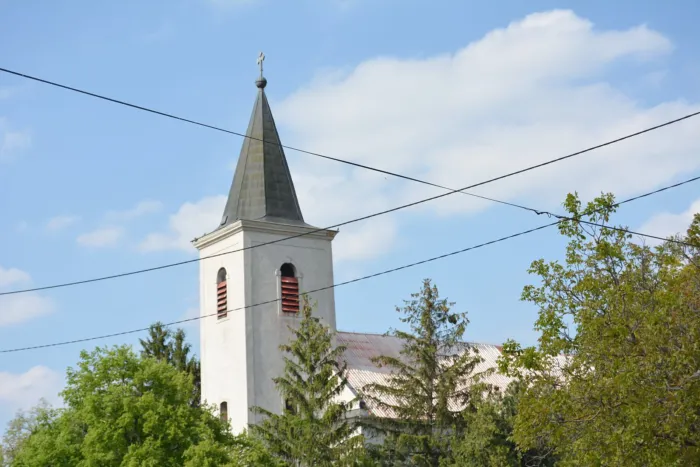
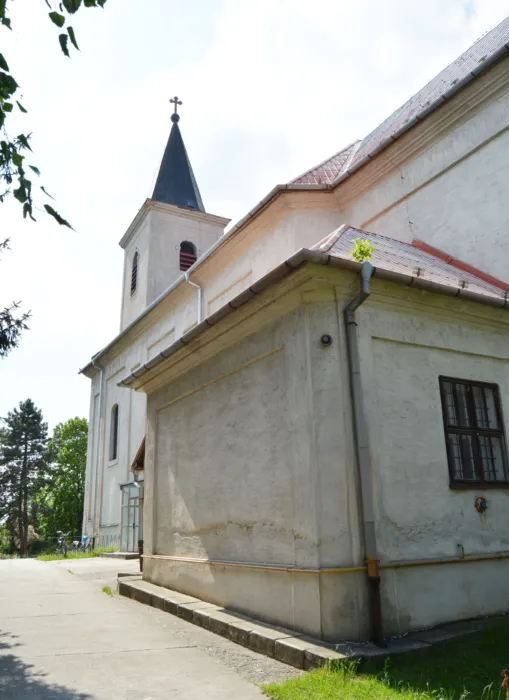
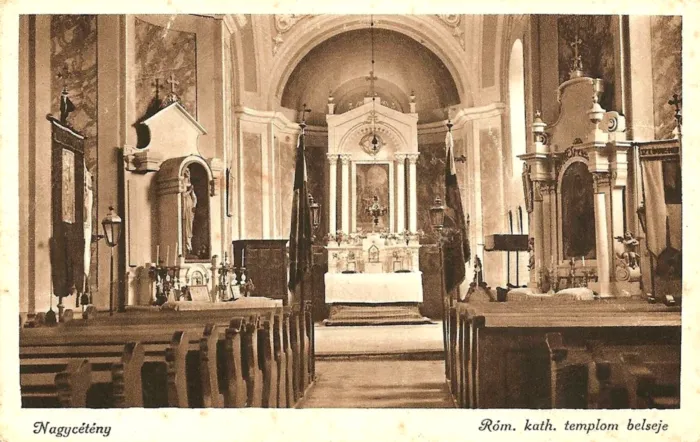
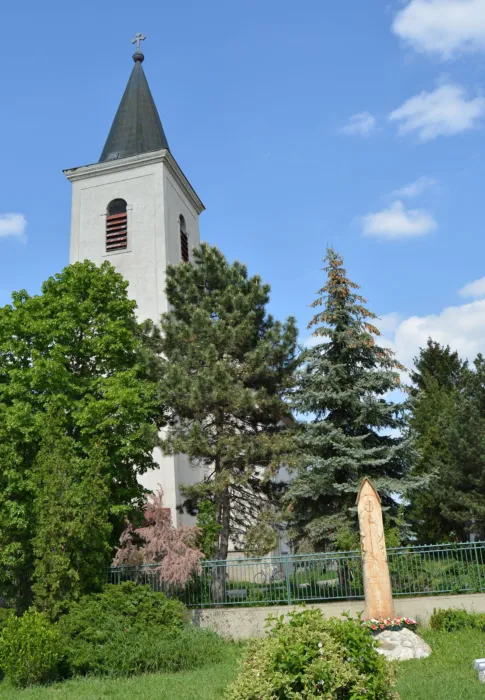
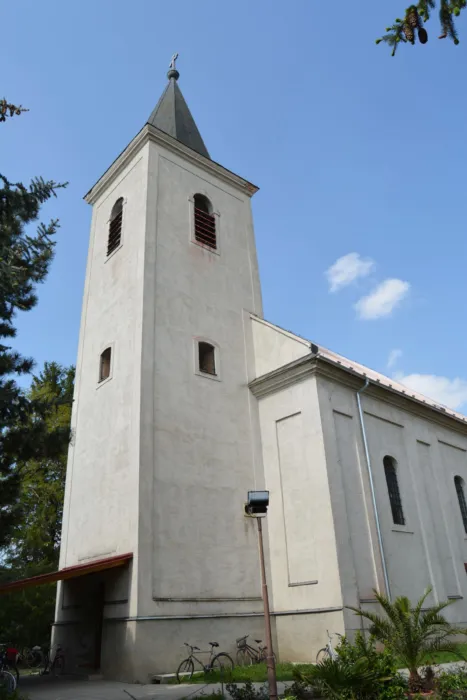
The earliest memory of the village is the Roman Catholic Church of the Assumption of the Blessed Virgin Mary in Sarlós, built in Gothic style in 1304. During the canonical visitation of 1755, attended by Count Antal Révay, Bishop of Esztergom, Canons, and the local priest, László Konkoly, it is mentioned that the church was built during the activities of Archbishop Dominican. However, according to some data, it may have been built earlier. The parish and the local priest are already mentioned in earlier data, in 1285, and in the crypt of the church, older residents saw a foundation stone marked with the year 1007. That is, from the time when King St. Stephen ordered that a church be built in every tenth settlement. However, no written evidence has survived for these assumptions. The hill on which the church was built was artificially shaped by the local population. The church was destroyed three times by the Turks around 1560. In the canonical visitation of 1630, it is mentioned that the church is indeed old. In 1634, the local priest fled the village due to the persecution of the Turks. The destroyed church, which originally bore the name of Saint John the Baptist, was renovated, rebuilt and consecrated in honor of the Blessed Virgin Mary of Sarlós in 1692. In 1712, a violent storm swept away the roof of the church tower. In 1776, the building was renovated and expanded during the time of József Batthyány, Archbishop of Esztergom. Classicist architectural elements were used during the reconstruction. The last repair of the church took place in 1990. ; A single-nave building, the sanctuary has a semicircular (polygonal from the outside) closure, with an attached sacristy, oratory and a projecting tower. The facade of the church is divided by wall frames and semicircular windows. The top of the tower ends in a dome. Inside the church, a Prussian barrel vault can be seen with inter-vault belts, which sit on the pillars with cornice capitals. The entrance area is covered with a box-like cornice under the tower. On the eastern side of the nave, the choir, which also includes the organ, rests on two pillars, and was expanded in 1935. The painting of the church interior is first mentioned in 1880, and it was painted in 1935, 1962 and 1990. Behind the high altar, built at the priest Pál Kosztyák's own expense, we find three new wall paintings: Annunciation, Visit of the Virgin Mary to Saint Elizabeth and Virgin Mary, Queen of the World. They were painted in 1991 by Zoltán Závody and Emília Závody, living in Szilsárkány, Hungary. The original pictures were painted in 1935 by the painter Mihály Staudt, born in Komárom. In the sanctuary, there is a mural depicting the call and mission of the apostle and the baptism of the Ethiopian treasurer, and the triumphal arch depicts the seven sacraments. An older painting on the vault of the sanctuary depicts the coronation of the Virgin Mary. ; The side altar of the Virgin Mary of Lourdes was made in the 1920s and 1930s and was removed in 1991. The side altar of Saint Joseph is the work of the carpenter Lajos Gyurián. The classicist pulpit was removed in the 1970s. The stone baptismal font stands on Renaissance legs from the 16th century, and its Baroque tank was made in the first half of the 18th century. The 14 ceramic mosaic images of the Stations of the Cross were made at the beginning of the 20th century and were repaired by Miklós Mészáros in 1990-91. Other statues decorating the church are: Saint Joseph, the Virgin Mary of Lourdes, the Virgin Mary of Fatima, Saint Elizabeth of Hungary, Saint Jude Thaddeus, Saint Teresa, Saint Anthony, the statue of the Sacred Heart of Mary and the Heart of Jesus. The last two statues were made at the beginning of the century and were restored by Miroslav Černák. The ceramic image of the Virgin Mary of Fatima was brought and donated to the church in 1997 by the faithful who had visited this famous pilgrimage site in 1991 and 1994. Among the most valuable pieces of the church are a Renaissance chalice made in 1594 and a Baroque chalice from the first half of the 18th century. The carvings were made in the Rajec woodcarving workshop based on the designs of the Závody couple. The blacksmithing was done by the blacksmith János Reicher from Gúta. The organ in the choir is the work of the organ builder Ferenc Tattinger from Érsekújvár from the beginning of the 20th century and was repaired in 1947. There are three bells in the tower, two of which, the bell dedicated to the Virgin Mary and the bell dedicated to King St. Stephen, were seized for military purposes in 1917 (cannons were cast from them). In 1923, similar new bells were put in their place. The third, the so-called soul bell, was cast in 1837.