
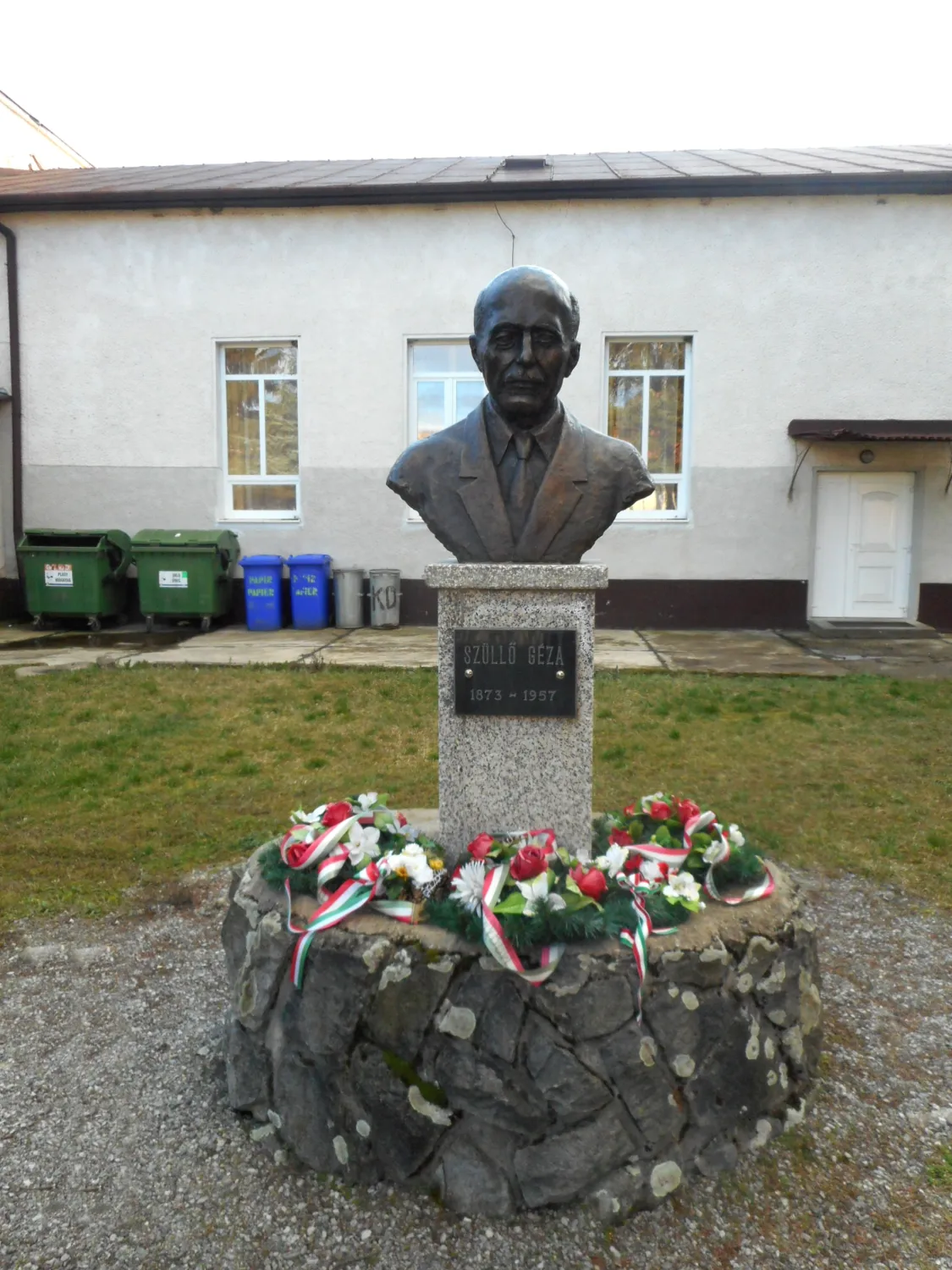
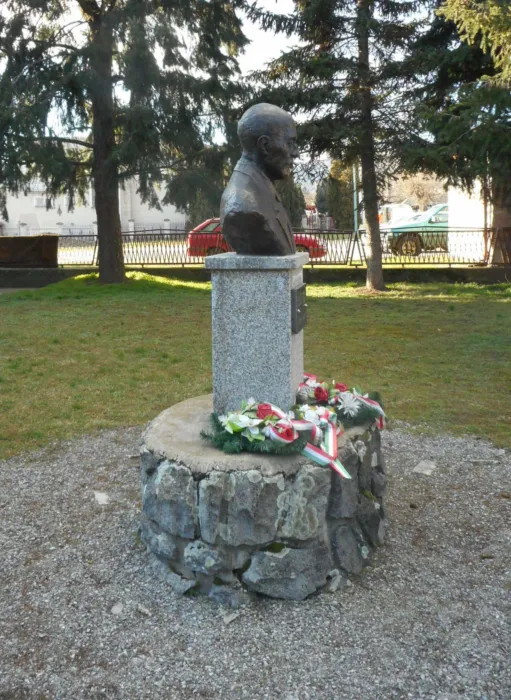
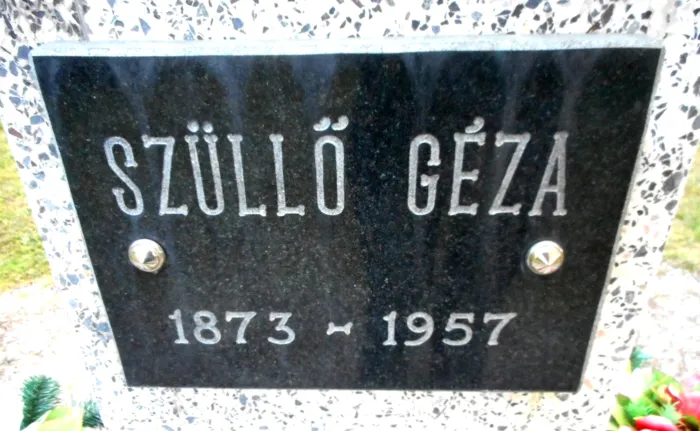
Statue of Géza Süllő
Statue, monument, memorial plaque
In 1905 he was a non-partisan member, in 1910 he was a member of parliament with the National Workers' Party program. In 1918, at the outbreak of the revolution, he retired to his estate in Bacsfa. In the early 1920s he founded the Hungarian Christian Socialist Party, and as the party's chairman (1925-1932) he was elected to the Prague parliament. In 1936, after the establishment of the United Hungarian Party, he retained his leading role. He always represented a Budapest-centric national position. He also sought an alliance with Hlinka's People's Party and autonomy. After the Vienna decision, he became a permanent member of the Hungarian upper house and a Hungarian royal privy councilor from 1938, and was a member of the boards of several financial institutions and industrial companies. After the World War II, he retired from public life and lived in the village of Kisfalud.