
Zoltán Pázmány's Art Nouveau summer mansion in Szőlős, Szilas and Laki
Building, structure
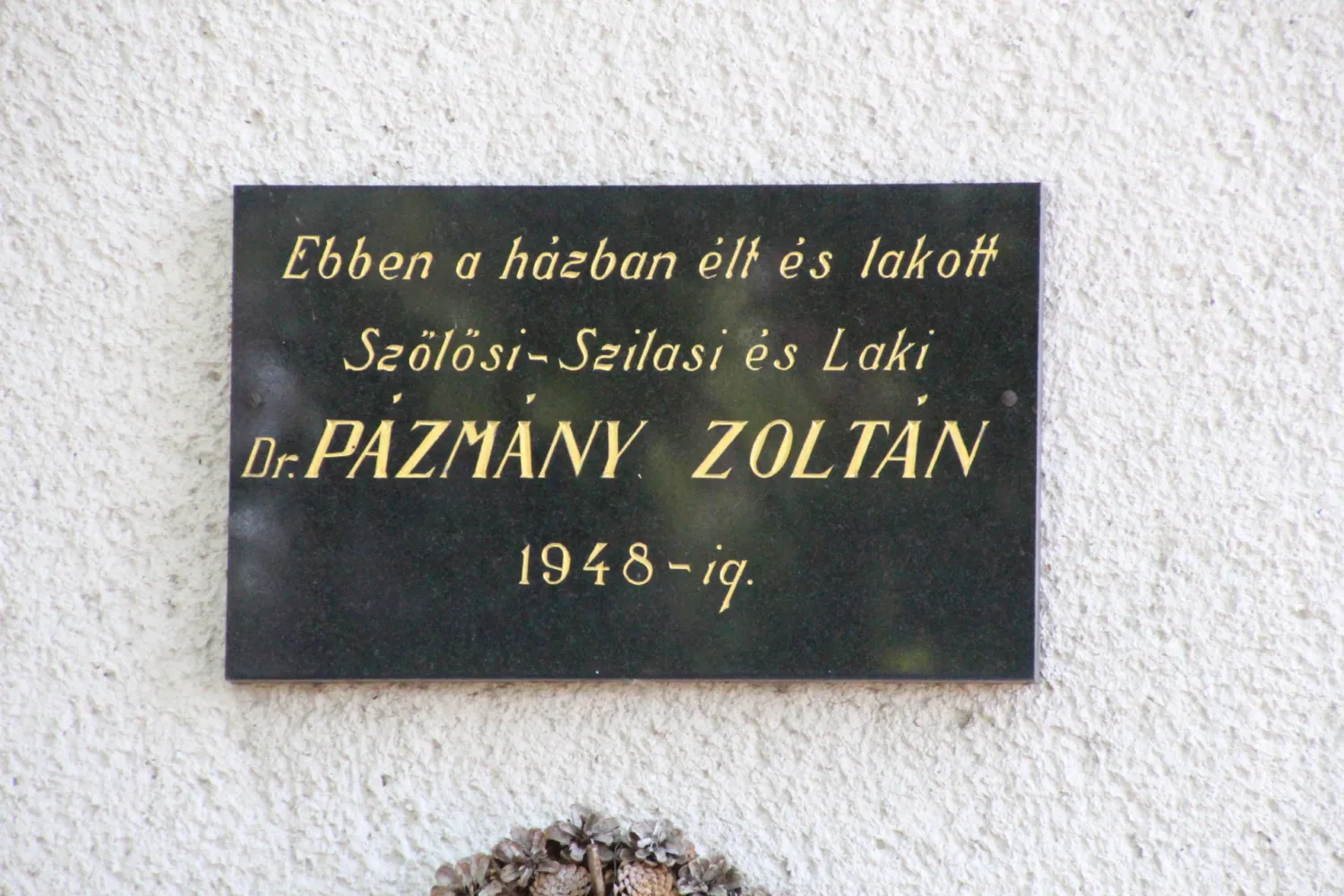
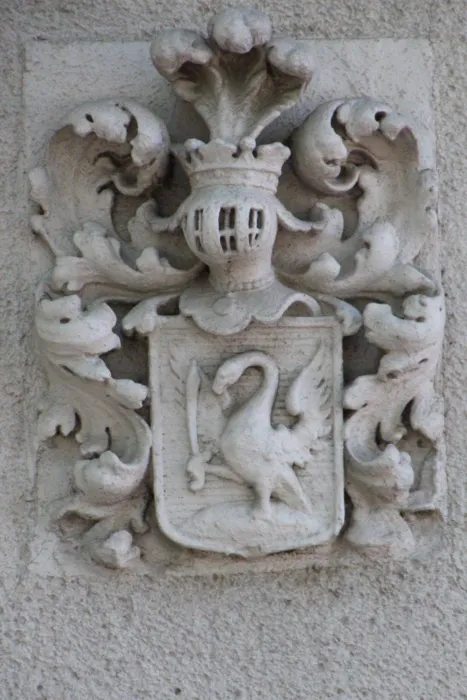
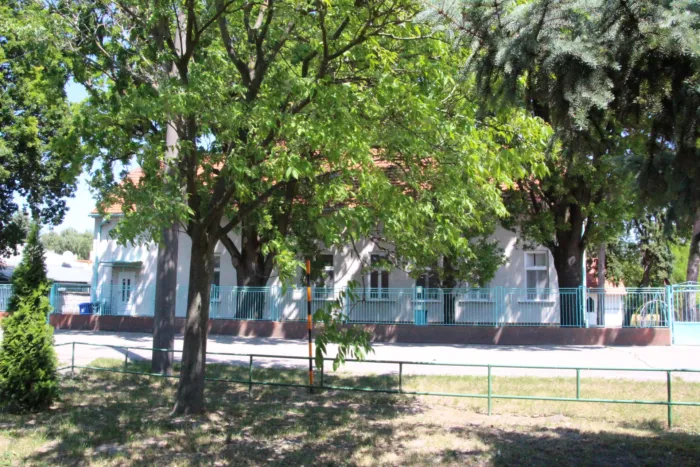
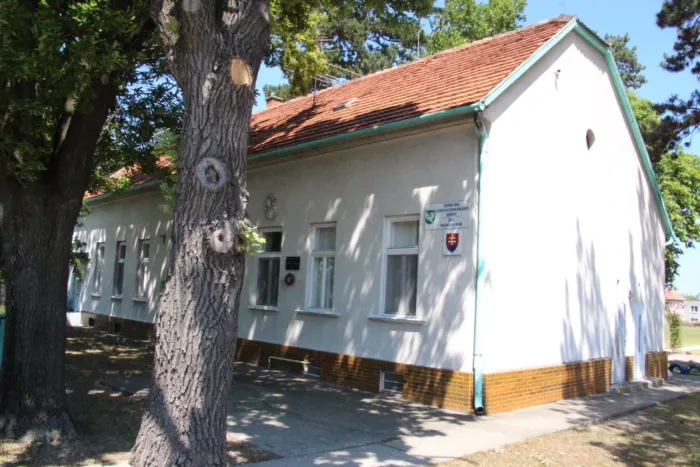
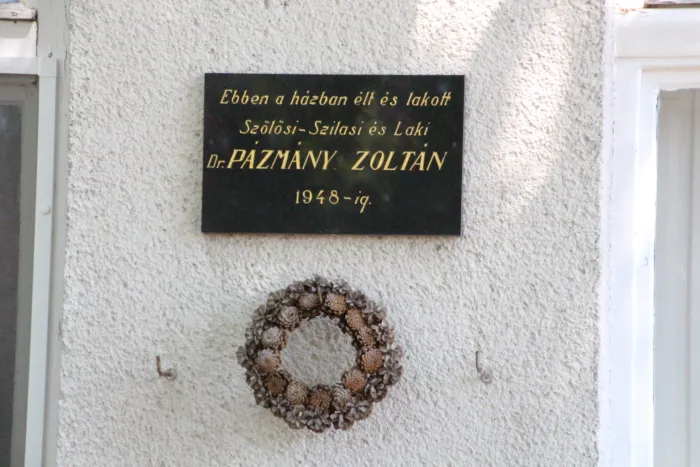
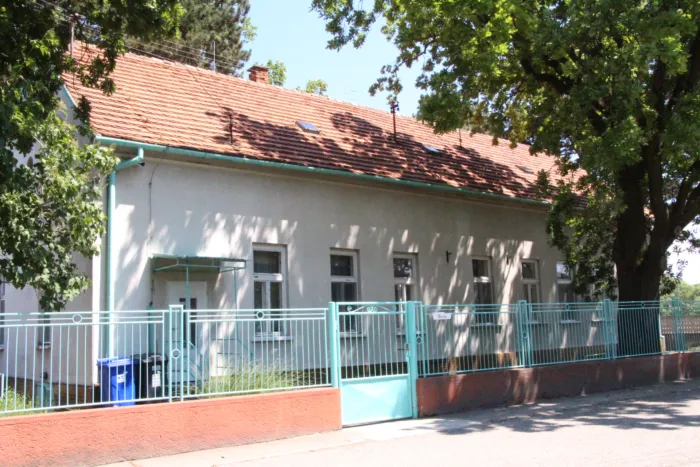
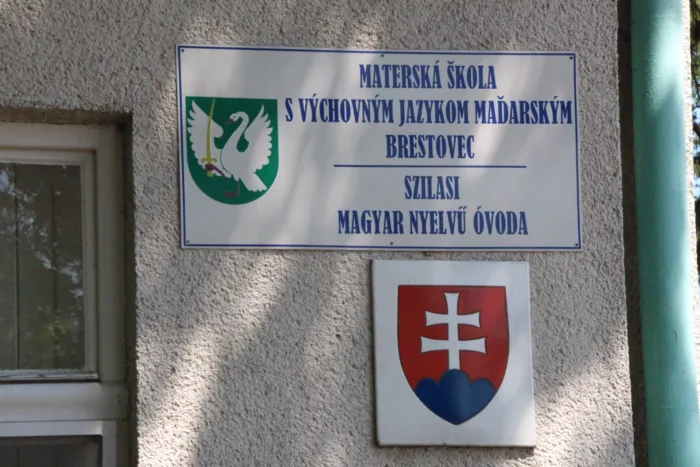
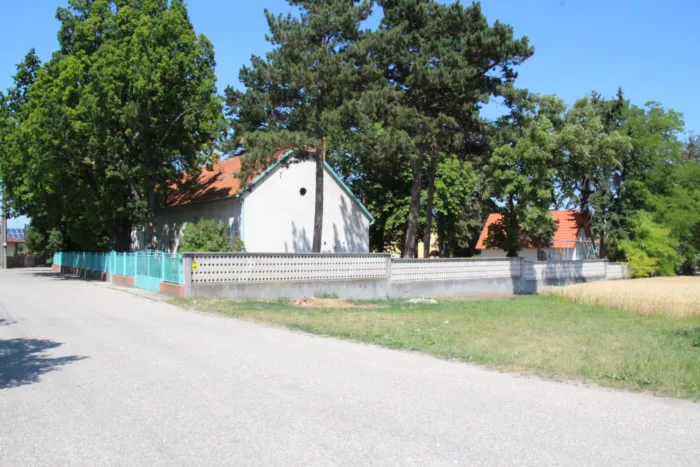
The most significant monument of the village is the Art Nouveau summer mansion built by Dr. Zoltán Pázmány in 1905, which he built on a plot purchased from János Molnár. Initially, the family spent the summer months in the small building, when they escaped the noise of the city. The small building had an almost square base with a five-axis main facade, which was divided by rectangular windows in frames with elbow and eyebrow cornices on guardian stones and wall strips. Above the third window in the middle of the original main facade is a relief of the coat of arms of the Pázmány family. In the middle of the courtyard facade was the small carved entrance terrace, covered, with a triangular-ended gable. A moderately curved single-flight staircase led to the terrace, similar on both sides. The building has a large room - the owner of the castle's room -, a children's room, a kitchen, a pantry, a corridor, restrooms, and a cellar under the building. All rooms have straight ceilings. They lived here in their retirement years, the professor died in 1948. His wife Ilona Pápay lived here until 1952, after which they were moved to the parish of Lakszakállas, where she died shortly after. An elementary school was located in the converted castle (two classrooms and three classes, reorganized into a two-classroom school in 1956). In 1955, the smaller room became home to the kindergarten. In 1964, the castle was expanded with a four-axis extension building, thus depriving it of its architectural features. A side staircase was moved and the wooden veranda was removed. The interior of the castle was modernized. The school ceased teaching in 1977, and since then the building has only housed a kindergarten. In 1996, a memorial plaque to Dr. Zoltán Pázmány of Szőlős, Szilas and Laki was placed on the wall of the castle. ; ; After 1910, Dr. Zoltán Pázmány converted the Molnáreks' older house in the northern part of the plot belonging to the castle into an apartment for the manager of the large estate, because Doctor Pázmány was away from home for most of the year, so he had no time to manage the family estate. The house also had guest rooms for the family's frequent guests. In 1945, the building was acquired by the municipality and apartments were arranged for the resettled people (Novák, Mikutík, Kollárik). From 1948, the offices of the Hungarian National Assembly and the Hungarian Social Security Organization moved into part of the building, and in 1953 the back part was converted into a cultural center. In 1960, the former Art Nouveau building was demolished and the building of the Hungarian National Library and the cultural center was built in its place. The administrator's apartment, which was created from the Molnár house, was an L-shaped ground-floor building, the two wings of which were held together by an obtuse angle. The four-axis main facade was divided by rectangular windows in frames with a curved upper part, an eyebrow and crown cornice, and corner wall strips. The crowning cornice was decorated with dentils. The columned open corridor of the shorter wing looked out onto the courtyard. The side wing had no architectural features. ; ; Opposite this building stands the building of the former bailiff's office (number 80), which was built in 1870. The position of bailiff was also held by some members of the Pázmány family (Tádé, János, Kálmán). In 1945, these offices were closed and the building became a residential building. Part of the building houses the confectionery. The L-shaped ground-floor, two-axis building has been remodeled several times, and its open corridor with pillars overlooks the courtyard.