
Slovak Hungarian zither movement (National zither meetings)
Cultural heritage
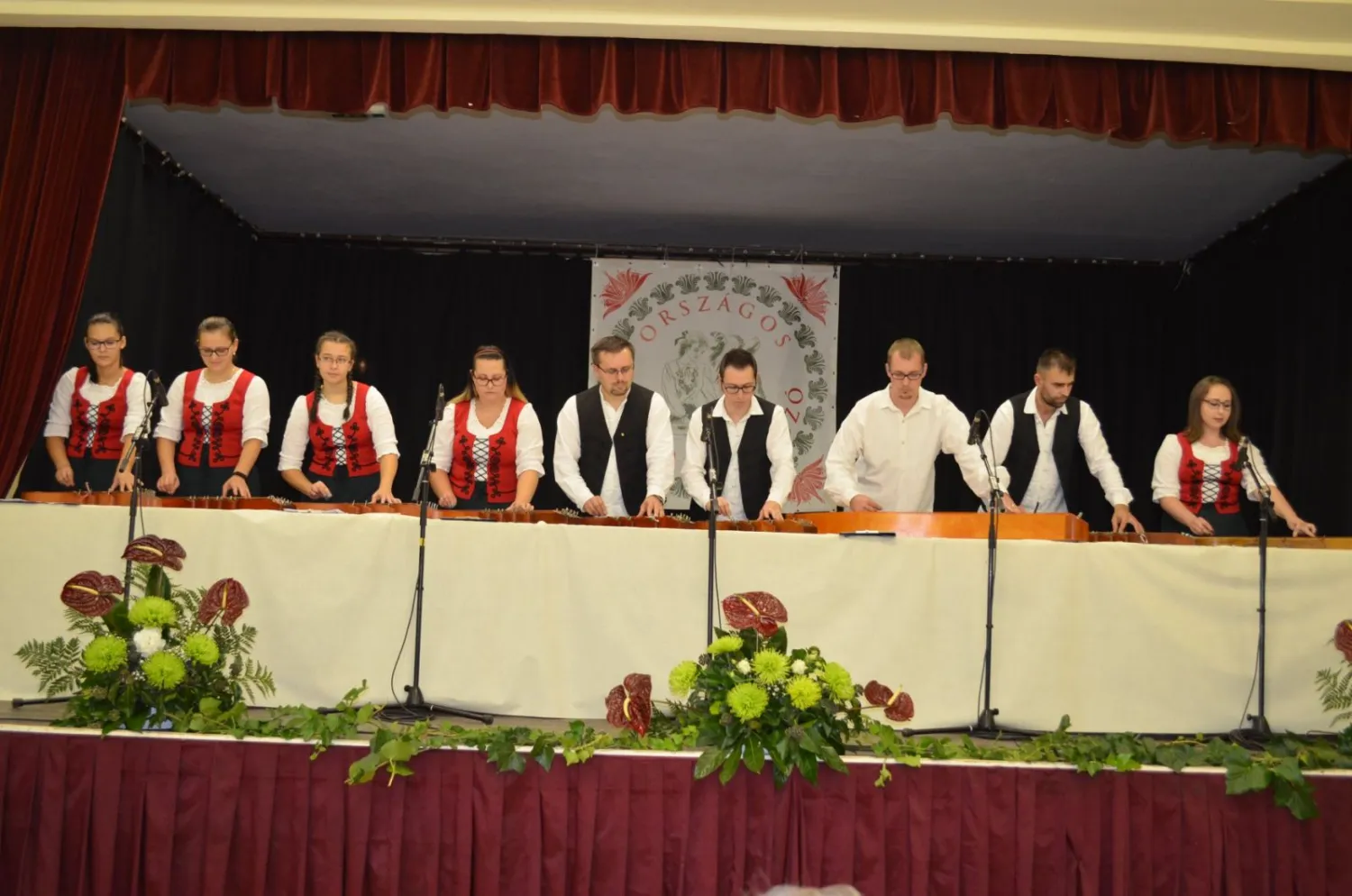
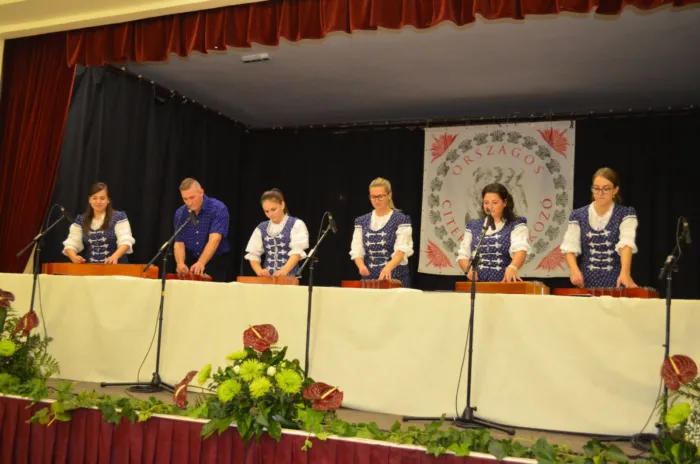
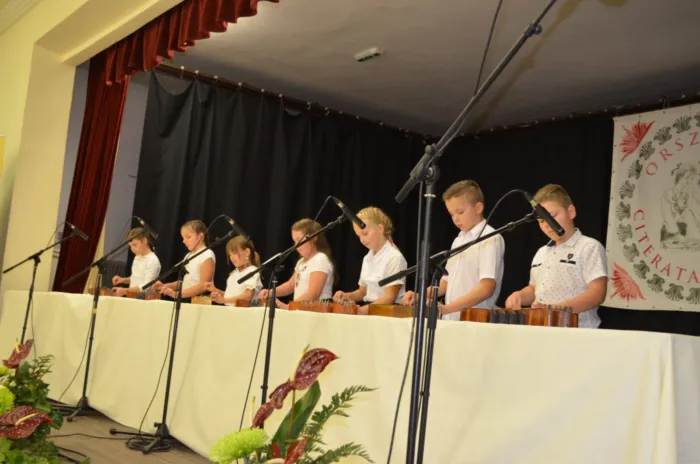
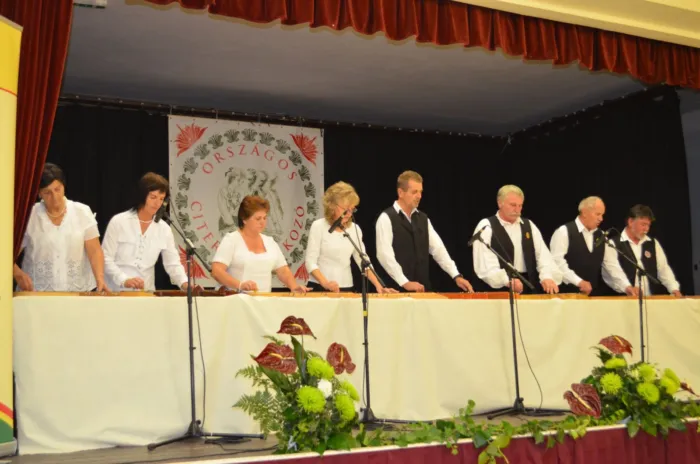
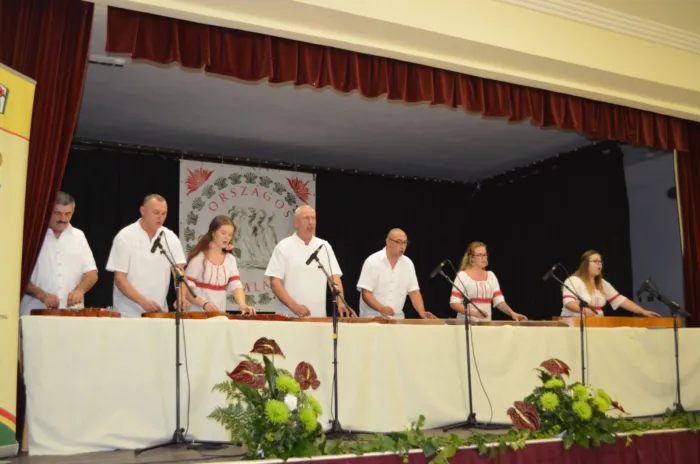
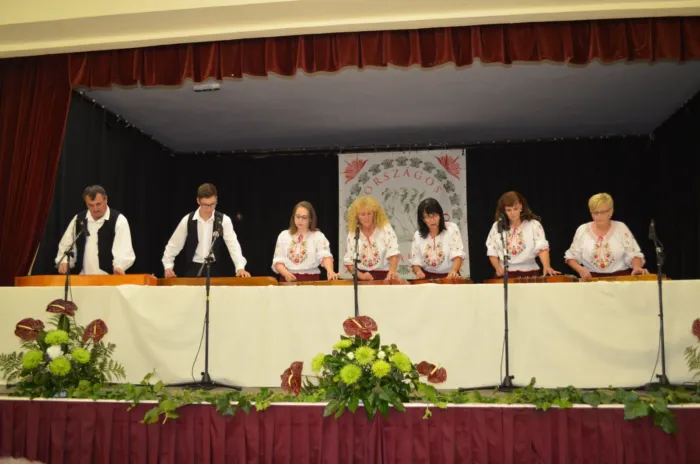
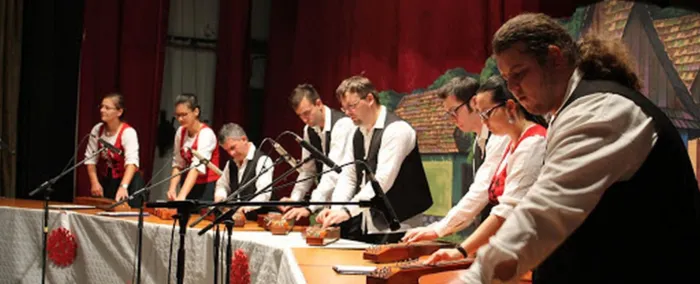
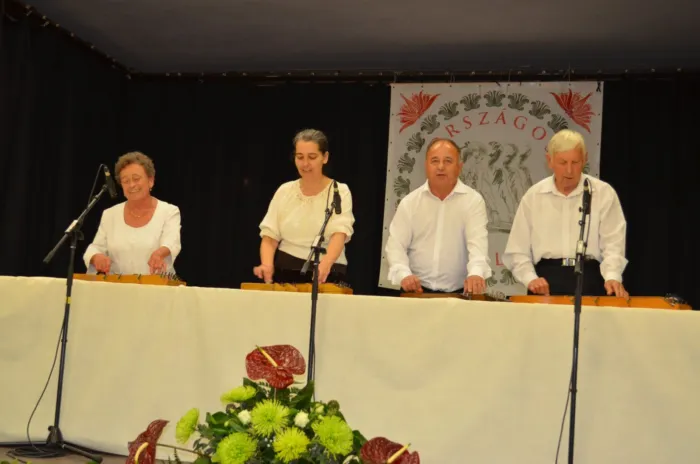
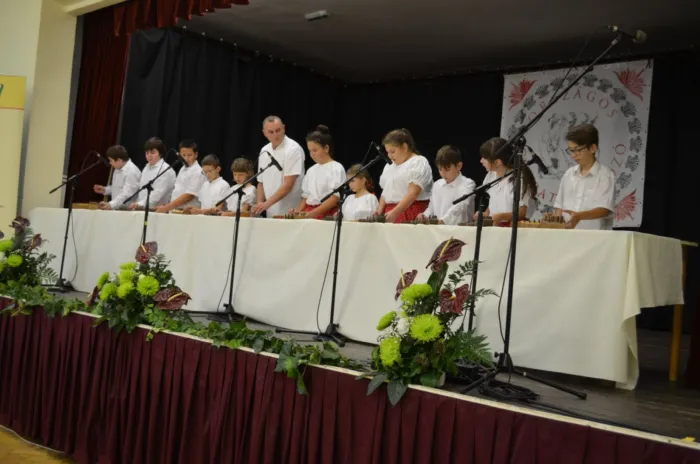
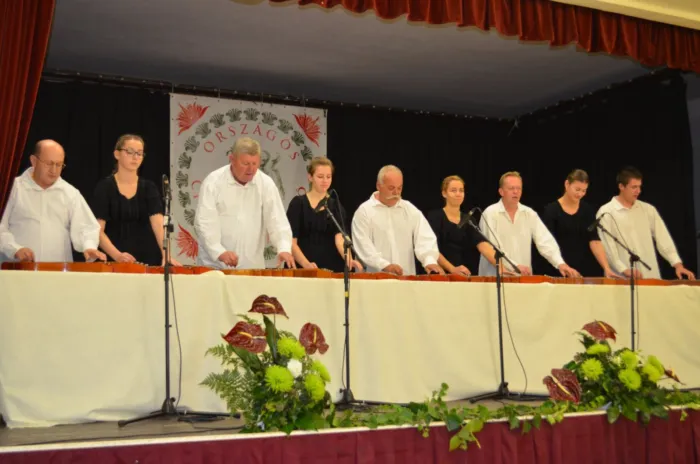
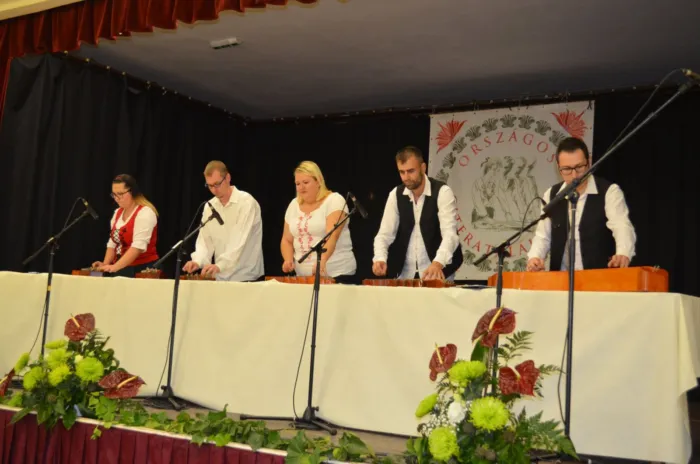
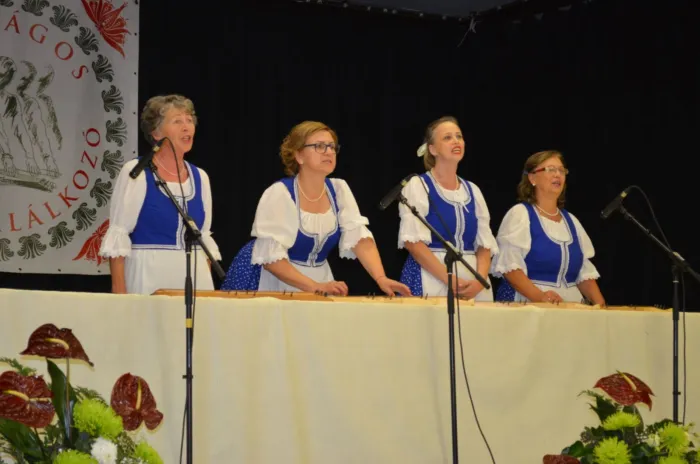
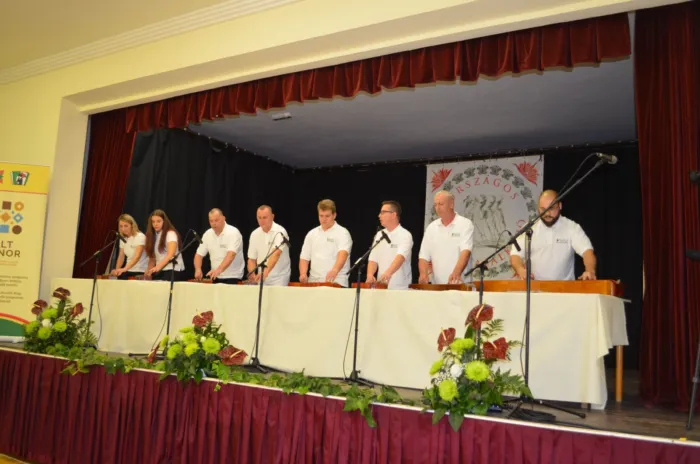
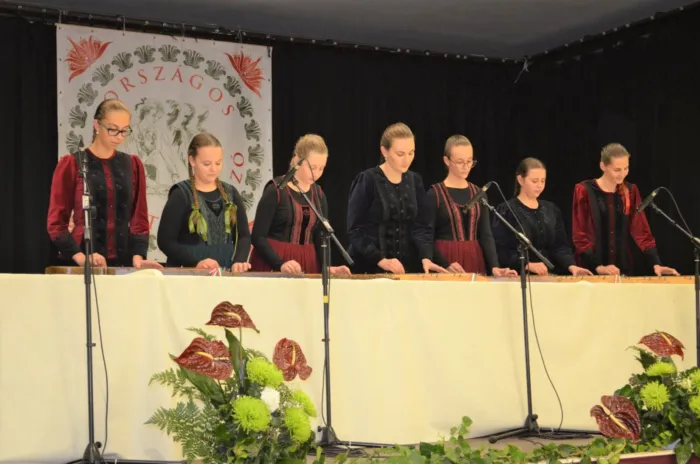
The zither is a stringed plucked instrument in the shape of a rectangular block that can be placed on a table, in its simplest version, says the literature about this typically Hungarian folk instrument, which used to be found in almost every Hungarian settlement in the Highlands. These instruments were often played by soloists, but nowadays they appear on stage more often in orchestral formation. ; ; Over time, these orchestras also became very few, and they disappeared from some settlements. The renaissance of zither playing took place in connection with the competitions of the Spring Wind folk music competition (1968-1994). Zither orchestras were formed one after another, together with domestic instrument makers. After the Spring Wind ceased in 1994-1995, when the national folk music competition of the Purple Beautiful Rose was launched in 1997, traditional zither playing enjoyed an advantage over orchestrated playing. ; ; Then came the idea that the remaining zither orchestras in the Highlands should be brought together once a year for a meeting so that they could get to know each other and each other's musical world better. Then in 1999, László Borka and his zither orchestra in Százd decided on a bold move. They tried to find all the Hungarian zither orchestras operating in the Highlands in Slovakia and invited them to a friendly meeting. ; ; They really thought well, as the orchestras were already represented in a very high number at the first zither meeting. A movement was launched on November 6, 1999, which in 2020 has been moving and keeping the entire zither society in shape for the 22nd year. ; ; The basic idea of the first zither meeting was to hold the meeting at a different location every year, thus providing space for each orchestra to take part in the organizational work itself. This is also an excellent opportunity for individual bands to show their own town to the zither community. ; ; The zither meeting is an opportunity for Hungarian zither players to get to know the members of newly formed zither bands and to maintain warm relationships with older musicians. In addition to the friendly gathering, the meeting is also important from a professional perspective, since in addition to the fact that the criticism of the professional jury helps a lot in the development of the bands, there is also an opportunity to learn from each other, which the musicians have taken advantage of in recent years. ; ; After the initial successes, enthusiasm began to wane, and since the professional background was not sufficiently secured, and in fact, the organization of the meetings sometimes encountered financial difficulties, an organization was needed to embrace this movement. Since the basic organization of the Csemadok in each settlement mainly undertook part of the organization, the organization was a given. Since it was an event that would move the entire country from the beginning, a national organization was needed. That's when the cultural institute came into the picture. Since the director of the institute had already participated in many zither meetings as a spectator, and there were even times when he was a member of the professional jury. This is one of the reasons why this environment was not indifferent to him. ; ; The invitation to the meeting organized in Kürtö on October 7, 2006, the Csemadok Cultural Institute was already the main organizer. At that time, the movement gained new momentum. The cultural institute saw the meetings with a professional background. The professional jury of the meetings included competent people who guided the work of the orchestras with their advice. These professional relationships resulted in professional work that determined the entire year-round work of some orchestras. ; ; After that, the zither meeting was no longer limited to one day a year, but the work with the professional staff continues throughout the year. Various performances, professional advice, and camps support the work of the zither players in the Highlands throughout the year. ; ; It was clear from the very beginning of the idea that it would be a traveling meeting in terms of location, which means that it would be held at a different location every year, and every year, in addition to the Csemadok Cultural Institute (since 2013, the Slovak Hungarian Cultural Institute), as the main organizer, the Csemadok basic organization of the given location is the co-organizer. Thanks to such a diverse composition of organizers, although the basic theory is the same, the event is always implemented in a different form, depending on the ideas of the activists of the local organizations. While in the beginning we had to look for organizations to take on the organization, nowadays we have a choice of several applicants. ; ; The purpose of the zither meetings is primarily to meet, develop professionally and monitor each other's work. The goal was never to compete, but to raise the level of the festival, we created a festival prize (traveling cup), which was awarded every year to the band that best convinced the professional jury, the audience and the groups at the given meeting. For ten years, the cup traveled from group to group. In fact, it happened that a given group won the traveling cup several times. ; ; When the festival returned to the village of Hodos, the mayor of the village, Lajos Patócs, founded a new prize in memory of the former leader of the village's zither orchestra, the "Patócs Lajos Award". With this award, we honor zither ensembles that have been performing outstanding work in the zither community for a long time without interruption. ; ; Over the years, many interesting things have been associated with zither meetings. There was also a time when we broke the record for playing the zither together with the help of 130 zither players (2008, Százd). The meetings organized in the eastern region remain memorable for many of us, which we will also remember because of the experience of traveling together by bus. Each meeting had its own memorable moment, but there was something in each meeting that made the relationships between the individual orchestras closer. This is the experience of playing music together, getting to know each other. In addition, the professional work behind the meetings is extremely important. There are tangible signs of professional development. These signs are reflected not only in the production presented at the meeting, but also in the performance shown during individual folk music competitions. ; ;