
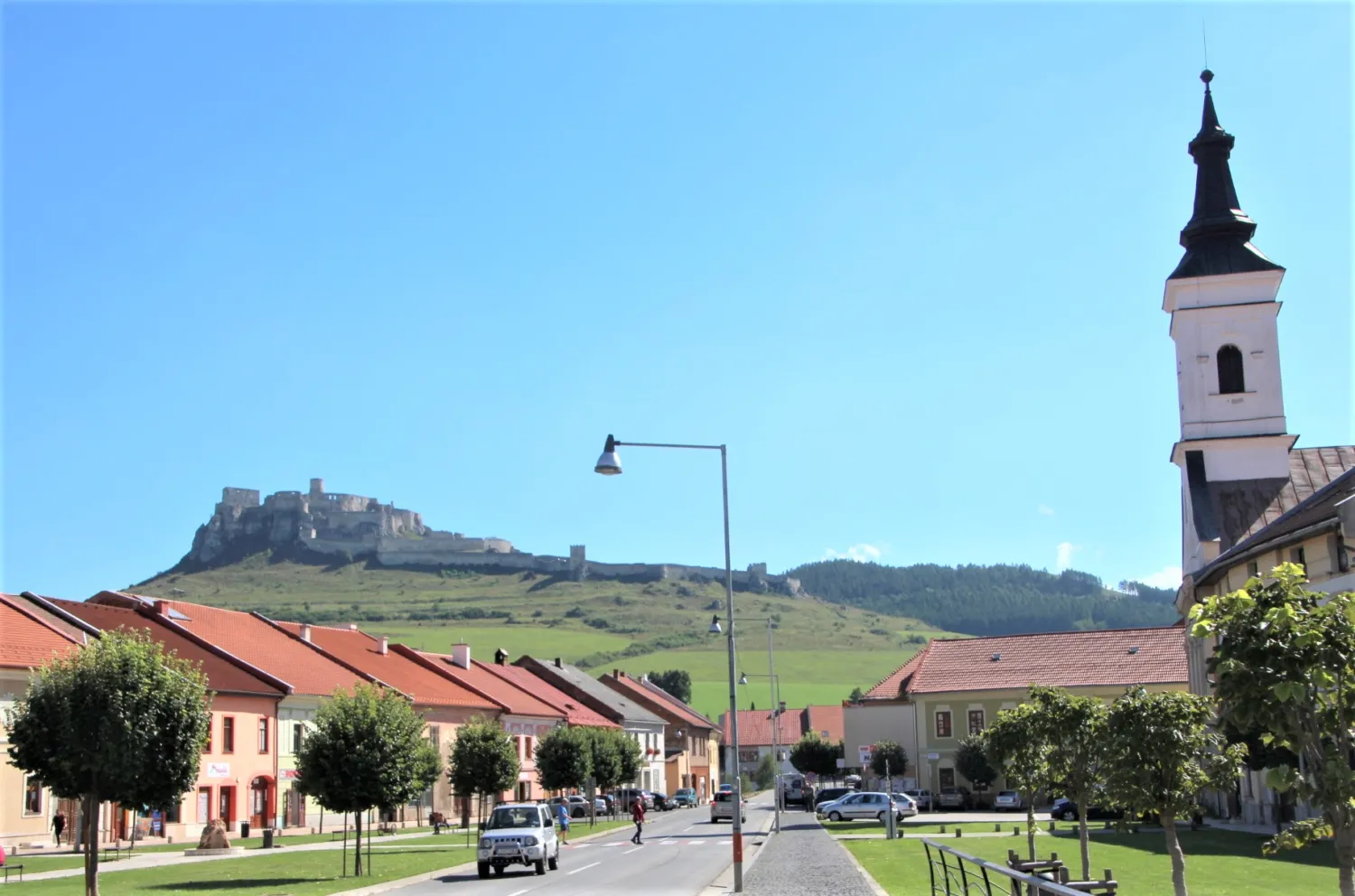
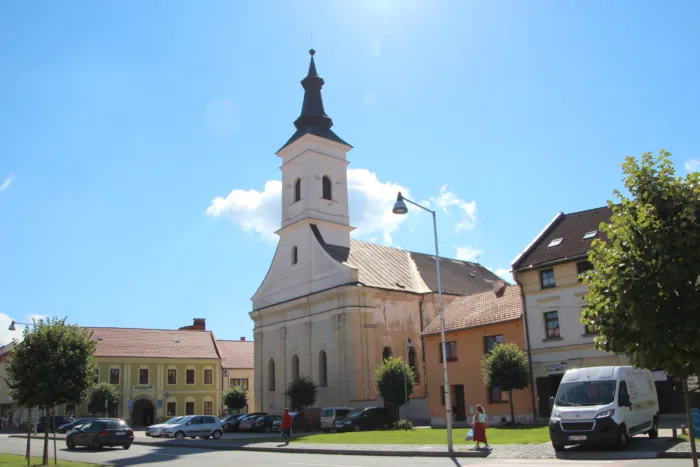
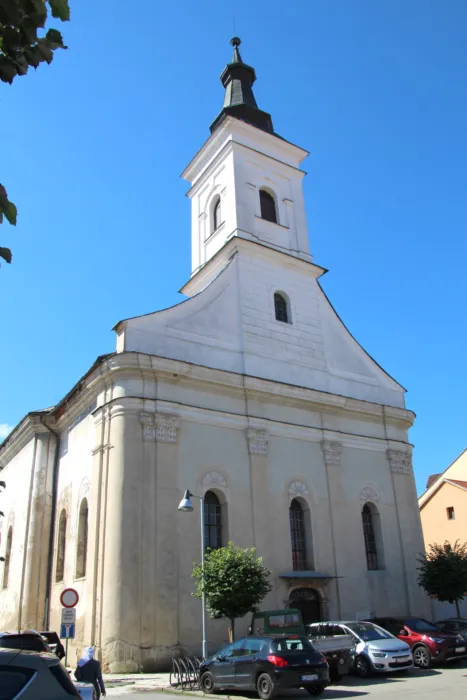
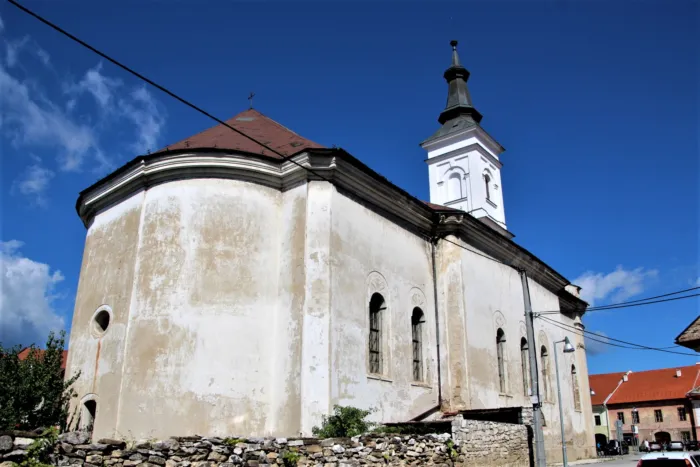
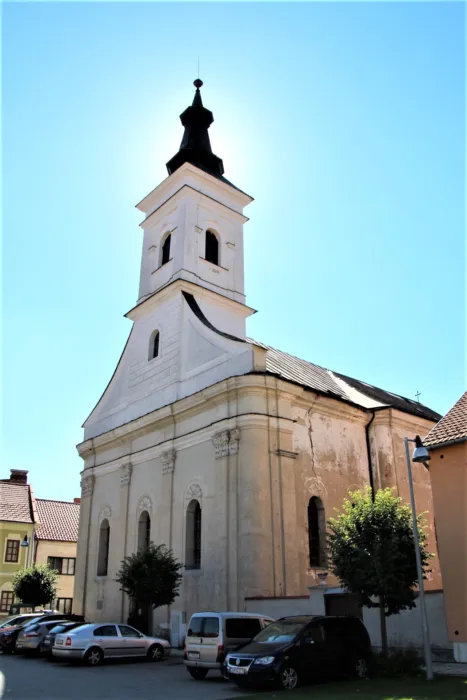
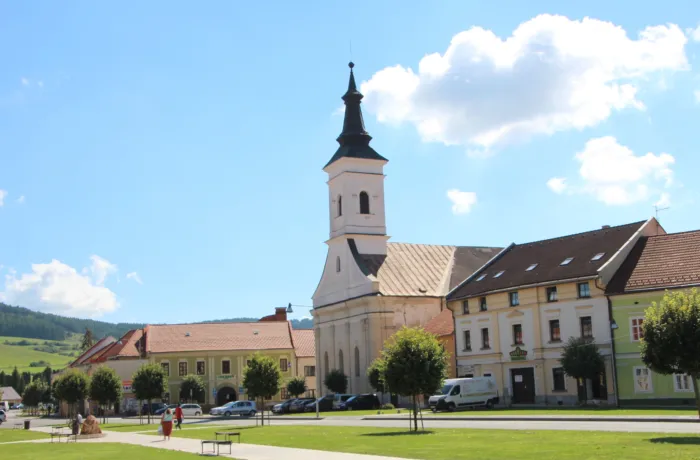
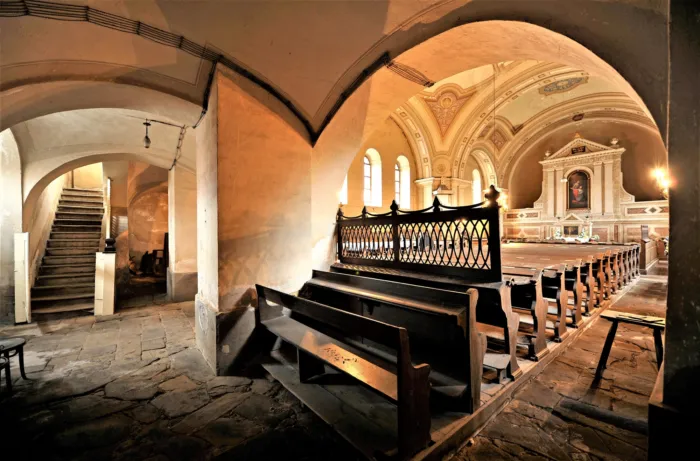
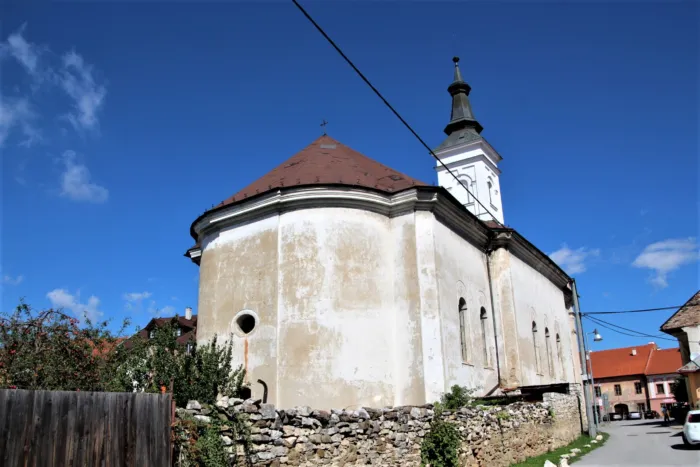
Evangelical Church of Spišská Václava
Building, structure
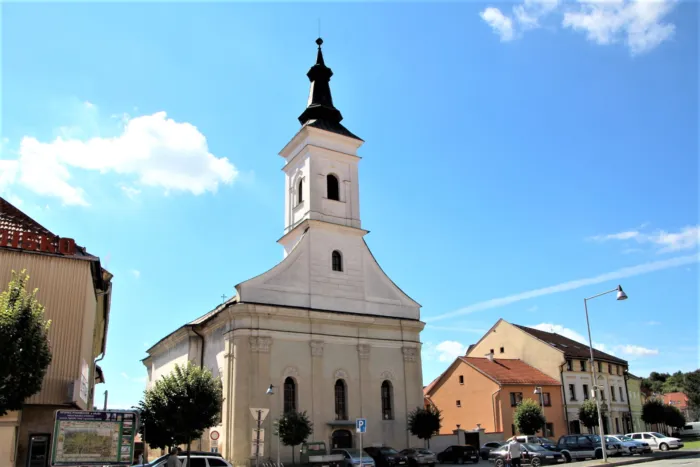
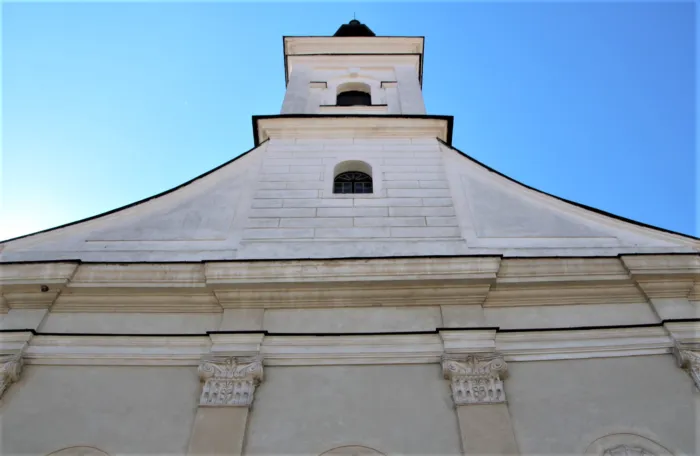
The doctrines of the Reformation were adopted in Szepesváralja in the first half of the 16th century, in 1548. The inhabitants of the town, together with their pastor, Jakab Blásy, converted to the moderate trend of the Lutheran faith, the new faith according to the Augustinian creed. ; But there was also a different division of the population. ; At that time, the church was mainly the place of social contact and exchange of information. ; Where possible, new churches were built for the new religion. These were furnished based on the needs and views of the new religion. ; For example, in 1614, an organ was installed in the parish church and a new clock was placed in the tower. ; With the increase in Lutherans, new schools were also established, not only for children, but also for adults. We find a record of this from 1551. ; However, this era had not yet accepted the Reformation. A violent re-Catholicization followed, which temporarily halted progress. ; In 1674, the church was returned to the Catholics. Lutheran services were held in private homes. ; In the following centuries, thanks to the rulers, the situation changed. ; In 1695, the Lutheran Church was able to buy a plot of land and build its own chapel on it. ; Religious services were held in this chapel until 1759, often under limited conditions. ; In the same year, the new Polish starost, Henrik Brühl, allowed the Lutherans to build a new wooden church in the garden behind the old chapel in return for taxes. Its furnishings consisted of paintings, an altar, a pulpit, a baptismal font and an organ. The work was completed in three months. In 1783, two citizens made a new baptismal font. From 1788, they also had their own school. ; In 1794, in the great fire, both the small church and the parish burned to the ground. ; Due to lack of money and other reasons, the Lutherans were unable to build a new church in its place. ; Services were held in the school, and a small bell tower was built on the roof of the school. ; The current classicist stone church was built from 1799 to 1808, but the name of the architect is unknown. ; The altarpiece was painted by the Levoča painter Czauczik, sometime after 1810. ; The baptismal font was moved from the older church in 1783. ; An even older tablet from 1617 in the area under the choir. ; A tower was built for the church between 1829 and 1832 according to the plans of the architect of the huge Levoča Lutheran church, Antal Povolny. ; It housed the bell that had been cast in Pest in 1823 and that had previously resided in the temporary bell tower between the church and the parish. ; The new rectory and school were built by the Lutherans between 1820 and 1822 from their own funds. ; Unfortunately, on April 19, 1856, everything caught fire and burned down. ; The renovation of the church progressed slowly. New equipment was added and the tower was rebuilt in 1871-72. ; In 1889, the church was repainted, the equipment was renovated, and a new pulpit and organ were built. This was built by the Kolbay family, an organ builder from Szepesvár. ; More than a hundred years later, more precisely between 1992 and 1994, the renovation of the roof and tower of the nave and the reconstruction of the facade were carried out with the help of the Pro Slovakia foundation.