
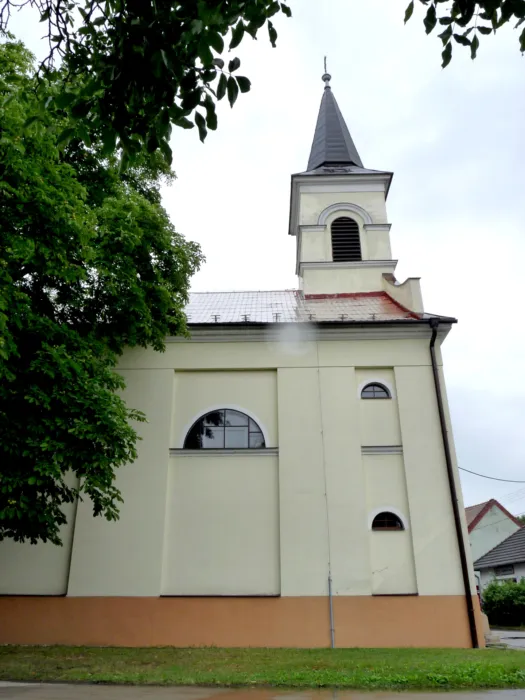
Holy Trinity Roman Catholic Church
Building, structure
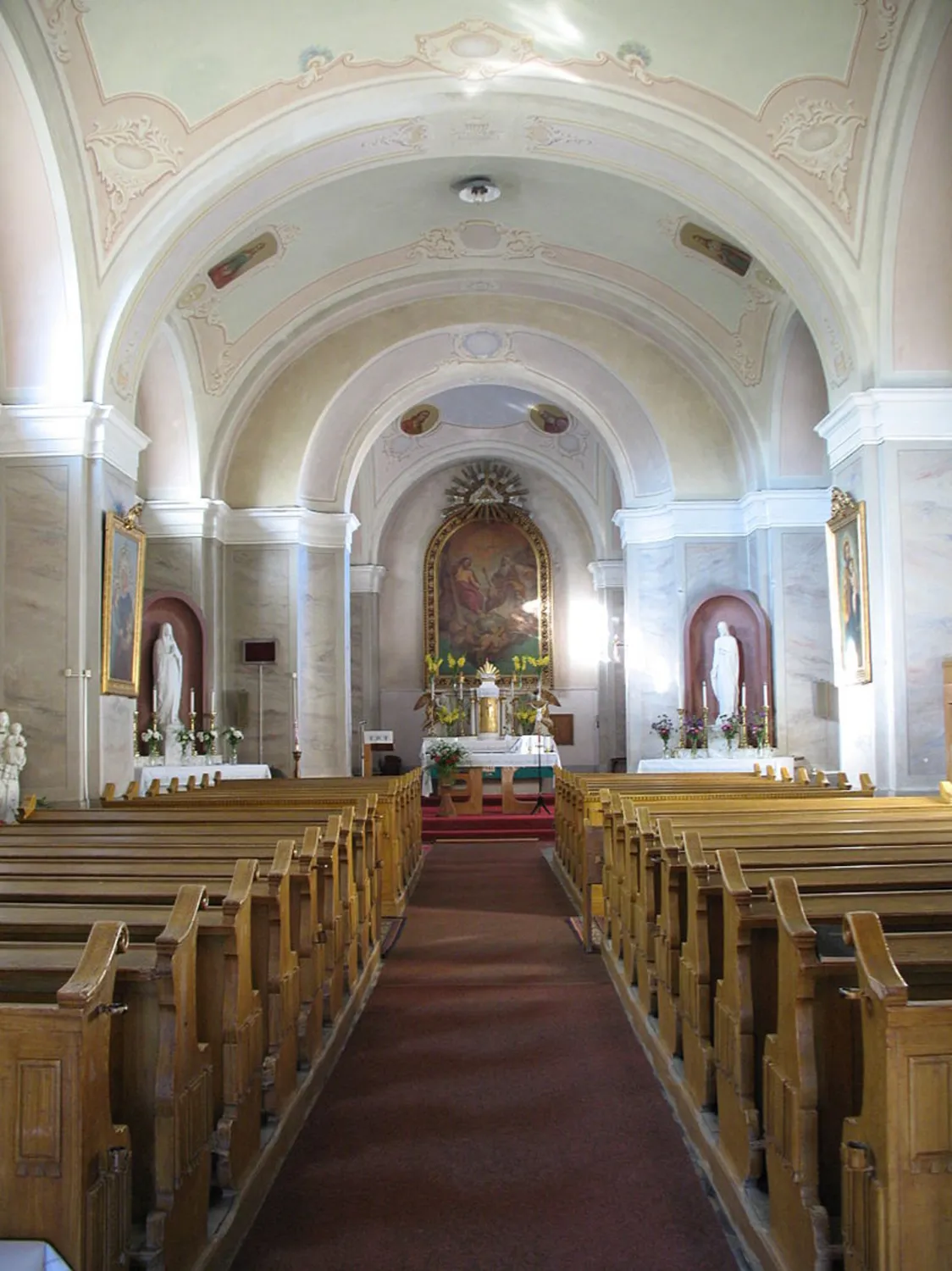
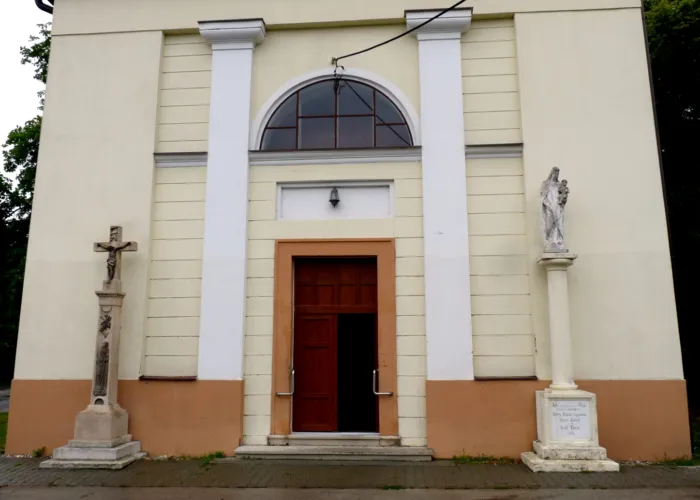
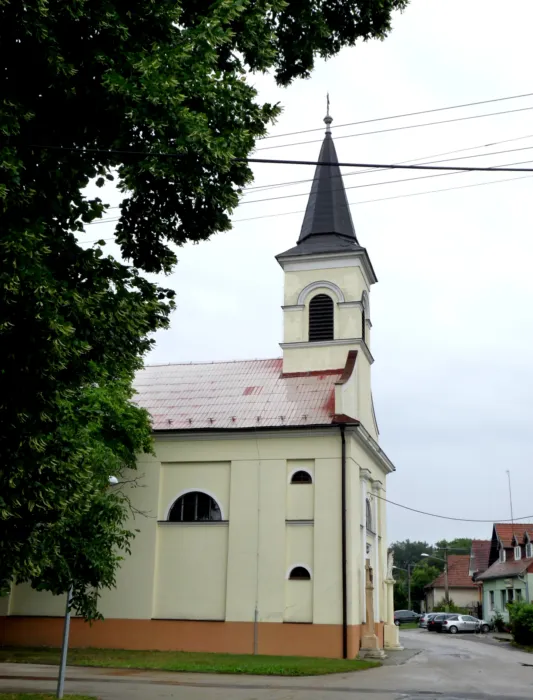
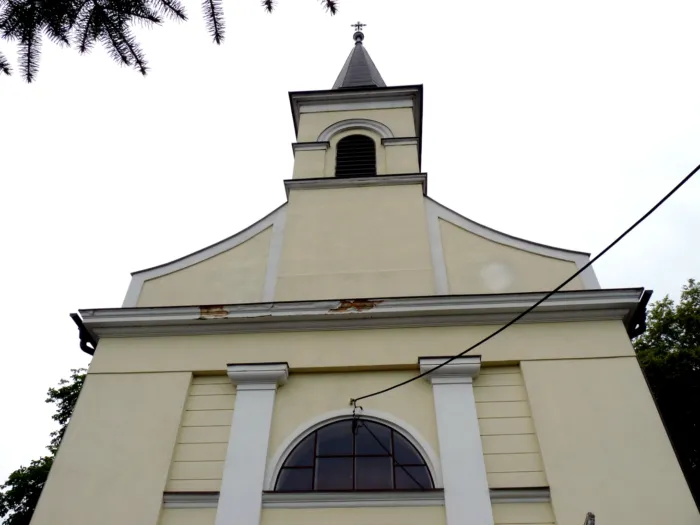
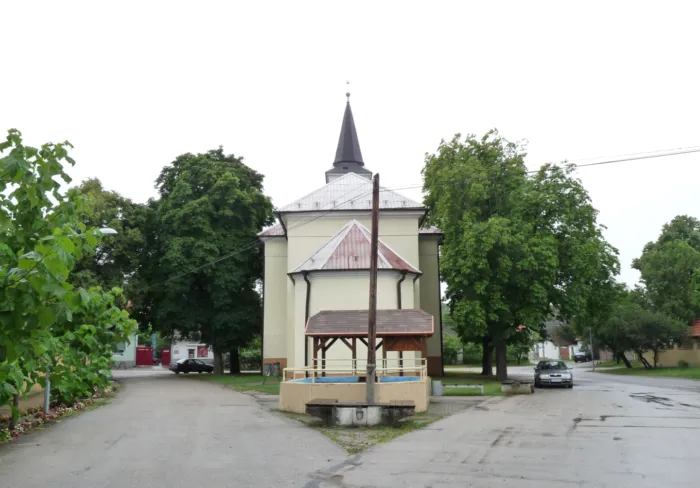
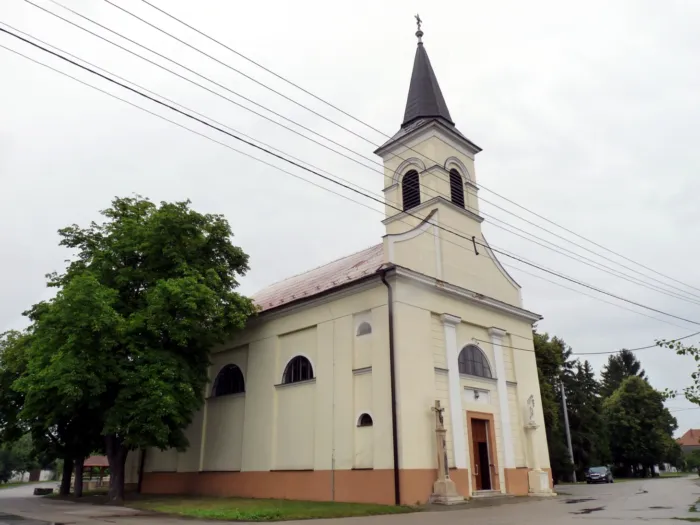
The Hosszúfalu church is first mentioned in a charter issued by Béla IV in 1252. With the charter, the king donated the estate that had previously belonged to the Benedictine abbey of Zobor to the newly founded Premontre provostship of Túróc. Another mention of the church dates back to 1390. It can be assumed that the first church in Hosszúfalu was destroyed in the middle of the 16th century during the Turkish times, possibly due to a flood, because the church visitation records of the century do not mention it. ; The current church was built in 1766 with the support of the Jesuits and consecrated in honor of the Holy Trinity. It was badly damaged due to frequent floods, as we can read about its renovation in the nineties of the 18th century. ; During the First World War, the bells were taken from the church tower. However, in 1922, three new bells were made in Nagyszombat. The large bell is dedicated to the glory of the Holy Trinity, the medium bell to the Virgin Mary, and the small bell to the honor of Saint Joseph. ; The altarpiece shows the Holy Trinity, and the church is also decorated with four large paintings: Saint Joseph, Saint Stephen, Saint Rosalia, and Saint Anne. The renovated altar of the Sorrowful Mother in the back of the church is noteworthy. ; The church and religiosity played a major role in the lives of the people of Hosszúfalu. This is also proven by the village register, which highlights the extremely religious nature of the settlement: ; “Szép Szelőce, Nyalka Sók, Fuvaros Tornóc, ; Füstös Zsigárd, Koldús Vecse, Istenes Hosszúfalu”