
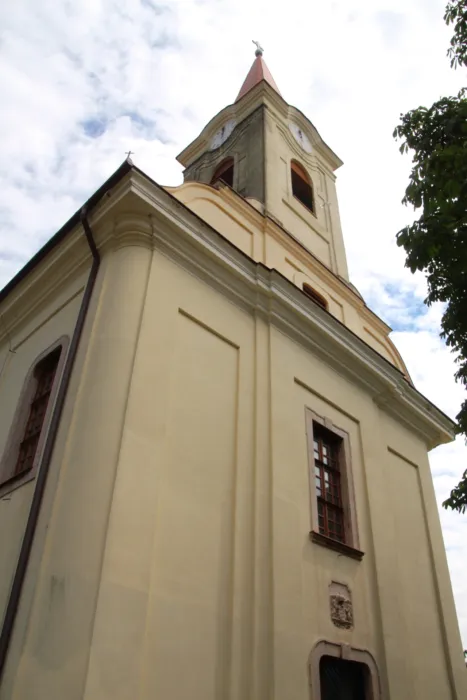
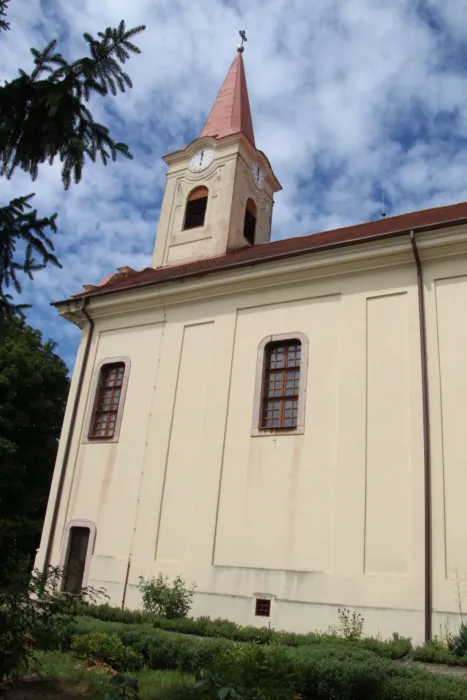
Holy Trinity Catholic Church
Building, structure
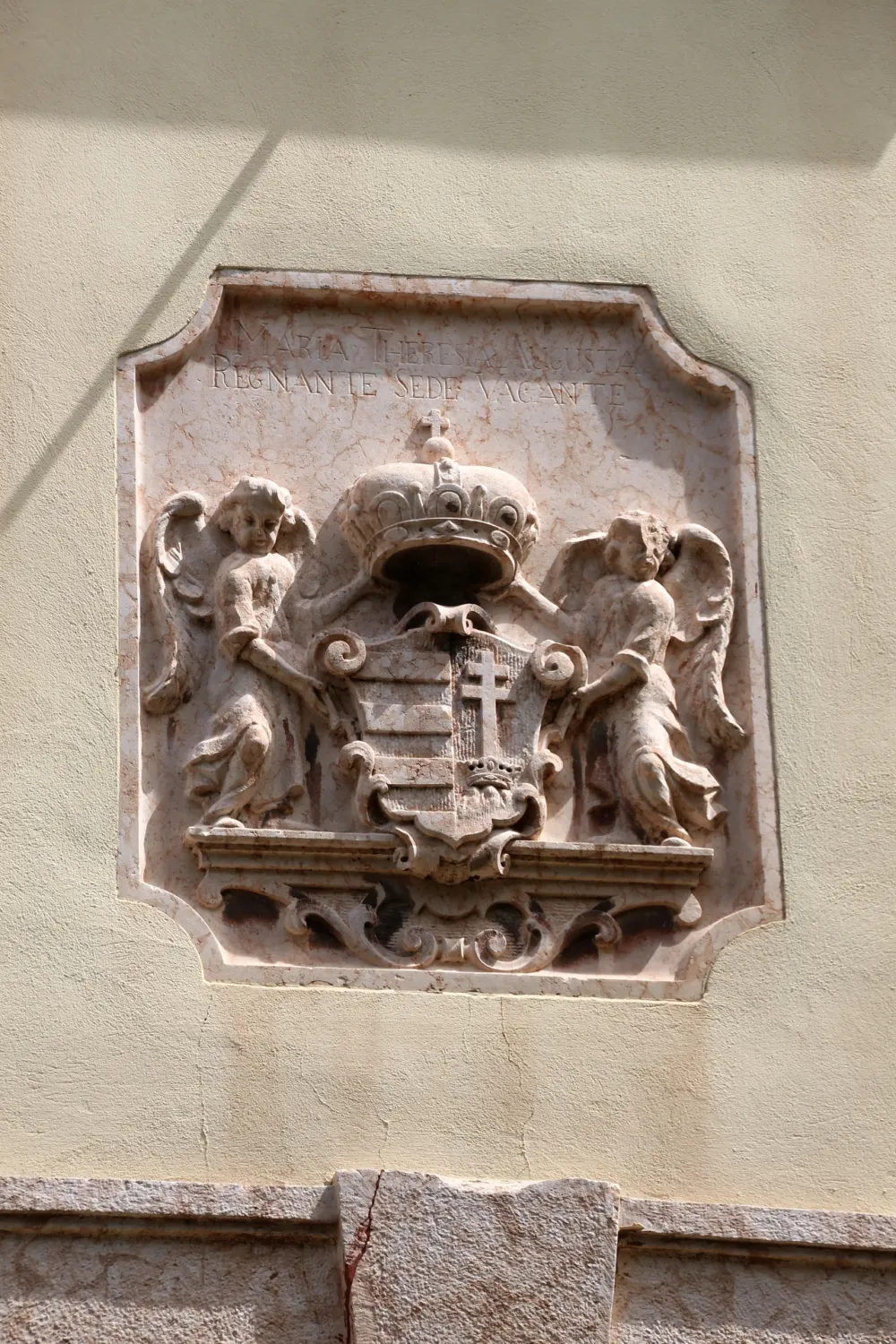
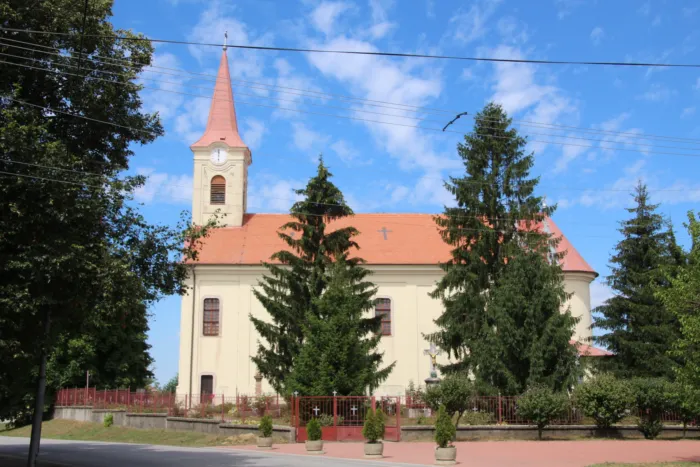
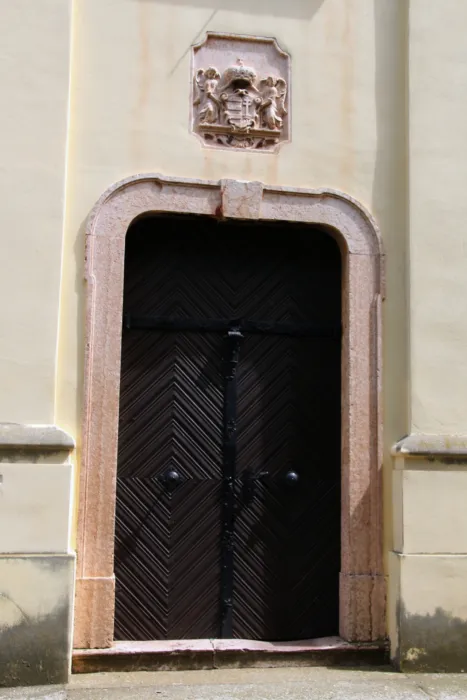
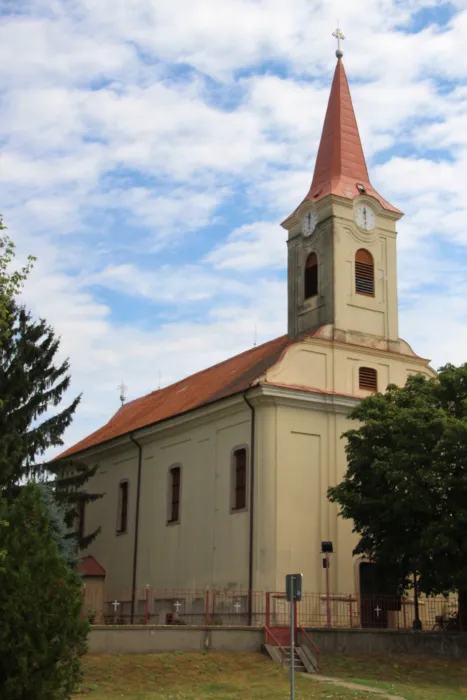
Southwest of the railway station, archaeological excavations on Klastromhegy confirmed the existence of an Árpád-era church and monastery from the 11th-12th centuries. A cemetery was also excavated. No written records have survived about the monastery and the church, and the process of their destruction is unknown. The next church was built in 1499, probably in the Gothic style. It stood in the Faluhely estate on a wide area of land a quarter of a mile from the present-day settlement. The date of construction of the church was engraved in the crown beam. It was destroyed during the Turkish campaigns, because the inscription recording the visitation of 1561 describes it as a razed to the ground, abandoned building. The valuables of the church were taken by the Turks. After the settlement after 1629, the church was renovated, but it was destroyed again in 1683. In 1714, the visitor describes it as a roofless building with a collapsed sanctuary in its vault. ; The current Roman Catholic Holy Trinity Church was built in Baroque style by Prince Imre Esterházy in 1733 from the building materials of the fortress of Érsekújvár. The devastating earthquake on June 28, 1763 destroyed the church, the tower collapsed and the sanctuary vault had to be dismantled. A belfry was built next to the damaged church. In 1776, during the presidency of Prince Antal Grassalkovich, the king's chamberlain, the church was renovated, expanded, a new tower was built and the entire building was transformed in Baroque-Classicist style. In 1774, a lightning strike damaged the pulpit and the two side altars, but the damage was repaired within a short time. The church is a single-nave building with a semicircular sanctuary, a tower built into the main facade, two attached sacristies and a corridor leading to the pulpit built into the outer wall. ; The interior of the church has a Prussian-domed vault, resting on the cornices of projecting twin pillars. The vault features an illusory Baroque painting expressing homage to the Madonna and Saint Imre, which was completed sometime after 1774. The frescoes and paintings were renovated and repainted in 1998. The high altar was made in 1931, the original angel statue was placed in the Danube River Museum, and some parts of the altar are in the Miklós chapel. The hanging image of the Holy Trinity dates from around 1770. On the first two side altars, which are located in the convex passageway leading to the nave across the sanctuary, above the mensa are the Rococo hangings of Saint Anne and Saint Joseph, painted around 1740. The Rococo pulpit also dates from the same period, its curved, richly articulated parapet decorated with reliefs of angels and the Lamb of God, dates from around 1760. The red marble classicist baptismal font with a petal-shaped lid was made in 1777 and bears the initials I. F. (this master also made the marble candlesticks and holy water vessels). Above it, in a carved frame, is a picture depicting the baptism of Christ, which dates from the time the church was built. The choir's parapet with puppet railings, which connected the nave and sanctuary, was built around 1773 and was later removed. ; The arcaded choir has a beautiful wind-box organ, which was built in 1901 based on the plans of the Fieger brothers from Budapest, the local pastor Gyula Moháry and the teacher Ferenc Mattey. The small Baroque bell without inscription dates from 1680 (it was buried in the ground, which is why the Calvinists also claimed it). The middle bell was cast by Richard Herold from Komtau in 1924. In 1870, four bells hung in the tower. On January 20, 1769, Márton Huszlicska was the first to be laid to rest in the crypt under the church, followed by several pastors. Later, the crypt was walled up. ; Above its gate, the Hungarian coat of arms from the 18th century can be seen. The painting depicting the Virgin Mary, originally donated to the Virgin Mary Chapel by György Ordódy, is now located in the church.