
St. Nicholas Parish Church
Building, structure
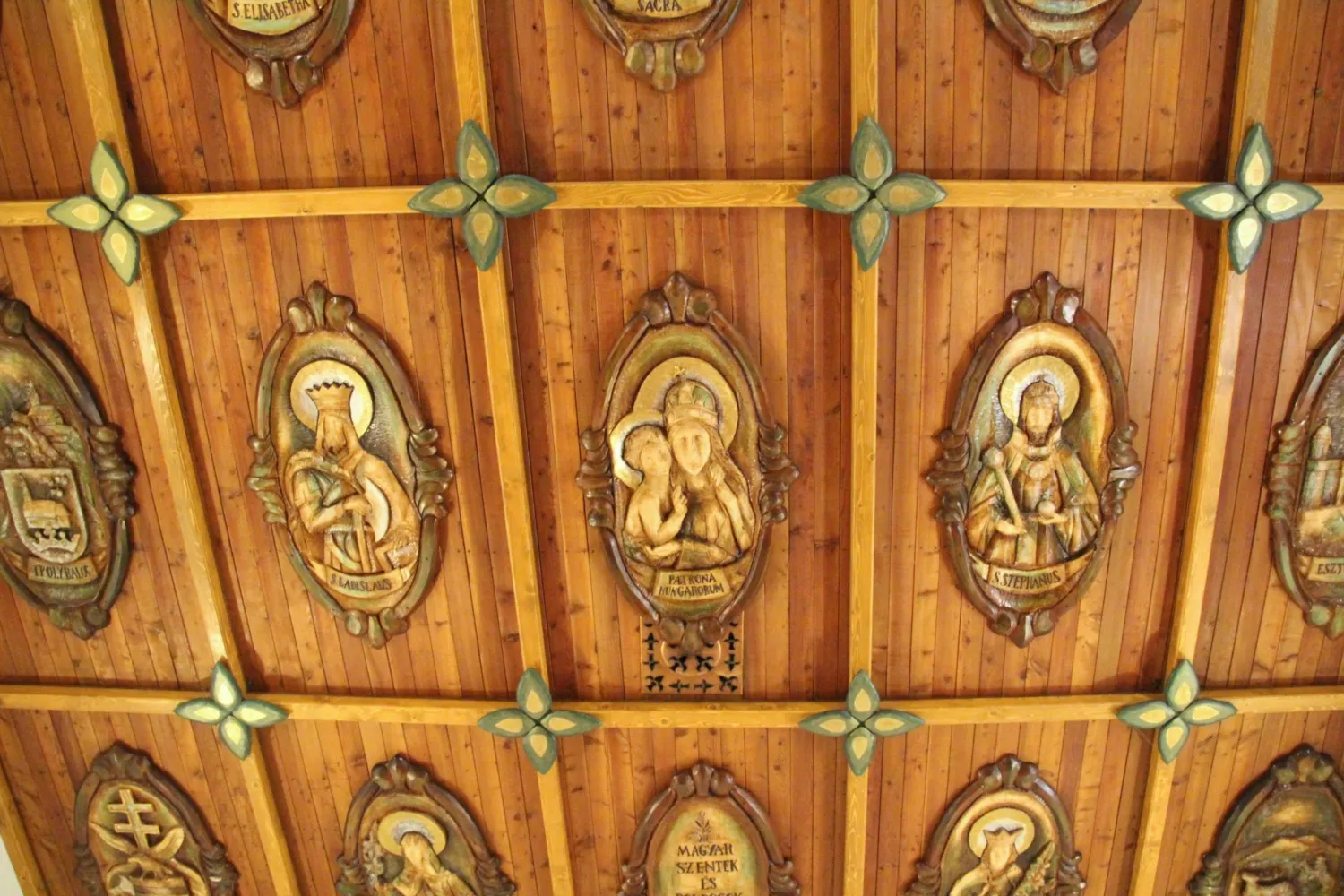
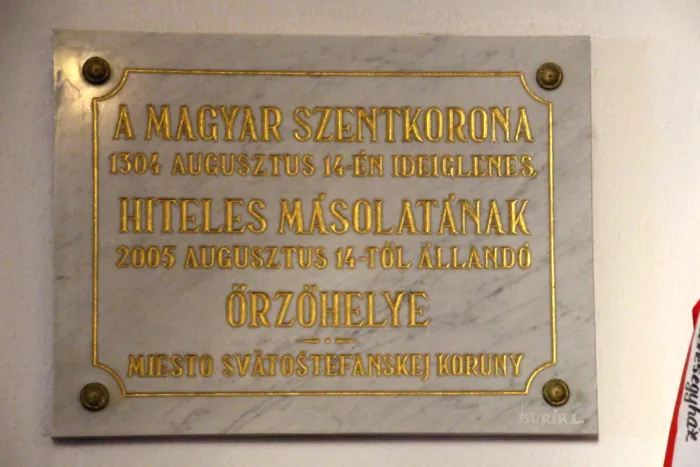
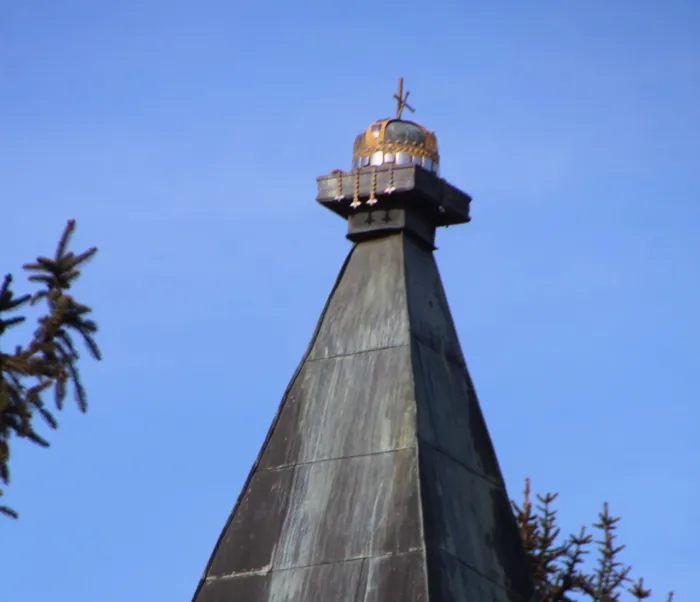
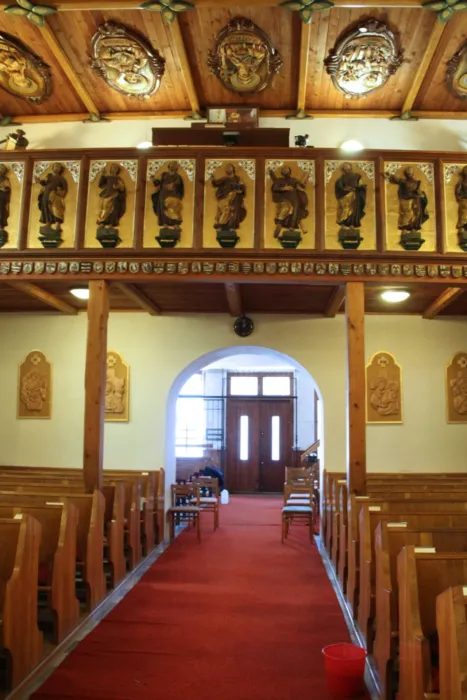
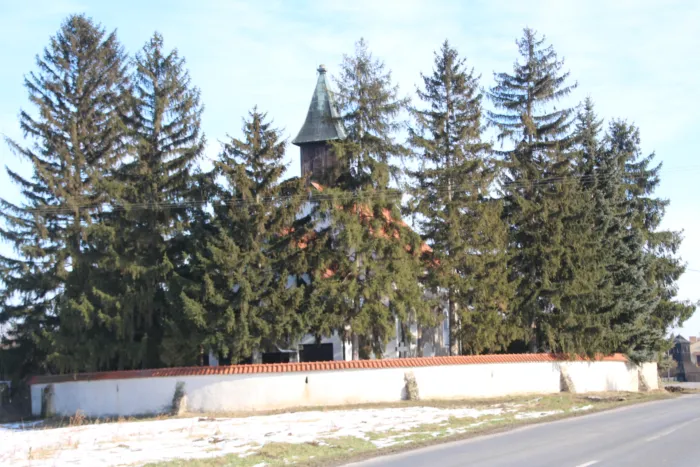
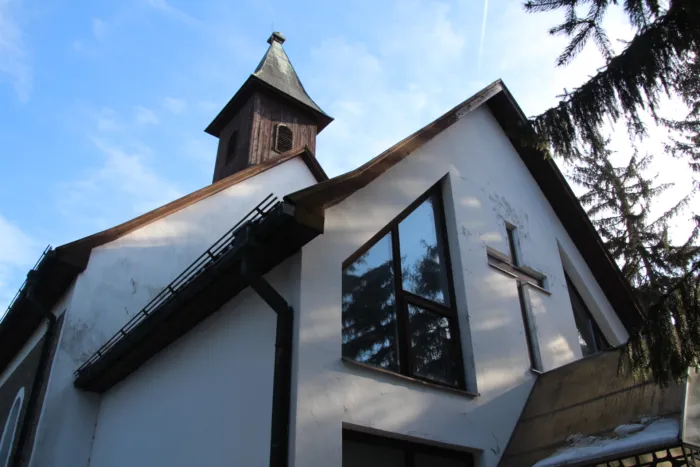
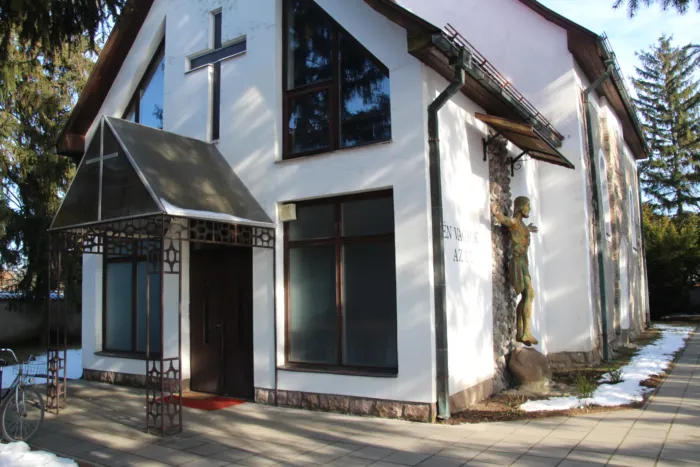
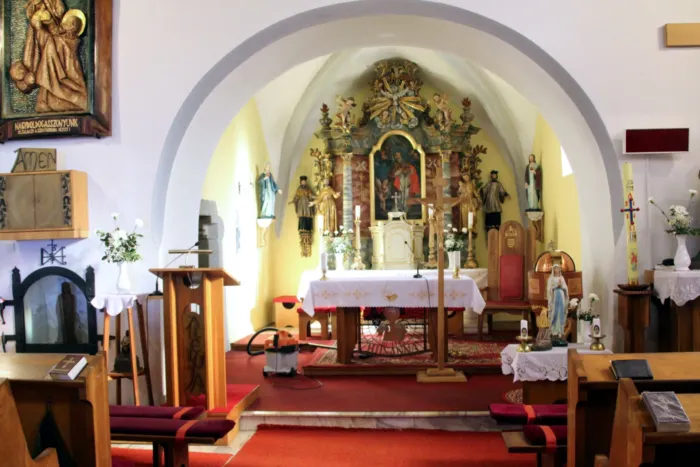
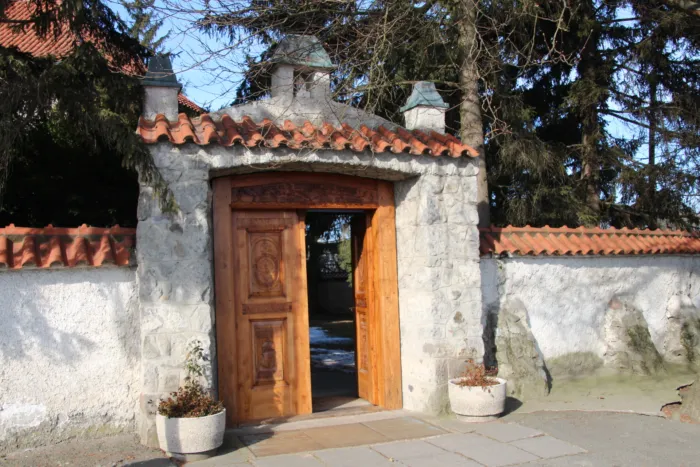
The famous settlement on the banks of the Central Ipoly was first mentioned in a document in 1232 under the name Bolug. If we approach the village from the Ipolyság direction, the first thing that comes to our attention is the church standing on a higher point in front of the settlement. This is one of the oldest Árpád-era churches in the region, which made the village known throughout the country and even beyond the border. According to the monograph of Hont county and the data of the Bratislava-Nagyszombat diocese, the Ipolybalog church stood in its current location in 1100. ; The originally Romanesque building was remodeled several times, and traces of all architectural styles can be discovered in it today. The Romanesque-era monuments are primarily preserved in the nave. However, only fragments of the southern wooden gate now remind us of the oldest era. After the expulsion of the Turks, the entrance was modified, a small poor house was built against the southern wall. This was demolished in 1926, and the old door was also walled up. Its damaged remains were discovered during the 1979 restoration. Fragments of the southern windows also recall the Romanesque period. The most valuable early remains of the building are the water-throwing stones of the church. ; The sanctuary was originally circular, as evidenced by the location of the four side pillars of the apse. The pillars were probably demolished during the Baroque period. The eastern window of the old sanctuary - which was also discovered during the last major restoration - has preserved its original form. However, the wall fresco behind the current Baroque altar, which depicts the patron saint of the village, has not been uncovered. The professional renovation of the early Gothic mural could not take place during the restoration due to lack of funds, so the painting is still hidden under a layer of lime. ; The interior of the apse of the church bears the marks of the Early Gothic period. Apart from the pointed arches, the oldest elements of this are the stone door between the sanctuary and the sacristy, and the stone altarpiece carved into the wall. The sacristy was probably built in the Baroque period. The tower also took on a Baroque shape at that time, which has also been modified since then. A replica of the Hungarian royal crown can be seen on the tower of the church. The reason for this is explained by the fact that during the feud between Charles Robert of Hungary and Wenceslas of Bohemia, the crown was kept in this church overnight. (Csáky 1996,11) In August 1304, Wenceslas II's troops set off with our national treasure towards Vác. Rétság and Horpács were the next destinations, then they crossed the Ipoly Bridge in Dejtár and headed towards Balog, where the crown was hidden in the church on the night of August 14. (Cseke 2005,29) The Ipolybalog church is the only one in Slovakia, apart from the St. Martin's Cathedral in Bratislava, whose tower is decorated with the Hungarian crown, and this is the most faithful copy of the Holy Crown seen on the tower of the three churches in the Carpathian Basin. The local historian of Hont County, Lajos Pongrácz, wrote in 1899 that “the crowning of the cross on the church tower probably occurred when, during the battles of Bocskai and Bethlen, the crown was taken from Bratislava on the national road through the Ipoly valley, sometimes to Košice, sometimes to Zvolen, and perhaps to Fülek Castle. (Honti Lapok, 22nd issue) However, it is more recently believed that the crown was placed on the church tower as early as 1464, by order of King Matthias. (Elmer: Új ember. http://209.85.104) Pongrácz also writes that in the 19th century, when the tower was being repaired, they wanted to replace the crown with a cross, but the people of Balog did not allow this. The parish priest of Ipolynyék, having learned from the “elders of the people” “about the pious reason for their opposition /.../, no longer wanted the church to replace the crown with a cross on the tower”. We know from the Historia Domus that the roof of the Balog church was shingle-roofed in 1852, but the cited case was not written about here. However, there was a problem with the crown during the 1979 restoration, but the Balogians, led by Canon Tibor Montskó, still stood by the holy relic. ; After the current parish priest, Ferenc György, came here in 2001, he also discovered that in 19224 the Czechoslovak authorities had the cavity in which the Holy Crown was kept walled up. The space under the former pulpit has since been excavated again, and since 2005 an authentic copy of the crown has been kept here. This was made by the Budapest goldsmith Kevi Farkas, striving for complete fidelity, even making the enamel images by firing. So that the copy It was able to be placed here in 2005, thanks to the then mayor Gábor Balogh and the mayor of Veresegyháza, Béla Pásztor, who was also from the village. The precious treasure was consecrated by Cardinal László Paskai, and the church of Ipolybalog with the Holy Crown has since become a kind of pilgrimage site here and beyond Ipoly. ; It is also the result of György Ferenc's initiative that the ceiling of the nave is now decorated with twenty works by master carver Ján Chovanec, which show the Assumption, the two Zobor-hegy hermits, Saint Stephen, Saint Imre, Saint László, Saints Elizabeth and Margaret, Bishop Saint Gellért and other symbols of the Hungarian people. ; On the parapet of the church choir, the twelve apostles and the statue of the Savior can be seen. The sculptures probably date from the 17th-18th centuries. They were originally in another church, but their exact location is not known. known. Their style is early Baroque, but some elements, such as the statue of St. John, form a transition between Gothic and Baroque. ; The painting of the Baroque main altar depicts St. Nicholas and is of no particular artistic value. The two middle statues depict St. Anthony and St. Francis of Assisi. They were then brought here in the 18th century from one of the larger monastic churches, when Joseph II dissolved the orders. They may have originally belonged to the Franciscans of Szécsény, since they were closest to the village, and the two saints were particularly revered in their circle (oral communication by Tibor Montskó from 1990). ; The other two black statues of the main altar once decorated the side altars. The place of origin of the valuable works may have been a Jesuit center. Perhaps Ipolyság could also be considered. St. John of Nepomuk and St. Francis of Assisi are the favorite saints of the Jesuits. (Csáky 1996,12) ; In addition to the above, there are a few other statues in the church. The pieta is one of the most common such works along the Ipoly. We can also see Little Saint Teresa in the usual representation: in a brown dress, white mantle and black veil, i.e. Carmelite dress. Saint Anthony stands before us in his brown Franciscan monk's hood. In the beautiful Madonna work, Mary appears in a blue mantle, holding a flaming heart in her right hand and the Infant Jesus in her left. They have crowns on their heads. Saint Joseph is also depicted in the usual way: with his usual props, the lily, and the Infant Jesus. However, the dimensions of the body seem to have been depicted disproportionately by the artist. Above the triumphal arch, a wooden statue of Christ the King can be seen. This is also an unusual work, with Christ holding an orb in his hand. There is also a statue of Our Lady of Fatima, and the beautiful relief of the Divine Mercy can also be seen. wooden work. The whitewashed walls were once decorated with expressive and captivating engravings depicting the Stations of the Cross by the Slovak Hungarian artist József Nagy. These are still in the church today, but new wooden works have been placed in their older places. ; The thick stone wall surrounding the building, with loopholes, may have been built for defensive purposes in the Middle Ages. The renovation of the old stone wall cover was also written about in Historia Domus in 1869. This work was probably done more professionally then, because the raw stone wall was later plastered, somewhat damaging its monument value. The wooden entrance door to the stone wall is the work of local master carver Imre Rados. The millennium gate made in 1896 is a fine example of the folk carving art of the time. On the two upper door panels we can see the Hearts of Jesus and Mary, decorated with floral motifs, with the text: “Oh sweet heart of our Jesus, / Grant that it may be hot let us love”, and “Sweet heart of the Virgin Mary, / Be our refuge.” ; On the lower left panel, the national coat of arms and the Hungarian royal crown can be seen, with the following text: “Oh, our mother, Mary, bless our country,/ Your faithful Hungarian people and our good king.” ; On the lower right panel, the master engraved the coat of arms of Hont County and this text: “Our father Árpád won this dear homeland with blood, / Fight for it with loyalty, valiant county, Hont.” There was a time when this door also caught the eye of the authorities, and they wanted to remove it. However, the Balogians protected this door as well, although they covered Imre Rados’s creation with sheet metal for a while. We hope that a similar act of coercion will never happen again, and that Ipolybalog can be a worthy place of pilgrimage for believers and Hungarians alike for many centuries.