
St. Nicholas Basilica, Nagyszombat
Building, structure
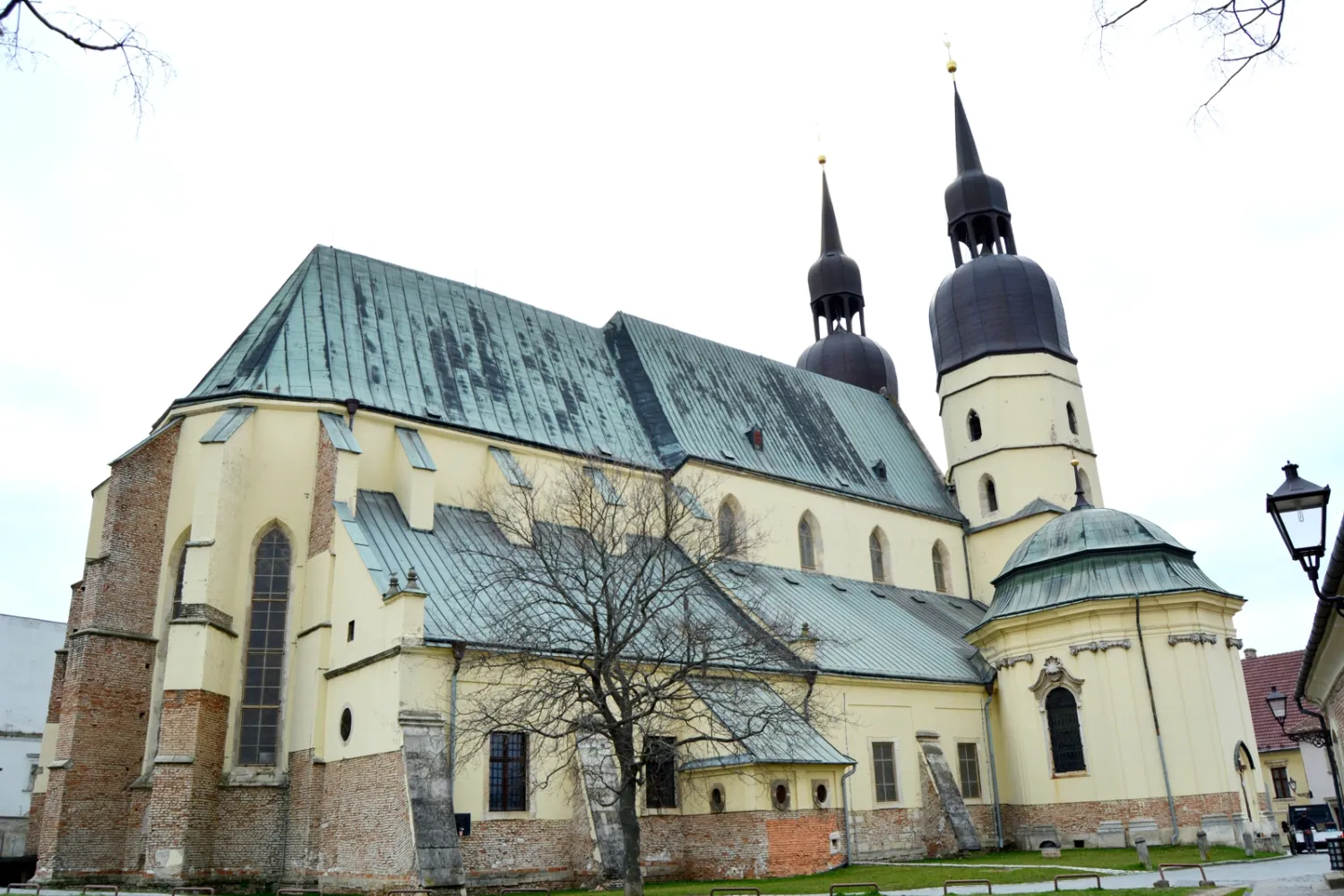
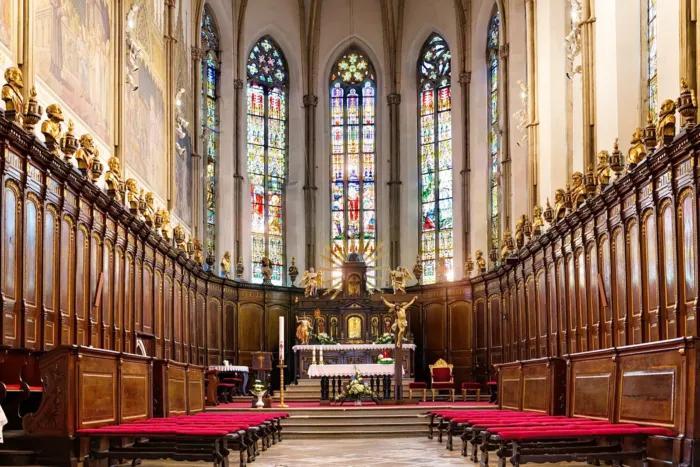
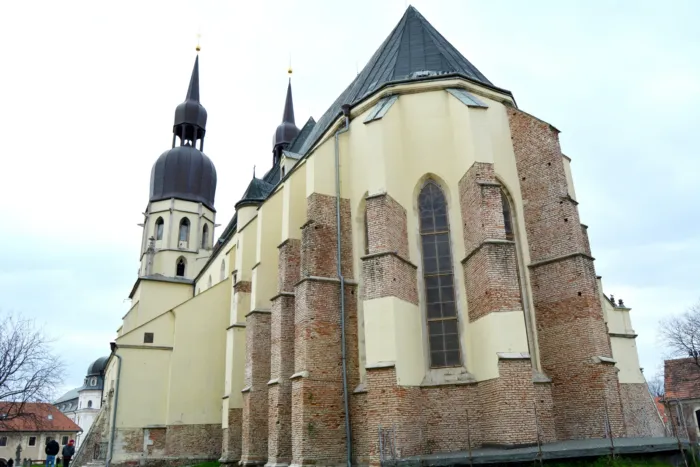
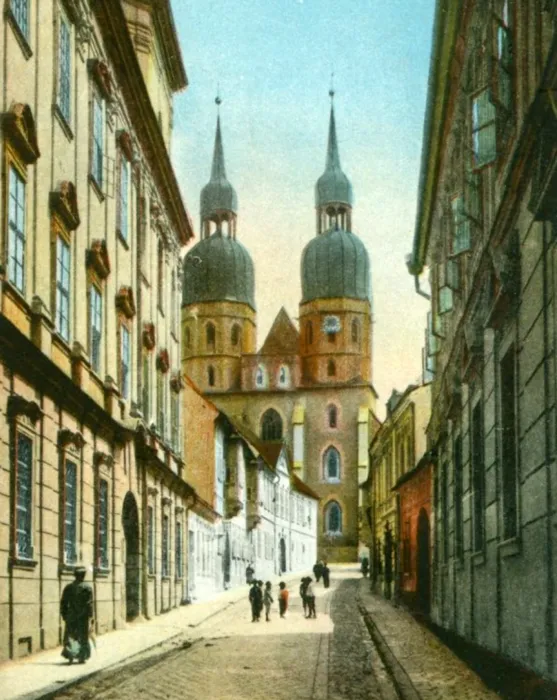
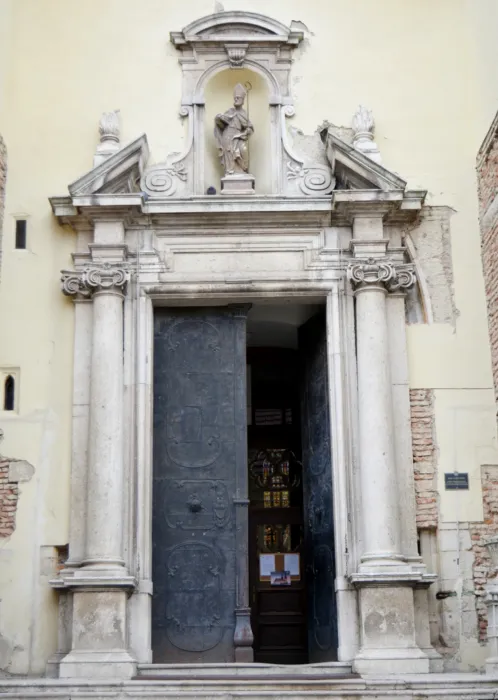
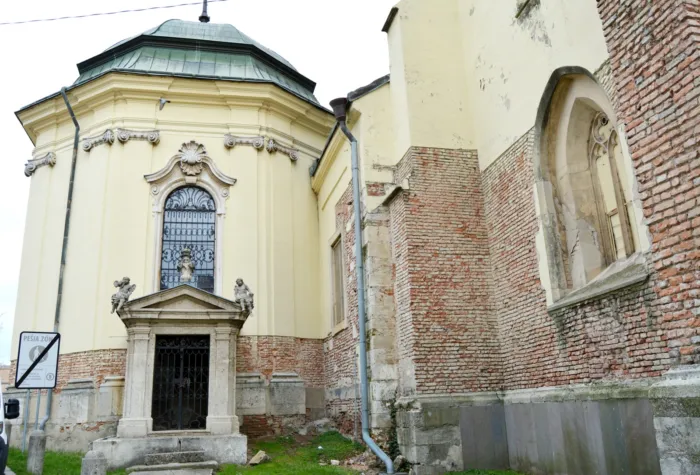
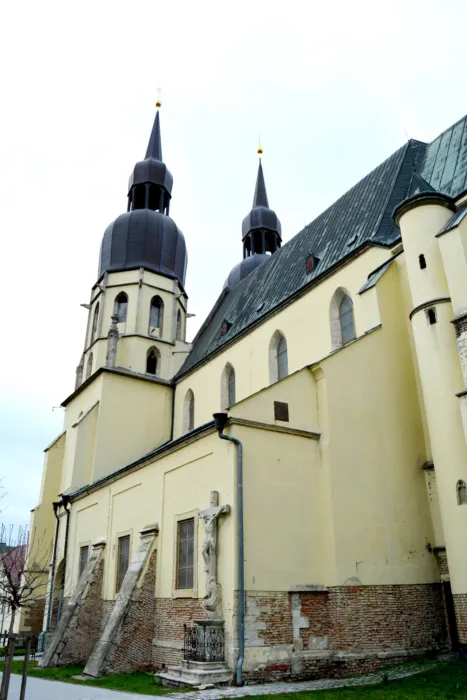
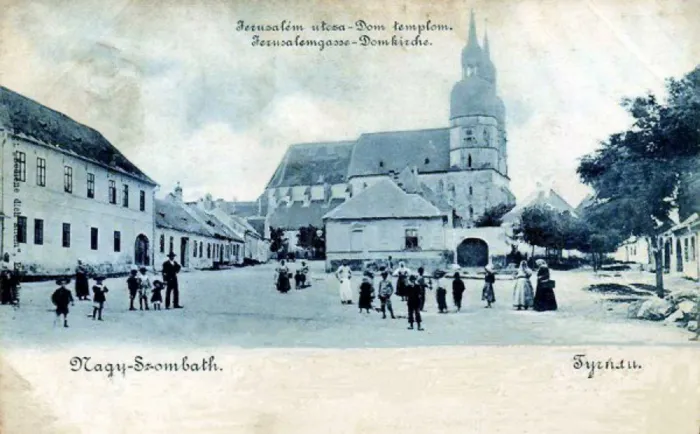
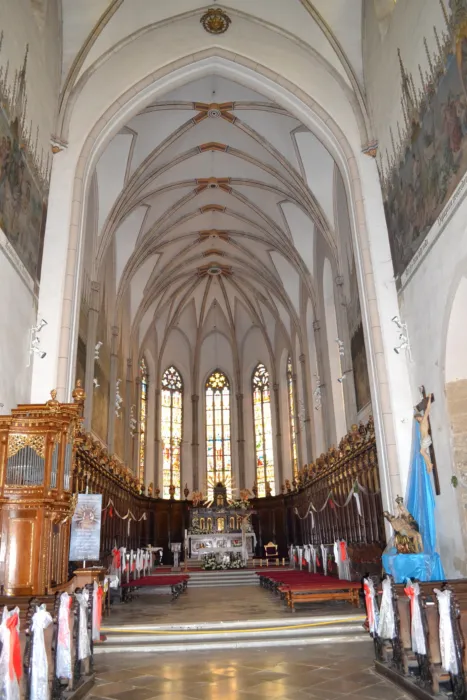
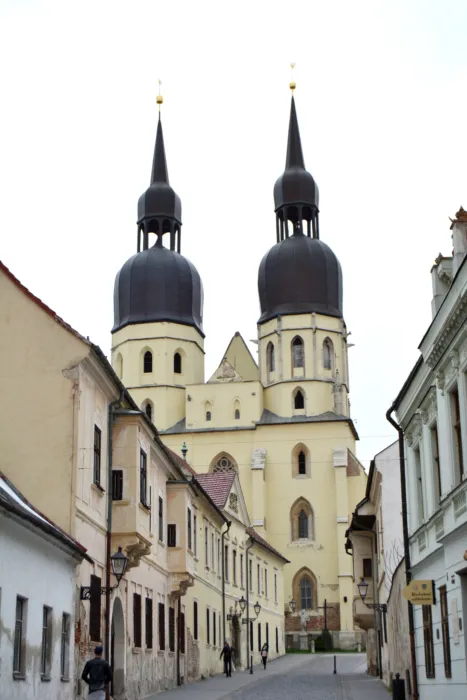
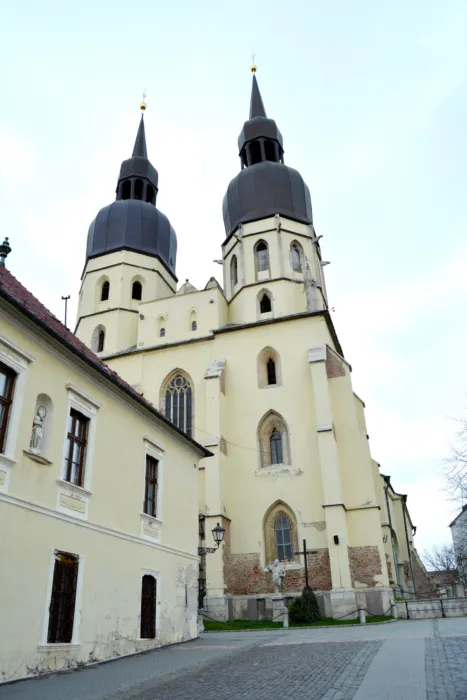
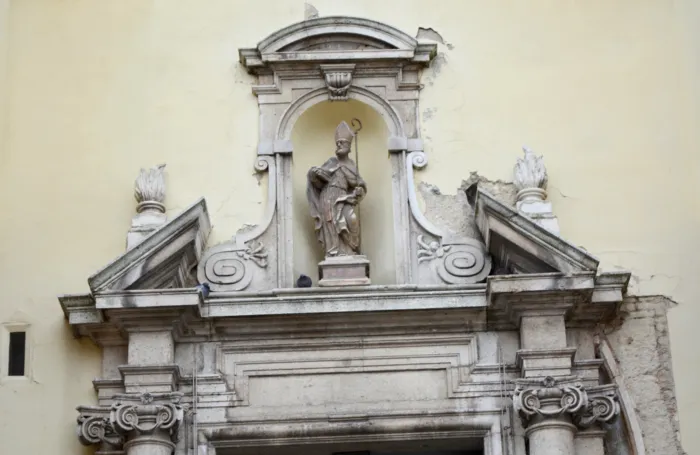
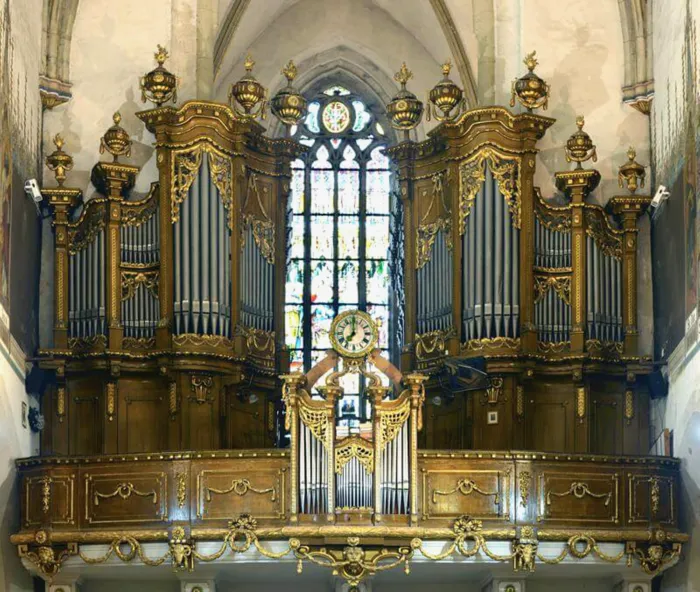
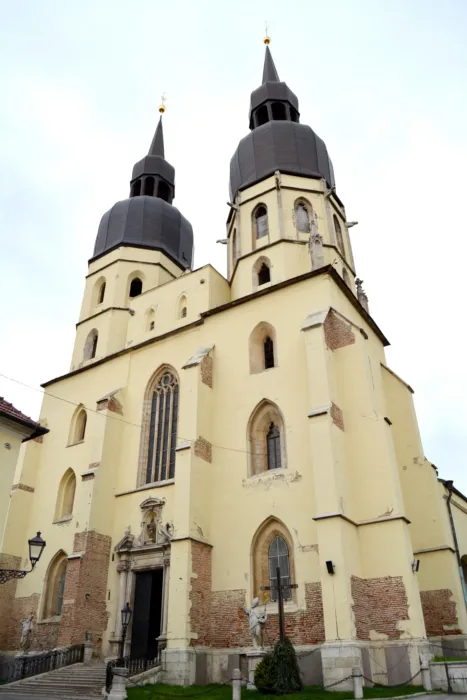
In the oldest inhabited place of the city, a Romanesque church stood in the 14th century. King Louis the Great ordered the construction of the Basilica of St. Nicholas, which can still be seen today, in its place. The works lasted from 1380 to 1421. According to its original structure, it was a late Gothic basilica with three naves, a two-tower facade, and Baroque side chapels. It is 60 meters long, 31 meters wide, and the height of its main nave is 18 meters. Of course, it has changed a lot over the centuries. ; It was the cathedral of the Archbishop of Esztergom between 1543 and 1820. It was at this time – in 1618 to be precise – that Archbishop Péter Pázmány ordered its reconstruction. The basilica was expanded with Baroque side chapels, a Baroque choir and organ, several new altars, and the pulpit, benches, and floor were replaced. At the same time, the external outlines of the building were also changed. The operations were completed by 1630. ; During a later transformation, which lasted from 1739 to 1781, an octagonal chapel was created in the northern part of the building, in the Baroque style. To this day, here, in the side chapel of the Virgin Mary, there is the icon of the Weeping Mary, which has been revered since 1546 as the protector of the city, and which has made the basilica a place of pilgrimage. According to legend, she has been seen weeping four times so far. The first time was before the Battle of Párkány, in 1663, the second time was on July 5, 1708, the third time was on August 8, 1708, and finally on August 15, 1708. The latter three cases can be associated with difficult days for the Kuruc troops. The icon is a copy of a painting found in the Church of Saints Elek and Boniface in Rome, which was commissioned and donated to the Church of Saint Nicholas by Ferenc Forgách, later Cardinal-Archbishop, in the 14th century.