
Church of St. Michael the Archangel, Zobordarázs
Building, structure
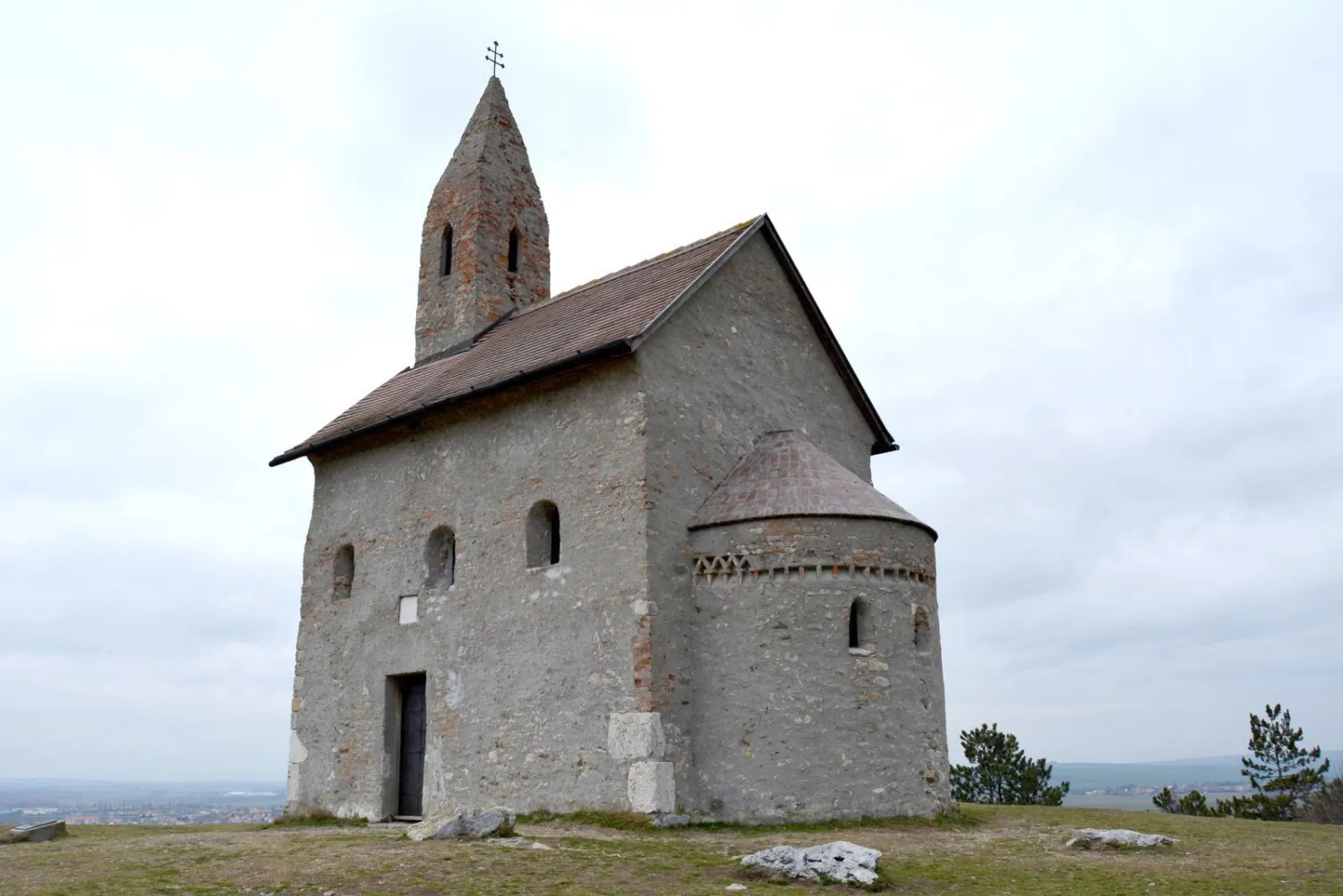
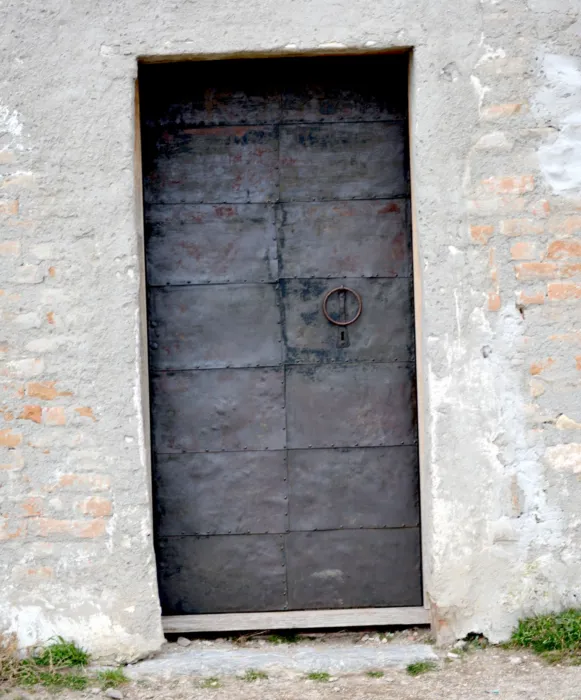
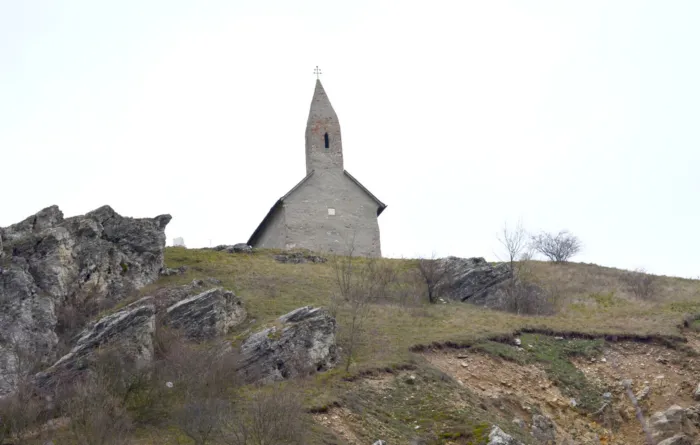
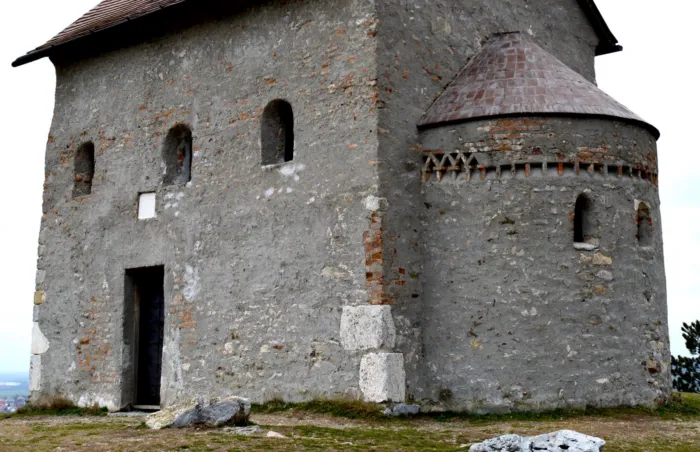
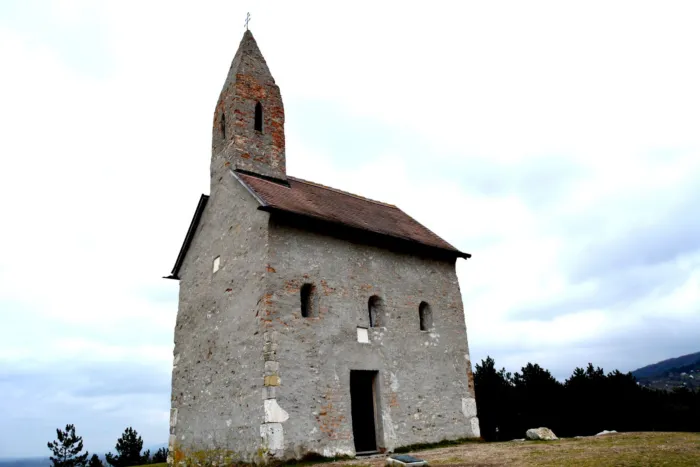
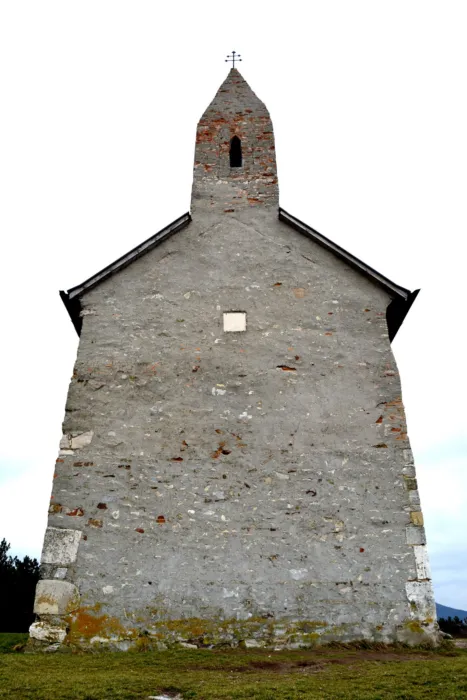
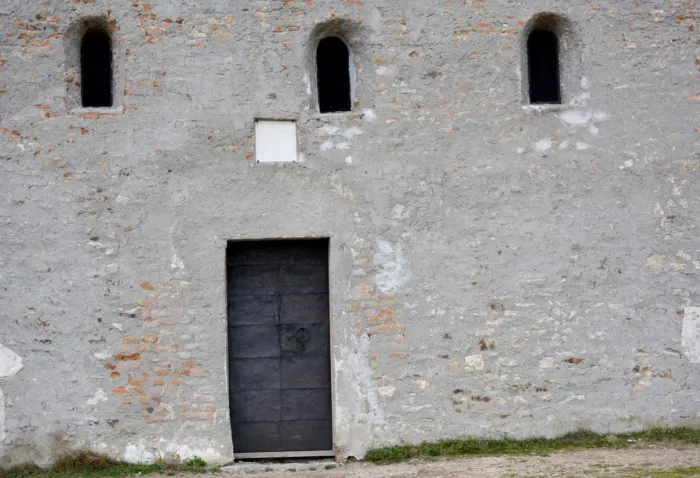
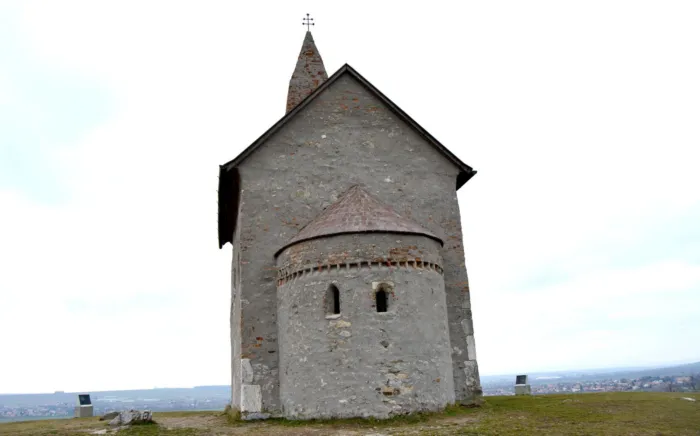
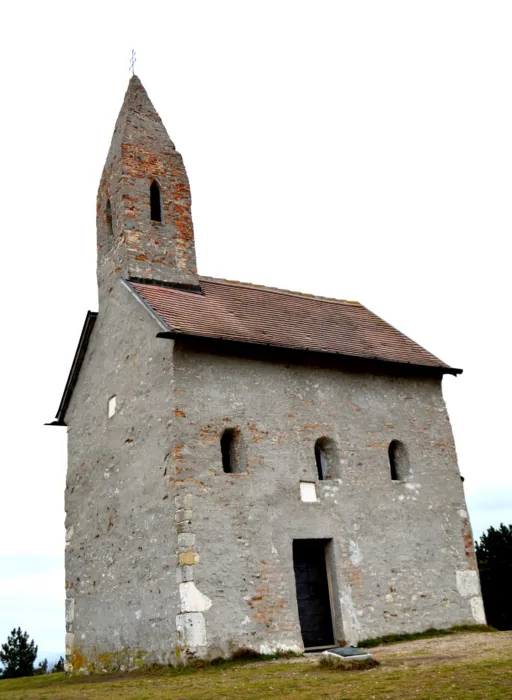
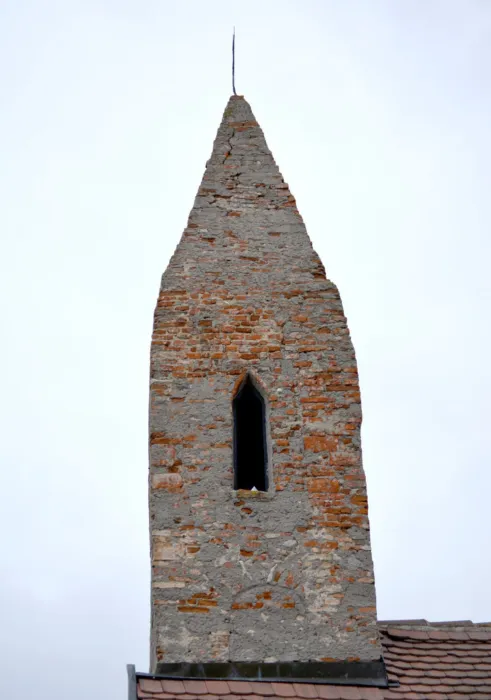
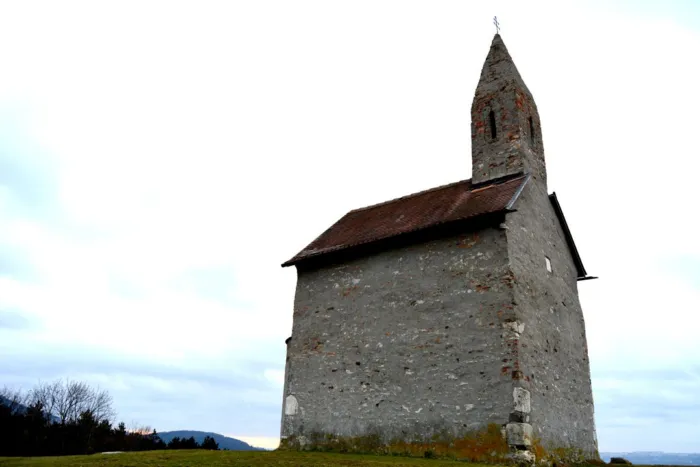
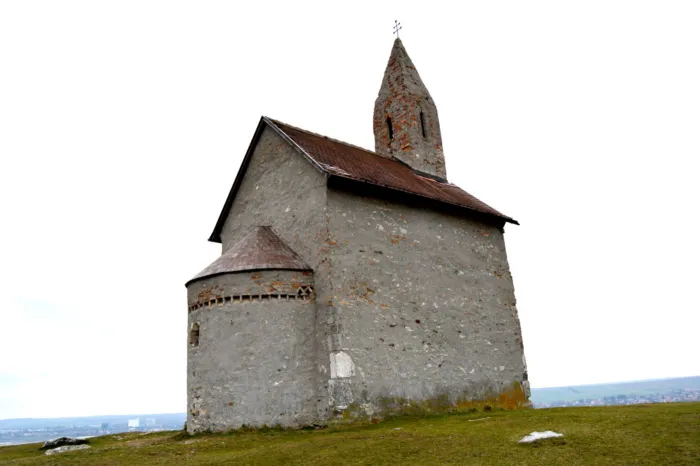
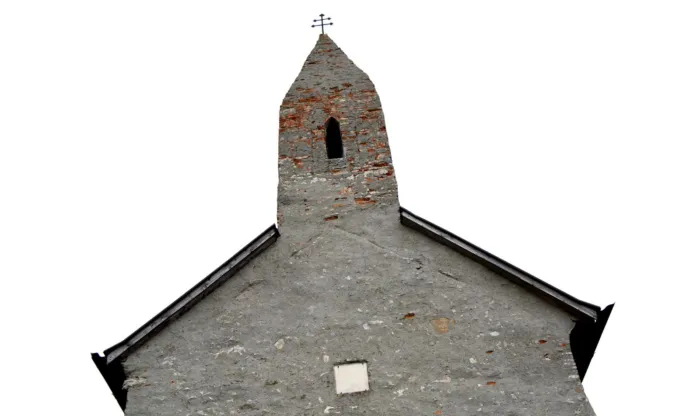
The name of the village of Darázs first appears in the royal charter of the Benedictine abbey of Zobor Hill in 1113, in the form of Drasey. (The prefix Zobor was given in 1910 to distinguish it from Darázsi in Hont County, also from the Árpád era.) In 1349, the settlement reappears as Darasy among the possessions of the Order of Saint Benedict, and then its name disappears from written sources for centuries. Its fate shared that of the city when the Turks captured the castle of Nitra in 1663, and then when, as a favor after the conquest, the bishopric took care of its resettlement and the construction of the Church of Saint Francis of Xavéri. ; The plateau above the village, which reaches 174 meters, can be reached by a fifteen-hour walk on the road leading through the forest. A huge dolomite clod rises above the flatland of the Nitra River, its western edge ends in a steep ravine. Nearby is one of the most beautiful and best preserved monuments of the Carpathian Basin. It was built in the 12th century in honor of Saint Michael the Archangel. Its nave is five meters wide and six and a half meters long, its straight-arched entrance, protected by an iron door panel, opens on the south side, and above it are three Romanesque-era funnel windows in a regular order. The slender, stone-capped tower, resting on a stone-walled chancel, rises above the western gable. The sanctuary, oriented towards the east, ends in a semicircular arch, with a sloping, simple Romanesque-style window opening in its axis, and a brick-walled, Norman-style wolf-tooth frieze on its pediment. The decoration is like the dentilated gate frame of the chapel of the royal palace in Esztergom from the end of the 12th century. ; The building's walls, mostly made of brick and broken stone, were reinforced with large cornerstones. The remains of a medieval palanquin castle and cemetery enclosure wall were excavated around the church. The grave finds date back to the 11th to 17th centuries, during the period under Hungarian rule.