
Church of St. Michael the Archangel in Levan
Building, structure
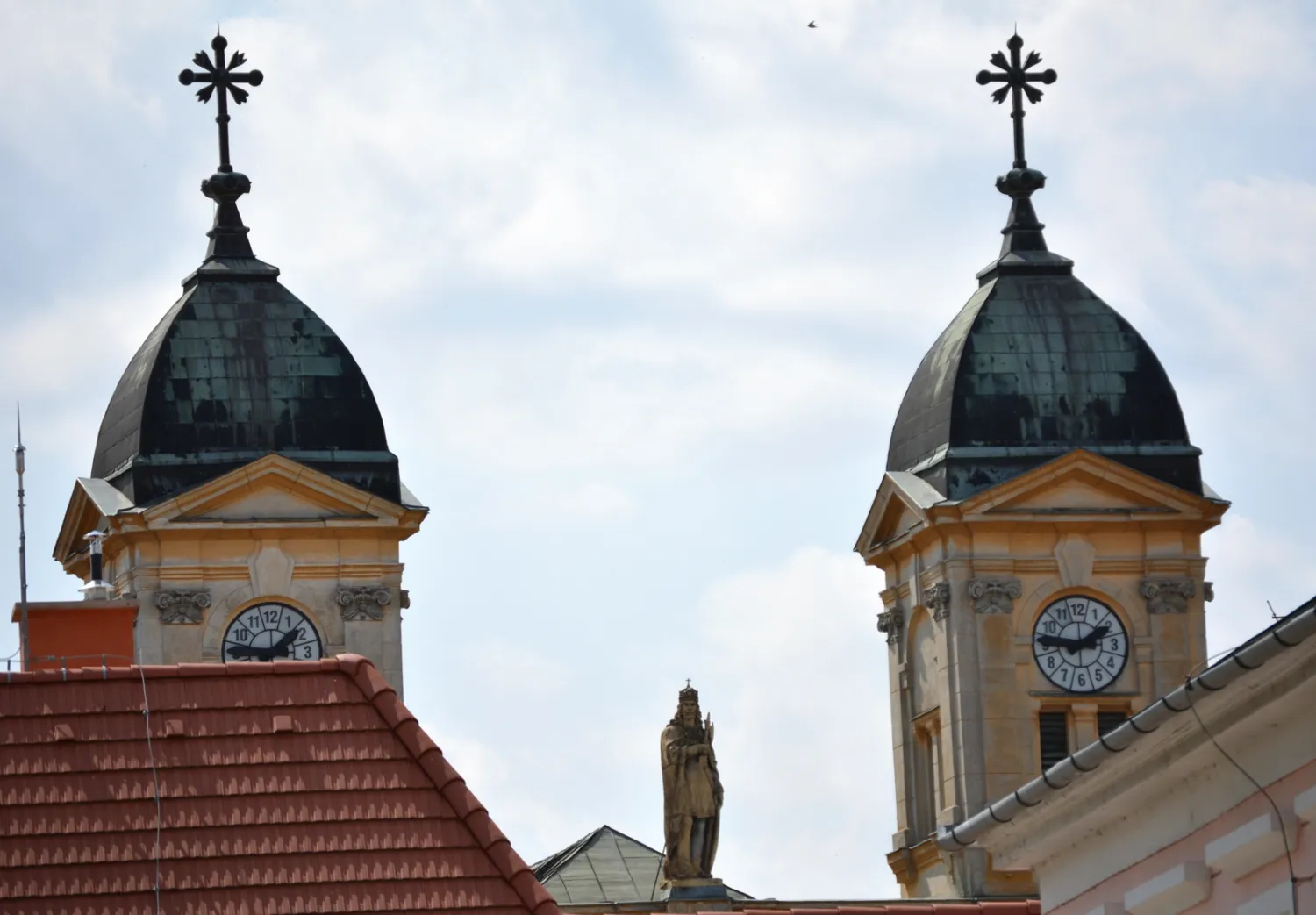
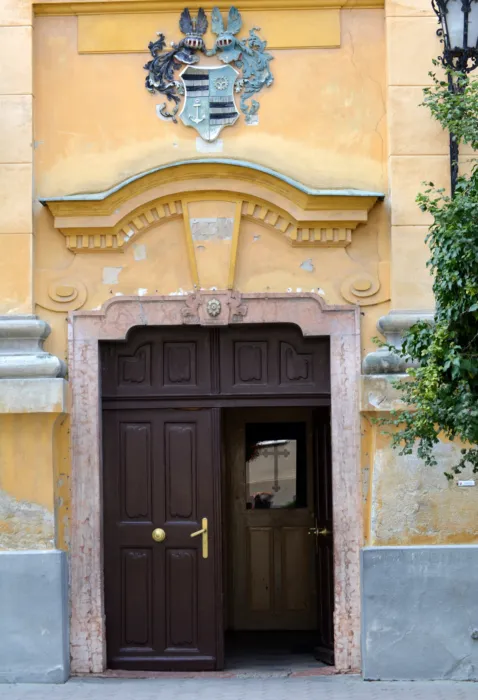
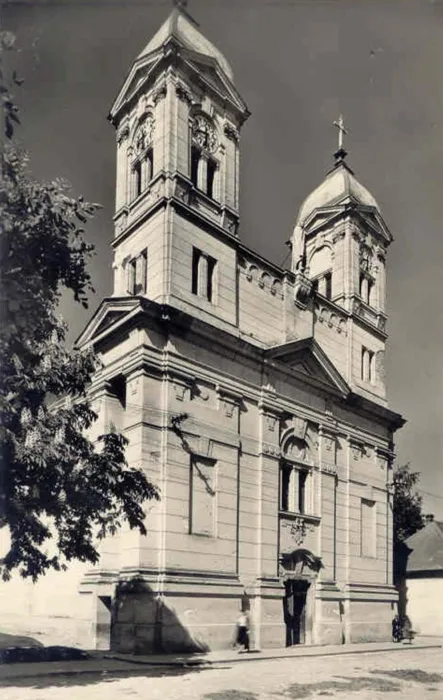
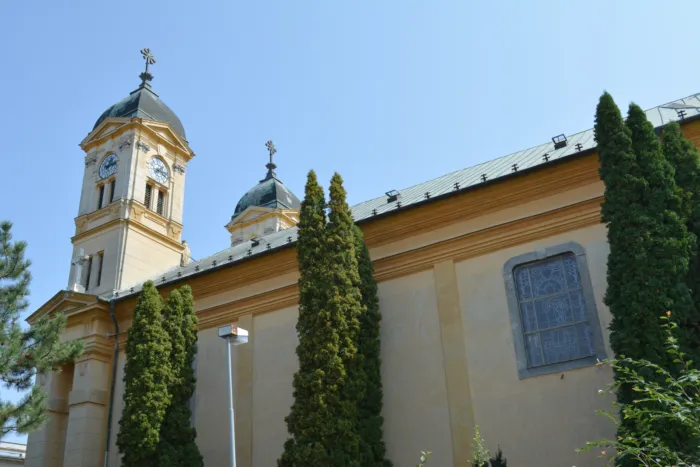
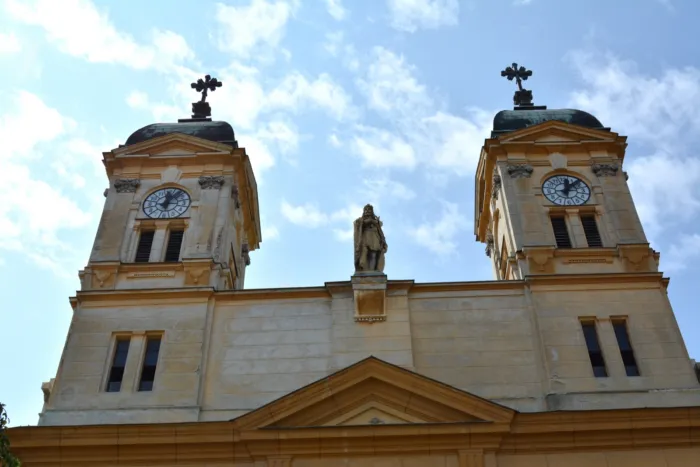
On the left side of Úri Street (the street connecting the main city gate and the main castle gate), in the middle, there was already a church dedicated to Saint Ladislaus in the 14th century. ; During the Reformation, Protestantism spread so much in Léva that, according to a report by the church authorities, the Léva parish ceased to exist, and at the end of the 16th century, there was only a Catholic parish in Garamszőlős in the Léva region. ; Then the era of the Counter-Reformation began. At that time, Archbishop Péter Pázmány settled Jesuits in Léva in 1624. Undoubtedly, thanks to the Jesuit fathers, the Catholic Church began to flourish again in Léva, and the parish's activity and religious life resumed. ; From 1647, the Roman Catholic Church in Léva had a new patron saint, the popular patron saint of the anti-Turkish wars of the time, Saint Michael the Archangel. ; In 1663, the Turks captured Léva and held it for 223 days. During this time, the famous Turkish traveler Evlia Çelebi visited Léva and the castle, and in his description he mentions two churches in Léva, which are most likely the churches of the Catholics and the Evangelicals of Léva. The Turks turned both into mosques during their stay in Léva. ; After the expulsion of the Turks from Léva, the Jesuits closed their mission colony in Léva and in 1675 the Minorites of Saint Francis settled in Léva. ; On August 18, 1696, a huge fire devastated Léva, which also destroyed the churches and schools of Léva. In 1698, together with the citizens of Léva, Baron Miklós Jaklin rebuilt the burned-down Catholic church, enlarged it, and had a stone tower built. ; After the restoration of the church by Baron Jaklin, the church burned down twice more. On September 2, 1772, 245 houses were reduced to ashes and 3 people died. The bells also melted. ; In the next fire, 31 houses burned down. After this fire, the city vowed to erect a statue of St. Florian, which was indeed erected in 1777. ; In 1786, the new patron of the Léva manor, Prince Miklós Esterházy, rebuilt the Léva parish church in its current size with 1 tower, but it burned down again on July 24, 1808 and after repairs it only stood with a truncated tower. The bells were placed next to the church on a wooden belfry. After a long time there was no financial support for the construction of the new tower, the tower stump was demolished, and the material was used to pave Úri Street (now St. Mihály Street). In the 1850s and 1860s, there was a deep religious life in the city, which is also proven by the fact that Koháry Street provided more priests to the church than the entire Bars County. ; In 1891, Antal Lakner, the parish priest of Léva, retired and was replaced by László Báthy, later a provost, to whose name are attached timeless merits. ; On his initiative, the tower-building association was founded, which in 1902, with public donations, had an imposing double tower erected on the parish church, which had been without a tower for 90 years, and between them, the Budapest sculptor Albin Hölzel had a 3 m high statue of Saint Ladislaus made of pyrogranite (commemorating the church's former patron saint) placed (the work was made in the Zsolnay porcelain factory in Pécs). ; The family of the former mayor of Léva, József Mészáros, supported the construction of the tower with 9,000 forints. ; During World War I, three of the parish church's 5 bells were taken away, which were only replaced in 1926. ; The church has a single nave with a long rectangular sanctuary, a sacristy on two sides and a pair of towers built above the gabled main facade. The altar, built in the classicist style, is from 1793, with a pseudo-columnar solution, symmetrically placed statues, and in the middle there is a painting depicting the Archangel Saint Michael, which was made after the work of Quid Reni. The side altars are also in the classicist style, dating from the end of the 18th century. ; The late Baroque carved benches from the middle of the 18th century, which depict scenes from the life of Saint Francis, are noteworthy. The classicist epitaph-relief of the Esterházy family with a coat of arms and inscription was made in 1786. The impoverished nobleman Kolonich Sigfrid was buried in the church crypt. ; The interior of the church of Saint Michael was last renovated in 1991.