
St. Martin's Cathedral
Building, structure
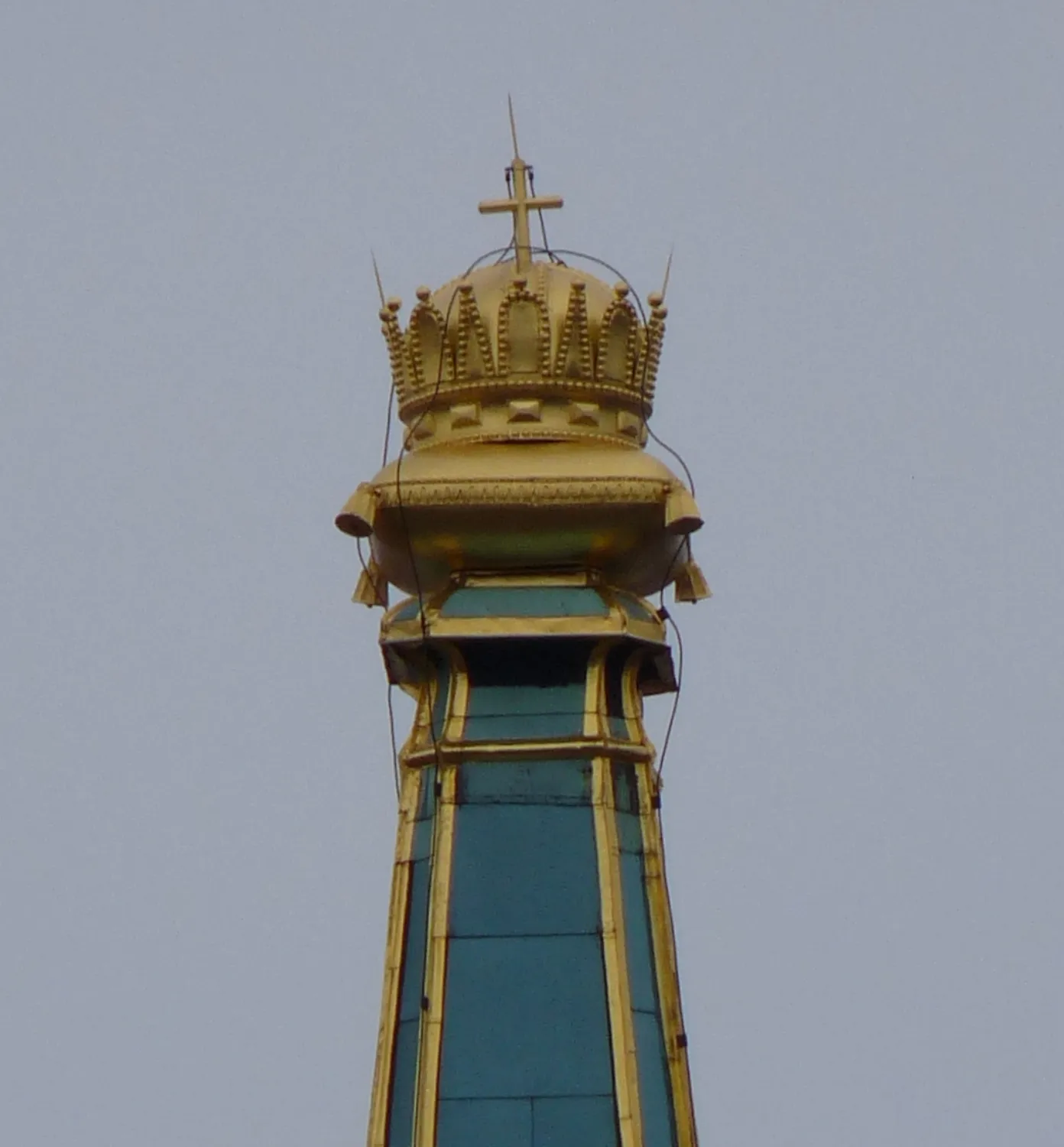
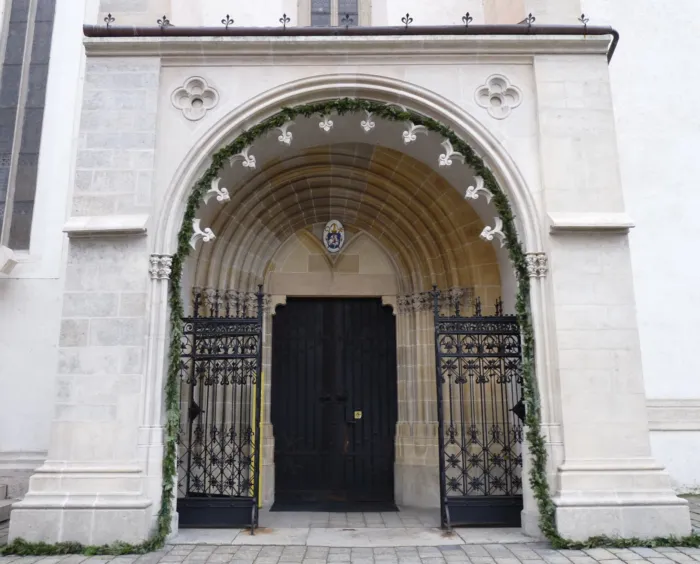
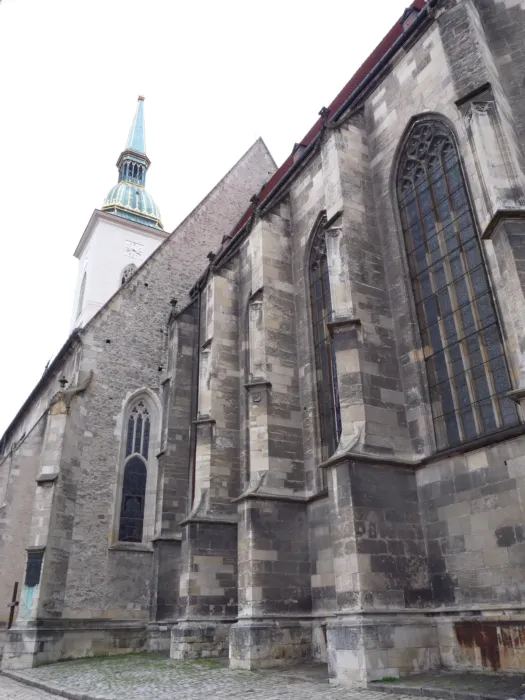
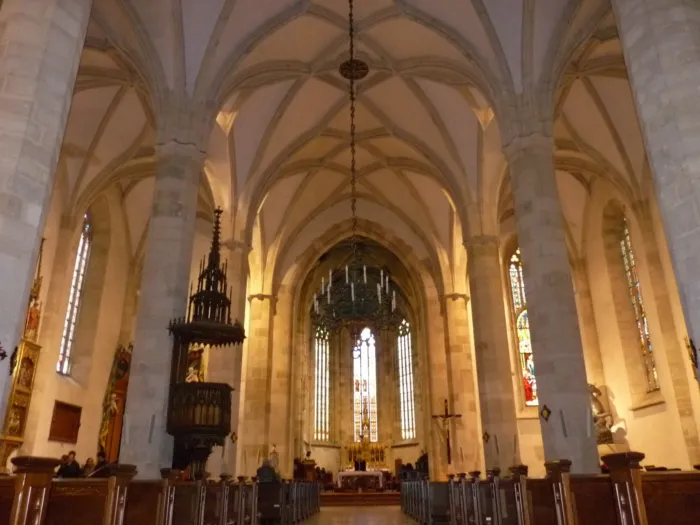
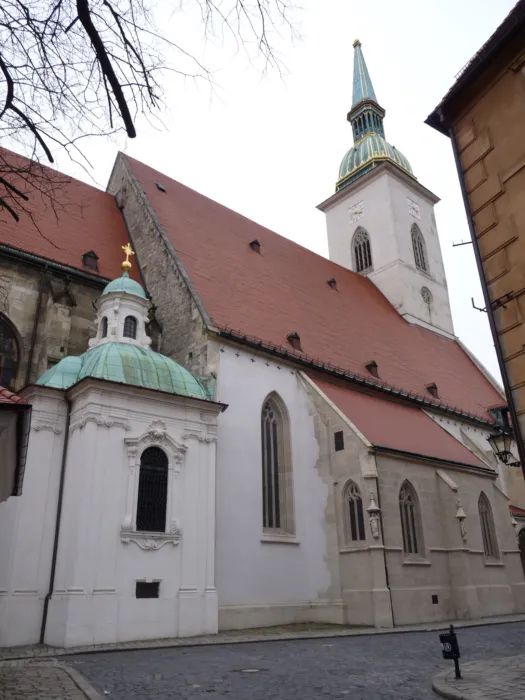
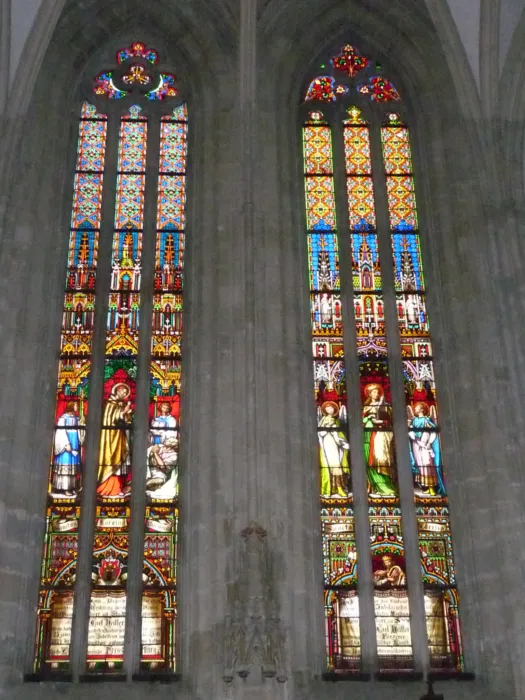
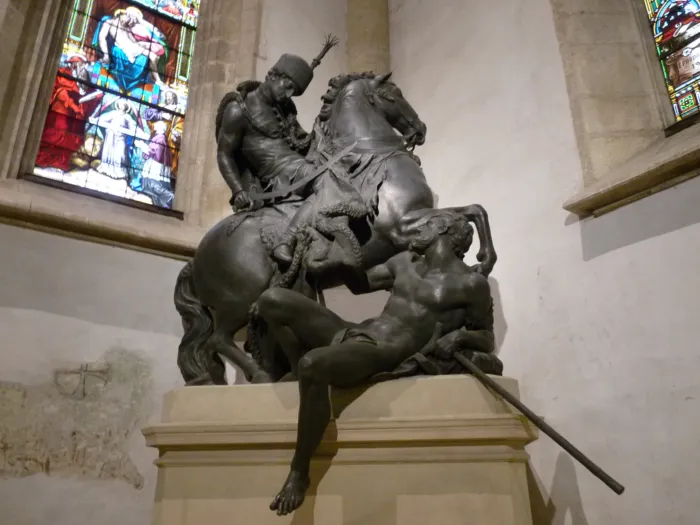
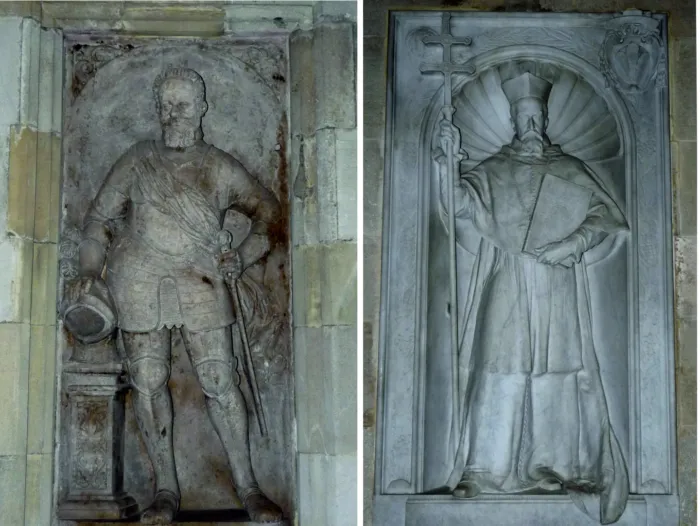
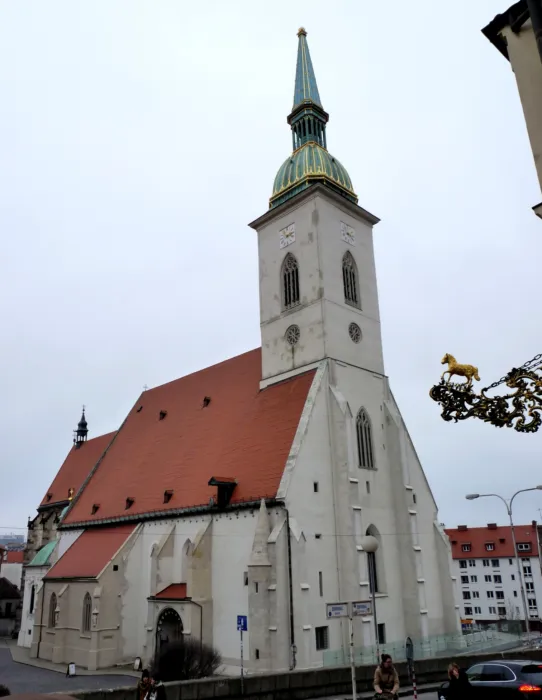
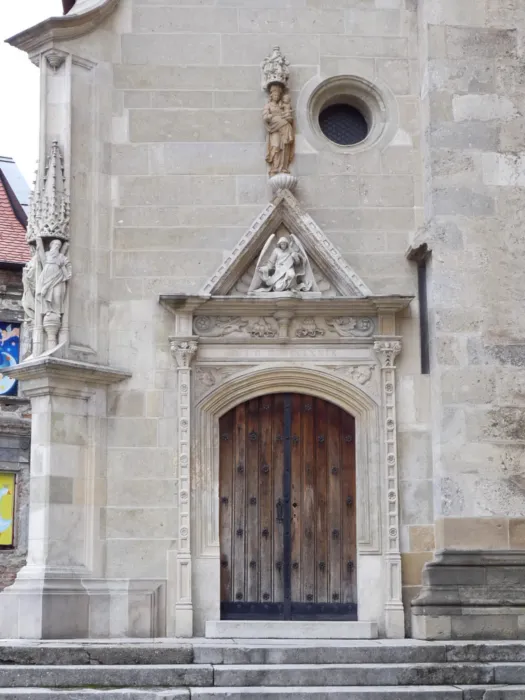
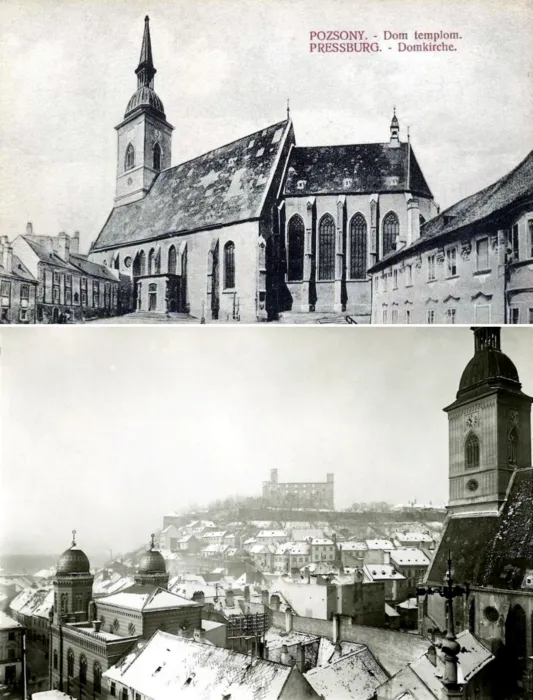
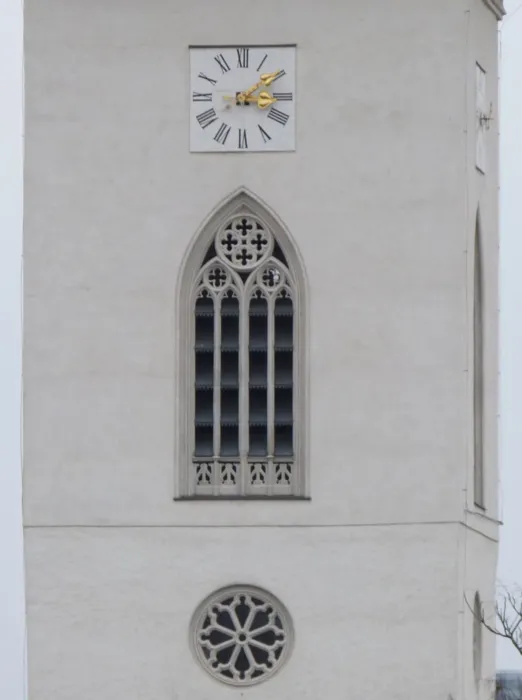
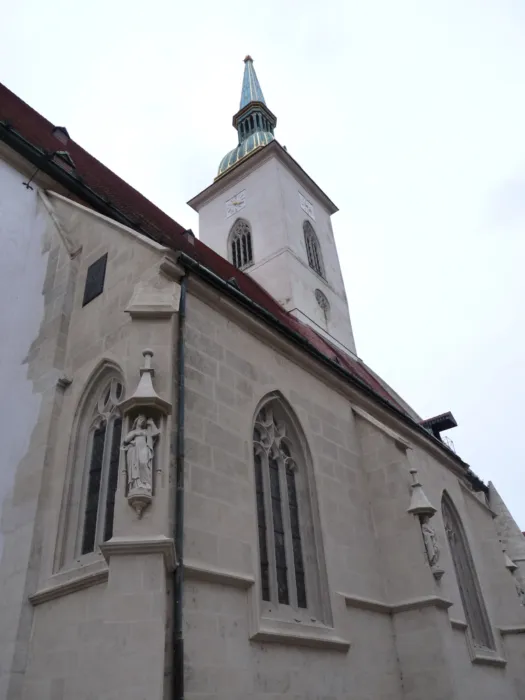
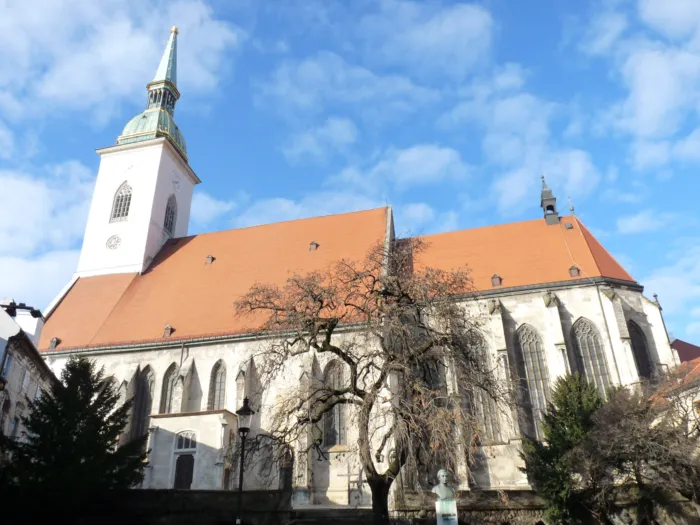
There are more than five thousand St. Martin churches in the world. Among them is the St. Martin Cathedral in Bratislava, or better known as the Coronation Church, which – together with the city – played an extremely significant role in Hungarian history. ; The outstanding historical significance of the church lies in the fact that after the central part of the country, including the former coronation city of Székesfehérvár, fell into Turkish hands, this church became the venue for the coronations of Hungarian kings. Between 1563 and 1830, 11 Hungarian kings and 8 queens were crowned here. Due to its significance, it became the main burial place of the Kingdom of Hungary at that time. Nicasius Ellebodius, an Aristotle expert, philologist, physician, and canon of Esztergom, was buried here (1577). The archbishops of Esztergom, István Fejérkövy (1596), Péter Pázmány (1637) and György Széchenyi (1695), and the bishops of Veszprém, András Monoszlóy (1601) and Zsigmond Zongor (1658), were buried here. Several palatine, secular high priest, treasurer, chamber councilor, vice-governor, mayor, city judge and senator were also buried here. ; It acquired its current form between 1863-1878. A. The interior of the multi-chapel, three-nave Gothic church is 69.3 meters long and 22.85 meters wide. The height of the tower is 87 meters. A decorative cushion was placed in place of the cross, and the gilded Hungarian crown weighing 300 kg was placed on it. The church tower was part of the city's fortifications, so it also served as a bastion. The naves of the cathedral are separated by a total of eight columns in two rows. ; The earliest church in Bratislava, which was also the seat of the provostship and chapter, stood on Castle Hill, but this location proved to be unfavorable from a defensive point of view. Between 1204 and 1221, the church and the provostship moved to the settlement of Váralja, located east-southeast of Castle Hill, to its present location. At that time, a Romanesque church dedicated to the Most Holy Savior, which previously stood on the site of the present cathedral, was built. Since the church was also used as a parish church by the city's population from the beginning of the 14th century - making it the oldest parish in Bratislava today - the building soon proved to be too small. Therefore, between 1311 and 1314, new walls were built around the former church, enlarging it in the early Gothic style. The Gothic-style construction and expansion continued for centuries. The parts that had been completed by then were consecrated in 1452 to the Most Holy Savior and Saint Martin by the Archbishop of Esztergom. During this construction period, the sanctuary of the church only extended to about 1/3 of its current size. During the reign of King Matthias, between 1467-1487, the building was significantly expanded to its current size, in the late Gothic style. In the period between 1467-1878, numerous further repairs and expansions took place in the church. Thus, around 1510, Archbishop Tamás Bakócz of Esztergom also built on the church. The Renaissance frame of the outer door of the vestibule in front of the southern entrance of the nave was carved by Anton Pilgram in 1525. ; Of the chapels of the church, the most beautiful and richest in monumental value is the Baroque Chapel of Saint John the Almsgiver, adjacent to the northern side of the sanctuary. It was commissioned by the Archbishop of Esztergom, Imre Esterházy, in 1732 by Georg Rafael Donner. Donner also made the church's spectacular, Baroque main altar. Although it was later dismantled, some of its elements can still be found in the church, in less prominent places. The most famous element that once featured on the altar is the half-life-size, lead-cast statue of the patron saint of the church, Saint Martin, born in Savaria (Szombathely), which now stands in the southern aisle. ; Between 1863 and 1878, Canon János Heiller had the church renovated according to the plans of József Lippert, using purist, neo-Gothic elements. ; In the mid-20th century, several, not very successful interventions were made on the building. The tragic consequences of the construction of the new Danube Bridge and the associated expressway swept away an area of a city block from the old city center of Bratislava in the immediate vicinity of the church and cut off the cathedral from Castle Hill.