
Holy Spirit Minorite Church and Monastery in Levoča
Building, structure
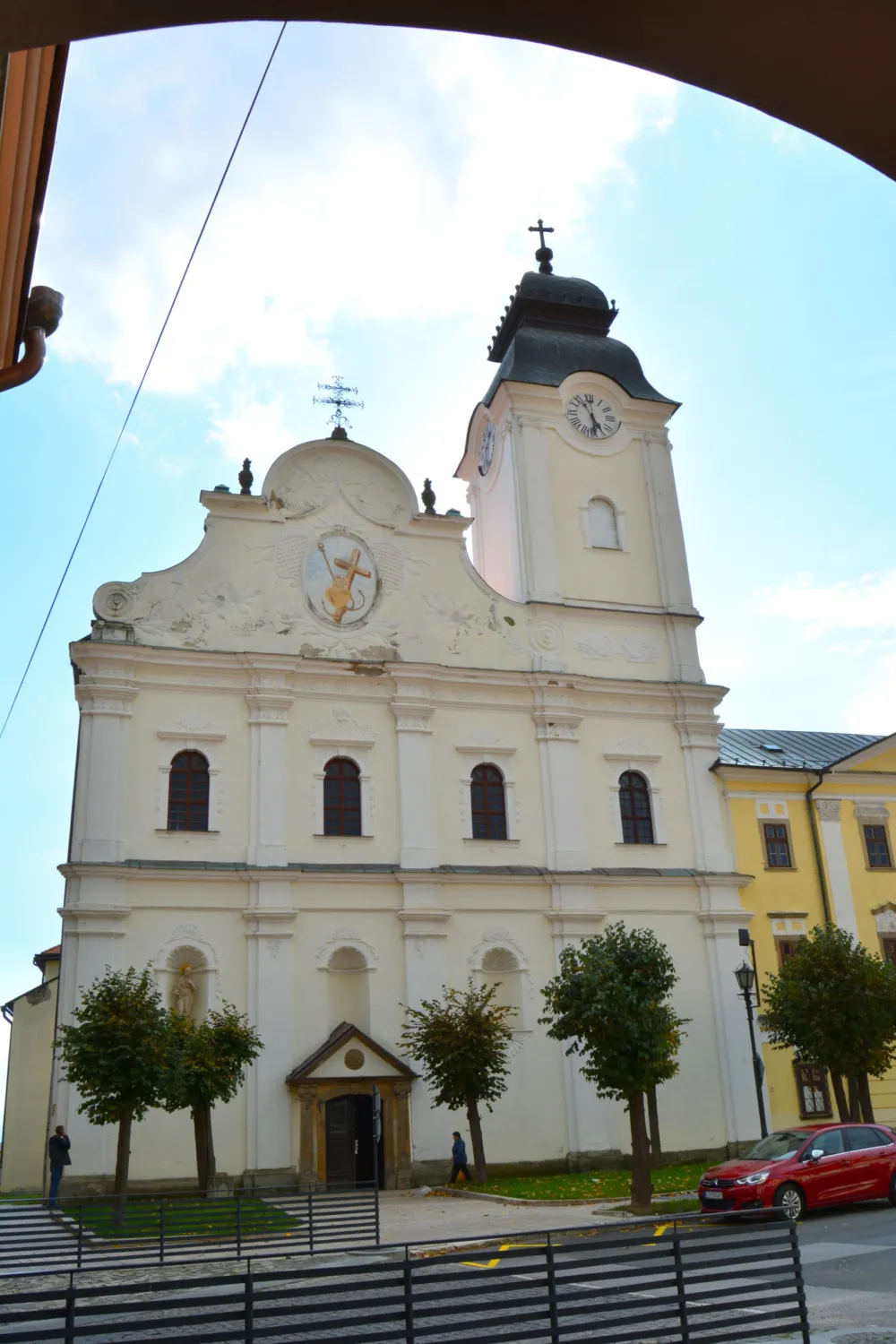
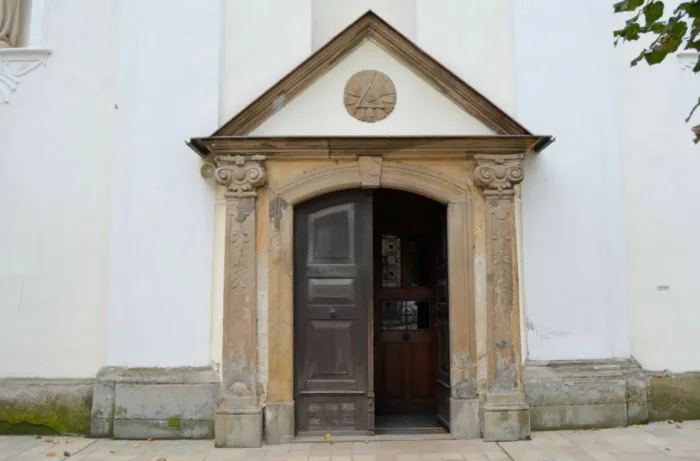
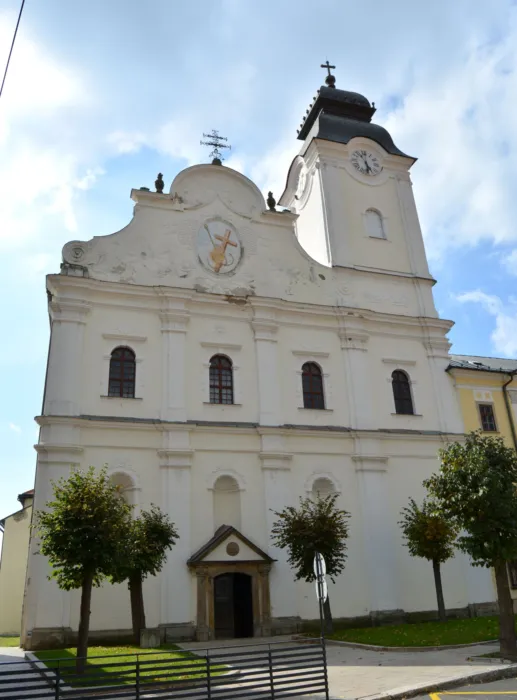
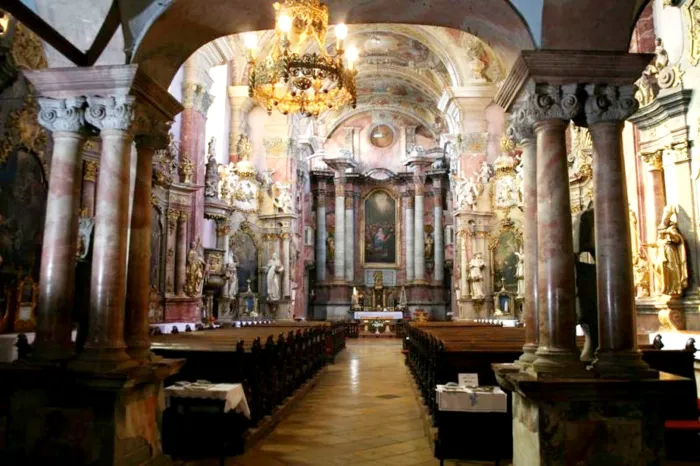
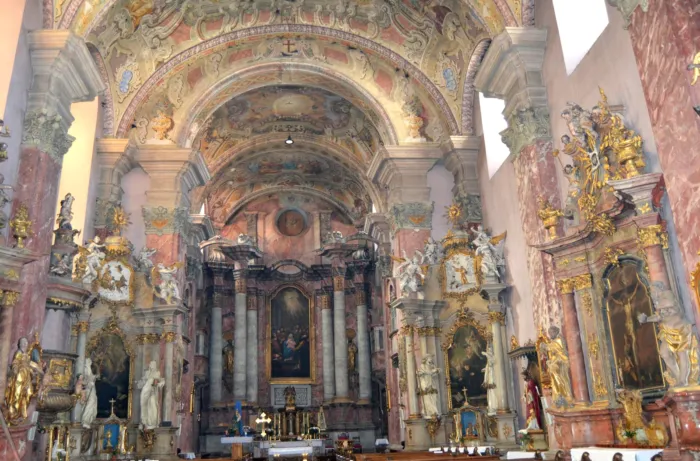
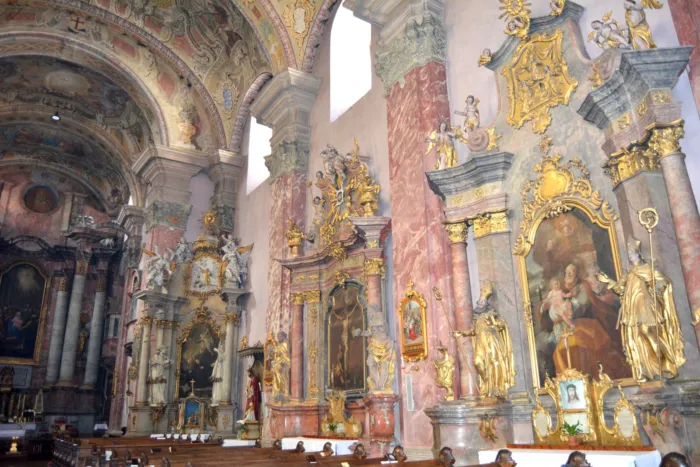
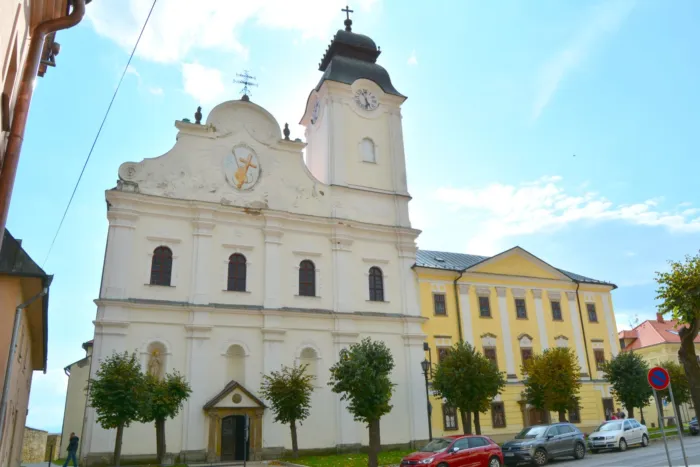
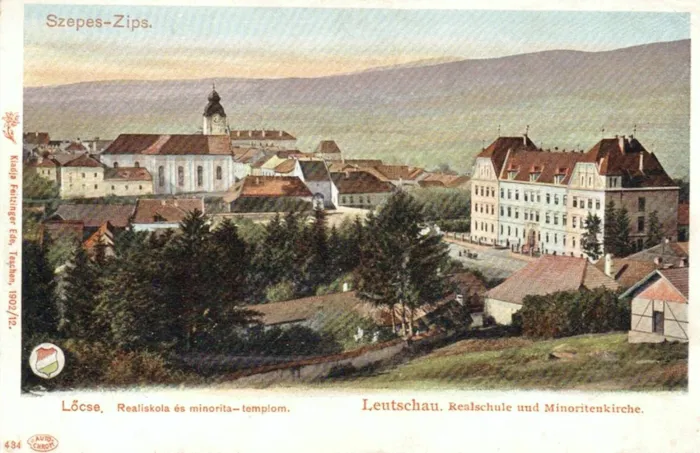
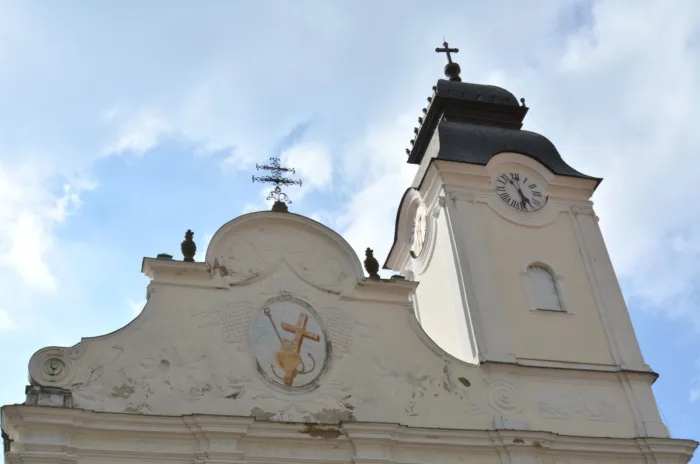
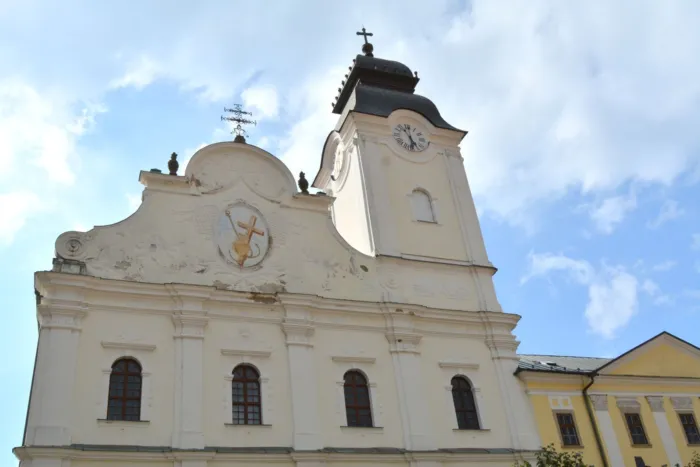
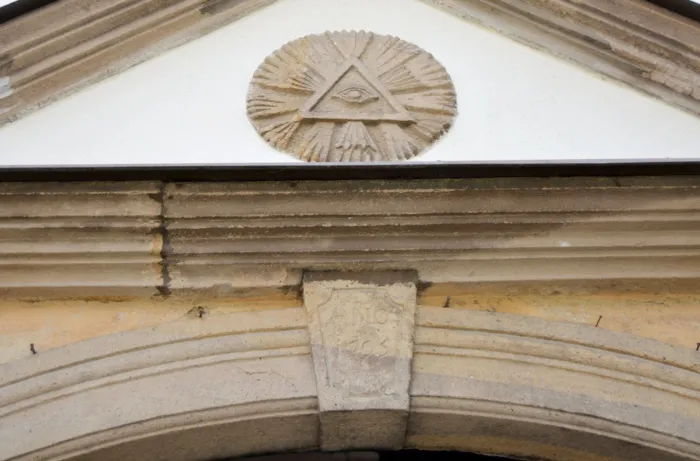
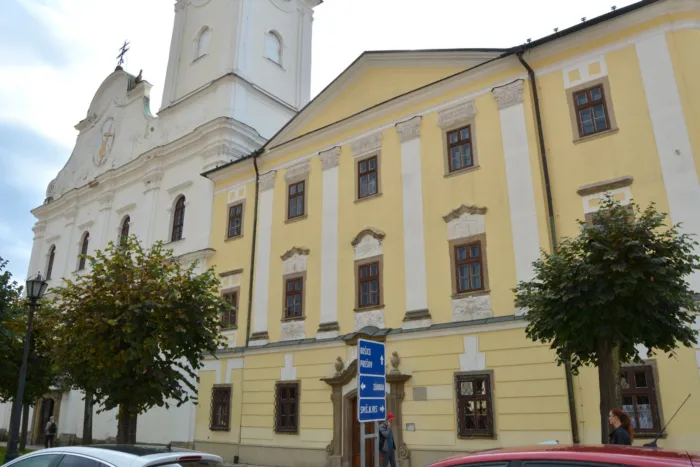
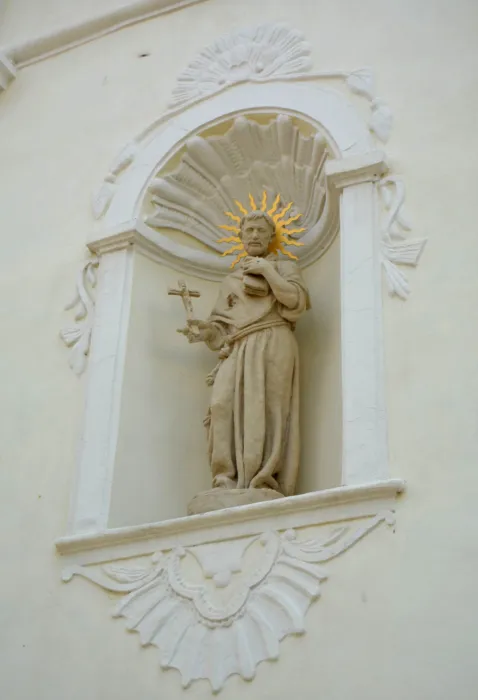
The Franciscan Minorites arrived in Levoča sometime at the end of the 13th century or in the first years of the 14th century. We have information about their first monastery in the city from 1309. During the Reformation, in 1544-45, the Franciscans, like all Catholic institutions, had to leave the city. In the meantime, however, the former Minorite monastery and church next to the Polish Gate fell into the hands of the Jesuits. Thus, during the Counter-Reformation, when the Franciscans were able to return to Levoča, they were given the Holy Spirit Church and hospital next to the Kassai Gate. The Gothic-style church that had stood on this site for centuries was destroyed in a fire in 1747. ; The current, street-front, closed-row, late Baroque-style church with a nearly north-south axis, single-nave, gabled roof, and straight sanctuary closure was built in 1748-51. It was built between 1811 and 1812. Its northern, street-facing, gabled facade is divided by pilasters and cornices. Its asymmetrically placed tower rises flush with the facade, drawn to its western corner. The mural on the facade depicts the symbols of faith, hope and love. ; The church's uniform Baroque interior is very rich. The walls of the vaulted churchyard are covered with frescoes by the Levoča painter O. I. Trtina. The painting on the main altar is a work by the renowned Levoča portrait painter József Czauczik, depicting the filling of the Holy Spirit. The altar painting of the Sorrowful Mother to the left of the choir was painted in 1868 by the Levoča master T. Böhm. The other paintings are the work of unknown masters. The reliefs on the oak pews depict biblical events. ; On the night of April 13, 1950, the Czechoslovak communist authorities broke into the monastery, interned the monks, and nationalized the monastery building. It was divided into two and used for secular purposes until the change of regime. The monks were only able to return to their stolen building in 1993. Today, the church can be visited in its original beauty after a thorough renovation.