
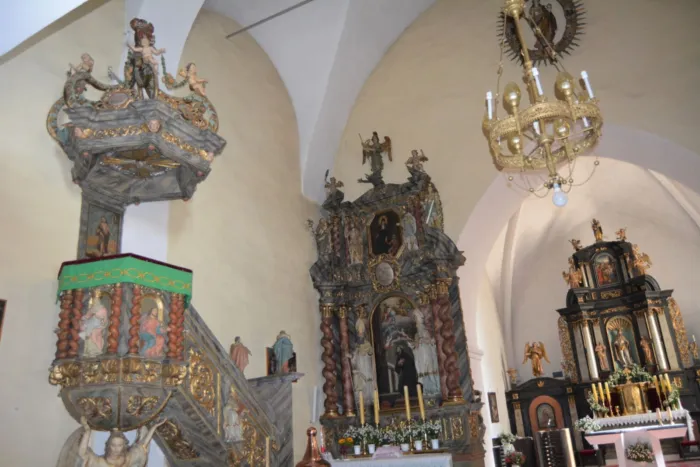
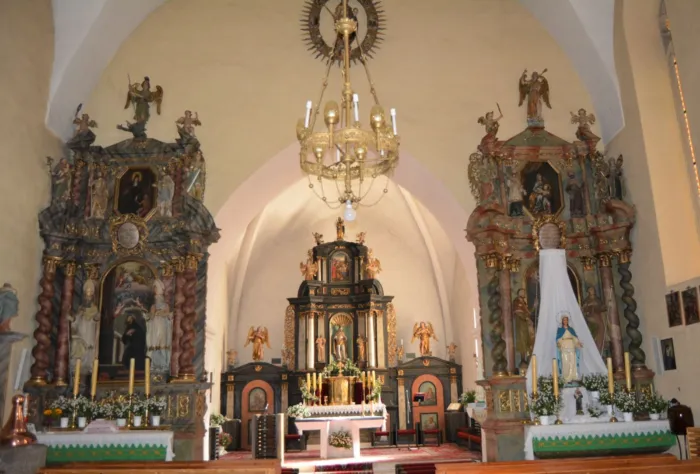
St. Ladislaus Church and Szapolyai Chapel in Csutokröthely, interior
Building, structure
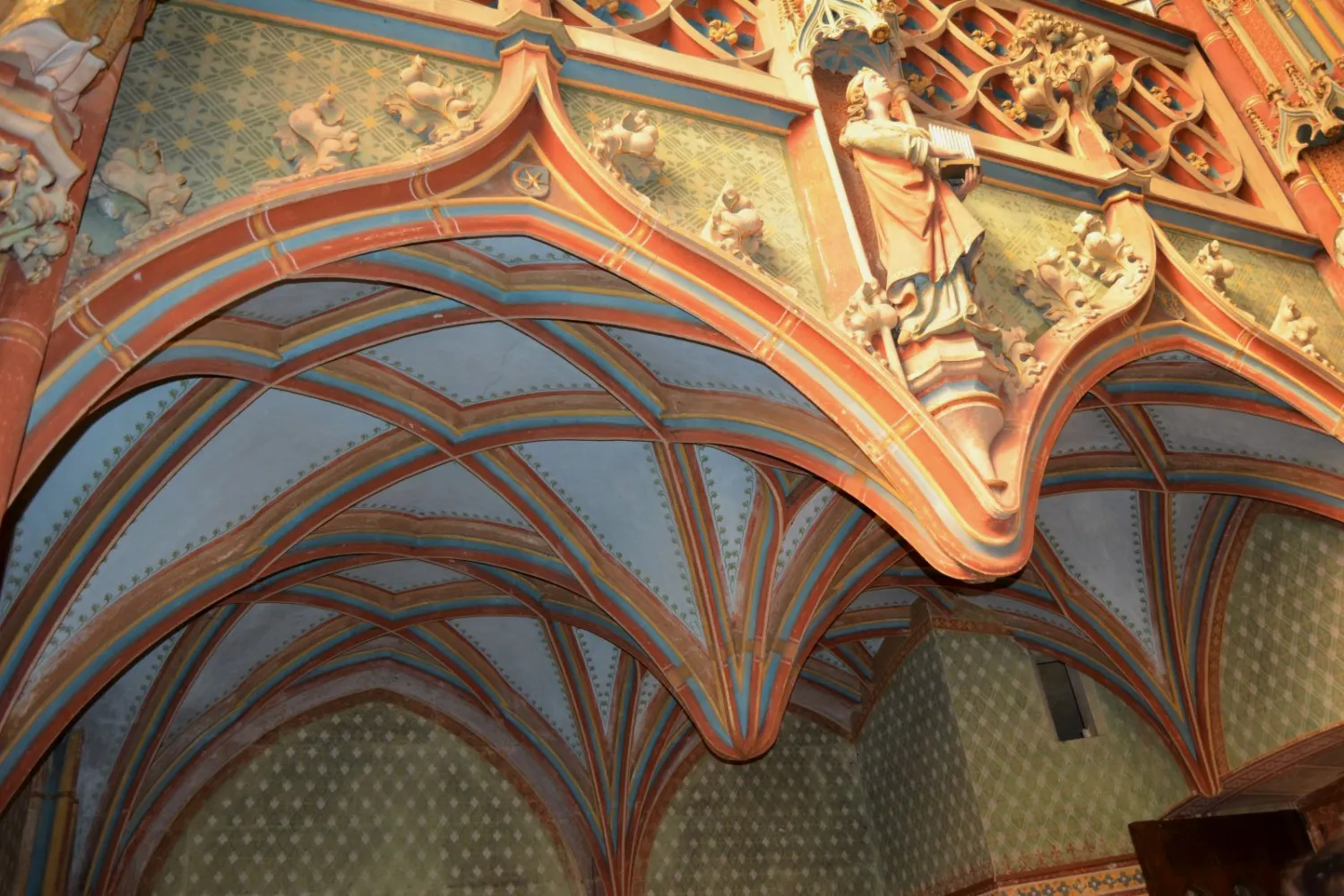
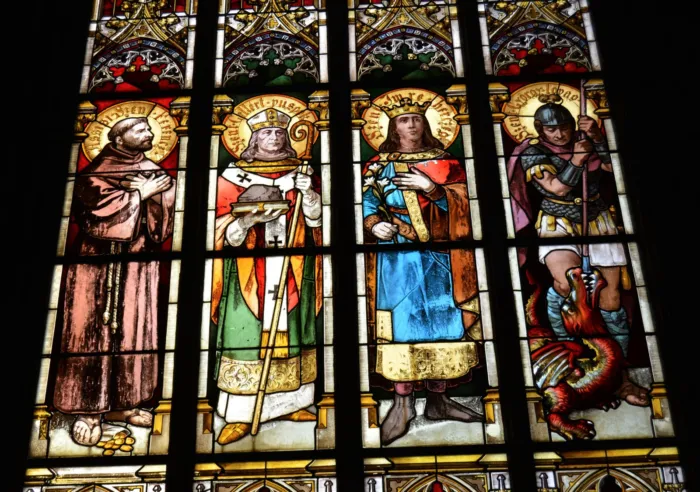
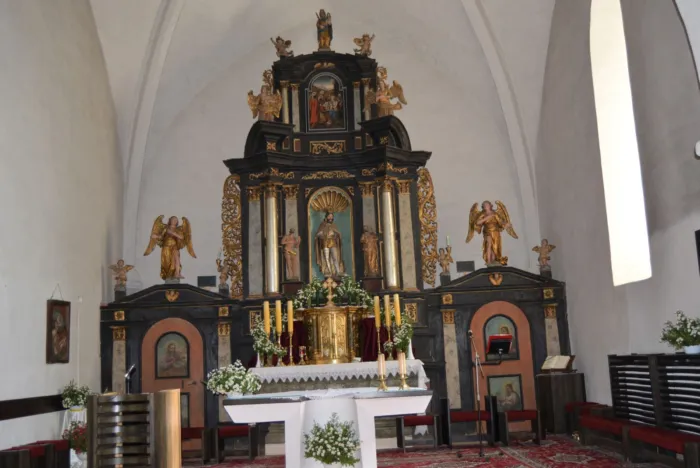
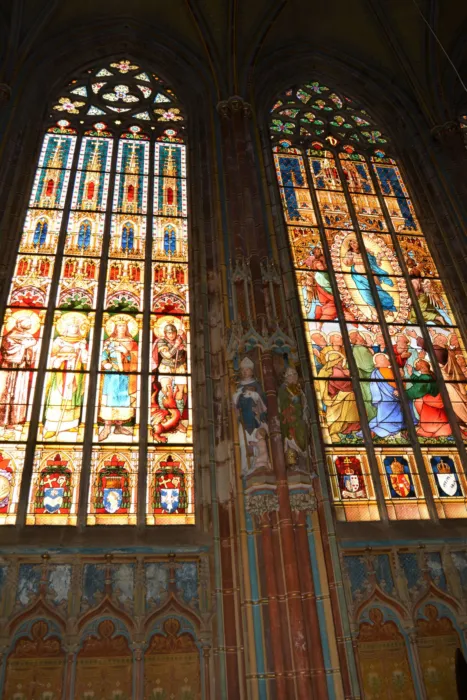
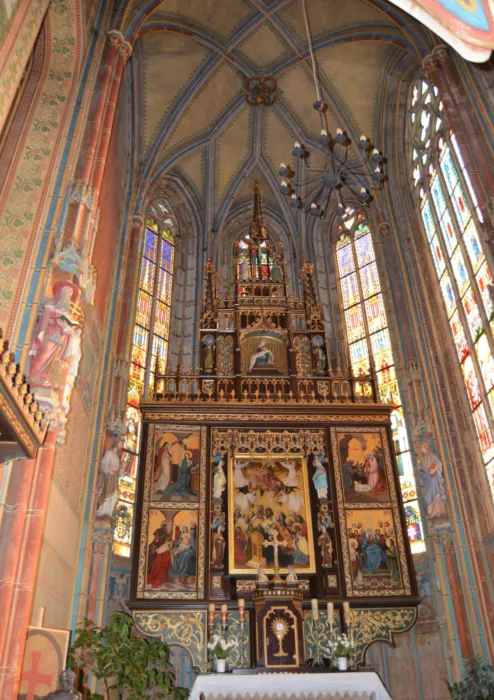
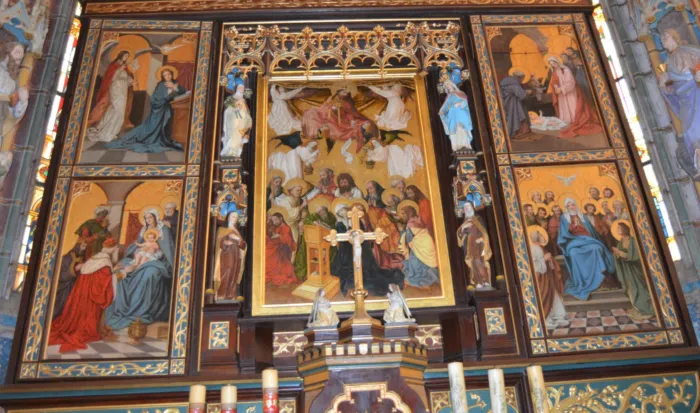
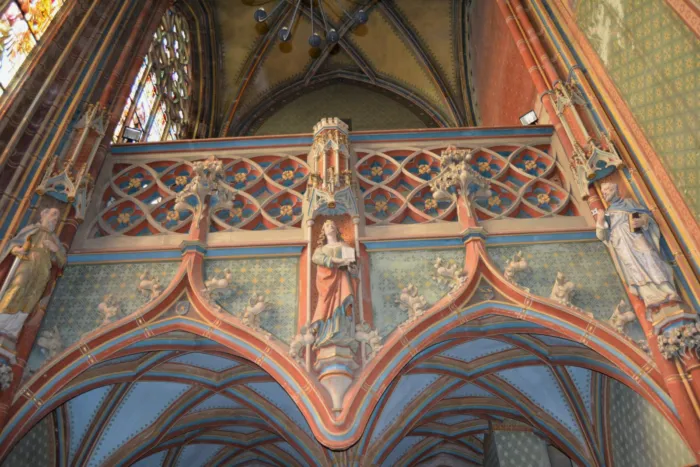
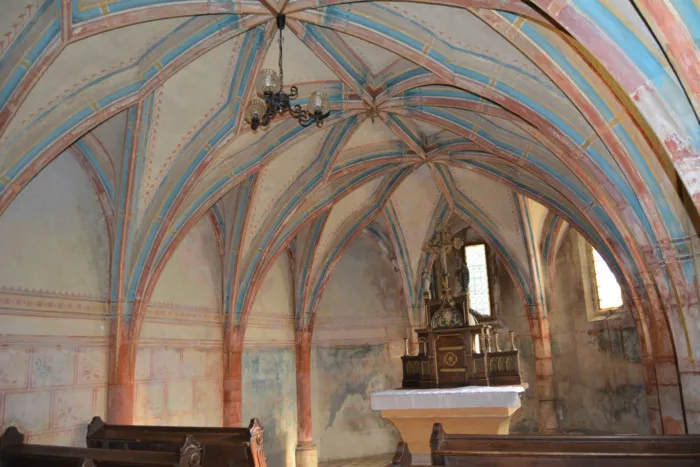
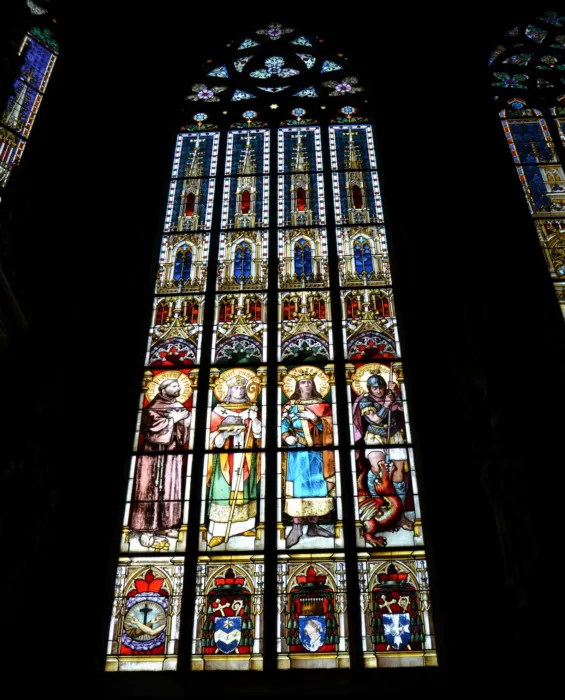
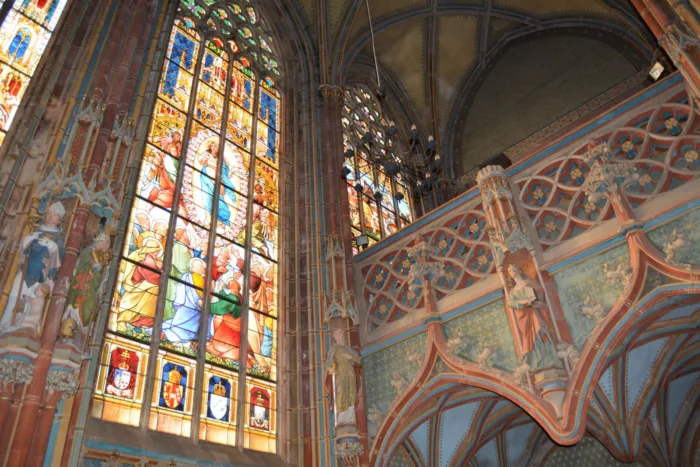
Csütörtökhely (Szepescsütörtökhely), with a population of over two thousand, is located in the southeastern part of the Spiš Basin and was named after the market day held on Thursdays. Its eye-catching Romanesque church with its Gothic chapel stands on a hill on the edge of the settlement, this is the St. Ladislaus Church, named after our knight king. ; Located in the legendary land of the Spiš spearmen, 10 km from Levoca, Csütörtökhely originally bore the name of St. Ladislaus; the settlement, destroyed during the Tatar invasion, guarded the defense line of our country as the central location of the ten border guard villages established on the edge of the northern grassland of the Hungarian kingdom. Its new name is attested by documents from 1310, and the diligence of the Spiš Saxons again raised it to a worthy rank (Donnersmarkt). The arcaded parish church, standing in a cemetery enclosed by a stone wall, was built in the 13th century in the Romanesque style. Double twin windows filter the light in its massive walls, and it has four hussar towers with small turrets. During this period, a two-section sacristy and a spiral staircase to the attic were built. The church now has two naves. A spectacular expansion took place between 1460 and 1470, when the Szapolyai family expanded it with a Gothic, two-storey chapel modeled on the nearby Szepeskáptalán Cathedral. The building, consecrated in honor of the Assumption in 1473, served as the burial place of the Szapolyai family. During its restoration at the end of the 19th century, it also received neo-Gothic decoration, at the same time its tower was renewed in a Transylvanian-style helmet, and it also received a roof covered with green majolica, which praised the historicizing renovation ideas of Frigyes Schulek. ; Visitors are primarily attracted by the Szapolyai Chapel, a masterpiece considered to be the most perfect work of Hungarian Gothic. Its painted windows with fish-shell decoration depict Hungarian saints and the legend of Saint Ladislaus. It is characterized by beautiful supporting pillars and a richly decorated hanging gallery. The lower level served as the burial place of the Szapolyai family, although it was not used for this purpose in the end, and the upper level is a chapel dedicated to the Assumption of the Virgin Mary. ; In accordance with the type of classical Gothic chapels, it is a structure with a net vault floating above slender pillars. Due to its magnificent proportions, some architects compare the chapel directly to the Sainte-Chapelle in Paris, and the knowledge of architects who have visited the great cities of the world (according to some assumptions, István Kassai) is certainly reflected in its workmanship. ; South of the church and chapel is the monastery of the Minorites, founded in 1668.