
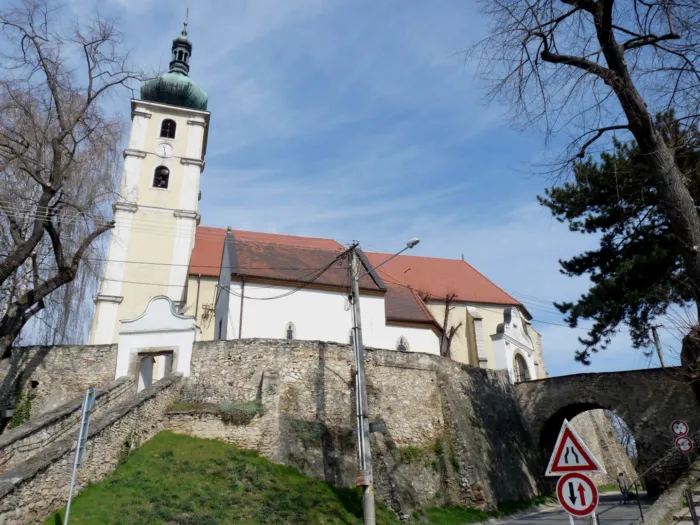
St. Ladislaus Parish Church
Building, structure
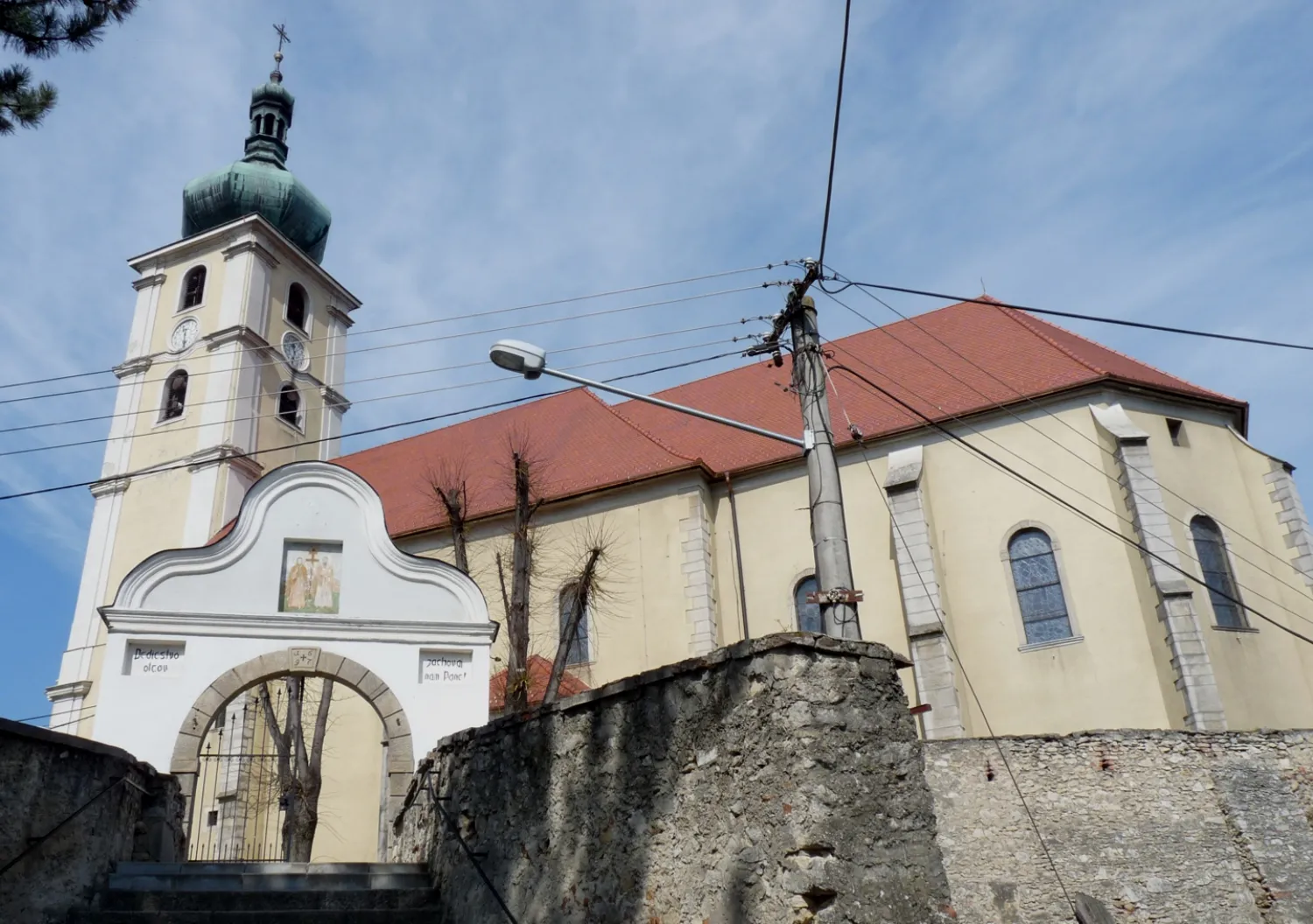
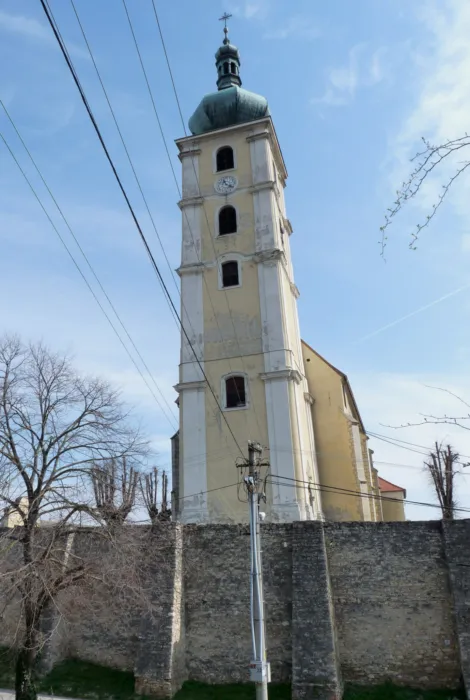
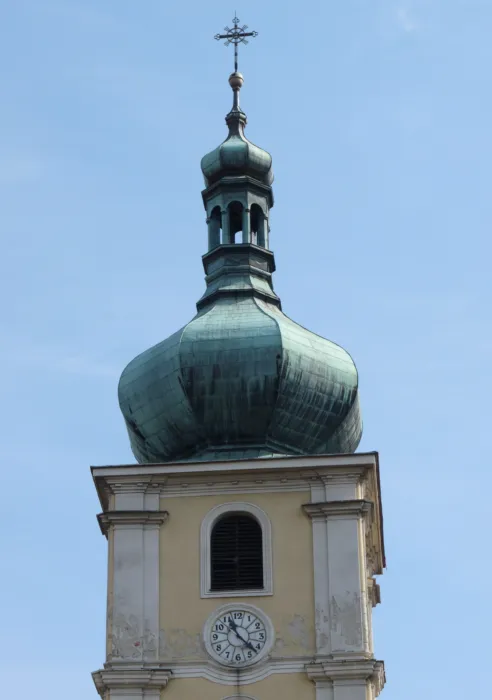
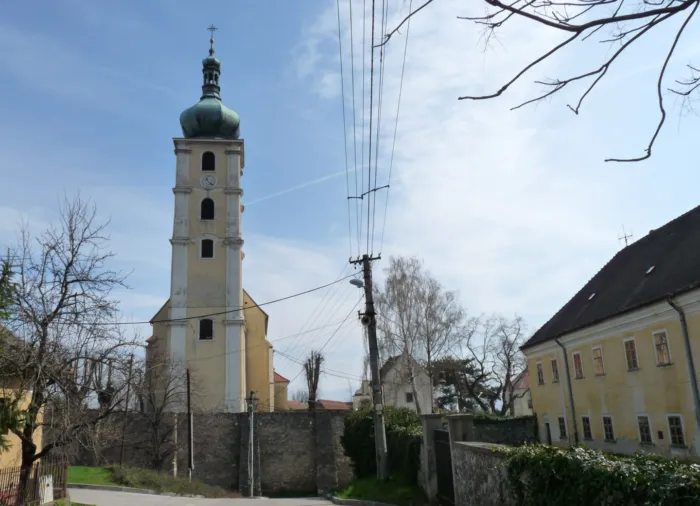
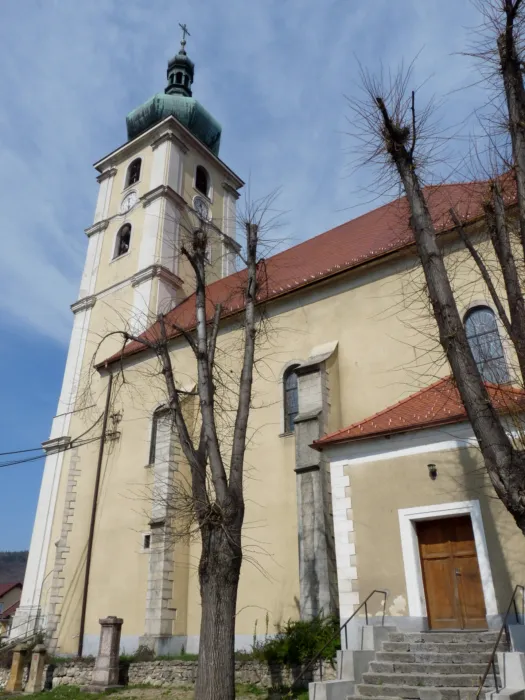
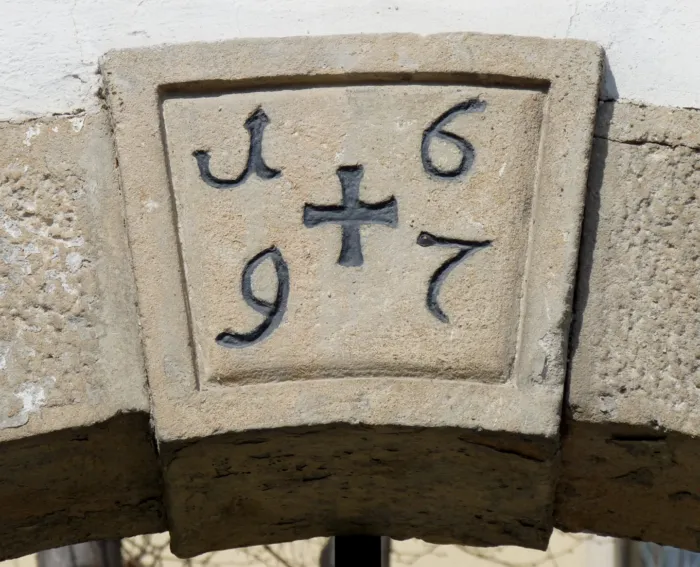
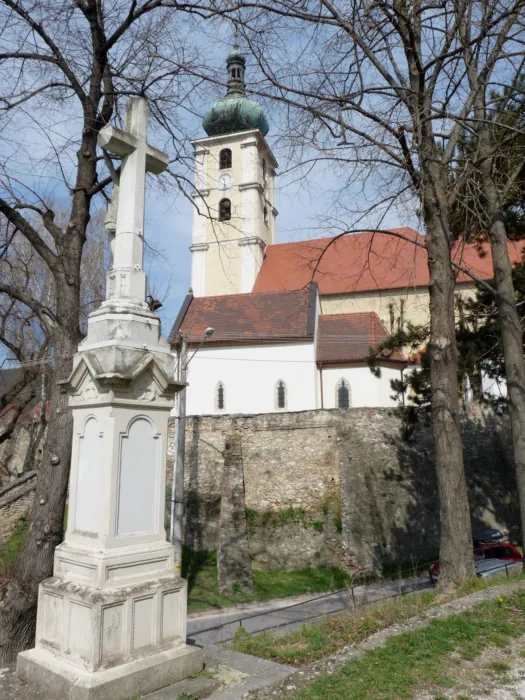
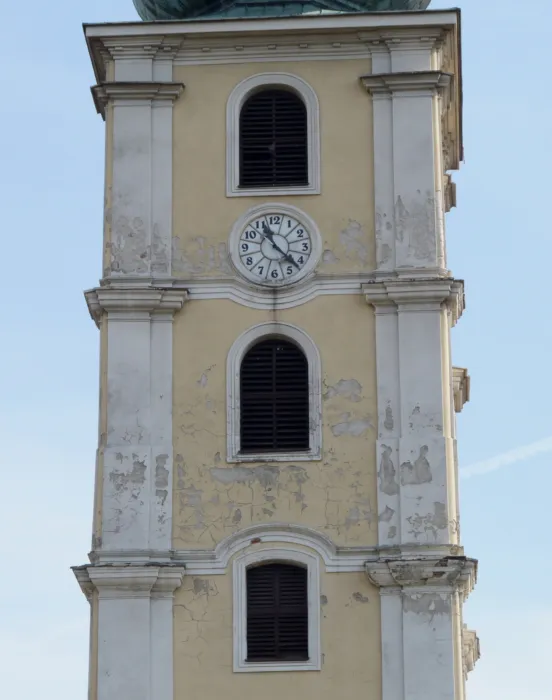
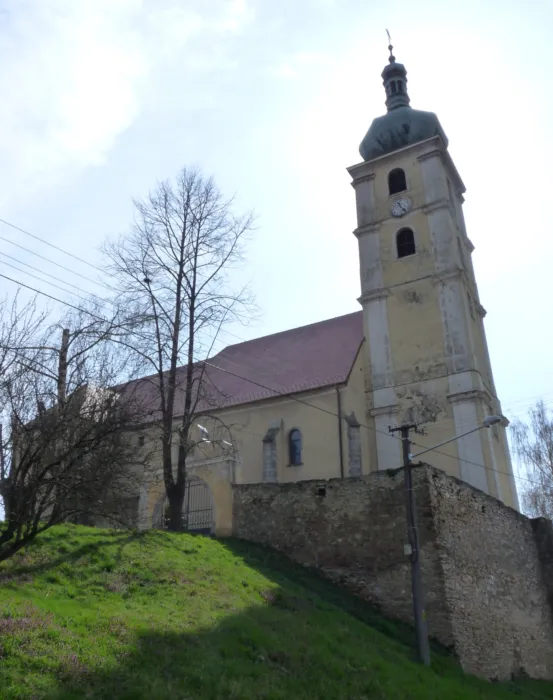
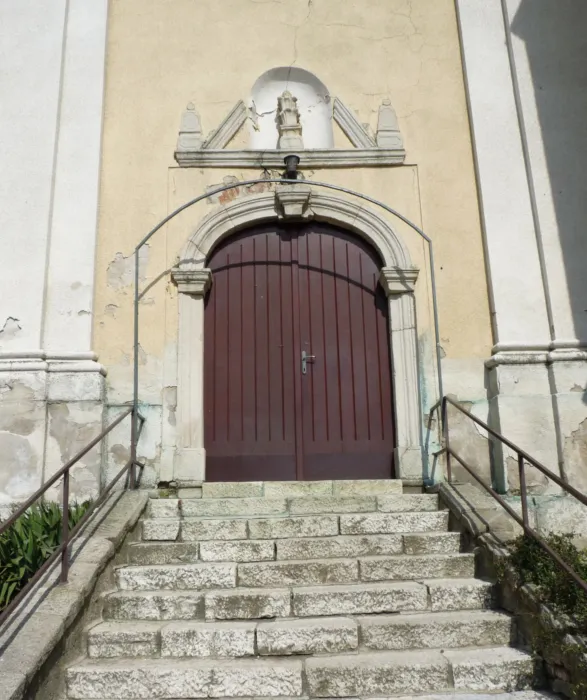
The church and chapel, surrounded by a stone wall, are the oldest parts of the village of Csejte. They were built on a high hill. A stone wall was built around them in the form of a rampart, which turned them into a fortress. ; The chapel, named after Saint Anthony of Padua, was built at the beginning of the 14th century, in the Early Gothic style. ; Old records mention the year 1332, when it served as a church. The outer wall of the chapel is decorated with an 18th century fresco depicting a goose. This is the coat of arms of the Forgách Counts, a family that was a secular patron here. ; The chapel bears several signs of the old architectural style. Its structure is similar to the churches of the Great Moravian Empire from the 9th century, which we only know about in connection with archaeological research in Moravia. ; The foundations of the current church were laid by Prince Czibor I of Transylvania and Count of Bratislava around 1373-1390, and it was dedicated to the memory of the Hungarian King Saint Ladislaus of Árpád. It was built in Gothic style. It had one nave, with a wooden tower with one bell above the sanctuary. ; The passage of centuries left its mark on the external changes of the tower and the church. They were repaired and renovated several times. We will mention only the most important ones: ; At the side entrance of the begging place there is a carved Baroque door made in 1661. ; In the years 1680-1687, the church was rebuilt and Baroqueized. In 1741, a catastrophic fire destroyed it. The church burned down so much that the bells, the number of which had increased over time, melted. ; The church and the tower received their current form in 1852, when the tower was repaired and raised. ; There are four crypts under the church, while there is only one under the chapel. ; Kristóf Országh, the last ruling scion of the Országh family, is buried in the church. To the right of the main altar is a marble memorial plaque from 1567 placed in the wall. The Országhs were also patrons of the church. ; There are three entrances to the church courtyard. ; The entrance above the "great stairs" has a late Gothic portal made in 1596. The "parish stairs", whose portal was built in 1697, are built on the arched main bridge. ; The stone bridge is a valuable unique monument of church architecture. It connects the church and parish courtyards. ; To the right of the bridge, above the steps, there is a walled-in decorative stone with a vine carved into it. This is part of a window or door of a Renaissance castle built in the 16th century. It was made in memory of László Országh, who made Csejt famous in grape and wine production.