
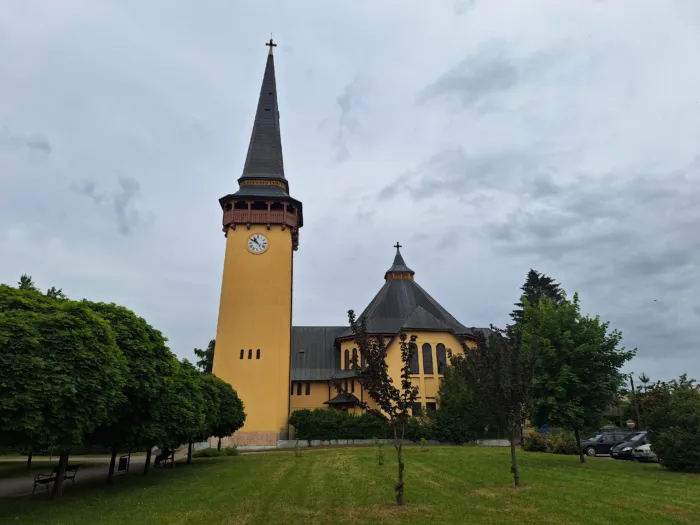
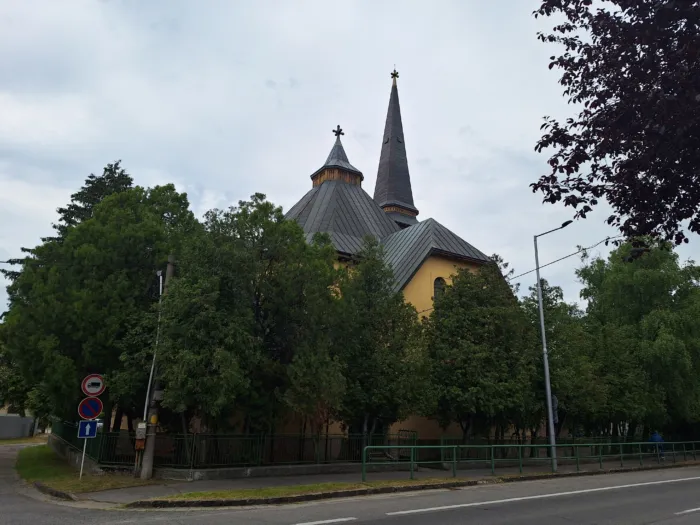
Church of St. Ladislaus in Ógyalla
Building, structure
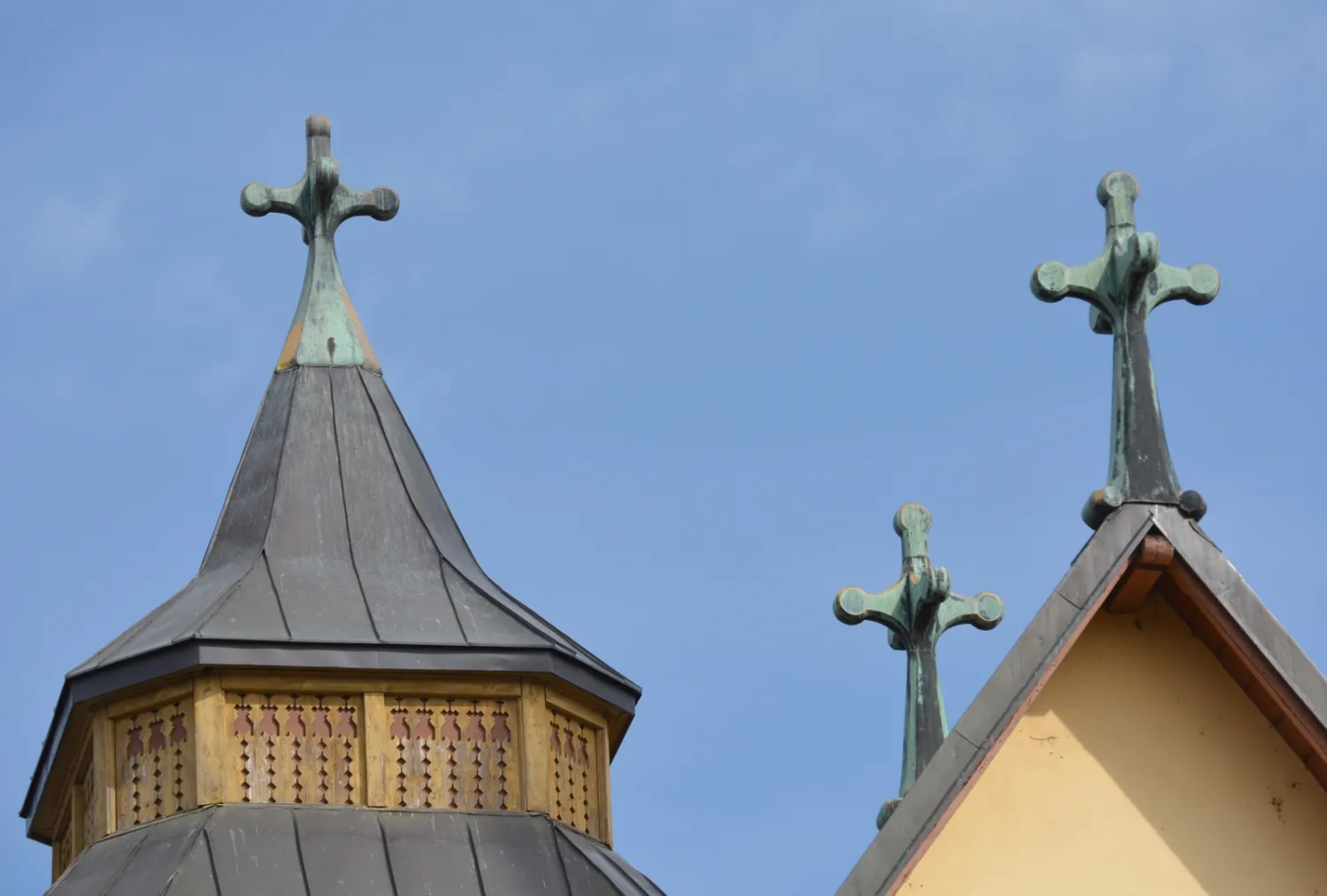
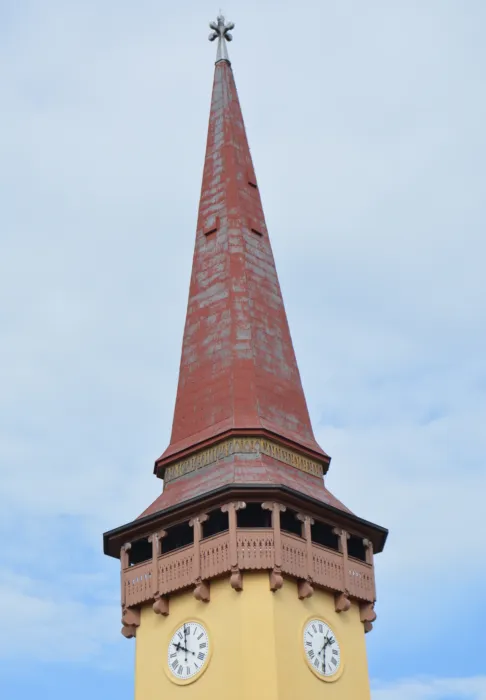
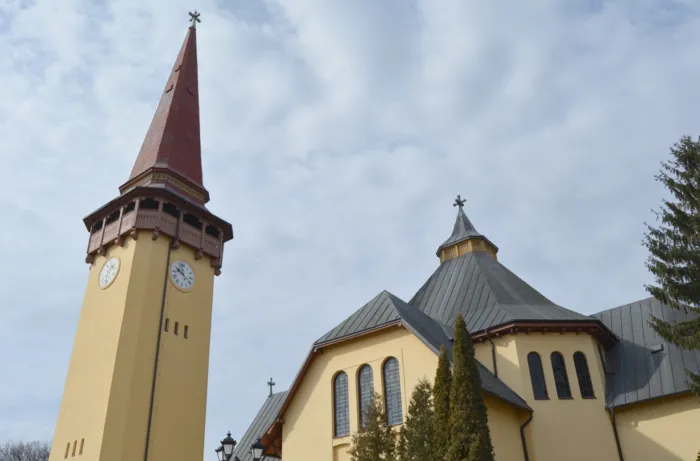
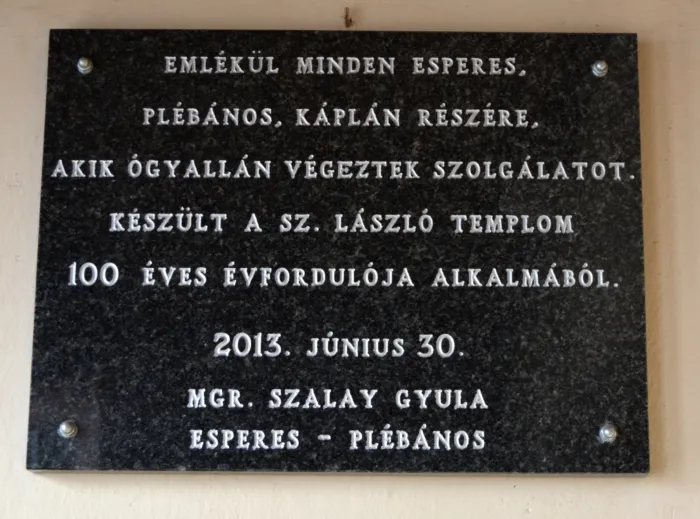
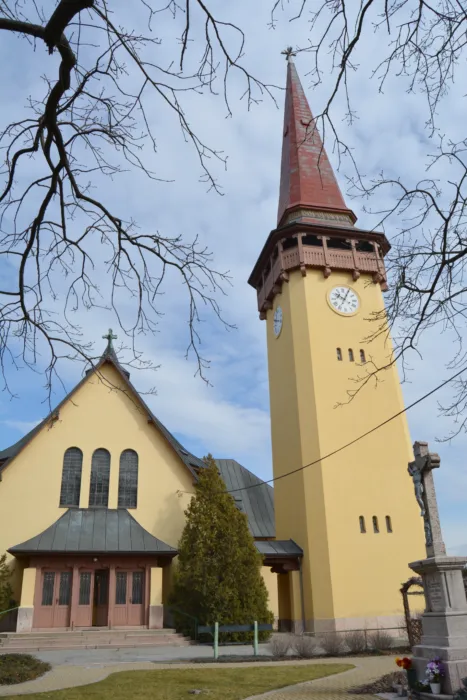
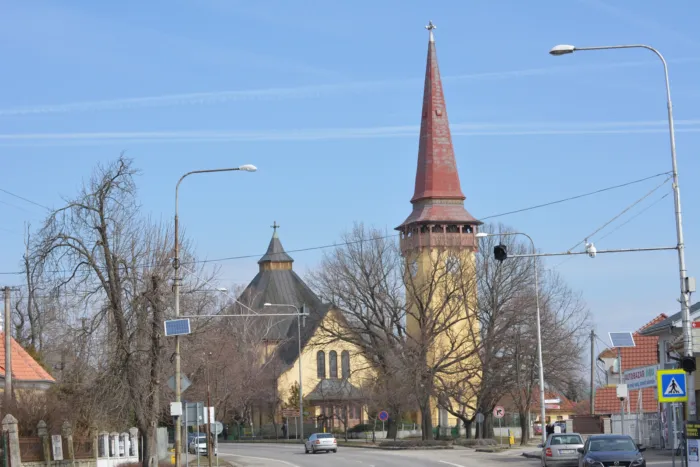
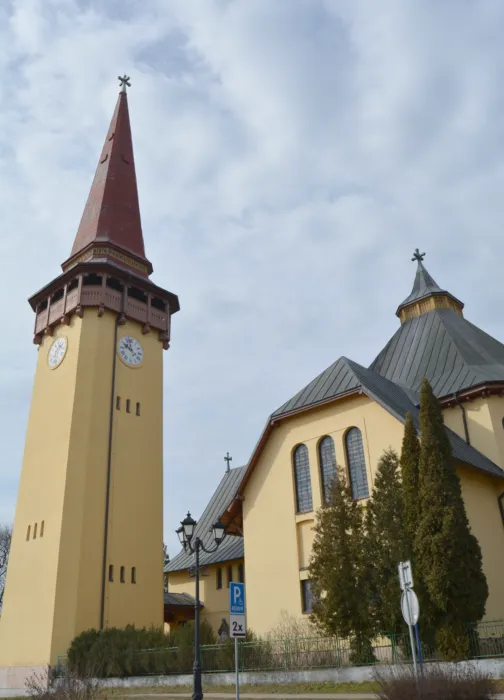
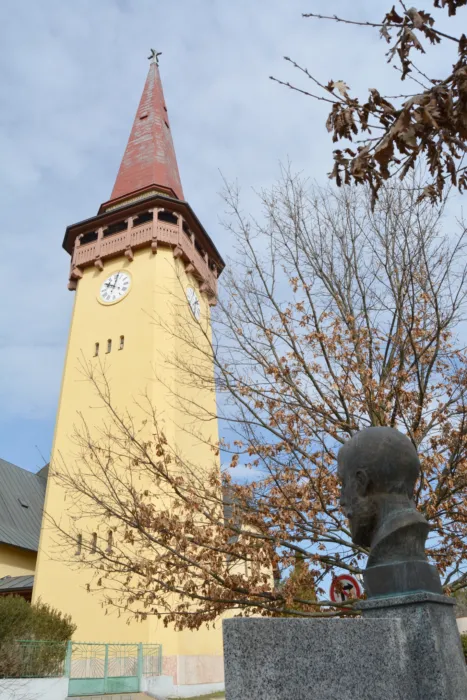
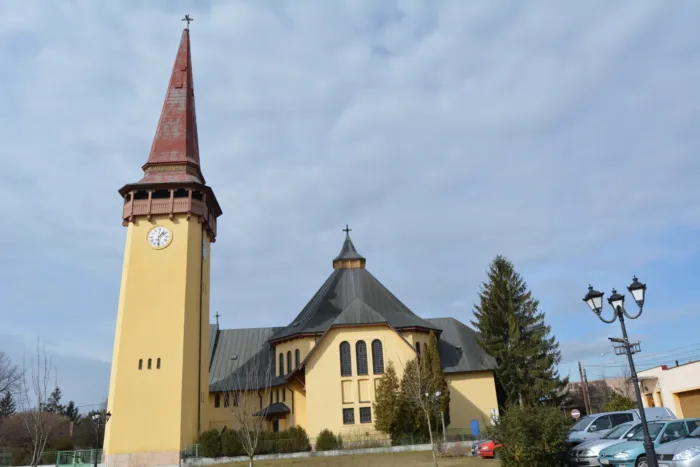
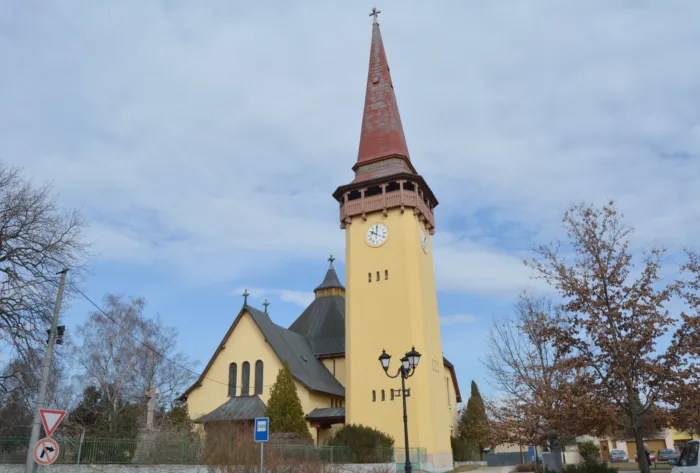
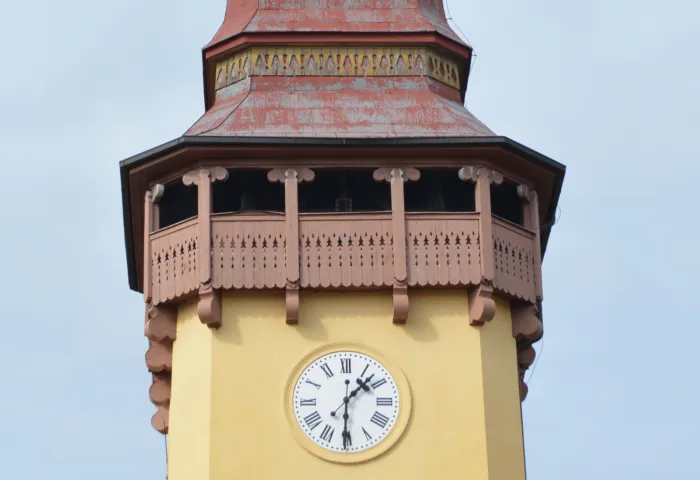
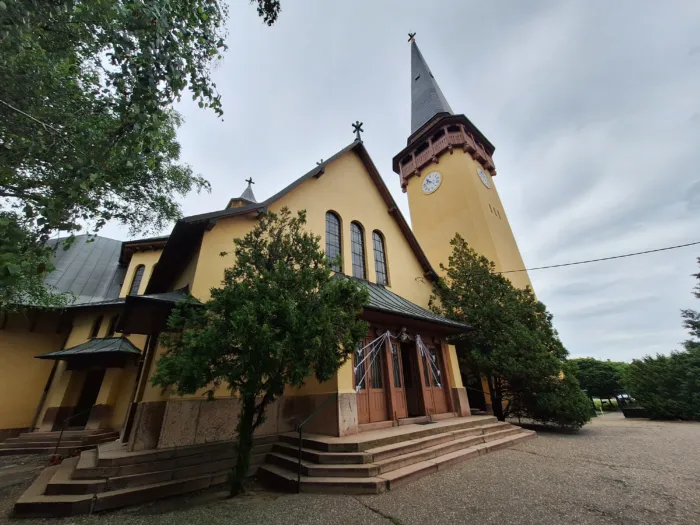
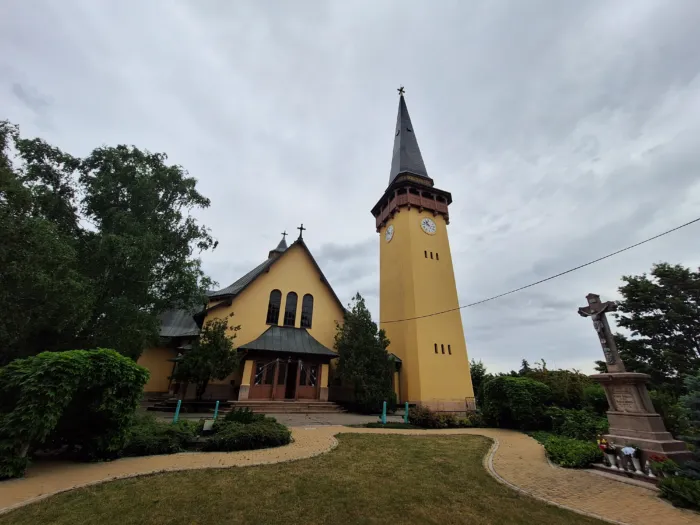
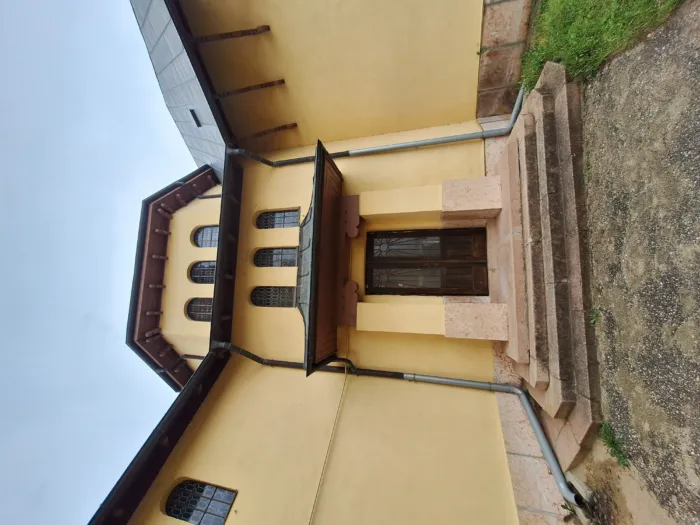
Until 1718, a church (chapel?) may have stood in the settlement in honor of the Holy Trinity, and then in 1718 or later a new building was built in honor of King Saint Ladislaus. The old Roman Catholic church was built in 1773, which resembled the Catholic building in Komáromszentpéter today. The church was built by Szluha Ferencné Konkoly Thege Júlia (Julianna?), probably together with her brothers, László and János Konkoly Thege. The builder, her husband and “some Konkoly women and men were buried here”. Due to the fire of 1911, "the buried were brought out of the crypt, the women were also dressed in Hungarian costume, the clothes were still in good condition... ; Only museum director Gyula Alapi came out to exhume, he took some souvenirs, prayer books, etc. to the Jókai Museum in Komárom. The dead were buried in a public cemetery". ; Today's St. László Roman Catholic Church in Ógyalla was built between 1912 and 1913. It is a typical example of Hungarian Art Nouveau architecture in the Felvidék. The church was designed by István Medgyaszay (István Medgyaszay (1877-1959) is an outstanding Budapest architect and writer. He often used folk – mostly Transylvanian – architectural elements in his work. We can also detect Far Eastern influences in his works. In 2010, he was posthumously awarded the Miklós Ybl Prize, and is also considered a forerunner of Hungarian organic architecture.), who became famous in Hungary primarily for his bold use of reinforced concrete. Nevertheless, reinforced concrete does not play a particularly important role in this building, as this building opened a new era in his work, with which he began to be interested in the use of wood. ; The new parish was built based on Medgyaszay's proposal. One of the developers of the plans was Gyula Boldoghy, an architect from Komárom. ; The church is an Art Nouveau building, inspired by Transylvanian Gothic architecture. The church has an octagonal plan, from which four side wings protrude, which together form a cross. One of these is extended. The church entrance is located here. The sacristy is also polygonal, located between the arms of the cross in a northwesterly direction. ; The interior space is closed from above by a wooden dome. The dark color of the dome creates a contrast with the white color of the surrounding walls, which are connected to the arms of the cross with slightly depressed Tudor arches. The wooden vaulting of the side spaces follows these arches. The choir is separated from the central space by a carved wooden railing decorated with folk motifs. The same folk motifs also decorate the pulpit. The original pulpit was destroyed, a copy of it was recently made. The wooden ceiling of the choir and the side spaces rests on slender wooden pillars. The pillars are equipped with volute capitals, the decoration of which was inspired by Transylvanian folk art. ; The interior and exterior spaces form an organic unity. The unity of the exterior with the church interior is broken only by the vaulted structure, which does not appear properly on the exterior. The dome is covered by a tent roof, at the top of which there is a non-functional lucerne with a polygonal ground plan. The broken cylindrical vault of the side spaces is a half-gable roof. The smooth surface of the walls is interrupted only by the periodic alternation of window openings, which end in a full arch. Decorative elements are only seen on the wooden parts. Only the consoles supporting the roof are decorated in the exterior space. The wooden construction elements are the embodiment of Medgyaszay's artistic ideas. He was concerned with the artistic use of different building materials. This is evidenced by the structural design of the wooden dome and the wooden ceiling with the consoles, which the observer perceives as a contrast to the clean interior. ; ; Dimensions: ; Tower height: 48 m; Tower floor area: 20 m2; Total floor area of the church: 435 m2; Seating capacity: 164 people; Choir area: 135.50 m2; Choir seating capacity: 240 people; Common area: 570.50 m2; Standing space: 1100 people; Total seating capacity: 1550