
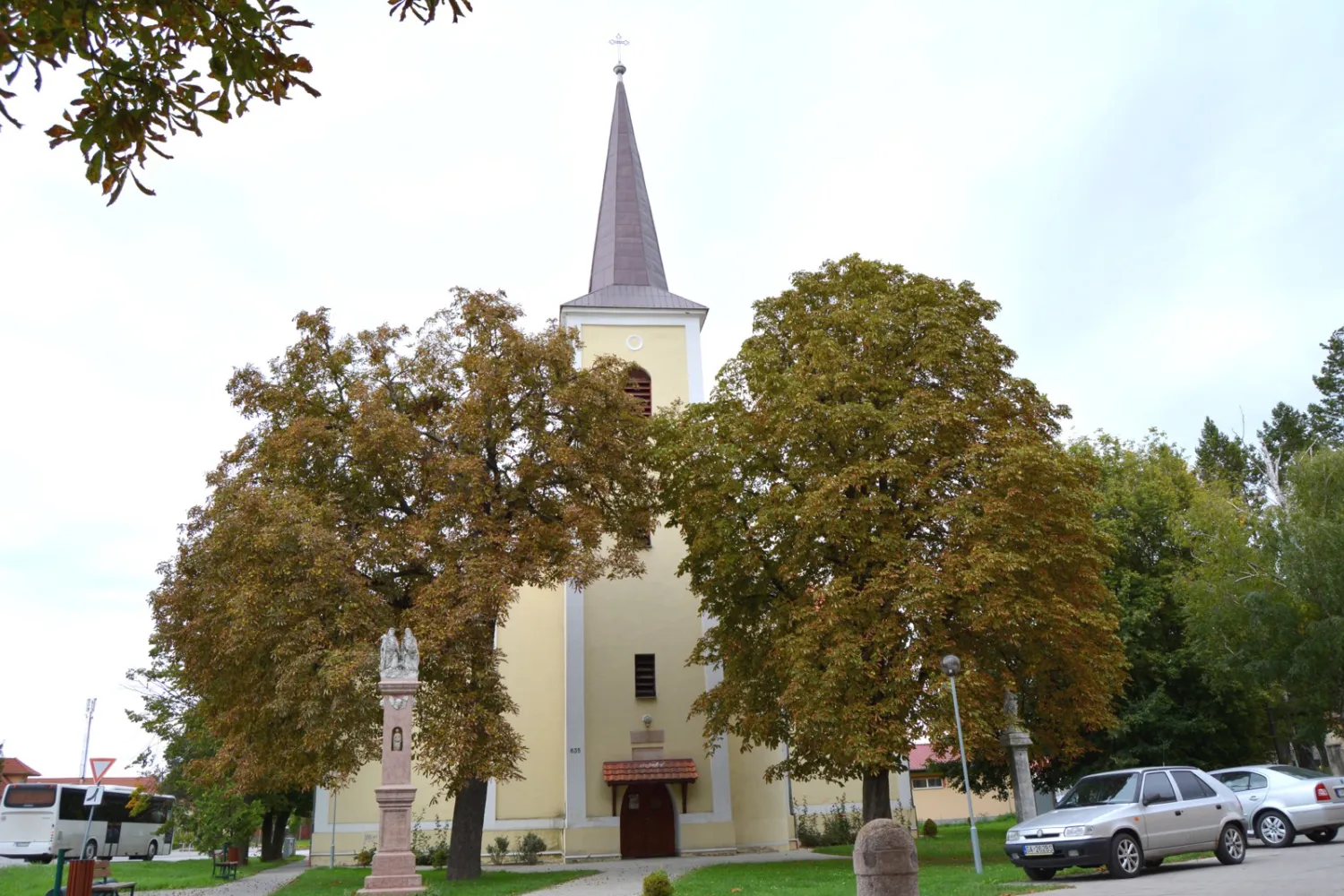
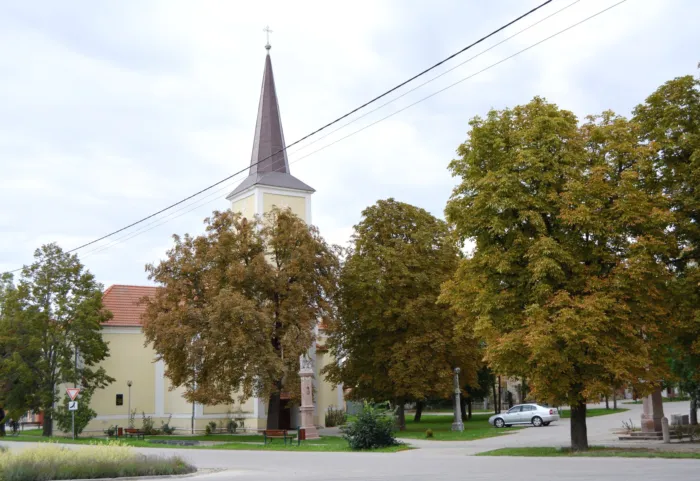
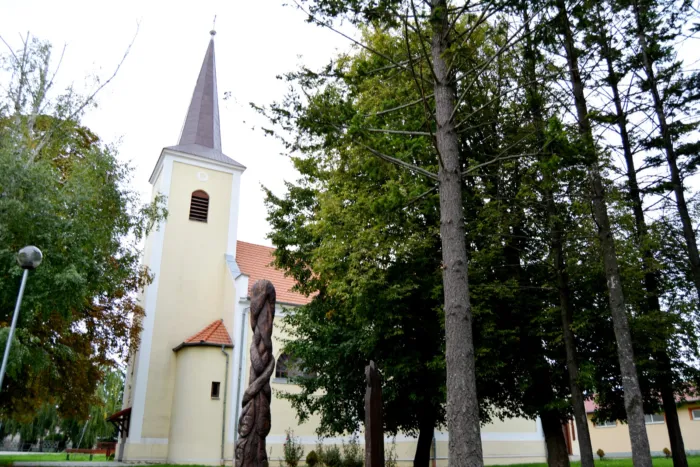
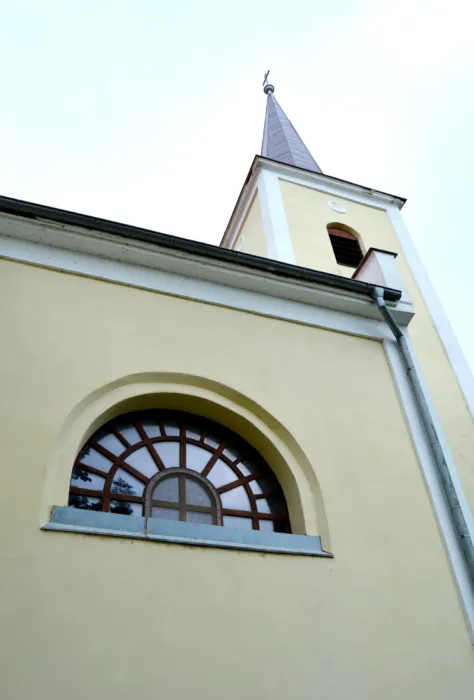
St. Joseph's Catholic Church in Zsigárd
Building, structure
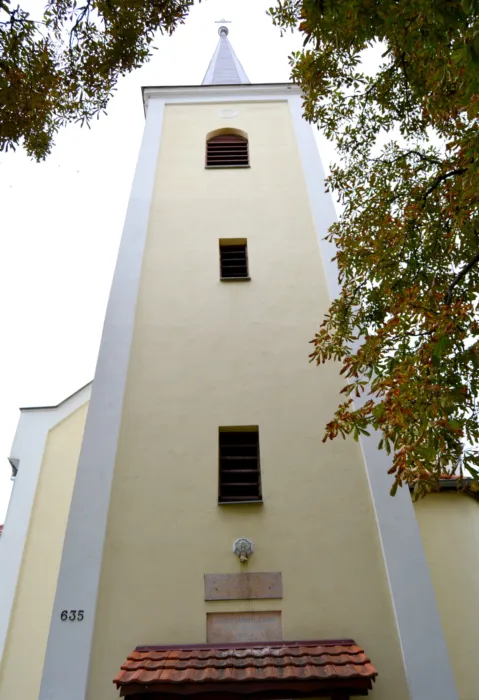
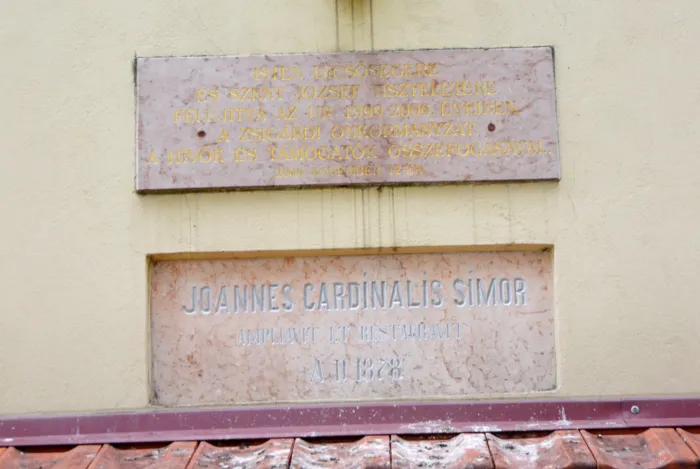
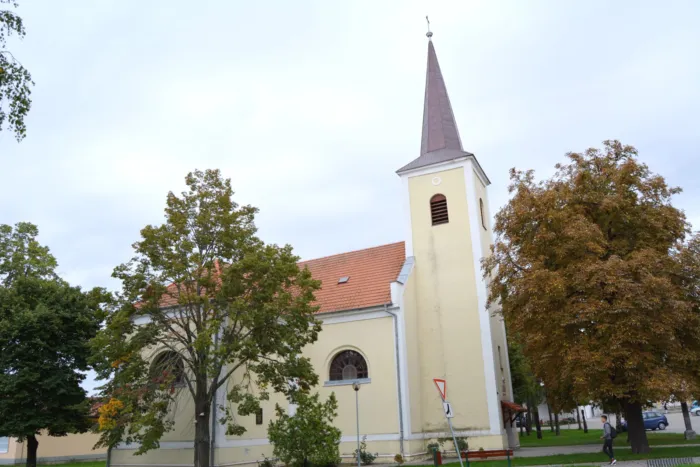
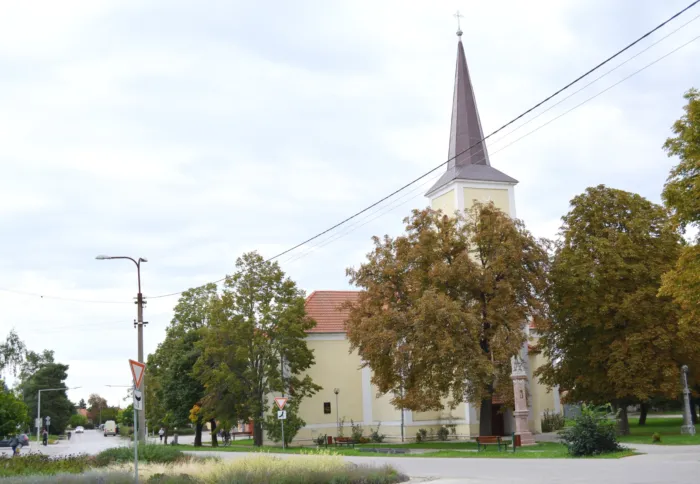
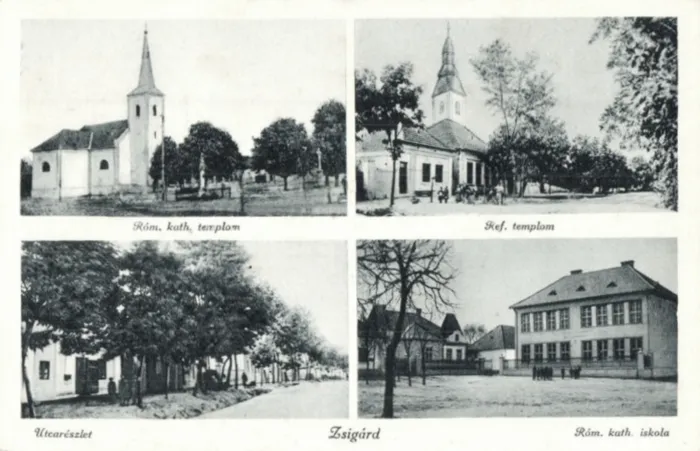
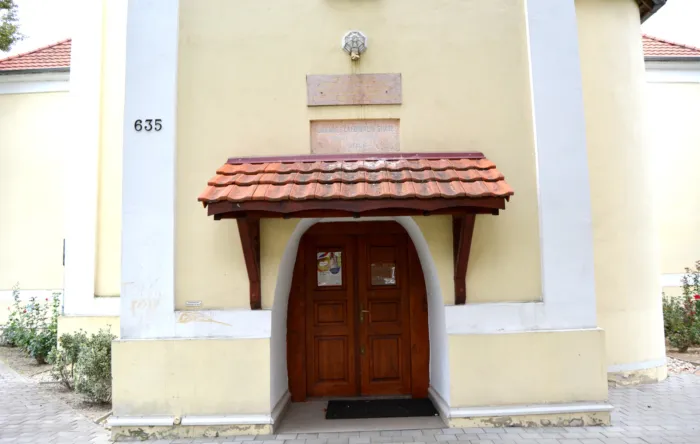
Zsigárd was the property of the Archdiocese of Esztergom, so between 1728 and 1730, Count Imre Esterházy, Archbishop, had a Baroque-style Roman Catholic church built, which was dedicated to Saint Joseph. The church was re-roofed in 1765, damaged in 1813, so it was repaired and rebuilt in the Classicist style. In 1878, Archbishop János Simon had it repaired (the memorial plaque above the entrance refers to this: Joannes cardinalis Simon ampliavit et restaurant A. D. 1878). Later, the church was only repaired. ; A single-nave building, with a polygamous sanctuary, a transept, an attached sacristy and a tower built in front. The sanctuary has a barrel vault, the ceiling of the nave is flat. The facade of the church is divided by wall frames and semicircular windows. Four semicircular bell openings can be seen in the upper part of the pyramid-shaped tower. There is a cannonball in the wall of the tower, which preserves the memory of the Battle of Zsigárd on June 16, 1849. The Baroque main altar depicting the Holy Family dates from the time the church was built, with a painting depicting God the Father in the upper part, which was removed during the interior renovation in 1969. Similarly, the 18th-century Baroque pulpit, which had a polygonal cornice and a columnar (volute) baldachin, was destroyed. At the same time, the lanterns and the processional flags were removed from the church, and its historical value was greatly reduced. The 19th-century painting of the Holy Family remains from the original altar, and the new altar is decorated on both sides with late 18th-century Baroque statues of King St. Stephen and St. Sebastian. The altar of the Virgin Mary of Lourdes and the Most Sacred Heart of Jesus (both with statues of the Virgin Mary and Jesus) was built at the beginning of the 20th century. The 18th-century red marble baptismal font has a wrought-iron lid. There are two memorial plaques in the transept. One commemorates the names of 42 victims of World War I, the other preserves the names of 33 victims of World War II. Among the decorations of the church, we find the statue of the Immaculate Heart of Mary, as well as the statues of Saint Anthony, Saint John of Nepomuk and Saint Joseph. The paintings depicting the fourteen stations of the Way of the Cross were painted at the beginning of the 20th century by L. M. There are 3 new processional flags in the church. The organ in the gallery resting on three arcades above the entrance to the nave was made in 1879 by the royal court organ building company of Sándor M. Országh. There are two bells in the tower. The smaller one was cast in 1857 and donated to the church by the Archbishop of Esztergom, while the larger one, dedicated to the glory of God and the honor of Saint Joseph, was requisitioned for cannon casting during the war. In place of the old bell, the new one was made in 1921 by the Fischer brothers from Nagyszombat from donations from the Roman Catholics of Zsigárd. One of the most valuable objects of the church is the 18th century Baroque chalice. ; ; The list of priests who worked here can be found here: ; ; 1. László Konkoly 1728–1731 ; 2. László Milecz 1731–1747 ; 3. Ferenc Fábri 1747–1789 ; 4. Ferenc Szőgyéni 1789–1790 ; 5. József Bélik 1790–1809; 6. József Berényi 1809–1827; 7. Ignác Cserép 1827–1840; 8. Gábor Liszkovszky 1840–1885; 9. János Jakab – ; 10. Lipót Morvay 1885–1909; 11. József Psenko 1924–1930; 12. Ferenc Révész 1930–1968; 13. Szilveszter Rablánszky 1968–1971; 14. Ferenc Alexa 1971–1973; 15. Tamás Fehér 1973–1975; 16. Ferenc Szeif 1975–1991; 17. Róbert Gombík