
St. Stephen's Capuchin Church and Monastery
Building, structure
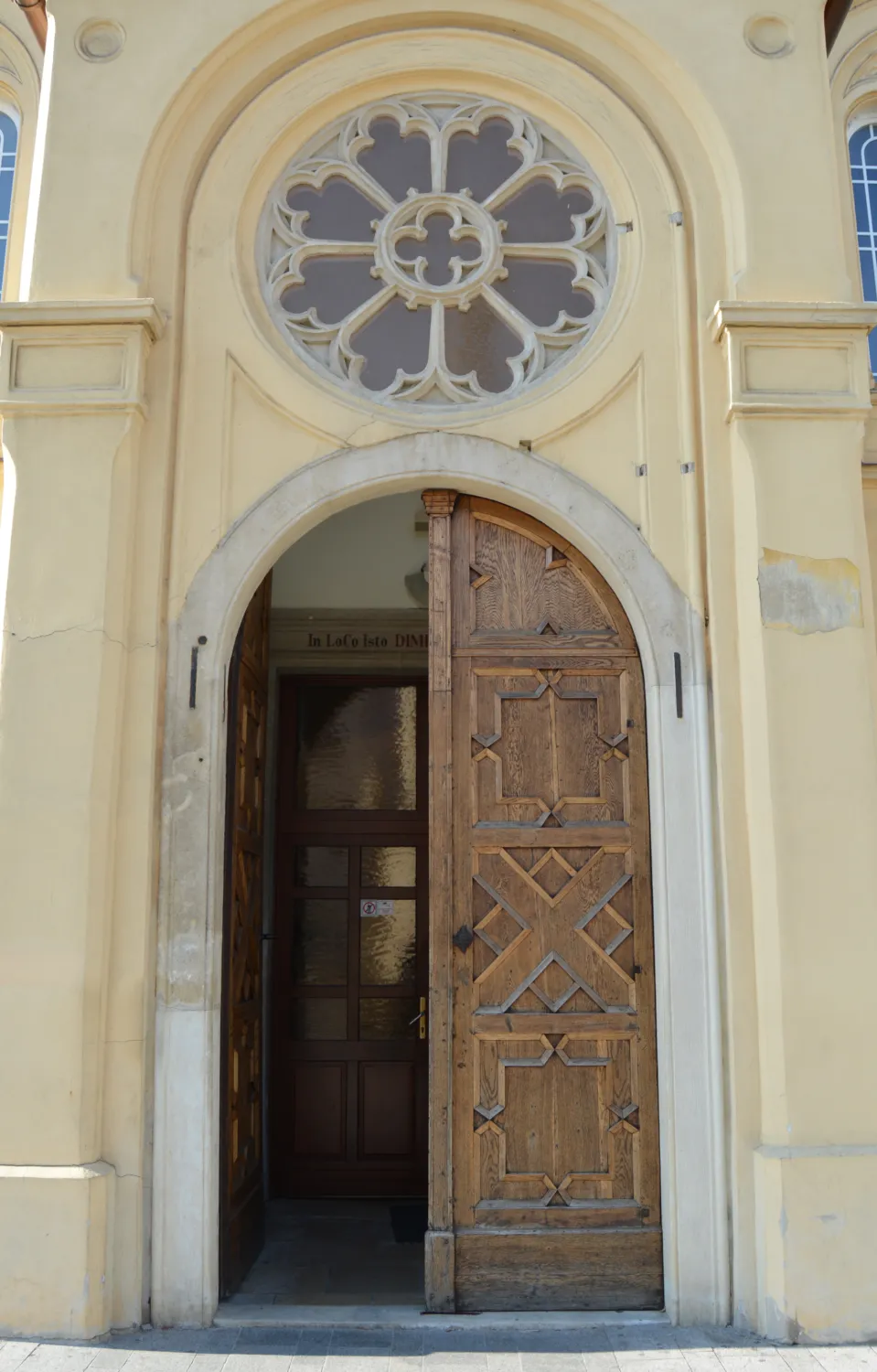
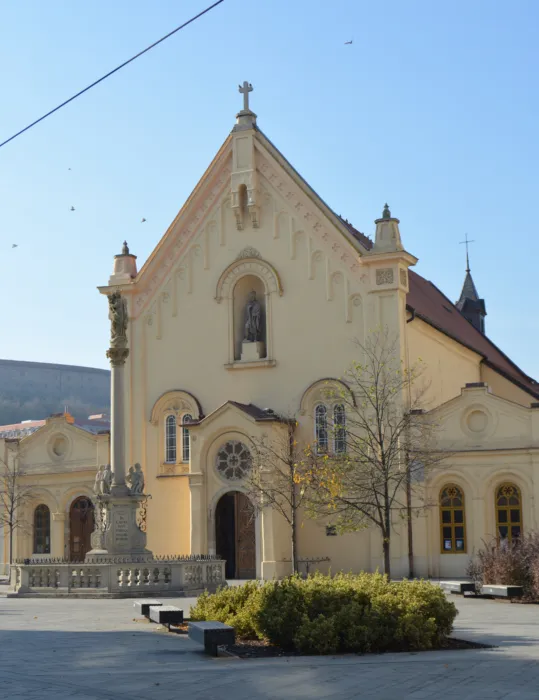
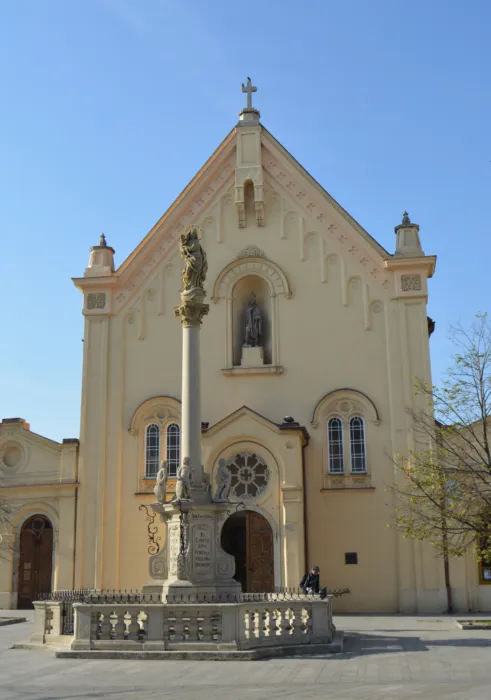
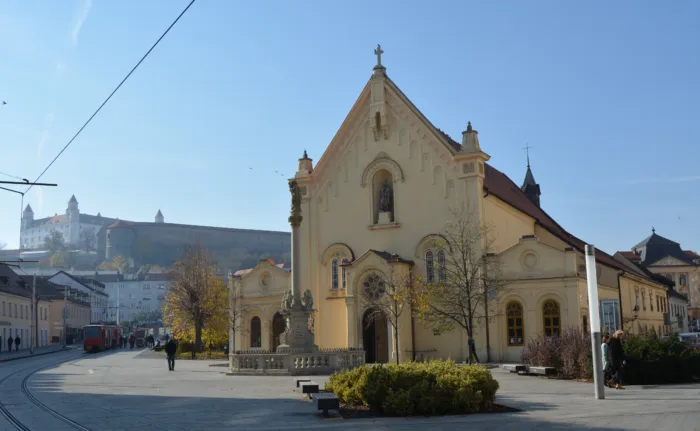
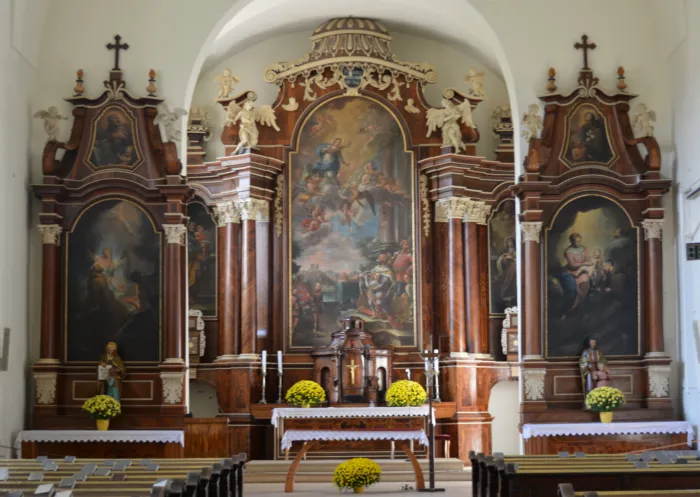
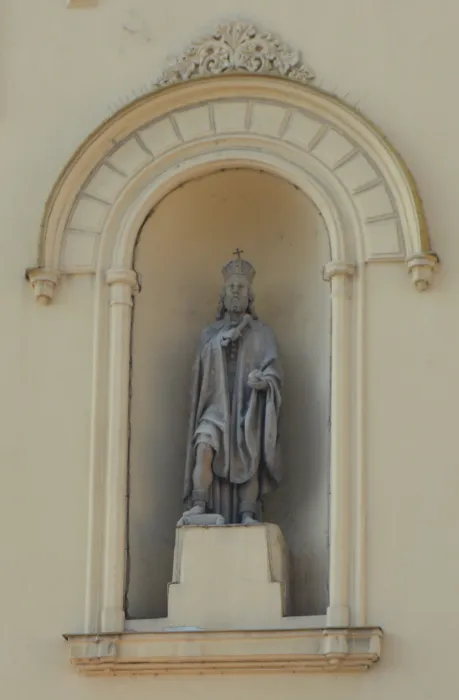
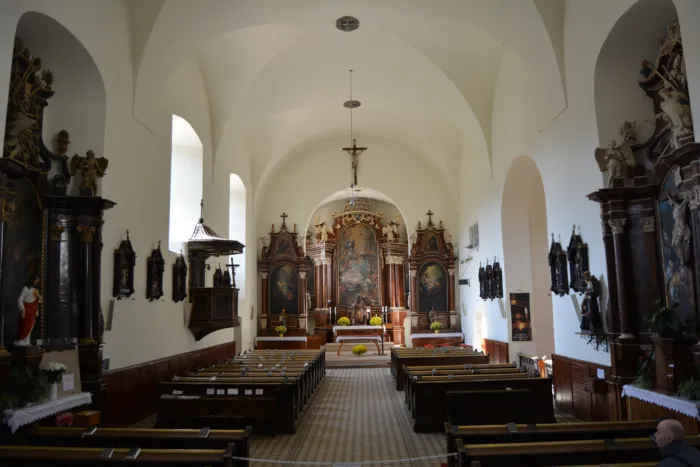
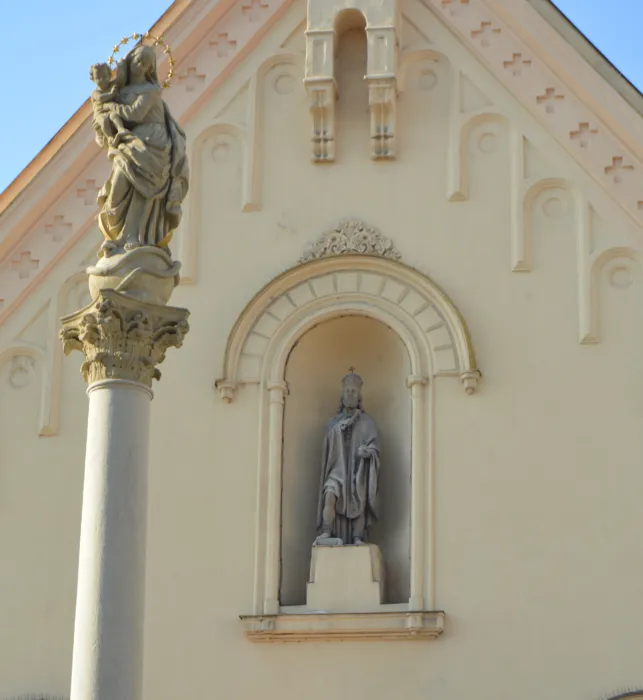
The Capuchins settled in Bratislava at the end of the 17th century during the Counter-Reformation supported by the Habsburg rulers. Since they initially had neither a church nor a convent, they were given the St. Catherine's Chapel on Mihály Street for use. ; The construction of the current church, located near the former northern city wall of Bratislava, on a previously marshy area, began in 1708 thanks to a donation from Countess Eleonora Theresa. (A German-language plaque commemorates this generous donation in the church.) The first mass was celebrated in the completed single-nave, gable-roofed church by Archbishop Ágost Keresztély of Esztergom in 1709. The construction of the monastery, which was connected to the church from the west and had a rectangular floor plan and enclosed courtyard, began in 1711. The one-story, gable-roofed monastery with a simple, unadorned facade was consecrated in 1717 by Bishop László Erdődy of Nyitra. It was expanded towards Kecske Street in 1727, and a new library was built next to the sanctuary. In 1735, the foundation of the church sank, causing serious damage to the building, making it unusable for a while, so both the church and the monastery had to be rebuilt. At the same time as its completion in 1737, the church's huge Baroque high altar was completed, depicting King St. Stephen offering his patron saint, the crown (and also the country), to the Virgin Mary, accompanied by his son, St. Imre. The high altar is the work of Capuchin Father Berthold. The side altars, also from 1737, depicting St. Francis of Assisi and St. Anthony of Padua, were painted by Donner's pupil Anton Karl Rosier. There are further Baroque altars in the nave. ; In 1779, the church received new pews. The gallery was built in 1819-24, with the new organ on it. The church acquired its current, romantic, neo-Romanesque and neo-Gothic exterior after its reconstruction in 1860-61, based on the plans of the Bratislava architect Ignác Feigler Jr. (The year 1860 can be read from the chronosticon of the Latin-texted tablet placed next to the entrance.) The stone statue of St. Stephen in the niche above the entrance on the main facade is the work of Anton Brandl. ; In front of the church stands a Baroque Immaculata column from 1725.