
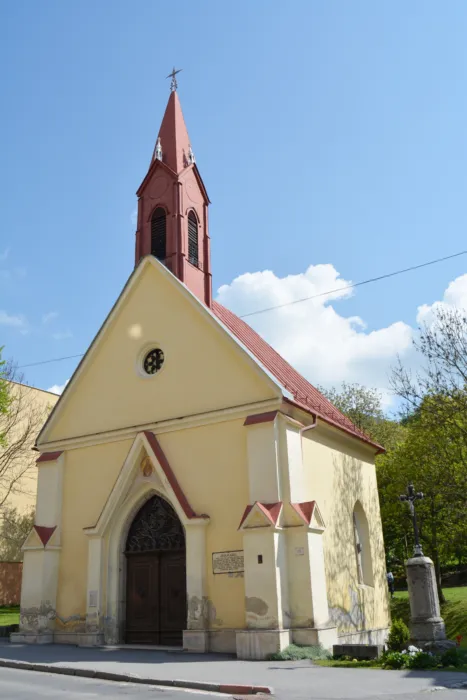
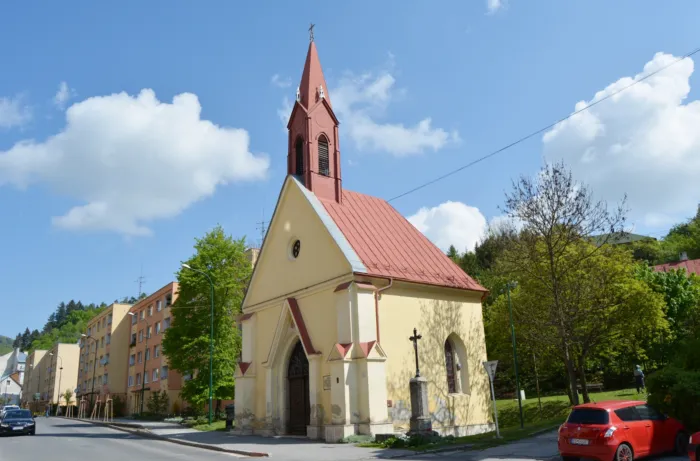
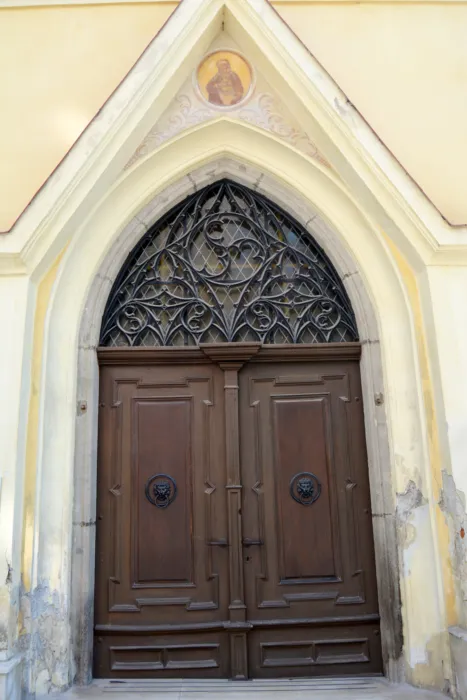
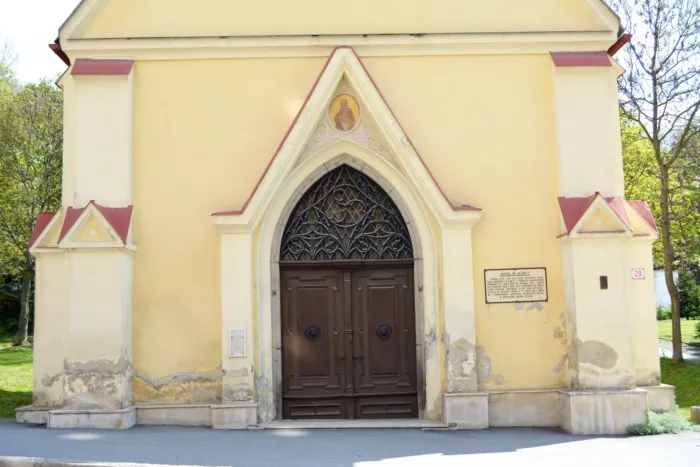
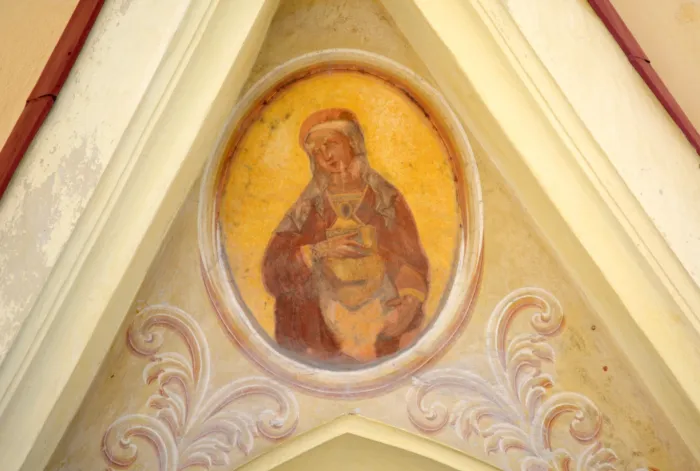
Chapel of Saint Elizabeth in Banská Bystrica
Building, structure
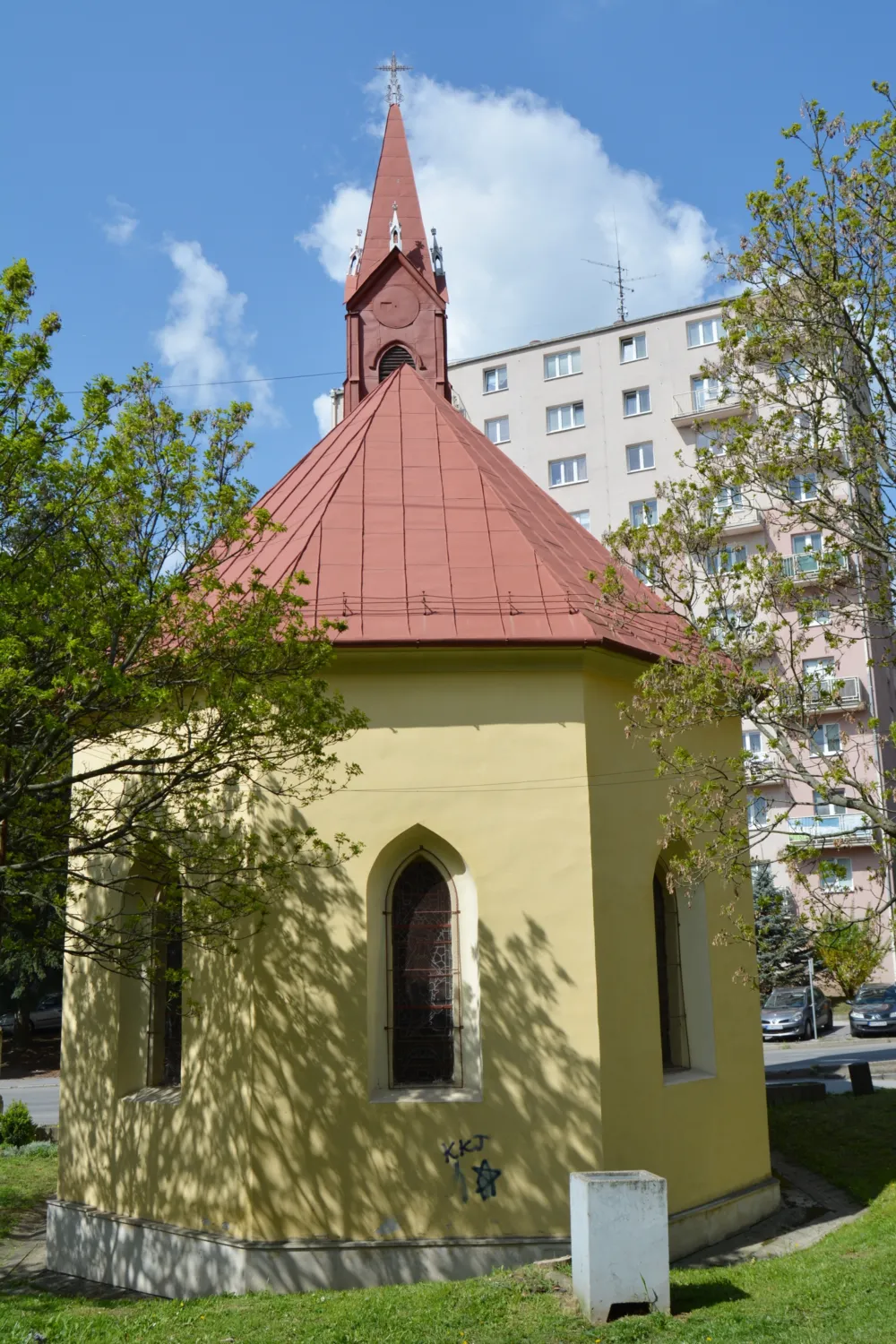
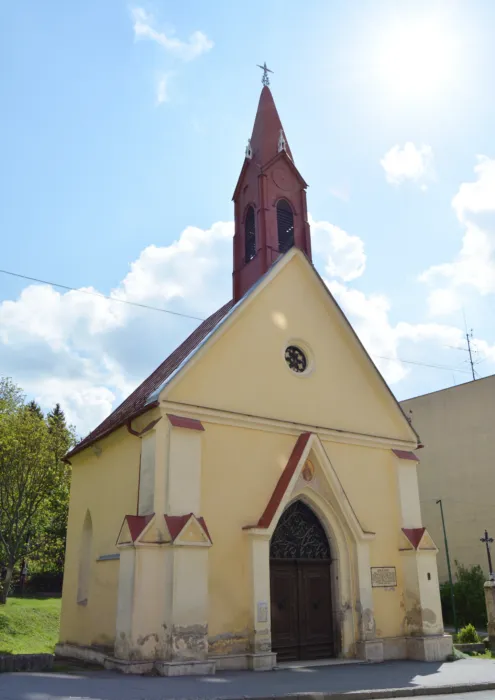
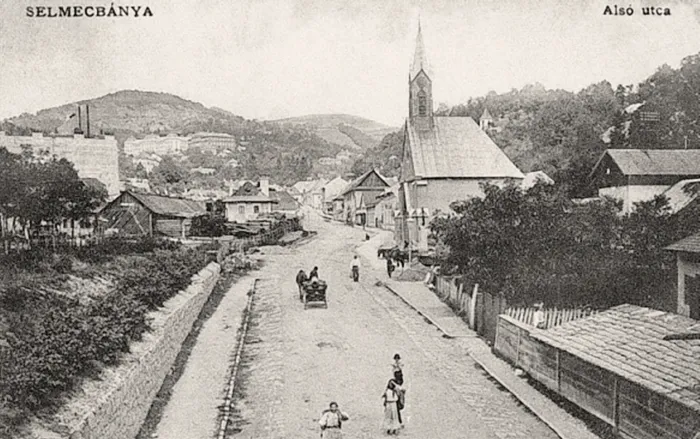
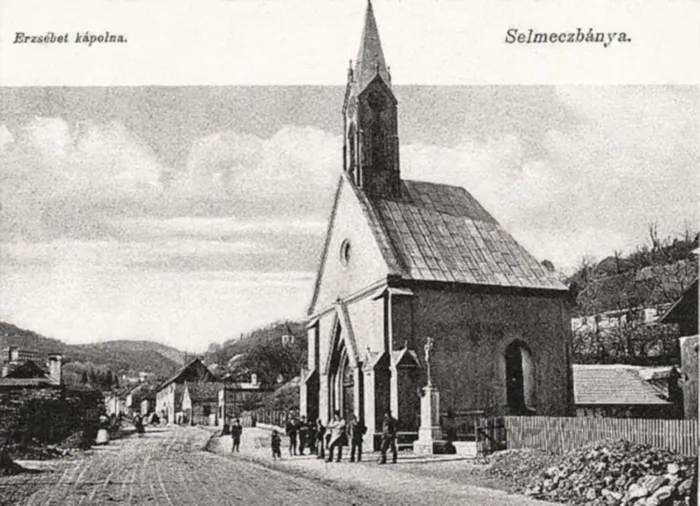
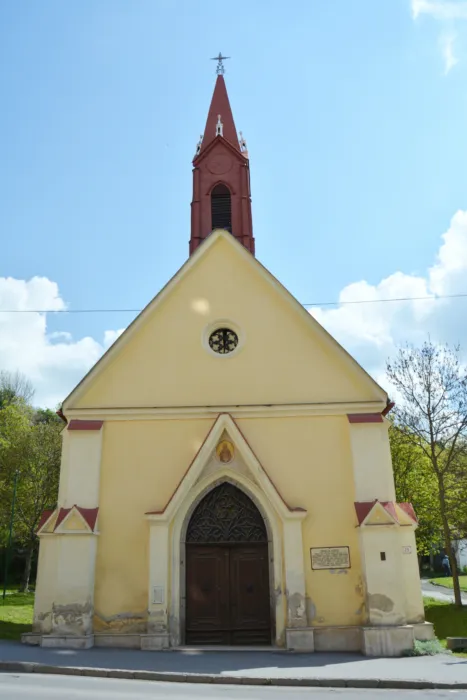
One of the most important and richest settlements of medieval Hungary, Selmecbánya was elevated to the rank of a free royal city even before the Tatar invasion. Its outstanding importance was due to the rich gold and silver deposits located nearby, the exploitation of which laid the foundation for the city's prosperity, which lasted until the end of the 18th century. The city's bourgeoisie practically consisted of German-speaking settlers until the 20th century, who had populated the area in the second half of the 13th century. ; The topography of the city was fundamentally influenced by the precious ore deposits located under the present-day historic city center, towards which several passable passages opened in the Middle Ages, sometimes still visible on the surface or in the cellars of medieval houses, were started. Groups of buildings were created around these within the city, which have now grown together. This characteristic cityscape has also been included on the UNESCO World Heritage List. ; South of the medieval city center, surrounded by modern housing estates, right next to the road stands a tiny chapel dedicated to Saint Elizabeth. The small church, which almost never attracts the attention of tourists heading towards the city center, was originally built in the mid-14th century in the Gothic style. The single-nave church provided spiritual care for the city hospital next door. ; When the Turkish threat to the mining towns in the Highlands from the south became a reality, city fortification work began in Selmec as well. The church building was included in the gatehouse opening into the city wall here. By the 18th century, the defensive walls had lost their military significance, but they still largely existed. In order to widen the busy road in front of the church, the gate and a good part of the church were demolished in 1879, and the sanctuary that survived and still exists today was used as a warehouse. In 1894-95, it was rebuilt in the neo-Gothic style that we see today and was used again as a chapel. At that time, the small hussar tower was built on the ridge of the saddle-roofed building. Its neo-Gothic high altar was made by the local sculptor Joseph Krauss.