
St. Anne's Franciscan Church and Monastery, Rožňava
Building, structure
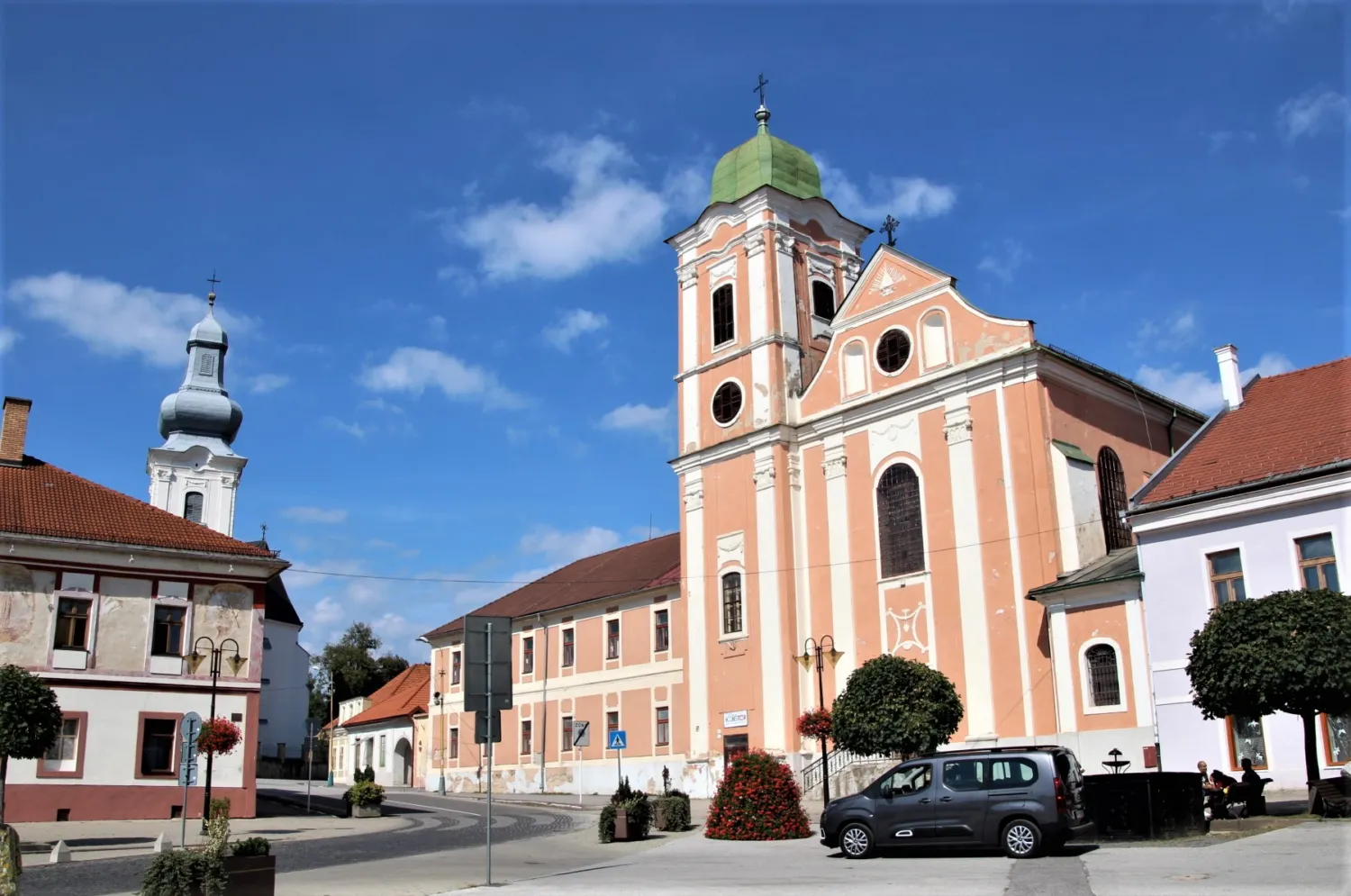
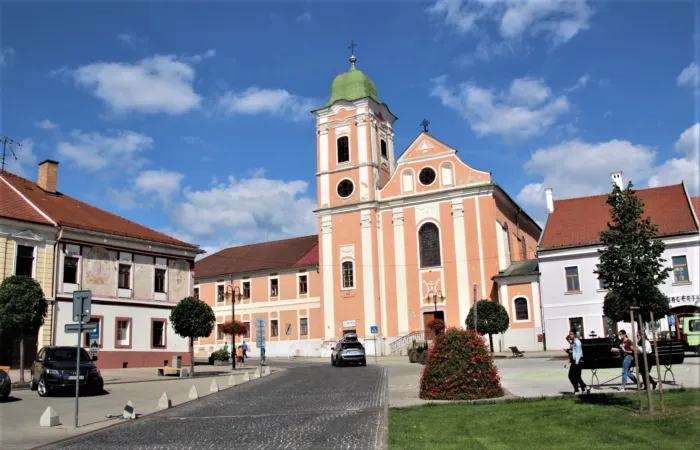
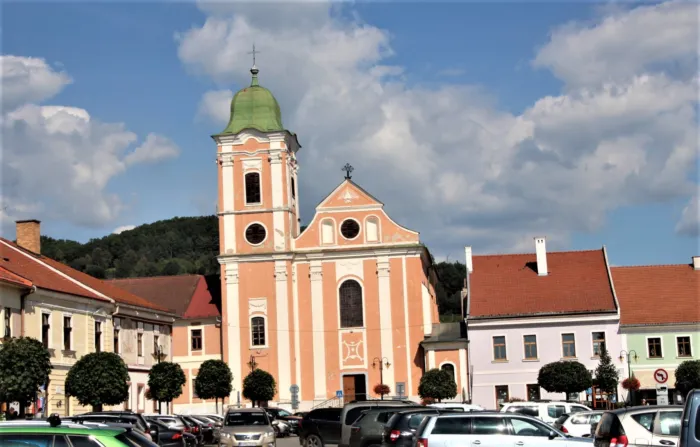
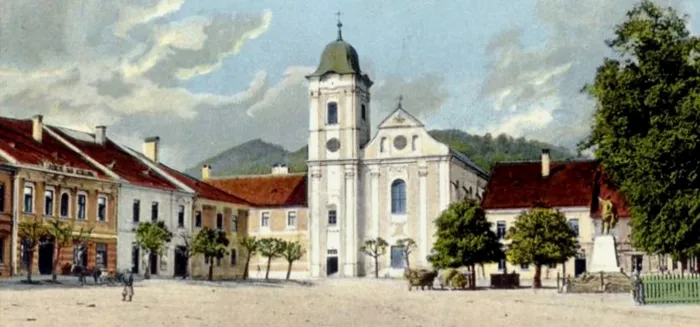
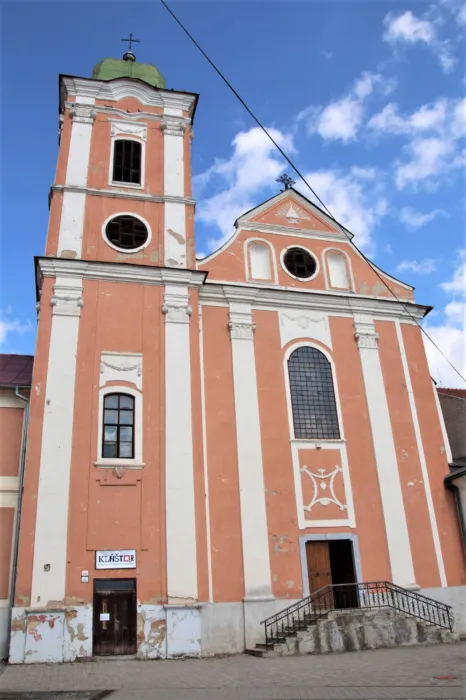
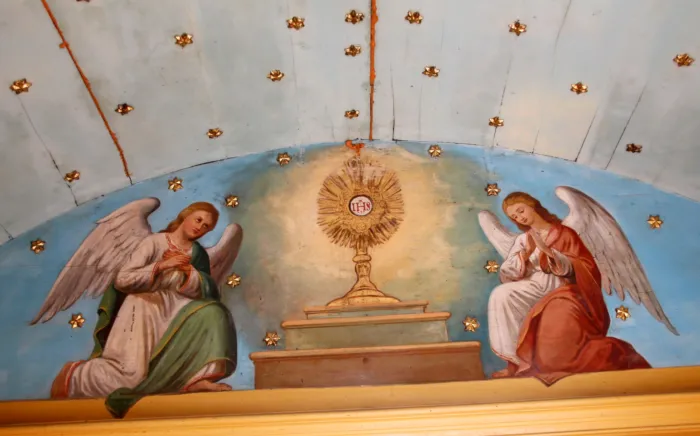
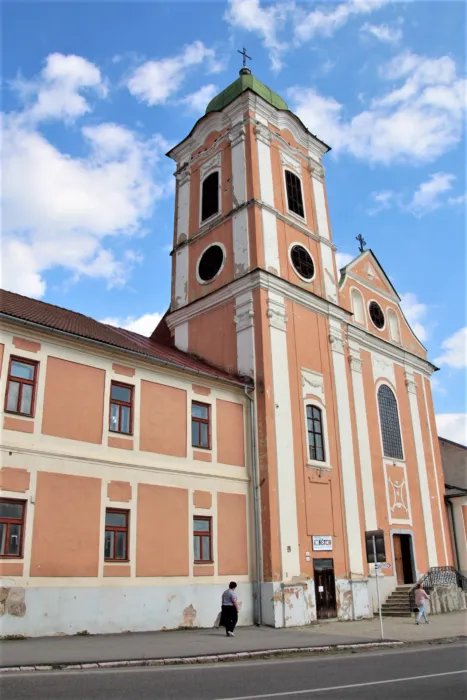
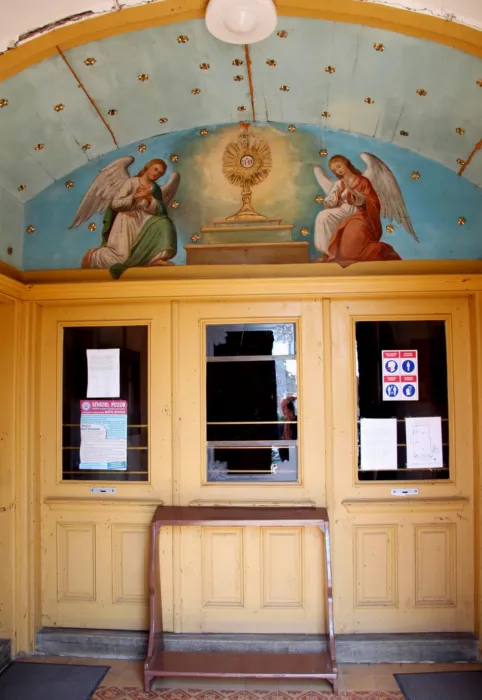
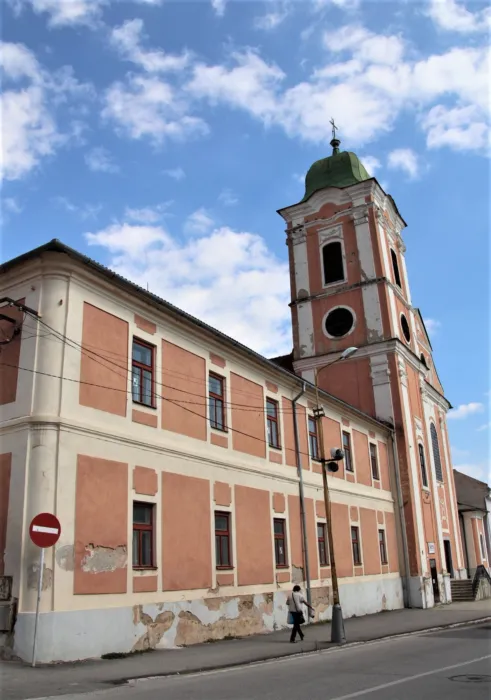
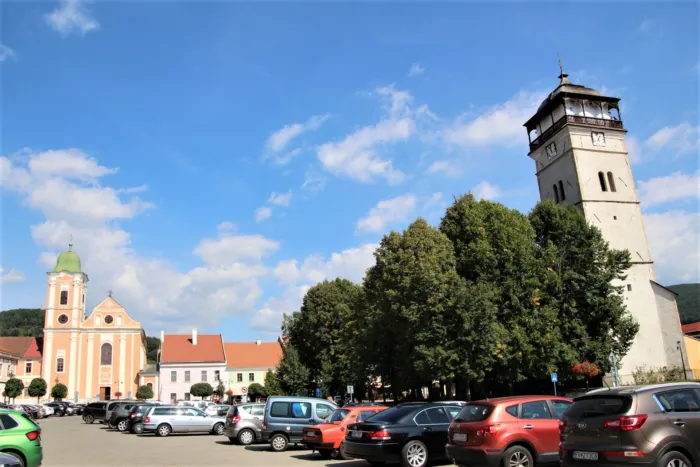
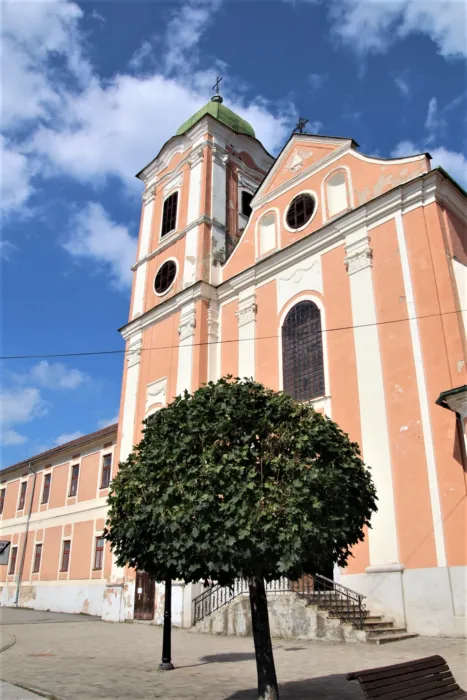
The settlement of the Franciscan friars was made possible by the will of the city councilor Johannes Petz (elsewhere Pecz) and his wife, Mária Dorothea Ethesin. According to this, their house, three vineyards and a third mill in Rozsnyó passed into the ownership of the monks. In his document dated April 16, 1733, Archbishop of Esztergom, Imre Eszterházy, approved the foundation. On August 19 of the same year, King Charles III authorized the construction of the monastery. ; The Church of St. Anne, the former Franciscan monastery, was founded on June 30, 1745. The tower in the main facade of the church, which is located in the north wall of the square, has a nearly north-south axis, a single-nave, gabled roof, and is built in 1782. The already built, Baroque-style monastery and chapel were badly damaged in the fire of 1784. The church was renovated and handed over to the faithful on November 5, 1826. It burned down several times, and was then renovated several times until 1906. During these renovations, it received the classicist details of its facade. At this time, a small, neo-rococo style chapel ("The Tomb of the Lord") was built to the eastern part of the facade. ; The church features murals by Gyula Ádám, a painter from Rozsnyó, painted between 1897 and 1918. The main altar was made in 1905, by F. Boger and Gyula Ádám, the organ is from Salgótarján, the statues and altar decorations are from Tyrol, and the baroque pulpit is from Košice at the end of the 18th century. The three bells of the tower were cast in Budapest in 1892 by Ferenc Valtzer, a bell-caster. The eye of the Lord - which, according to a pious saying, sees everything - was painted on the upper part of the facade. ; The monastery, with its thick walls and bright ground floor and upper floor corridors, radiates the cheerful spirit of the sons of St. Francis. In the corridors, one is constantly tempted to stop by a painting, although not of great artistic value, but still lovely and captivating in its provincialism. Most of them came to the monastery from Košice, at the turn of the 19th century, courtesy of Father Sebaldus, the abbot of Košice. Unfortunately, we do not know the masters, they were probably pious monks who, true to their medieval predecessors, asked for at most a supplication or a prayer for their work as recognition. These pictures are valuable not so much for their artistic value, but because they exude the reverence of a bygone era.