
St. Andrew's Cemetery
Cemeteries, tombstones, graves
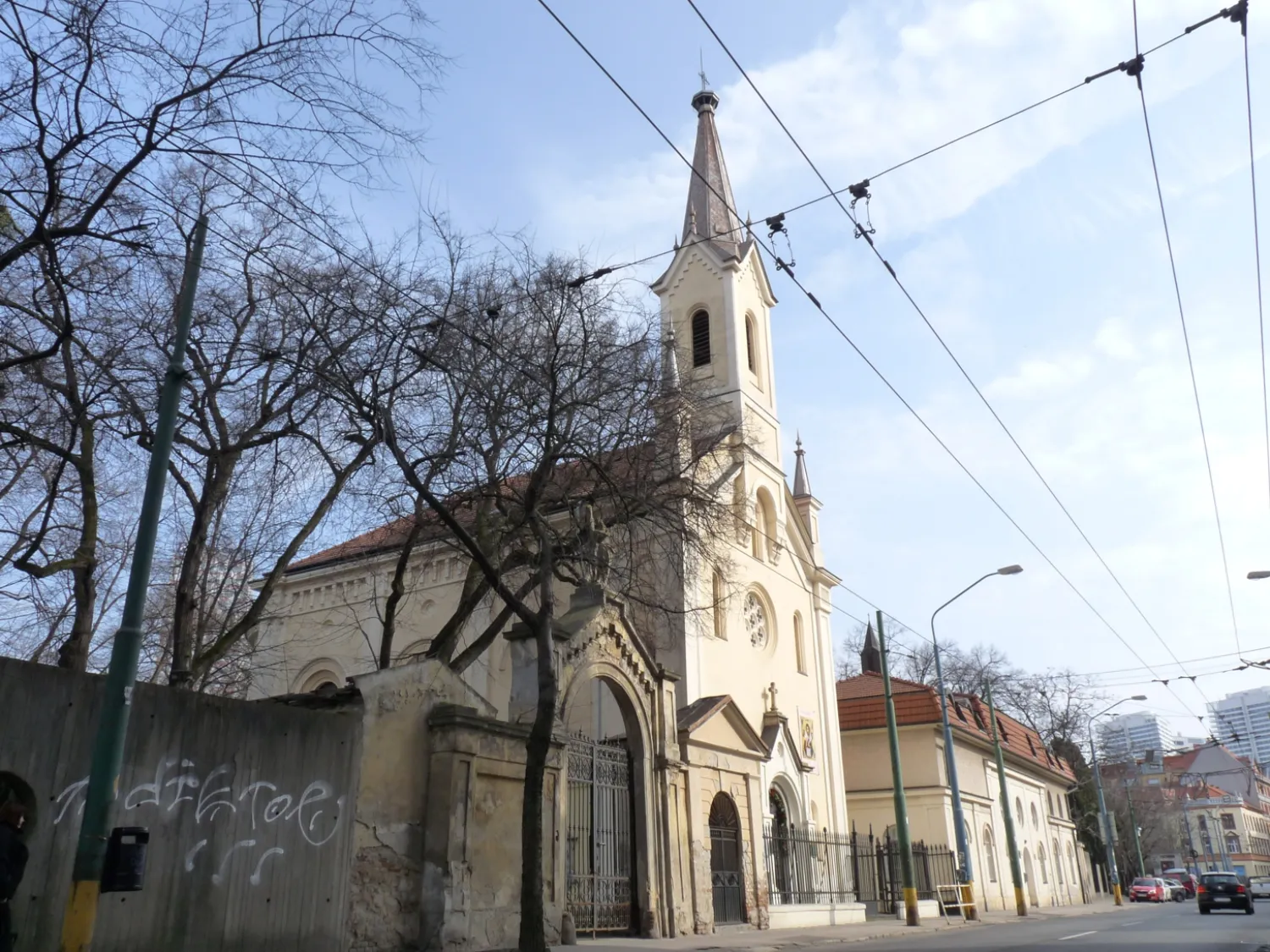
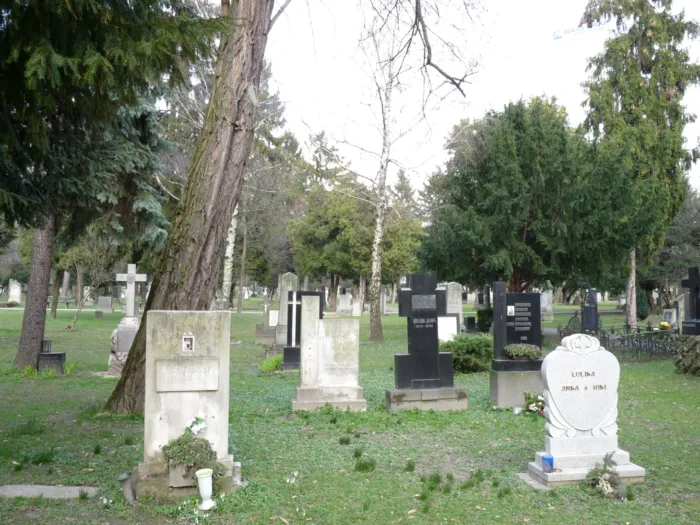
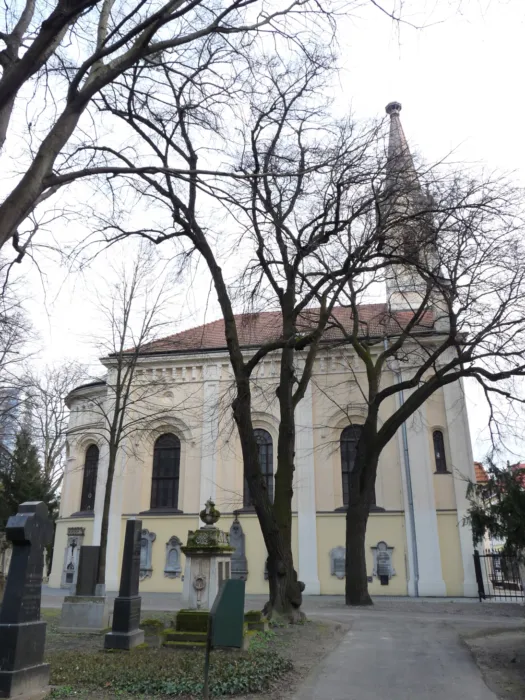
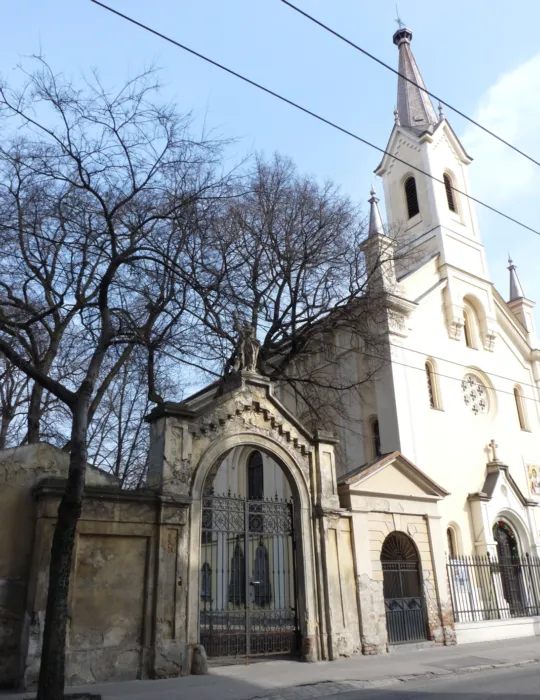
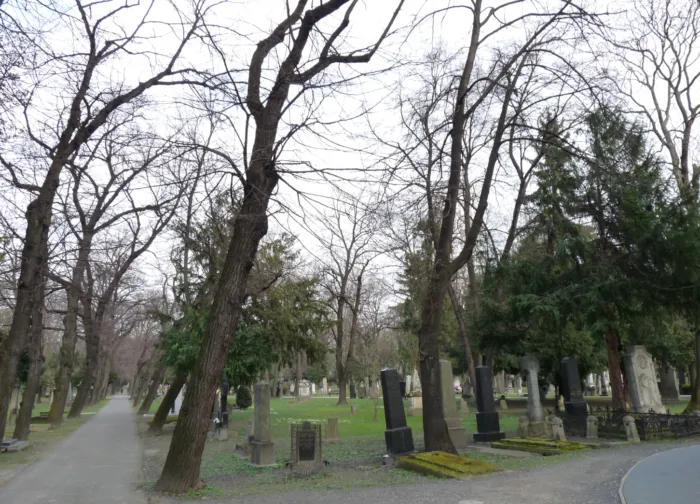
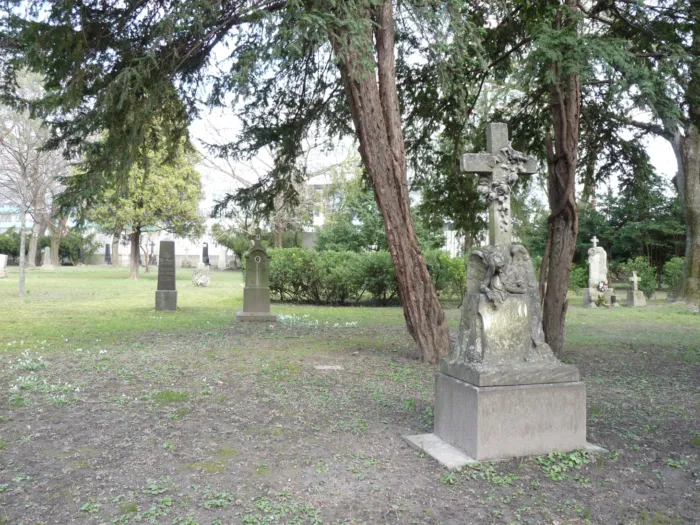
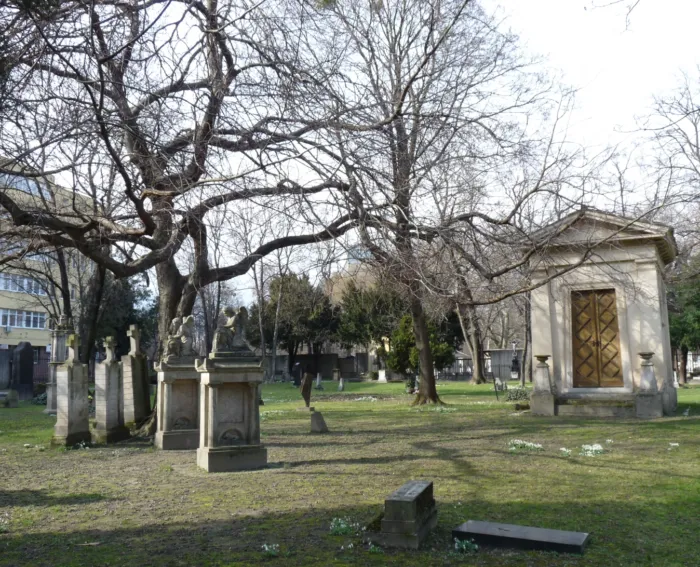
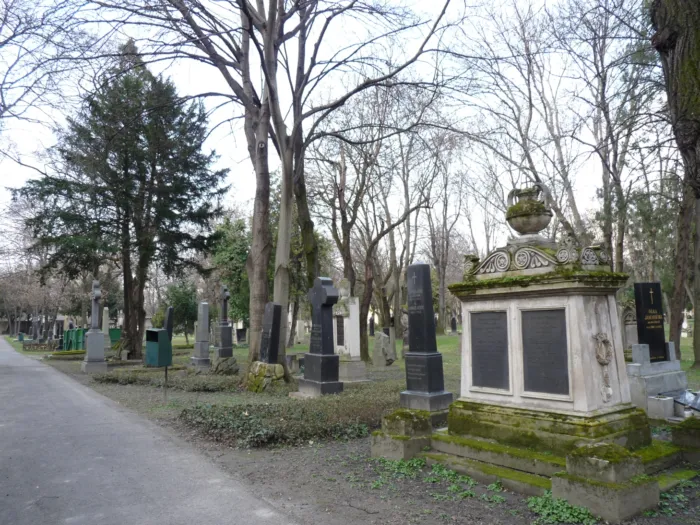
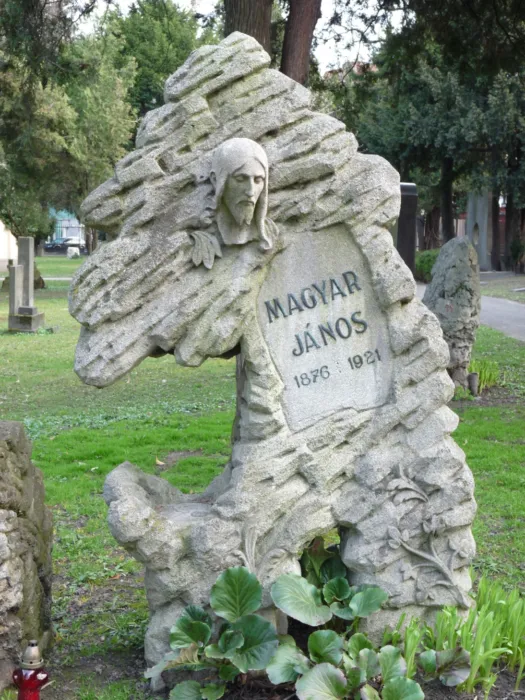
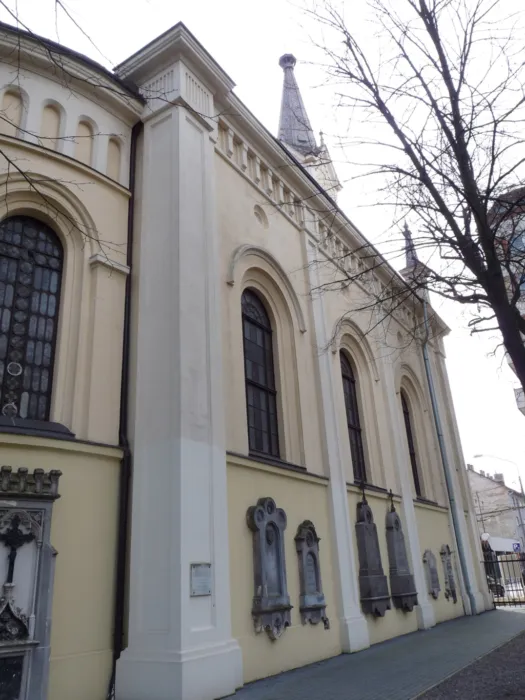
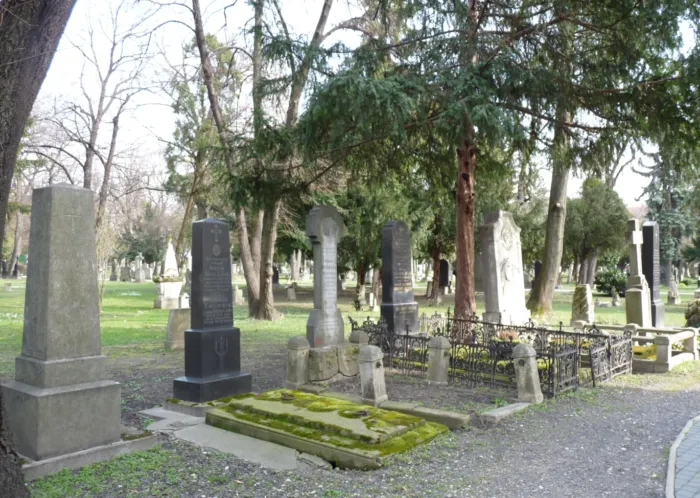
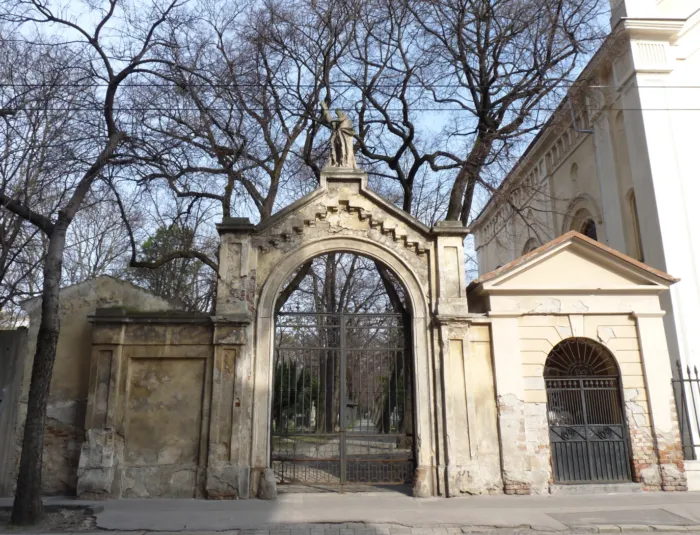
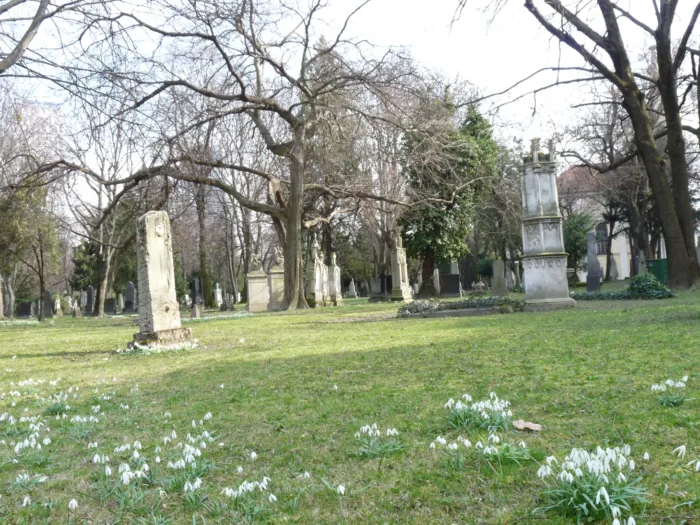
The St. Andrew's Cemetery is one of the most important, oldest and largest historical cemeteries in Bratislava. It was established around 1784, on the eastern edge of the New Town district. The cemetery, which had grown considerably in area by the 20th century, was "overgrown" by the city by then, stopping its previous expansion. In the 1970s, when the main city road bordering the cemetery from the east was widened, an approximately 5 m wide strip was unfortunately cut off from its area. The most prestigious and valuable tomb chapels and crypts built in line with the cemetery fence (e.g. the graves of the Palugyay and Csáky families) fell victim to this barbaric destruction, but the graves of the family of Tivadar Ortvay, considered a monographer of Bratislava, were also moved at that time. It is characteristic that while in 1966 there were still 15,000 graves registered here, by 1976 only 4,500 remained... The graves of the cemetery, which is now practically closed and declared a historical garden monument, unfortunately also underwent a "monument" selection: only the graves deemed valuable and worthy of preservation by the expert jury were allowed to "remain", the rest were obviously dismantled, even their graves were spread out. This is how the cemetery's current, somewhat bizarre image came into being, with its intermittent rows of graves, between which grass grows green. At the same time, the raw concrete fence that surrounds the cemetery today was probably built, into which a few graves were "worked in"... Of course, visiting the "remains", the several hundred, very beautiful, 18th-20th century graves visible today, is still a captivating experience. Several of them are noted works of art, such as the tombstones created by the famous Bratislava sculptor Alajos Rigele, who is also buried here. The cemetery faithfully reflects the image of Bratislava, which had a predominantly German-Hungarian population in the new era. Many prominent individuals, politicians, intellectuals, officials, military officers, artists, church figures, industrialists, and entrepreneurs are buried here, mostly Catholics. Some of them are worth mentioning. For example, the neo-Gothic tombstone of Károly Jetting (1730-1790), "the Hungarian Robinson", erected in 1844, who was captured in Africa several times during his adventurous life and spent a long time on a deserted island, until he finally managed to return home to Bratislava. Only a small plaque marks the former grave of József Könyöki, an art teacher and founder of the City Museum.