
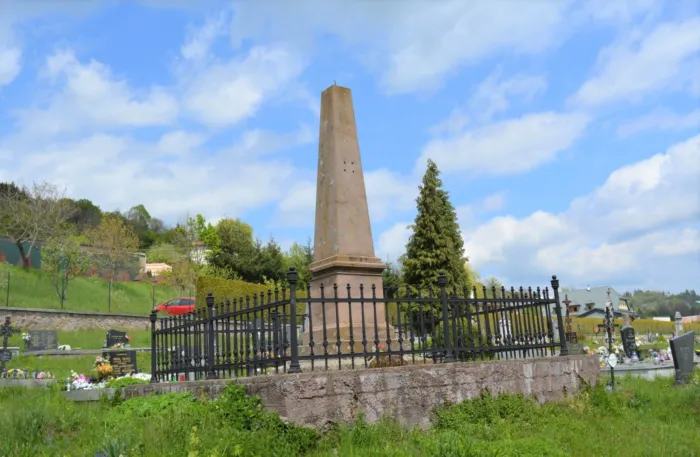
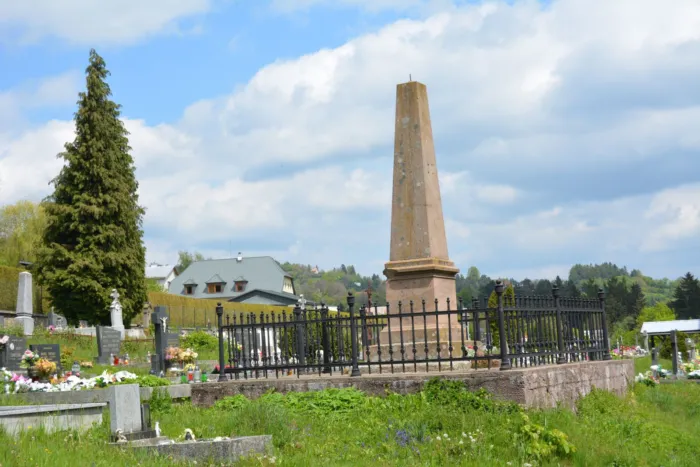
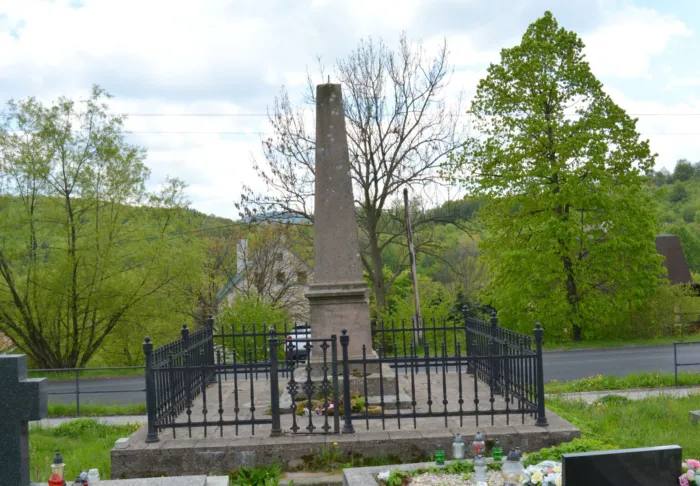
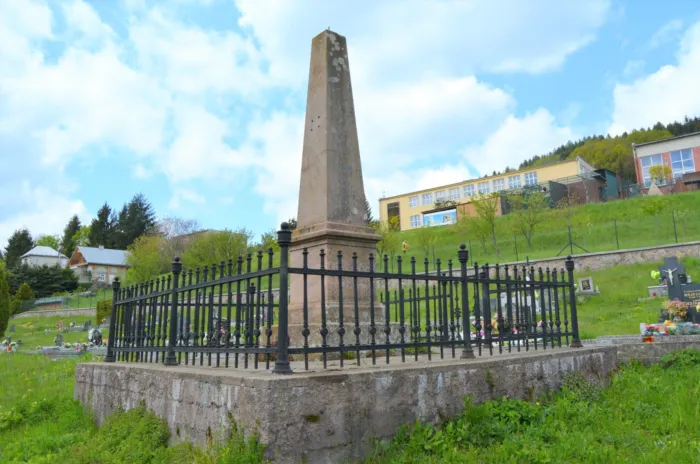
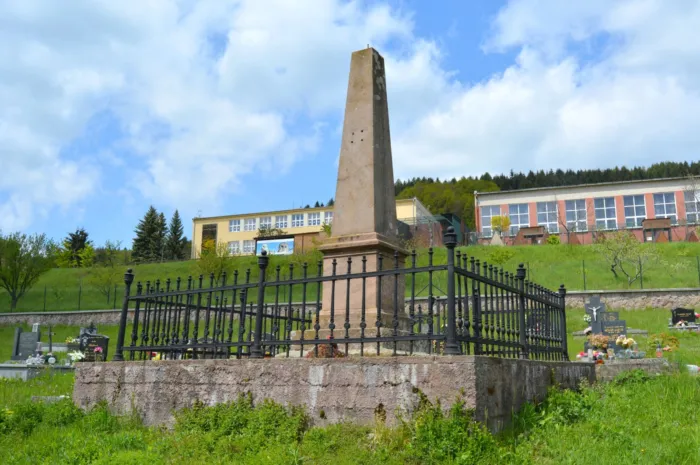
Tomb of the fallen soldiers in the Battle of Szélakna
Cemeteries, tombstones, grave sites
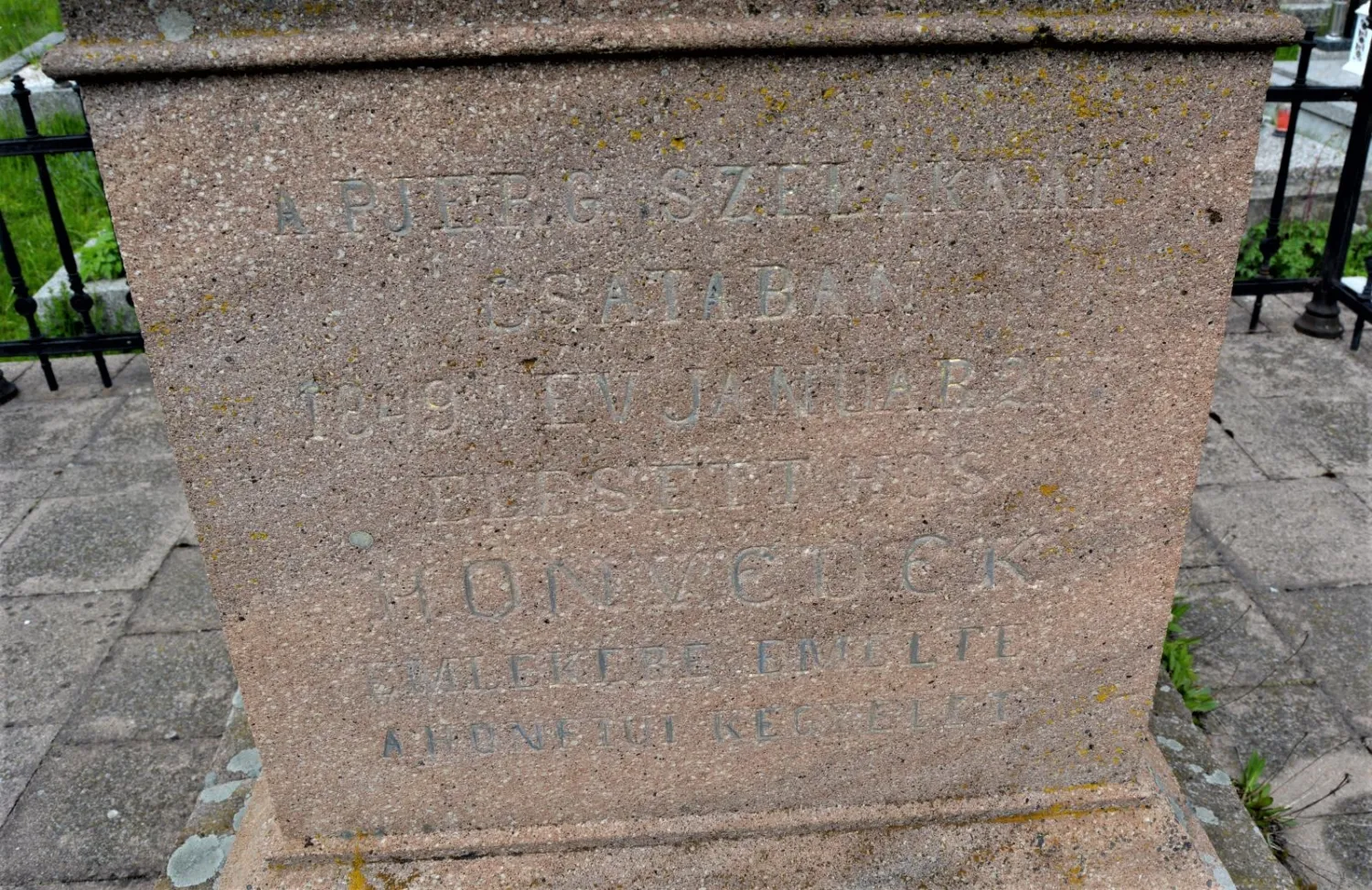
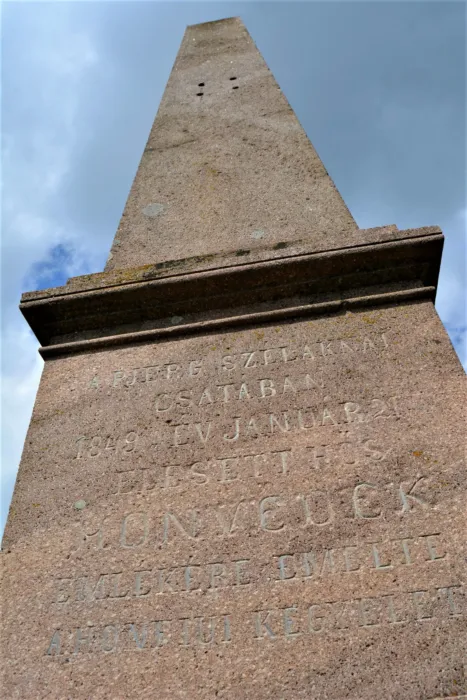
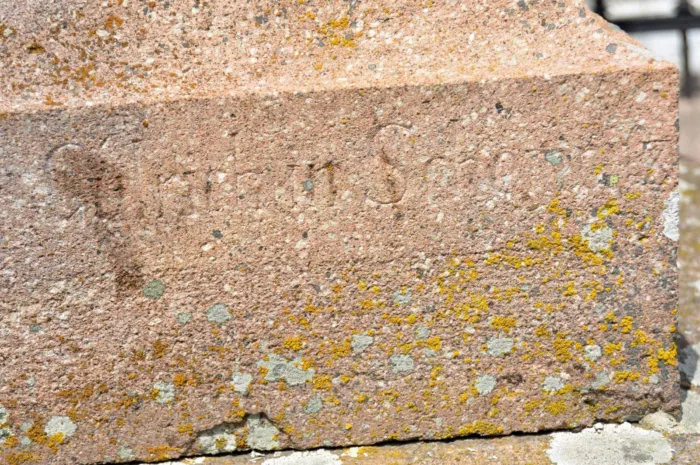
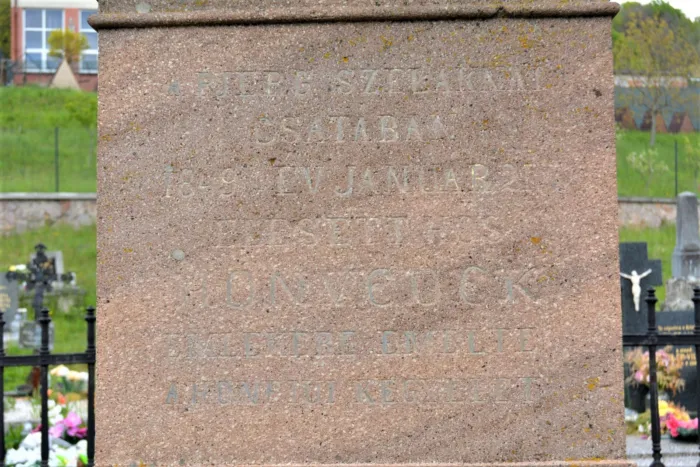
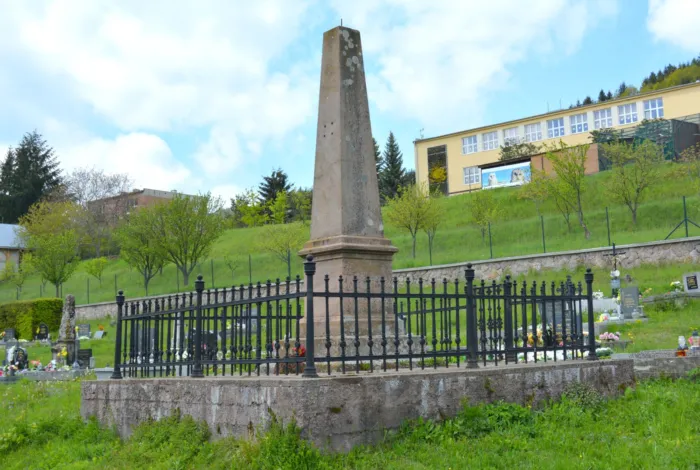
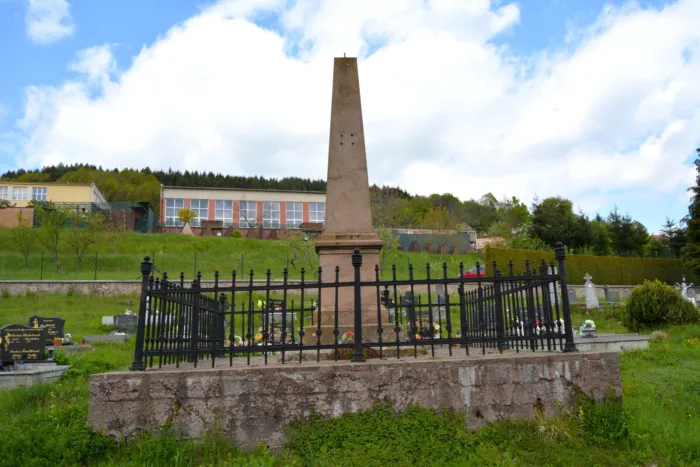
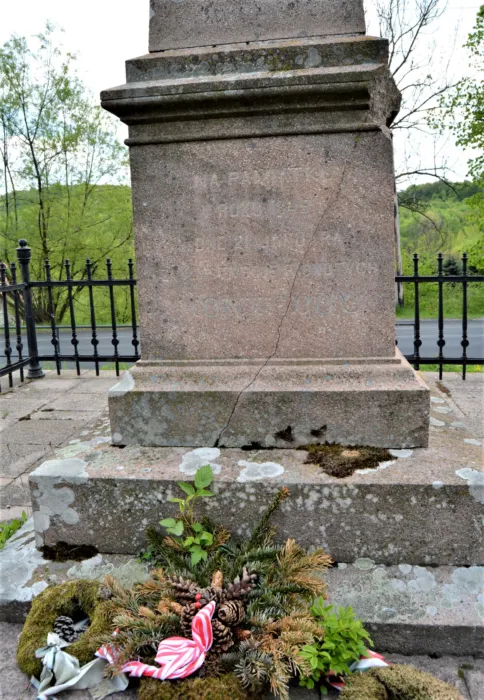
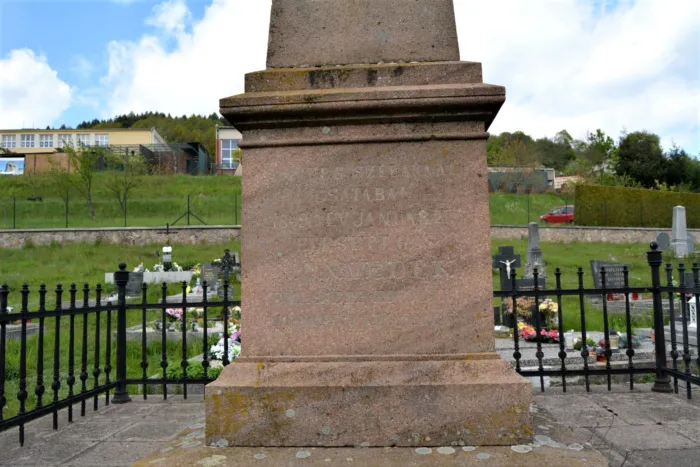
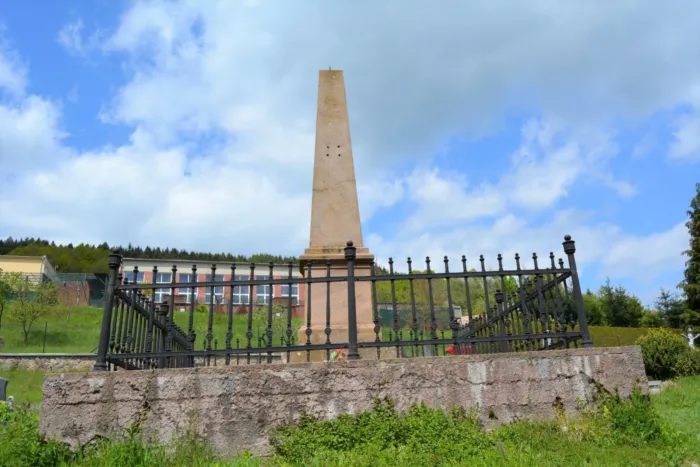
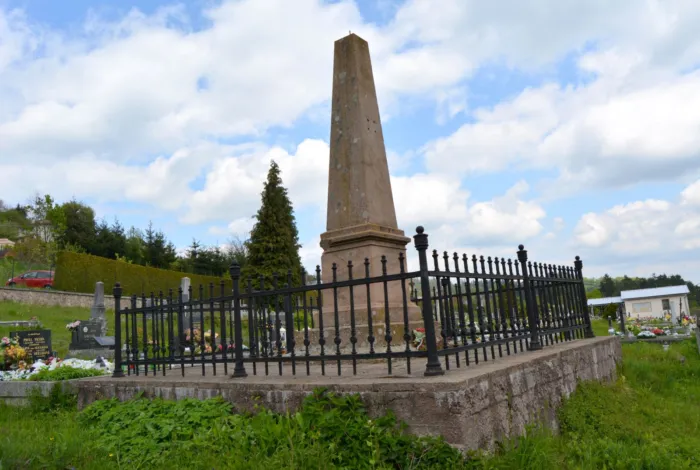
The Hungarian War of Independence that broke out in the autumn of 1848, after initial successes, found itself in a dangerous situation due to the developing Austrian attack. The so-called Upper Danube Corps, which was the main army of the Hungarian army and was stationed in the Komárom region, received an order from the high command to march to Trans-Tisza. Since the center of the country had already fallen into the hands of the imperialists by then, the commander Artúr Görgei planned to achieve this through the mining towns of the highlands. Here, he could also replenish his intended supplies of military equipment and recruit new recruits for his army. ; Colonel Richárd Guyon, the division commander of the Upper Danube Corps, who commanded one of the corps, marched to Selmecbánya in mid-January 1849, and formed his defensive line in Szélakná to the south of it. On January 21, his positions were attacked by the imperial army led by Lieutenant General Anton Csorich, as a result of which Guyon was forced back to Selmecbánya. The next day, the defenders tried to retake Szélakná, but they were unsuccessful. ; The heroic dead of the defenders of the battles between Pjerg (later known as Hegybánya) and Szélakná were laid to rest in a common grave in the Hegybánya cemetery. In the western part of the cemetery, clearly visible from the road, the defenders' tomb is located in a place bordered by a low, wrought iron fence. The classically designed obelisk, carved from red marble, consists of a stepped pedestal, a central part in the shape of a column, and an obelisk in the shape of a truncated pyramid at the top. A text engraved in gilded letters on the southern side of the central block commemorates the heroic soldiers who died "in the Battle of Pjerg-Szélakna" and are buried here.