
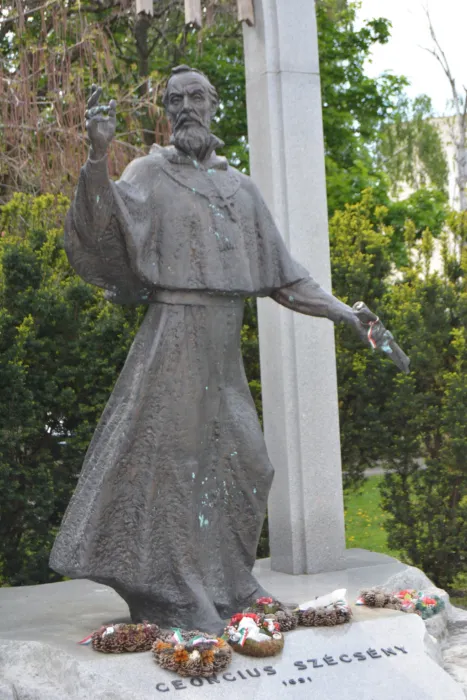
Statue of George Széchényi
Statue, monument, memorial plaque
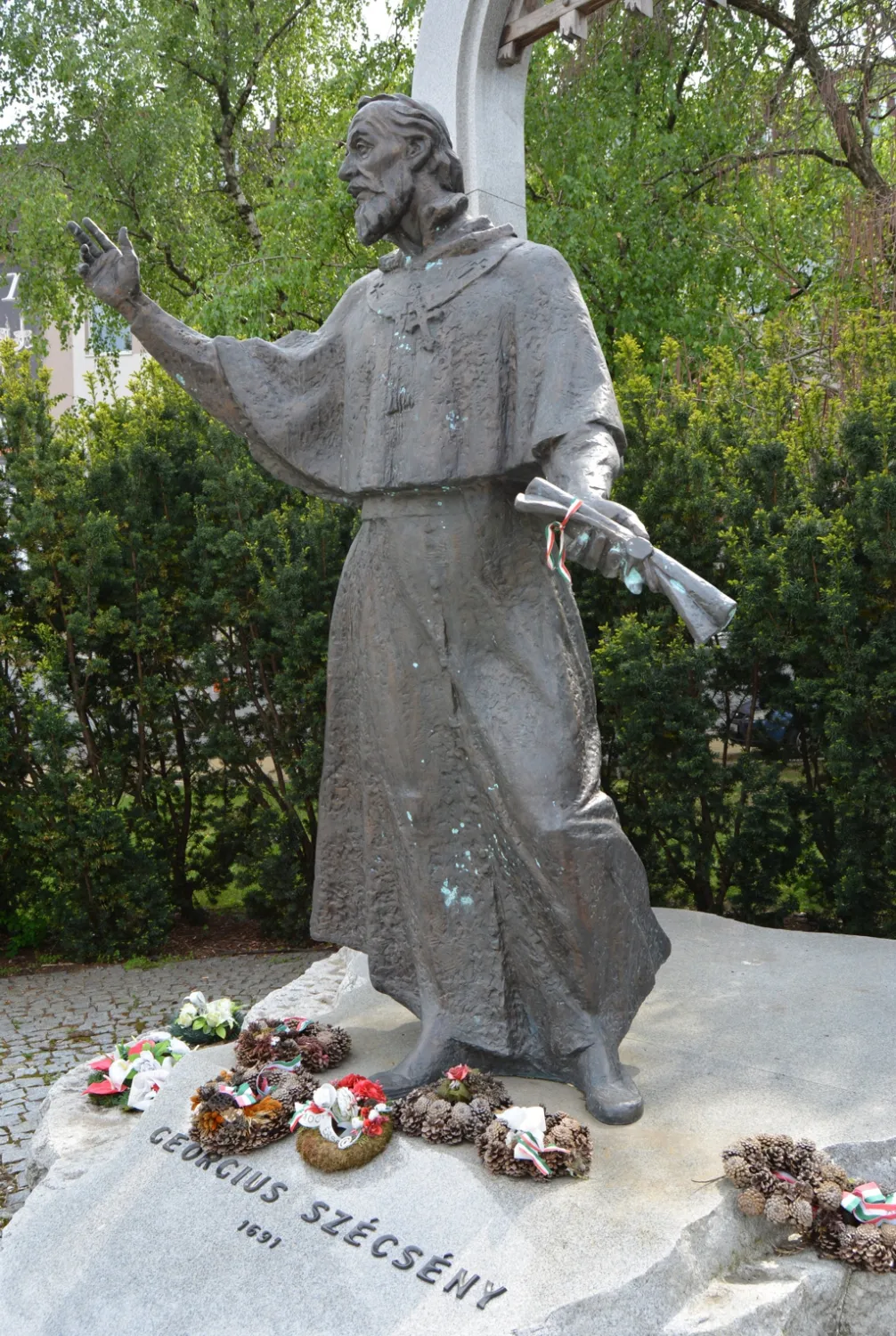
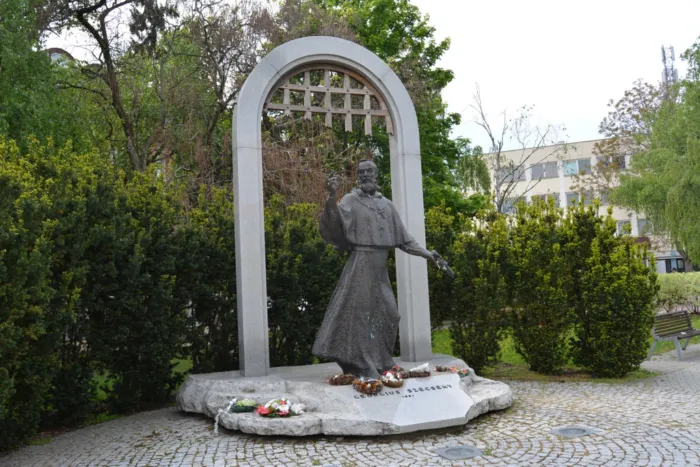
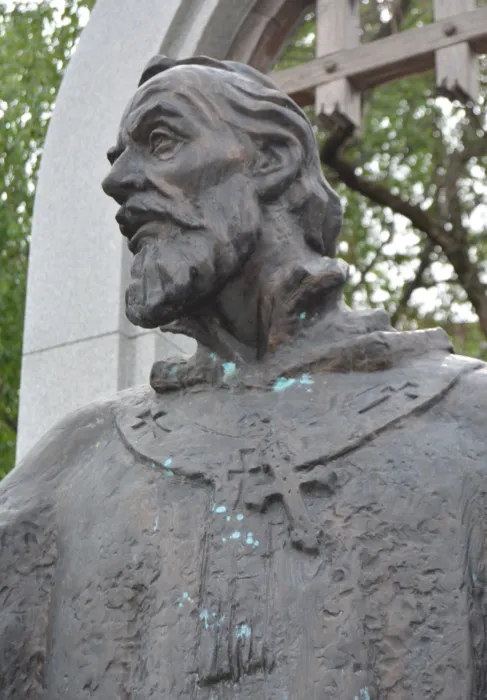
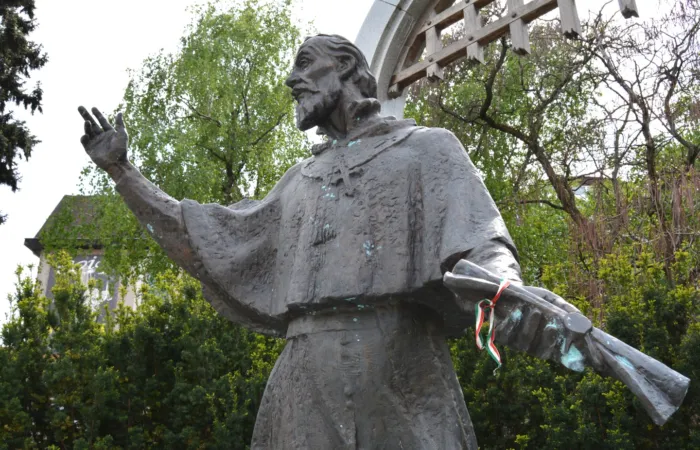
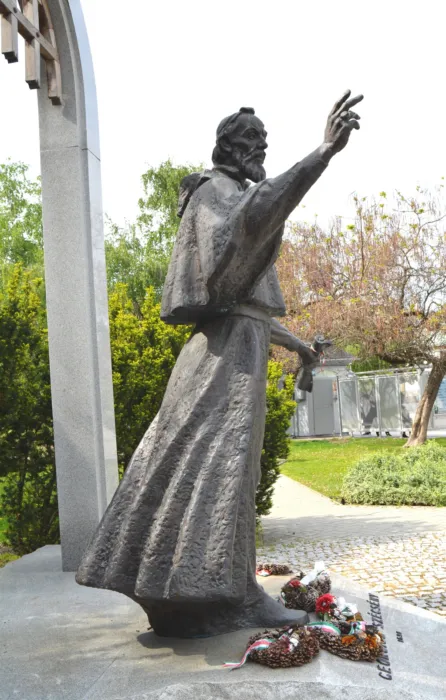
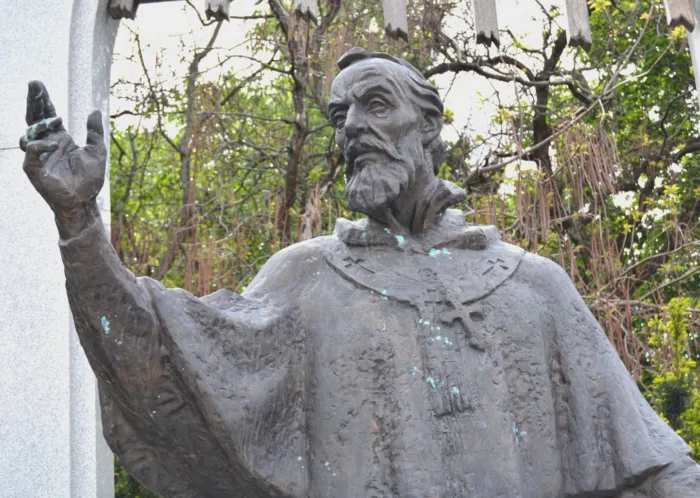
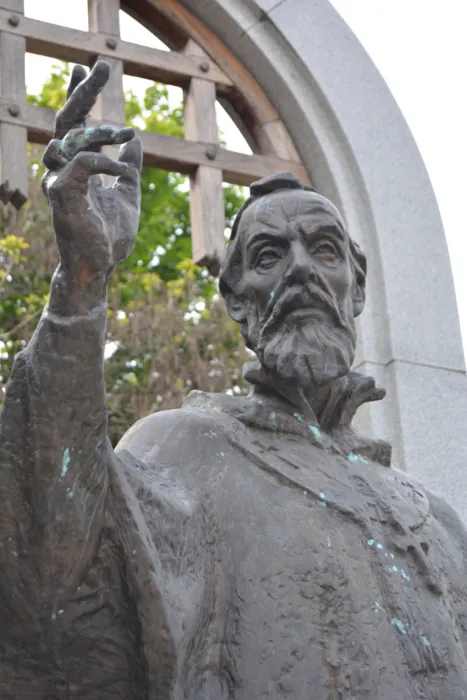
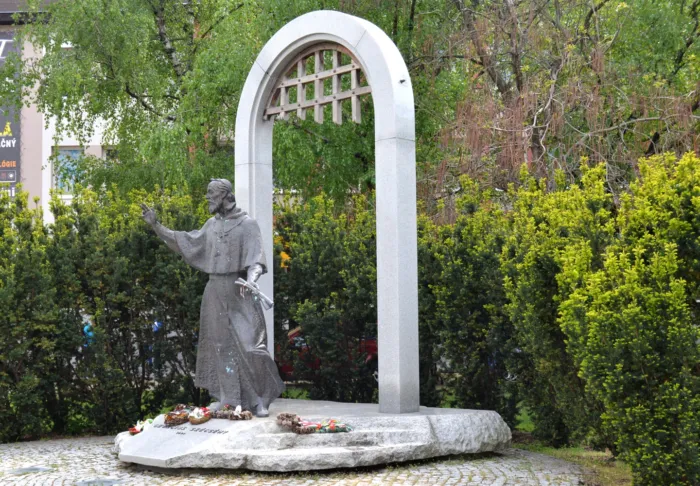
The statue of Archbishop György Széchényi of Esztergom is a work of sculptor Tibor Szilágyi, which was erected in 2005 in the main square of the city. Archbishop Széchényi stands in front of the gate of Érsekújvár, holding the city's charter in his hand. ; György Széchényi (Szécsény, 1603 or 1605/1606 – Bratislava, February 18, 1695) was bishop of Csanád, Pécs, Veszprém, then Győr, archbishop of Kalocsa, later of Esztergom, primate, Catholic church writer. ; ; He was the scion of a noble border castle knight family, his father Szabó or Márton Széchényi (before 1560–1629) performed military service in the Szécsény castle, his mother Sára Bán of Ínarc (?–after 1653). His maternal grandparents were the daughters of Bálint Bán of Ínárcsi and Gáspár Szalai, a nobleman. György Széchényi completed his lower schools in Gyöngyös and Nagyszombat, his liberal arts there, and theology from 1625 at the newly founded Pázmáneum (Collegium Pazmanianum) in Vienna. He was ordained a priest on March 15, 1631. He was a chaplain in Vág-Sellyé for three months, then from February 7, 1632 he became a canon of Esztergom. On November 20, 1643, he became bishop of Csanád, in 1644 of Pécs, in 1648 of Veszprém, in 1658 of Győr, and on April 18, 1668, he became archbishop of Kalocsa and at the same time administrator of the episcopate of Győr. ; ; For the inhabitants of the city, Széchenyi is a significant figure, as he bought Érsekújvár from Emperor Leopold I in 1691, which marked the end of the castle era and the beginning of a new life for the city. ; On October 29, 1691, he elevated Érsekújvár to city status with a charter. A new era began in the development of the city in all areas, be it education, trade or handicrafts. ; Széchenyi's anti-Reformationism became increasingly stronger after the suppression of the Wesselényi conspiracy, when Archbishop György Szelepcsényi and the royal governor, together with the other bishops, took advantage of the political situation to crush Protestantism. In some cities (Nagyszombat, Puhó (Púchov), Bánya Biszterce, Bánya Selmec...) the liquidation of Lutheran churches began, and the military expelled priests and teachers from the cities. In Bratislava, Szelepcsényi tried to fake a rebellion just so that he could persecute the Lutherans in the name of “rebelio” (rebellion) and not “religio” (religion). ; In Nagyszombat, 39 citizens of Bratislava were convicted. The court sentenced them to beheading and forfeiting their property for disloyalty to the king. The king postponed the beheading, but took the churches and the school by force. ; In Komárom, Széchenyi, with the help of the military, took their church from the Reformed, which burned down in 1672 along with other occupied buildings. ; György Széchenyi, Archbishop of Esztergom, lived modestly and supported churches, schools, hospitals, and the reconstruction of Buda with huge sums of money. ; Széchenyi’s name is also engraved in the history of Levoča as an important figure of the Counter-Reformation, which was known as a student town at the time. The first known school in Latin was founded in Levoča after the Reformation. During the Counter-Reformation, the monastery (which had been empty for over a hundred years) and the church were given to the Jesuits, and a new school was built. Széchenyi founded a boarding school in Levoča in 1694. ; As for Érsekújvár, during the Bocskai and Bethlen uprisings, Catholics were almost not allowed to enter the city. The Reformation had a religious and cultural influence in Érsekújvár until the Turkish occupation. This fact may have played a role in the fact that in 1685, after the expulsion of the Turks, the Archbishop of Esztergom, György Széchenyi, bought the castle from the emperor and then granted it a charter. ; The first paragraph of the charter reads as follows: “We have perfectly arranged that no one should be admitted to the number of citizens and residents of our city of Ujvár unless he is a Roman Catholic or makes a strong promise that he will convert to the R.C. faith, so that divine respect may grow all the more and our citizens may shine in morals and zeal.” ; The charter dated October 29, 1691 (approved by Leopold I on October 12) has 8 points, of which the most important is point 6, according to which “We allow free living with the estates of Lek, Gúg, Györök, and Nyárhíd”. ; The archdiocese continued to decide on judicial and criminal matters, but the city judge and magistrate could decide on minor disputes. Érsekújvár therefore had certain privileges, but it belonged to the archdiocese of Esztergom. ; In his will, the archbishop left 180,000 forints for the repair of the castles of Buda and Esztergom. ; György Széchenyi died in Bratislava on February 18, 1695. His remains were laid to rest in the St. Martin's Cathedral in Bratislava on March 18, 1695.