
St. Catherine's Church in Szaszpelsőc
Building, structure
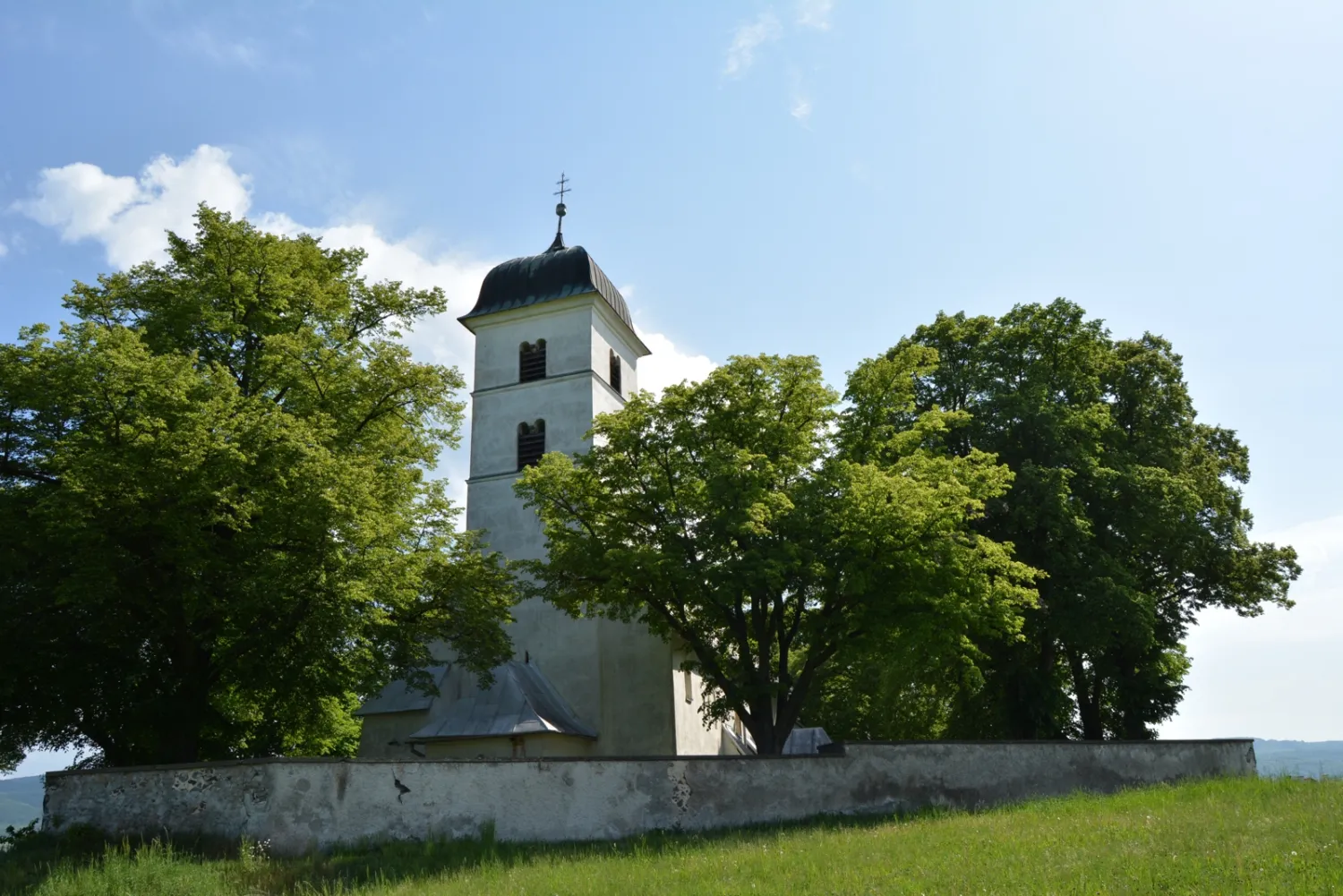
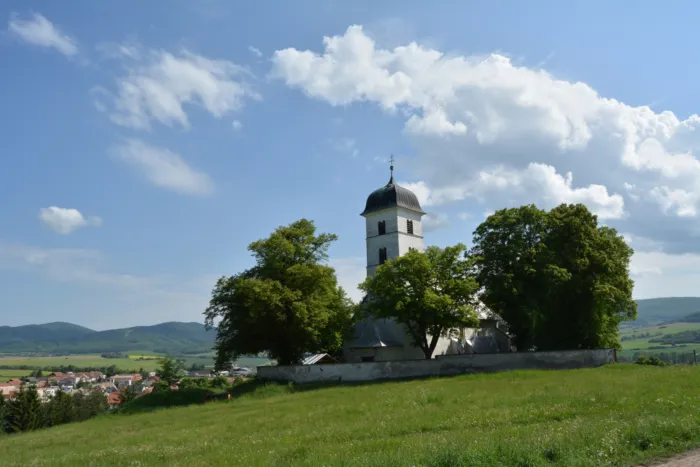
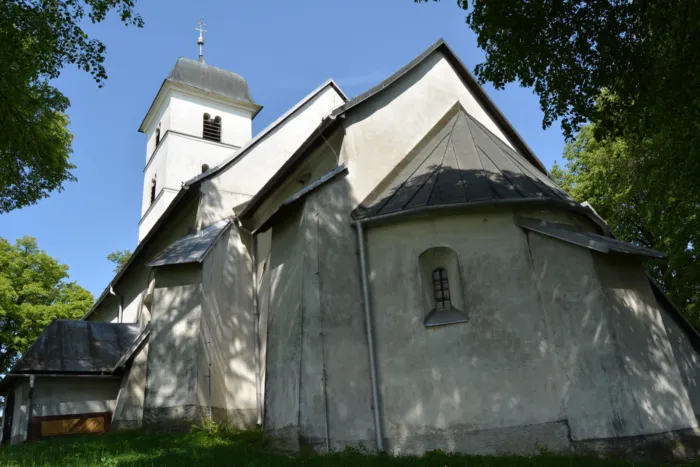
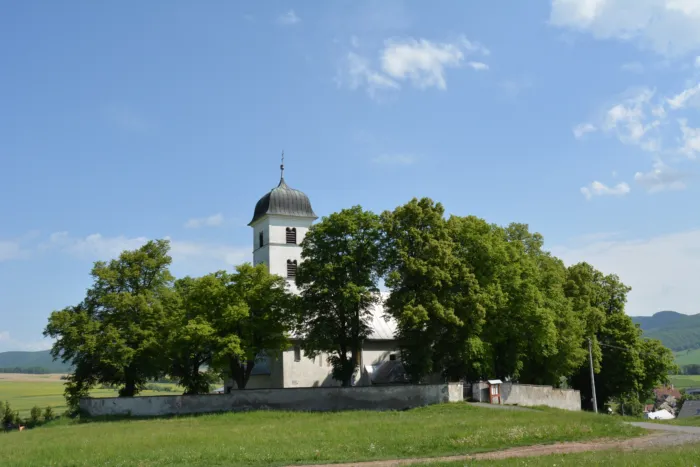
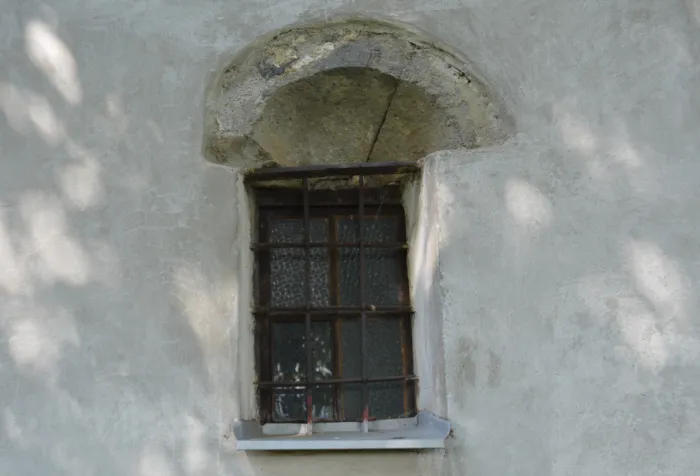
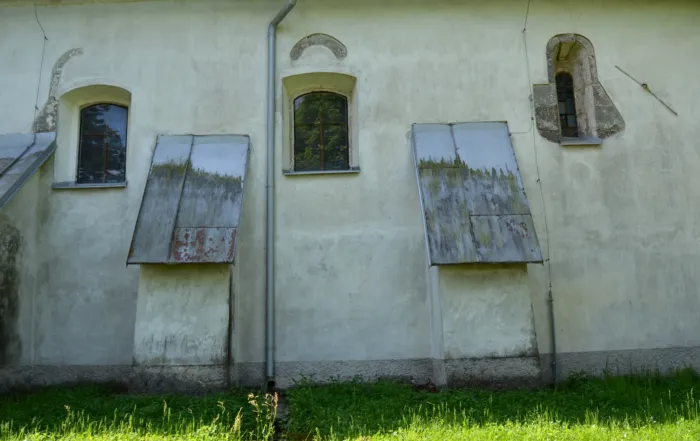
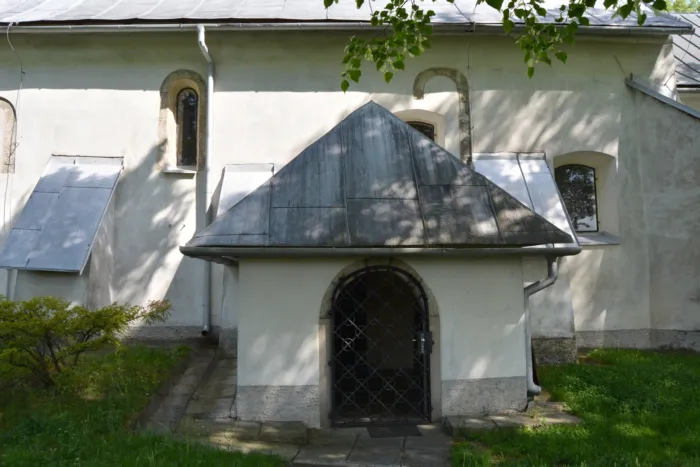
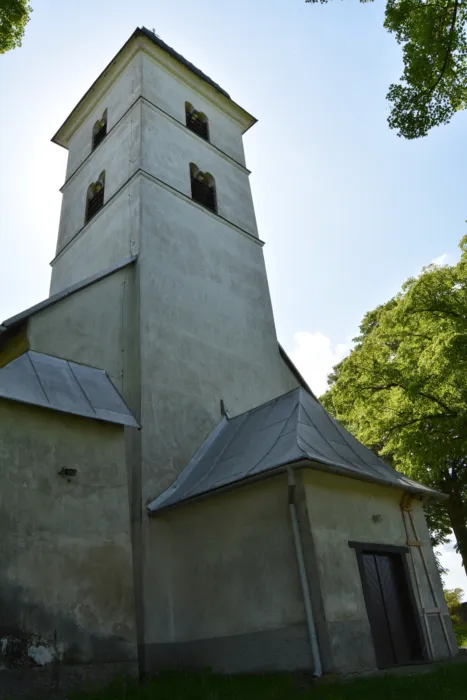
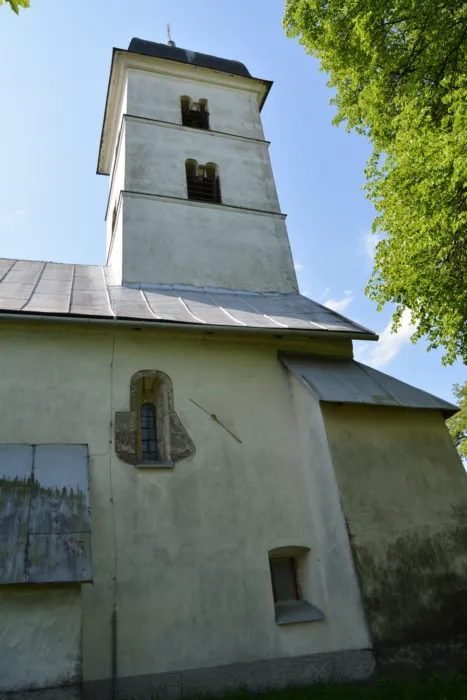
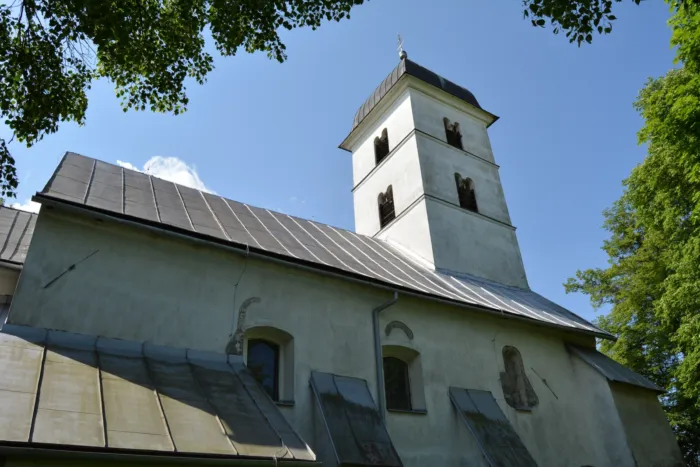
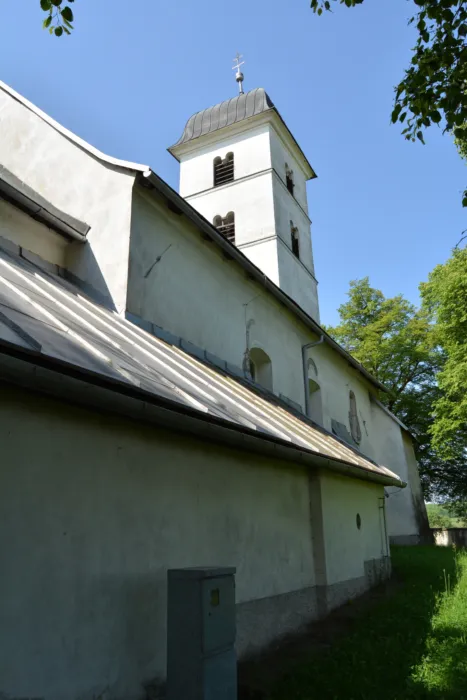
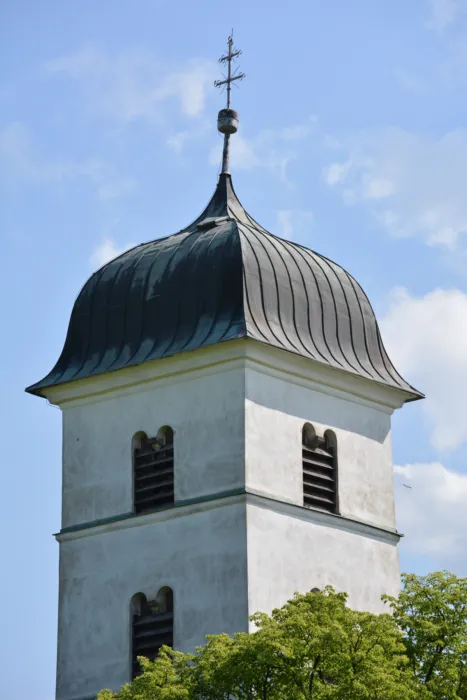
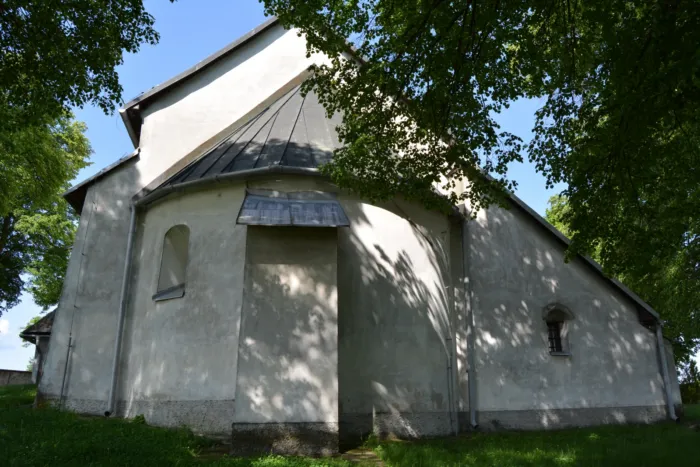
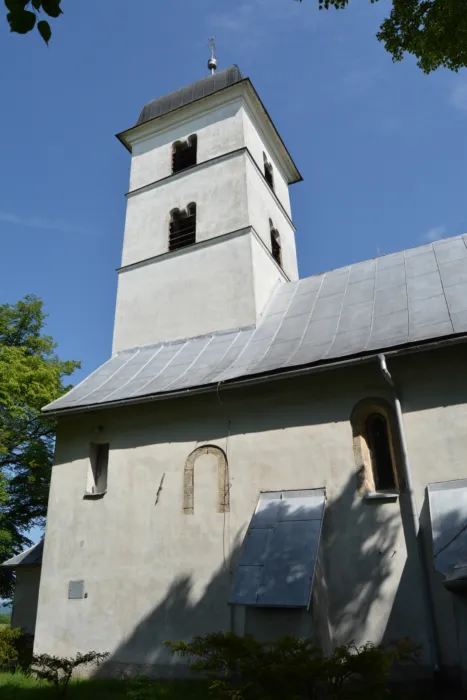
The village of Szászpelsőc lies 10 km northeast of Korpona. The village, inhabited by Saxon settlers, was mentioned as early as 1256 and 1332. It was granted town rights, but never developed into one. In 1419, King Sigismund confirmed the privileges of the settlement. The construction of the village's church dedicated to St. Catherine dates back to the first half of the 13th century. The parish here is mentioned in 1254. Due to the increasing Turkish threat, the parliament of 1578 ordered the reinforcement of the church, and it was further expanded and strengthened in 1585. The church, surrounded by a thick protective wall, was considered one of the significant fortifications of the area. Its registry was kept from 1680. This shows that it was in Protestant hands in 1702, but in 1710 Catholics were again celebrating mass in it. In 1826 the roof of the tower had to be repaired, and its dilapidated sanctuary was reinforced with iron brackets in 1827. The single-nave church with a semicircular sanctuary, reinforced with buttresses, was partially rebuilt in the 18th and 19th centuries. ; Romanesque details can be seen on the tower, the gateway, and a recently restored window. The stone ribs of the semicircular cross vault of the sanctuary start from decorative shoulder stones. A pointed arched door cut into the N wall of the sanctuary leads to the three-step deeper, barrel-vaulted sacristy. The demolished, plastered fortress wall of the church dates back to the 16th century and is 1 meter thick and about 1.5 meters high on the inside. On the N, outer side, the original, old stone wall is visible from under the crumbling plaster. On the NW, NW and E sides of the enclosure wall, traces of the former defensive ditch can be clearly seen. The ditch is currently 6-8 m wide and 2-3 m deep compared to the current terrain level. The ditches along the SE, S and SW sides of the enclosure wall have been filled in, but some faint traces still indicate it on the SE side. Outside the fortress wall, on the N and E sides of the wall, there is a semicircular plateau measuring approx. 5 m x 3 m, on which an earthen bastion made of beams probably once stood.