
Stefania Road
Building, structure
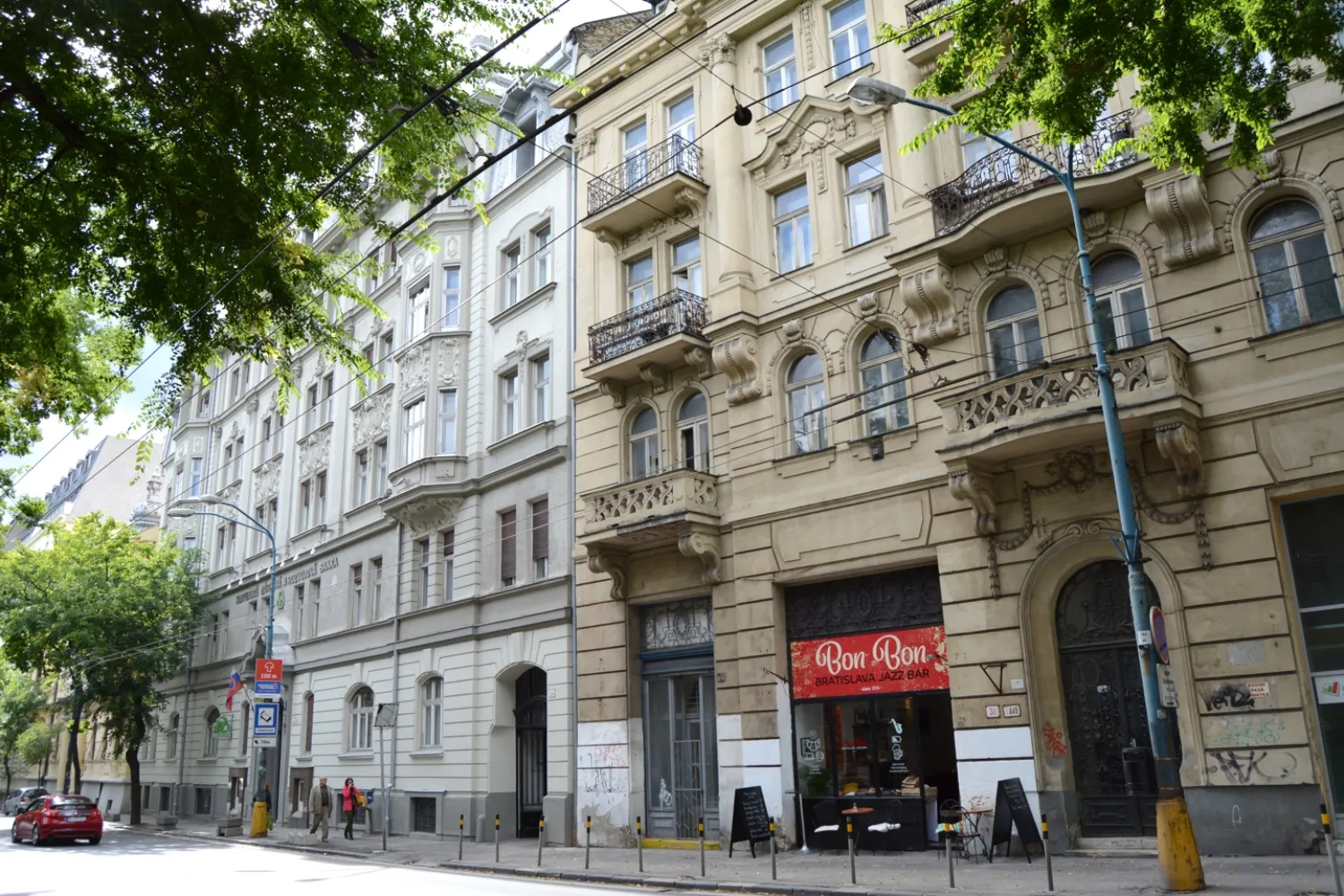
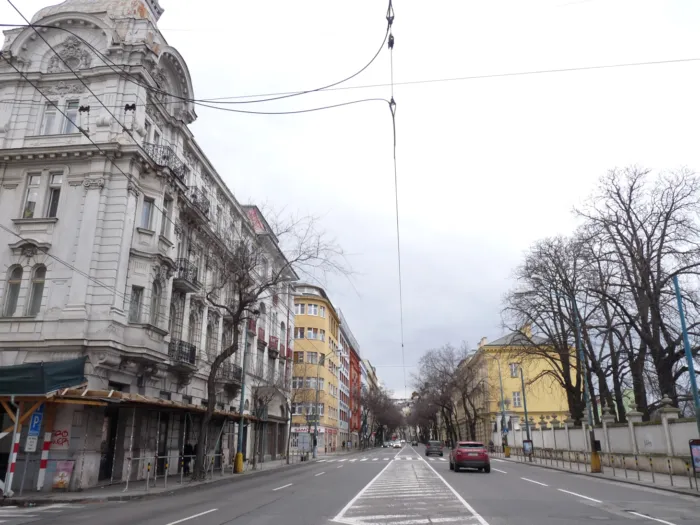
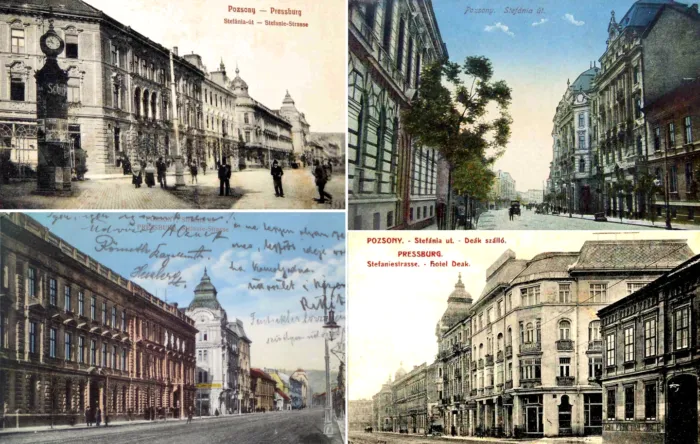
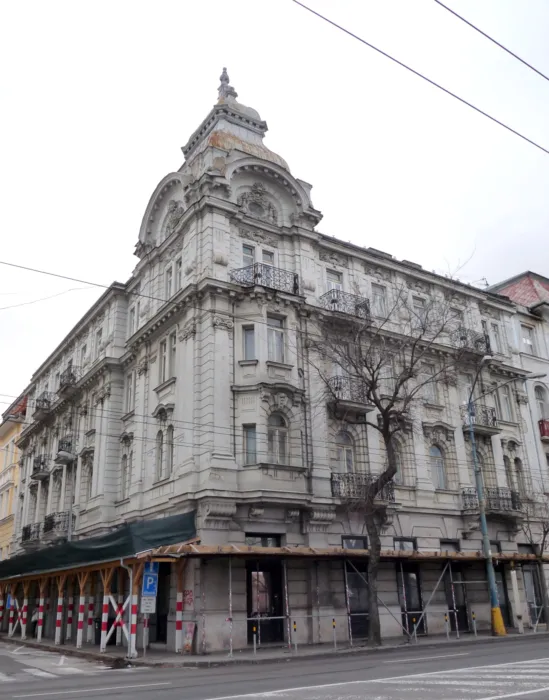
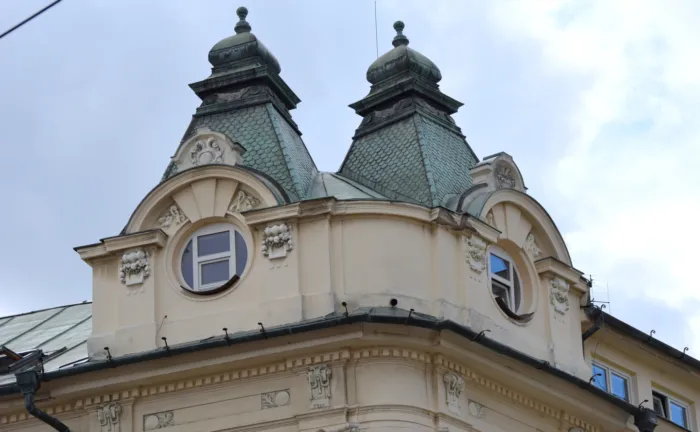
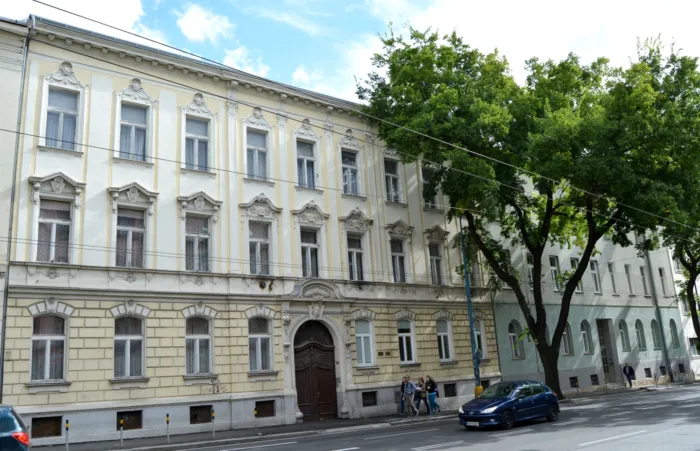
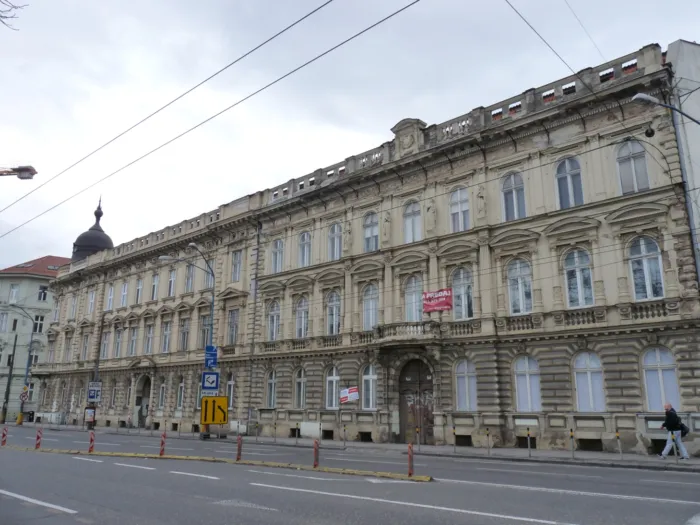
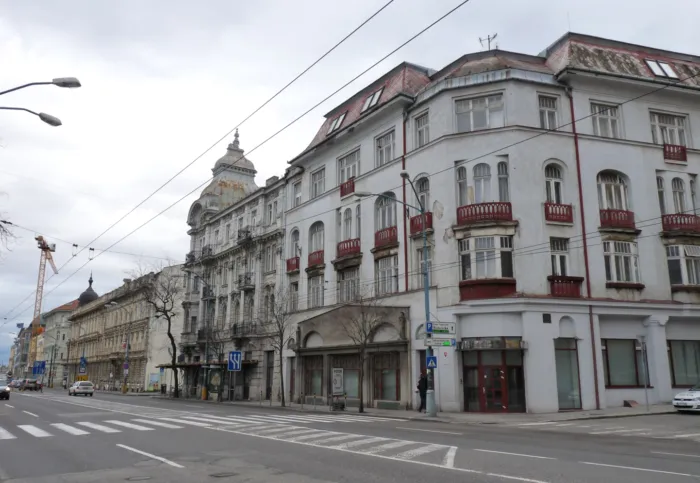
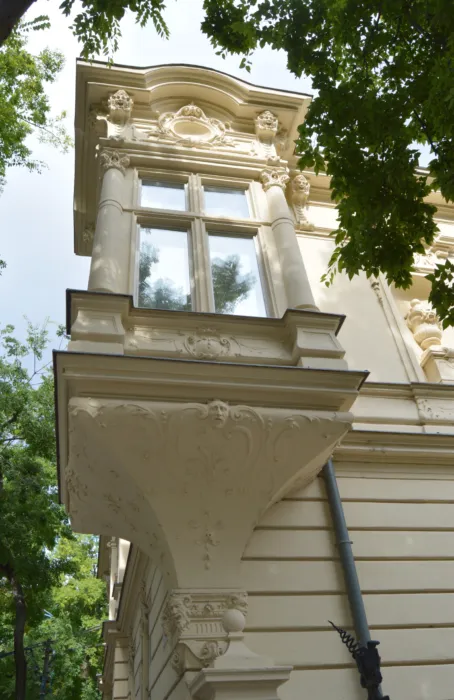
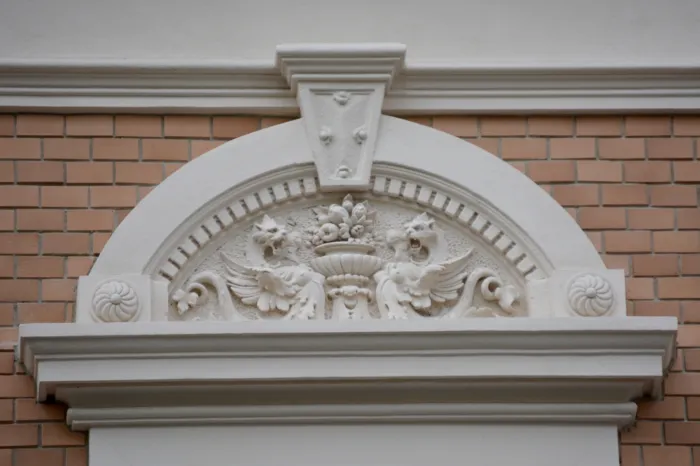
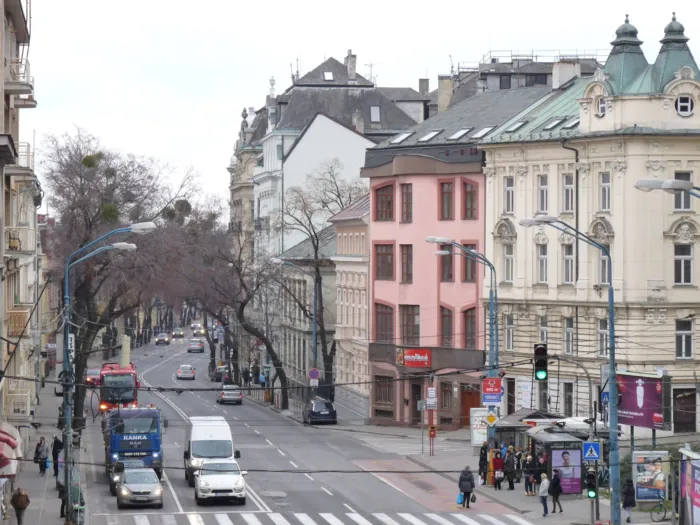
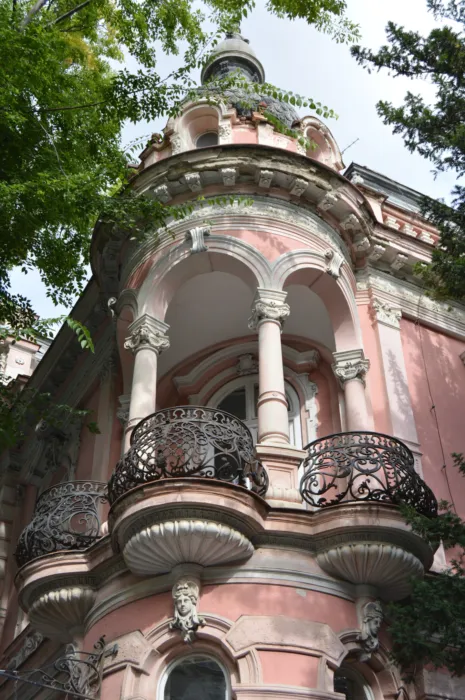
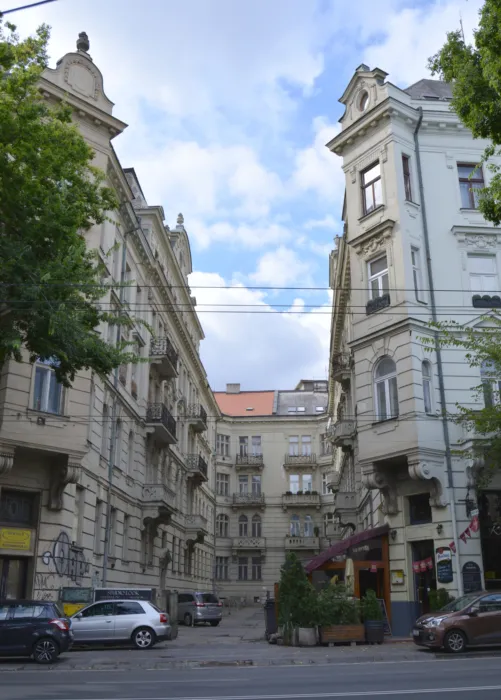
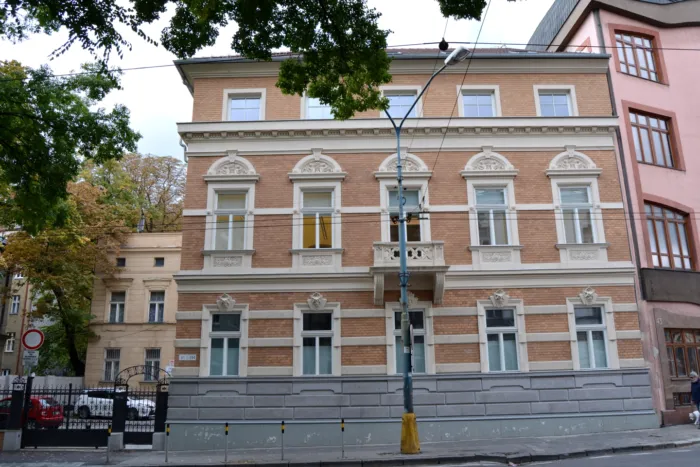
“Stephanie Street (Stephaniestrasse.) This main road of the New Town and of Bratislava in general, which is also enlivened by the city tram, connects Grassalkovich Square with Sánc and Mély Streets, and Lamacsi Street. The streets of Princess Izabella, Kilit Gásparich, Vilmos Günther, József Katona, Aulich and Gyurikovics run into it. You can reach the Hungarian State Railways station via Stephanie Street and Kalvaria and Zergehegy via the Lamacsi national road. The old name of Stephanie Street was Marczal Street, which was named after the vineyards named Mätzen and Märceln, which were already mentioned in the wills of the 15th century and are still in use today. It was given its current name in honor of the former heiress to the throne, Stephanie (now Countess Lónay), on the occasion of the The Archduchess was in Bratislava to visit the family of Archduke Frederick. ; No street in Bratislava has been transformed and become as beautiful as Stefania Street. The old farm of the Orsolyák family, the later Falb estate (5758 square meters or 4 (1200 square meters) acres and 985 square meters) was built up with beautiful houses. Since the eighties, ostentatious palaces and large apartment buildings have risen, such as the buildings of the Gr. Erdődy and Swetlik (now Palugyay). The staircase of the Erdődy Palace testifies to aristocratic luxury. Other distinguished houses were also built in rapid succession along Stefania Street. We mention the large two-story apartment building of the former Gr. Karácsonyi, now the property of Archduke Frederick, in which the Isabella Home Industry Association, under the patronage of Archduchess Isabella, is located. The aim of this association is to develop the home industry, and in particular the industry of embroidery with gold, silver, silk and wood wool, so that the peasant women of Upper Hungary can develop their innate talent into artistic ability and use it usefully. The Archduchess's zealous and patronizing interest was of great benefit to the association, because the fame of her products has spread far abroad. ; Among the houses on Stefania Street, the Palugyay, Reischl, Horárik, Pisztory, Schlemmer and Tauscher houses are also worth mentioning. The Pisztory Palace is an excellent manor house in terms of taste and luxury. The ironwork of its gate and staircase are masterpieces of the Marton company. The iron gate of the Horárik house is a beautiful masterpiece of Horárik's locksmith. On Stefania Street there is also the old Polgár shooting range, which has now been converted into a private residence. This shooting range was built in 1779, when the shooting range in the Mihálykapu ditch was closed. Its area, including the garden, is 1245 square meters, or 1 (1200 square meters) acre and 450 square meters. In 1846, Jakab Palugyay took over the shooting range and popular aristocratic balls and dinners were held here. In 1848, the young men who were going to the War of Independence practiced shooting in this shooting range, and on the training ground of this shooting range, on March 27, 1849, János Baldini, an engineer of Italian origin and the first lieutenant of the Hungarian Frangepán battalion, was executed. At the end of the seventies, the house passed into private hands, to the Indrák family, and since then the civil shooting association has been holding its shooting exercises in the shooting range in the grove. It was on Stefánia Street once famous for its beauty, the Viczay and Erdődy gardens, which are now in a very neglected state. The well-known Wendler walnut and poppy seed cake company, the Deutsch malt factory and the organ-making workshop of Mozsnyi Vince are worth mentioning. Traces of the craftsmanship of organ-making can be found in our city as early as the Middle Ages. On the corner of Stefánia Street and Aulich Lajos Street is the small guest house named after Medvé, with the first station of the Way of the Cross on its side. At the end of the road is the city customs house, which is also the first aid station with a dressing box.” ; After Trianon, Stefánia Street was named after Milan Rastislav Štefánik, during the socialist era (except for the Prague Spring period) it was the Peacekeepers' Street (Obrancov mieru), and today it bears the name of Štefánik again. The tram line was dismantled in 1979 under the pretext of metro construction. The metro has been strengthening the world of the dream category ever since.