
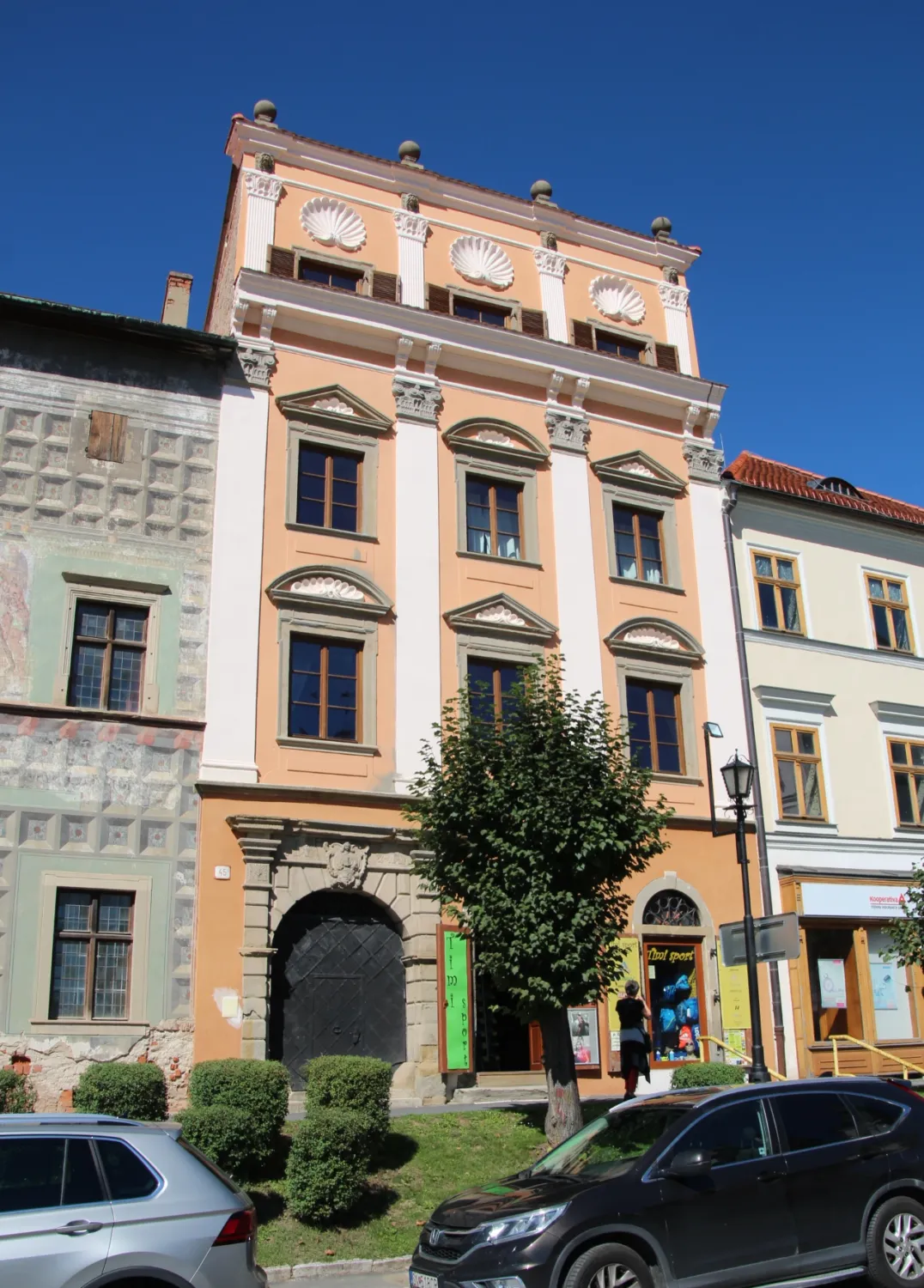
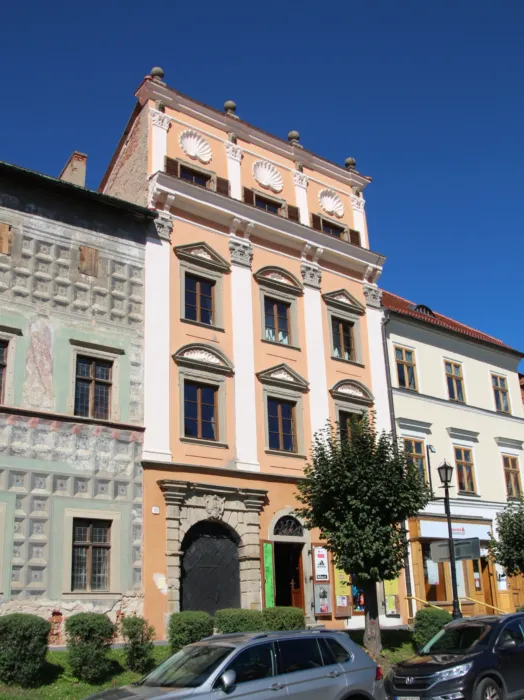
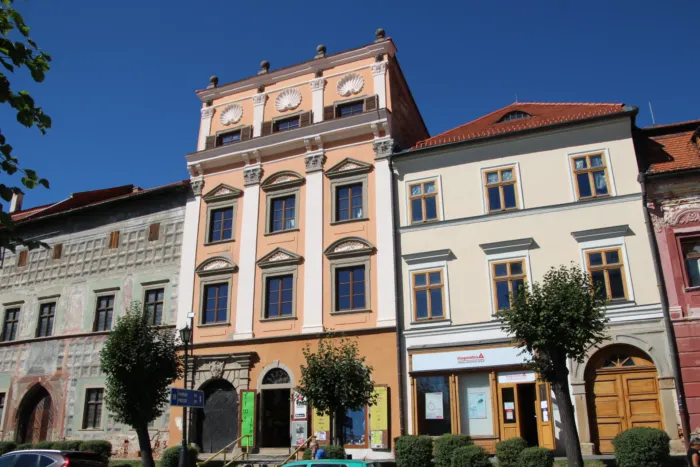
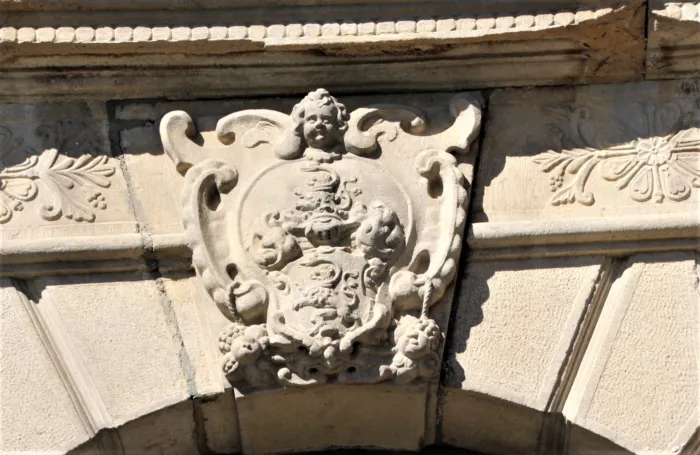
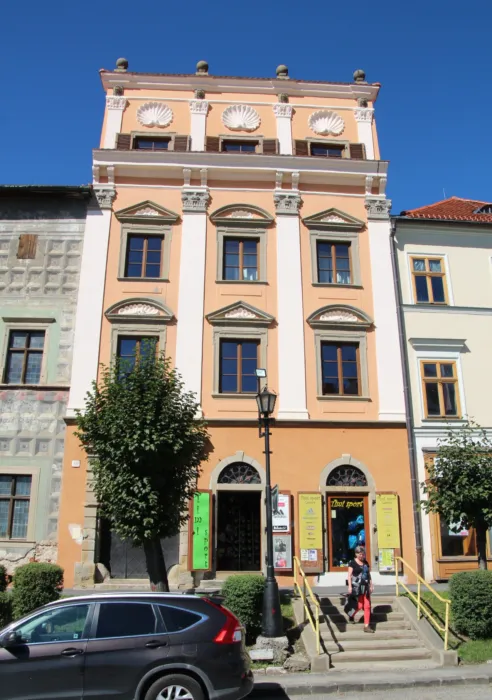
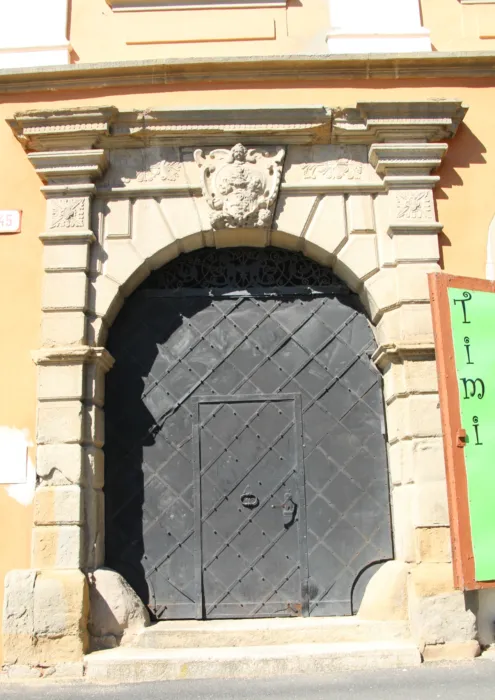
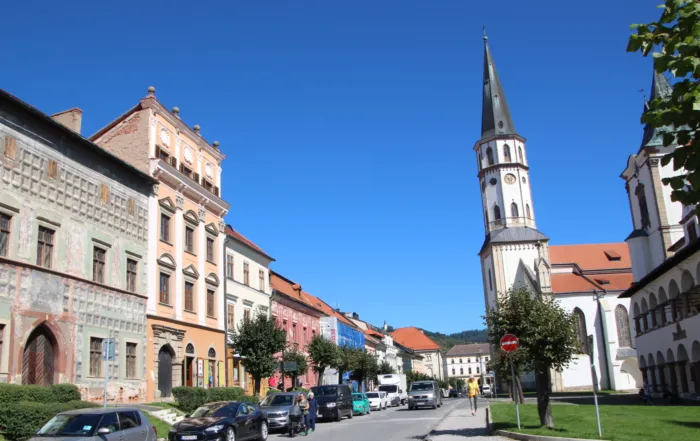
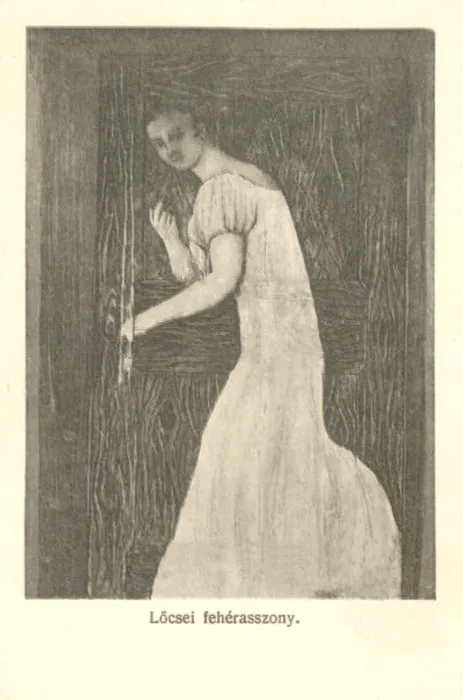
Spillenberg House - Residence of Julianna Korponayné Géczy, the "White Lady of Levoča"
Building, structure
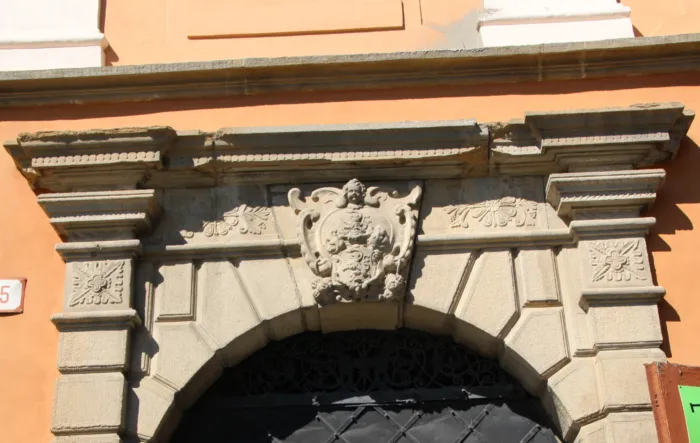
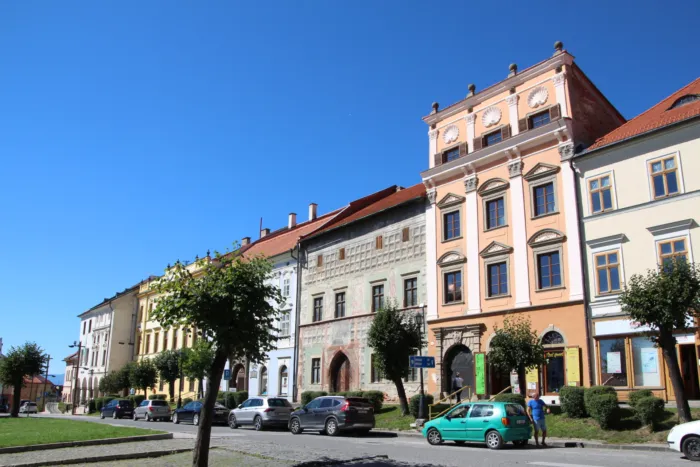
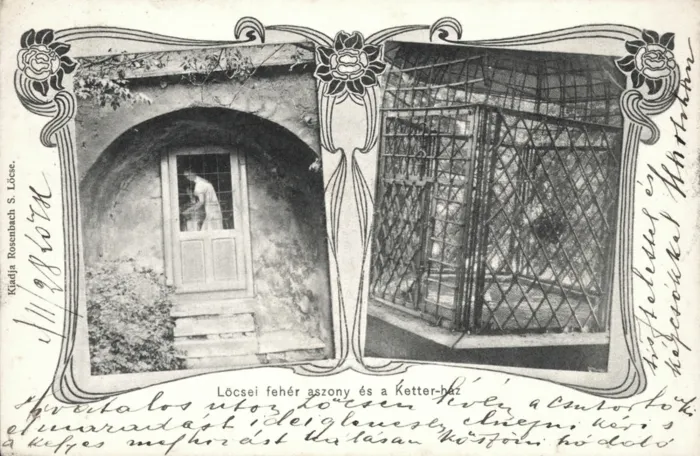
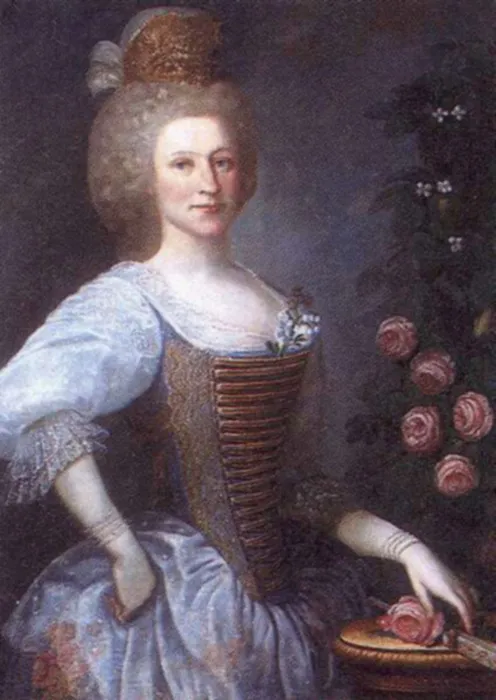
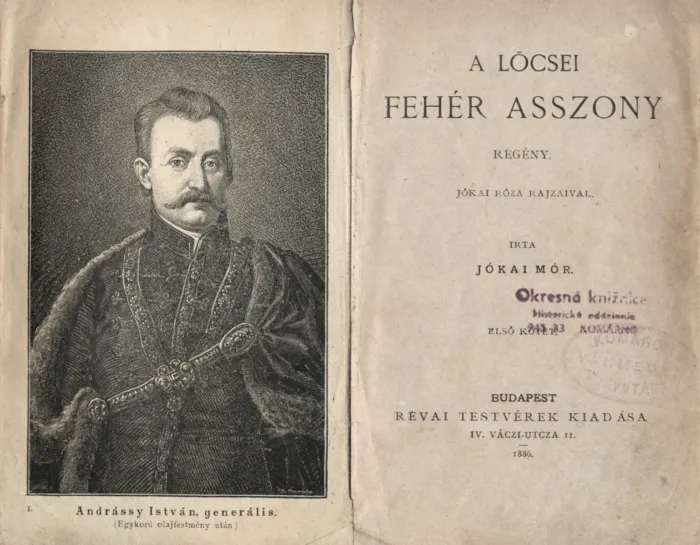
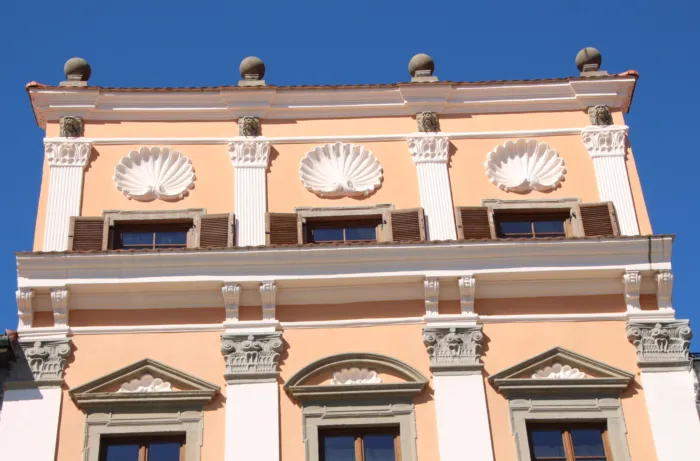
The house at number 45 is called Spillenberg House. It has been inhabited by doctors for several generations. A paper mill was established in Szepes-Tapolca by Sámuel Spillenberger in 1613. Julianna Korponayné Géczy, the "White Lady of Levoca", lived in this house. ; Many people know Mór Jókai's famous novel, The White Lady of Levoca, in which the writer deals with the loss of Levoca Castle in 1710. The title character, Julianna Korponayné Géczy, was a real person, whose life is surrounded by many twists and legends, while she also played a significant role in fiction. The life of a mysterious Hungarian woman in the early 18th century, in the Kingdom of Hungary, which was stricken by wars of independence. ; Julianna Géczy was born around 1680 in the Upper Hungary (in Osgyán), and then married János Korponay. In 1703, the Rákóczi War of Independence broke out, her father immediately became a Kuruc, but her husband was considered loyal to the emperor and it was only with great difficulty that she could be persuaded to join. Julianna Géczy was thus caught between two fires, it was not easy to protect the family from the quarrels. ; The woman was not at all afraid, she ended up in Levoca because she followed her husband everywhere in the battles, and eventually the city became one of the last to fall into imperial hands in 1710. Our hero's story also took an interesting turn here, when she met the commander of the castle, István Andrássy, with whom she had a love affair, from then on they tried to get as much as possible out of the fate of the castle. ; Levoca was under a long siege at the turn of 1709-10, the castle defenders were tired and starting to run out of strength, so Mrs. Korponay agreed to help the castle surrender by correspondence. She was able to do this because she was on very good terms with the wife of the besieging commander, Löffelholz. Later, she was branded a traitor, as it was alleged that she and/or Andrássy had deliberately let them into the city. Although this cannot be proven, the brave but dubious woman undoubtedly played a role in the surrender of the castle. ; After the conclusion of the Peace of Szatmár, Mrs. Korponay besieged the court with requests to get their lands back and she also gained increasingly better relations with several nobles close to the emperor. The woman then found herself caught between two fires again, as she came into possession of letters that former figures in the uprising had written to each other in order to revive the fight for independence. The question is why these letters were given to Mrs. Korponay, whose role in the loss of Levoca was well known. Perhaps they trusted more that such incriminating evidence would not be sought from a woman? In any case, Mrs. Korponay contacted the Imperial Commander-in-Chief János Pálffy with these, who also wrote down the names of the conspirators, but she did not receive the letters upon request. ; Then, in 1712, the news spread that Rákóczi was returning home and receiving a pardon, which really scared the woman, as she would have been in serious trouble if another betrayal of hers had been discovered. Therefore, she preferred to dance back to the Rákóczi supporters, stalled for time, burned a good part of the letters and did not want to hand them over. Moreover, her father was also involved in the organization, since her house was designated as the meeting point, so the woman's stalling could have been done to protect her father. ; The end of the funny story was that Mrs. Korponay did not want to please either party, so she fled in disguise, reached Bratislava, but finally surrendered. After nearly two years of litigation, the imperial court finally tortured her for infidelity and sentenced her to death, and in 1714 she was beheaded in the Győr market. ; Numerous legends were then built around the "White Lady of Levoča", highlighting her love affair with Andrássy, the abandonment of the castle and her double agent role, which she unsuccessfully tried to turn to her own advantage by permanently occupying the position. ; She became the only woman executed by the Habsburgs on the scaffold, the woman who stole the castle key from under her lover's pillow, the mysterious adventurer who tried to escape from both the Kurucs and the Labancs in disguise. Historians are not in an easy position when they want to reconstruct the real life of such a person, since behind the legends that have been piled on her, there is indeed a woman who just wanted to survive in a historical era when the relationship between the Hungarians and the Austrians was far from clear and peaceful. ; The woman inspired many of our literary greats, including Jókai, the historian Kálmán Thaly, Endré Ady, and Gyula Krúdy. The "beautiful, white woman" rose to become a tragic hero who, in Krúdy's words, walks "on the ruined bastions of the Rákóczi castles" and, ending with Ady, "laughs at the windows".