
Sótér Kálmán Mansion
Building, structure
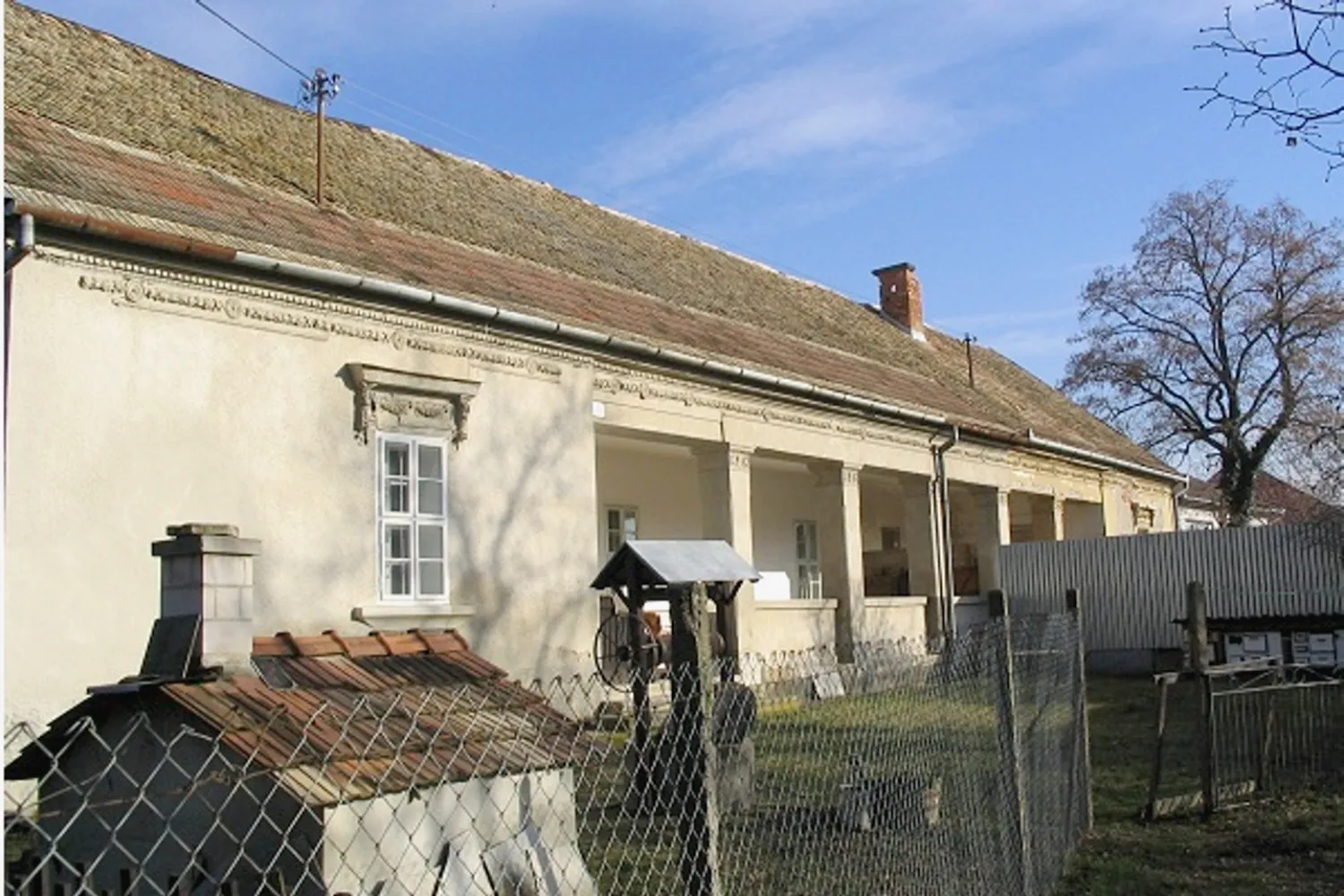
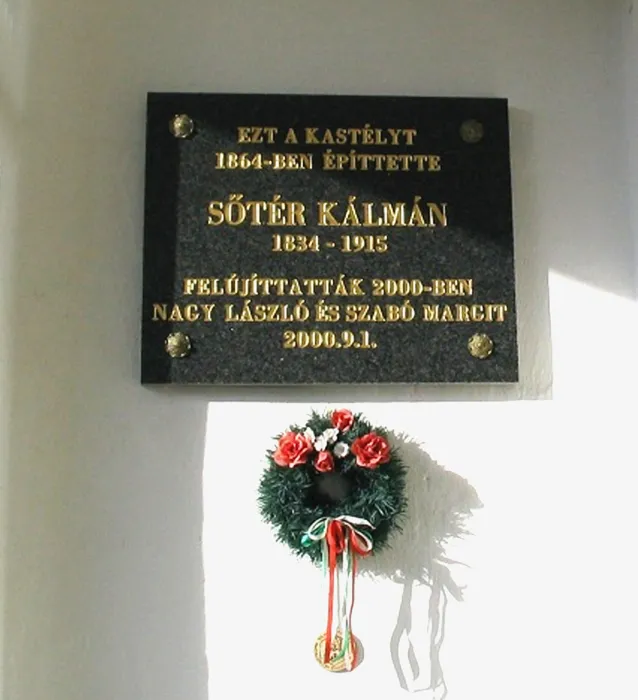
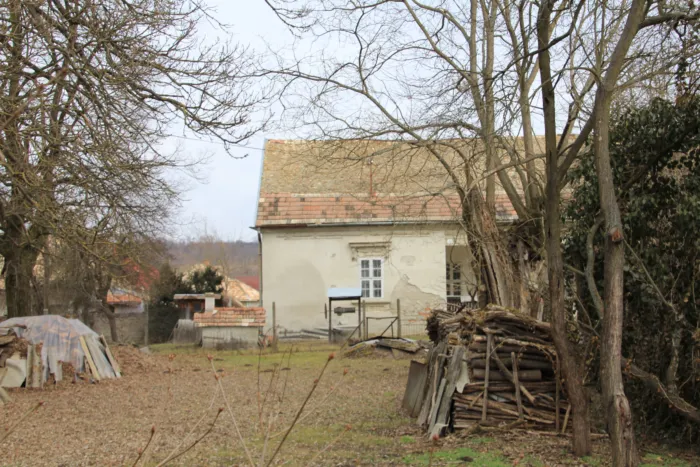
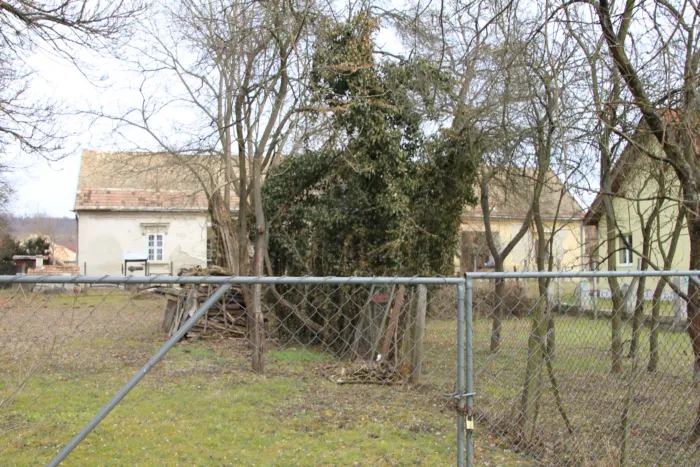
The village's valuable monument is the Sötér Kálmán mansion, which was established after 187 following the transformation of the older, baroque-style mansion of the Bolgár family. The mansion was probably partly built by the 11 noble mansions of the Bolgár family (Inámi). These gradually disappeared with the division of the plots - after 1850 - when the noble order (rank) lost much of its prestige. Sötér settled here in 1872 after years of service spent with Archbishop Scitovszky, and mainly dealt with beekeeping and farming. In his old age, after 1912, he moved to Nyitrakoros with Baron Förster, and died here. Sötér transferred the estate, together with the mansion, to his godson, Béla Horváth, who was running for the position of chief bailiff. However, due to his lavish lifestyle, the estate was taken over by the bank, from which János Ágoston bought it. In 1919, the Csíri brothers, János and Károly, bought the mansion, and their descendants own it to this day. That is why the building was divided into two parts by the owners, which is quite evident in its condition. ; The mansion is a one-story, rectangular building built in the neoclassical style, measuring 31 x 10.4 meters, with a columned corridor opening onto the courtyard. The two ends of the corridor are walled in. Above the rectangular windows, there is an upper window sill supported by supporting columns, and between them are plaster decorations in the shape of flower garlands. The same stucco decorations are also on the upper part of the pillars. The crown cornice with a serrated edge is characteristic and interesting. The narrower side four-axis facades end in bricked, triangular gables, with a round light opening in the middle. The mansion's original five rooms, lined up one after the other, have fabion ceilings. In one room, an original tiled stove and the then central heating system, which was a specialty of the Sótér era, have survived. The building also had a kitchen, pantry and cellar. Two small rooms for the service staff opened into the kitchen. The mansion was built on a rock cliff about 50 m long. It has recently become quite dilapidated and is not used for residential purposes. The part that has been repaired has been thoroughly simplified, stripped of its architectural features and decorations, and is planned to be lived in. The other, dilapidated part, where, paradoxically, the architectural elements have survived better, is now used as a warehouse. ; The mansion was built in the middle of a large park, in which Sótér's apiary, established in 1874, also stood. Its foundations were made of stone, with a straight masonry surface. On top of this were placed 25-30 beehives made of straw, reinforced with canes. The apiary ceased to function after 1935, a new, rectangular apiary was built not far from it, which was destroyed by the flood of 1999, today only a few remains of the walls and foundations remind us of it. ; The specialty of Sótér's honey-making process was the small honey frames in which the combs were placed, all of which were placed directly into the beehive through the opening for the bees to leave and fly in, as the upper, rounded part was not lifted. The honey-making was examined in the beehive with skin attached to a stick. ; Sótér's personality and work would definitely deserve that the mansion be used in a more civilized way, unfortunately, this seems impossible at the moment. ; ; In the corridor of the mansion, there is a commemorative plaque commemorating the construction of the castle in 1864 by Kálmán Sötér (1834-1915) and its renovation in 2000 by László Nagy and Margit Szabó, which was also unveiled on September 1, 2000.