
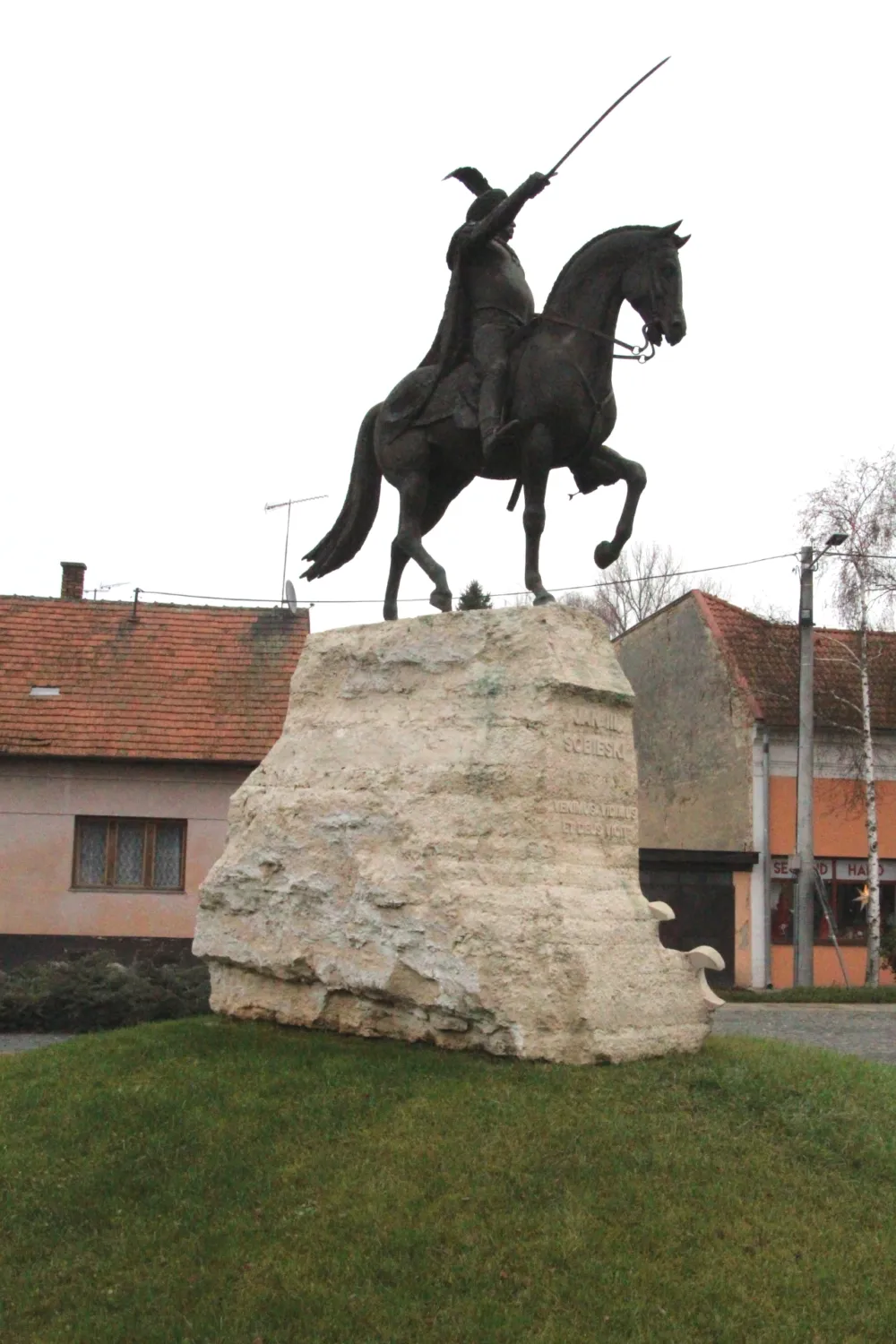
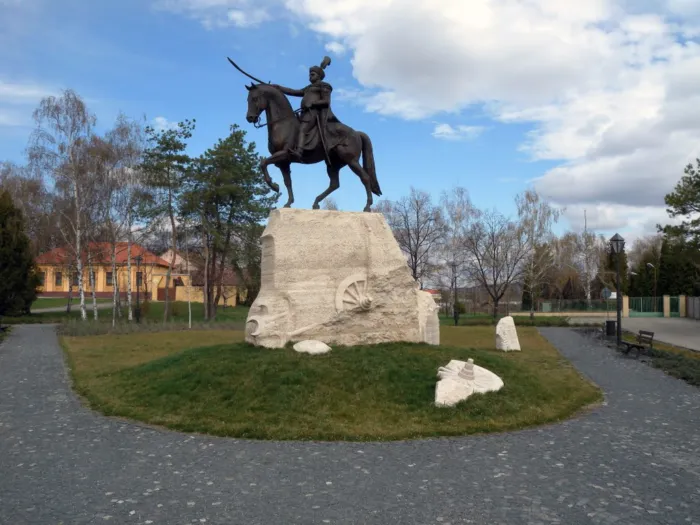
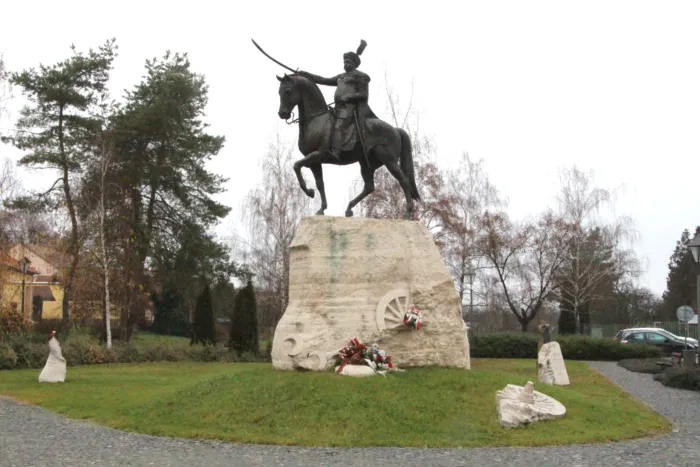
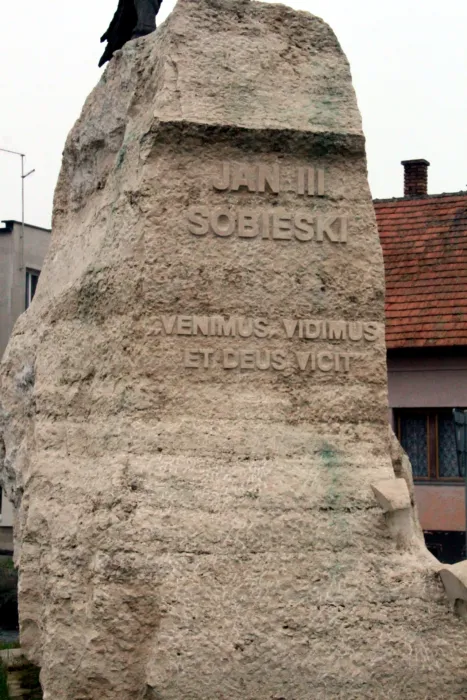
Equestrian statue of Polish King John Sobieski
Statue, monument, memorial plaque
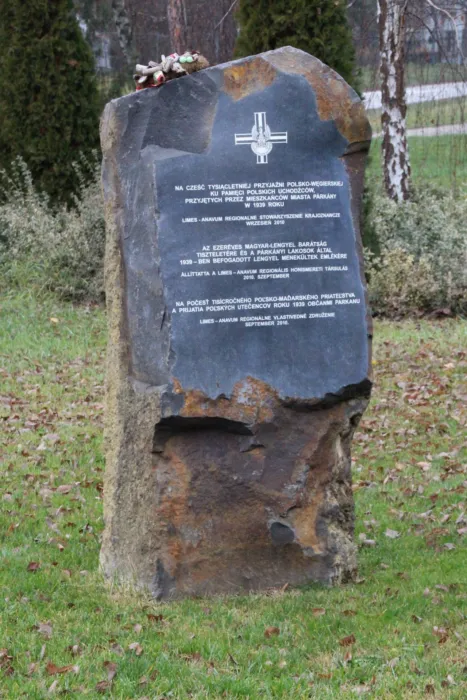
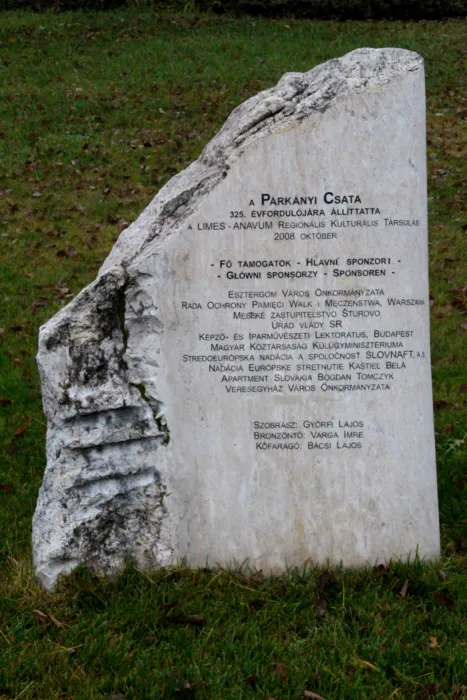
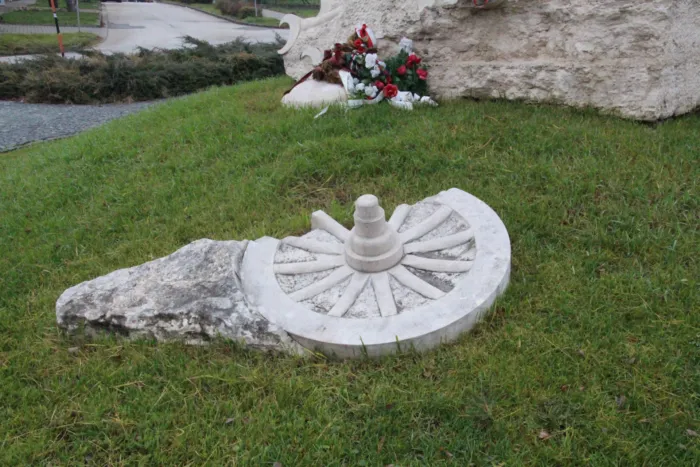
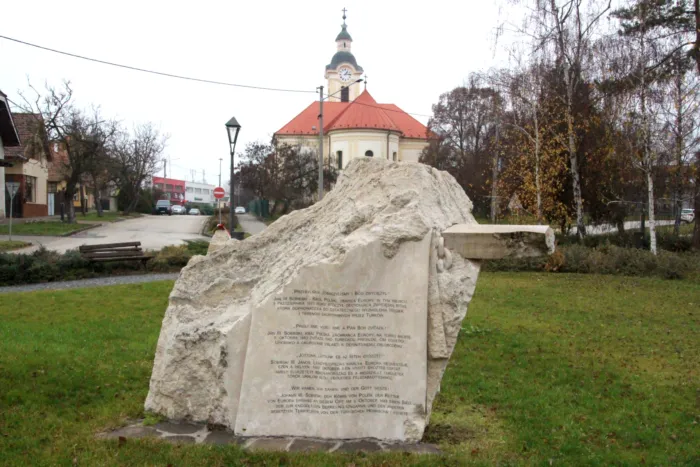
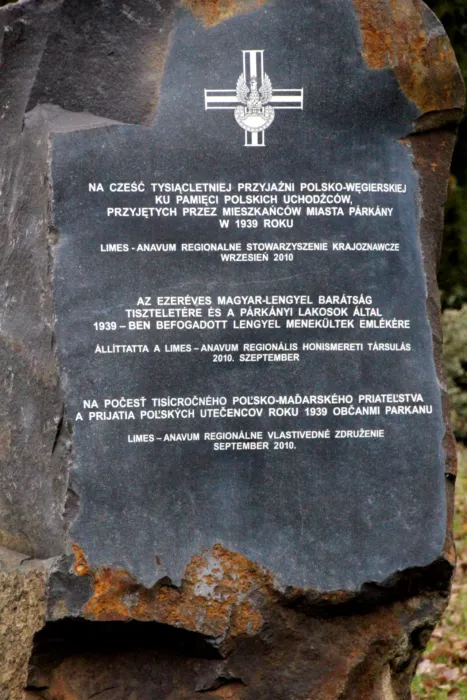
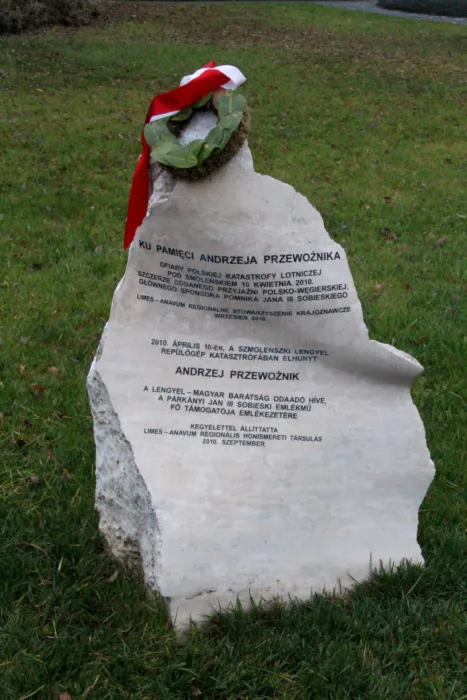
In September 1683, the Polish King John Sobieski, with Charles of Lorraine, won a brilliant victory over the Turkish army besieging Vienna, then in October he defeated the Ottomans at Párkány, and days later liberated Esztergom. ; ; The Limes-Anavum Regional Cultural Association collected the money needed for the 33 million forints worth of work from public donations for four years. The monument was built from public collections, tenders, donations from the Pole A. Przewozník, who tragically passed away in 2011 (the association had a memorial stone erected in his memory in the sculpture park), the city of Esztergom, the then Slovak Prime Minister J. Čaplovič, the city of Veresegyház, the city of Párkány, the MKP, the Bélai Castle, local governments in Hungary and Hungary, and private individuals. The monument also includes a stone block next to the statue, with a list of major supporters. High-ranking leaders of three nations (Slovak-Hungarian-Polish) were present at the inauguration, as well as church leaders. Pál Csáky, Deputy Prime Minister, J. Čaplovič and Zenon Kosiniak Kamysz, Polish Secretary of State for Defense, delivered speeches at the inauguration ceremony. The mayor of Párkány did not attend the handover. ; On the occasion of the inauguration of the monument, an international conference took place within the framework of a two-day ceremony, the materials of which were also published in book form under the title The Past and Future of Free Central Europe (in memory of A. Przewozník). The book was published in 2014 in both Slovak and Polish. ; ; Every year in October, on the anniversary of the Battle of Párkány, the civil association that built the monument holds a wreath-laying ceremony, which is always attended by representatives of the Esztergom local government and civil society organizations. The City Cultural Center laid a wreath for the first time in 2014 as part of a program organized by the City Cultural Center, but Hungarian-Polish and Slovak state secretaries also participated in the wreath-laying ceremonies. Every year, several Polish tourists also place flowers and flags at the statue. Every September, Polish motorcycle pilgrims also pay their respects to their king, lighting wreaths and candles at the statue. ; ; Since then, several Polish-Hungarian monuments have been erected in the park, so it is called the "Sobieski Statue Park", which has become a symbol of Polish-Hungarian unity. ; ; On September 1, 2010, the Memorial Stone of Polish Refugees was inaugurated, and a memorial stone was also erected to Andrzej Przewoźnik, who died in the Katyn plane crash. Przewoźnik considered it his primary duty to cultivate the historical consciousness of the much-suffering Polish nation and to keep the national memory alive. To this end, he was the initiator and leader of the construction and renovation of military cemeteries and monuments serving to cherish the memory of Polish soldiers who died heroically in Poland and other countries, including our country.