
Selmecbánya Calvary
Building, structure
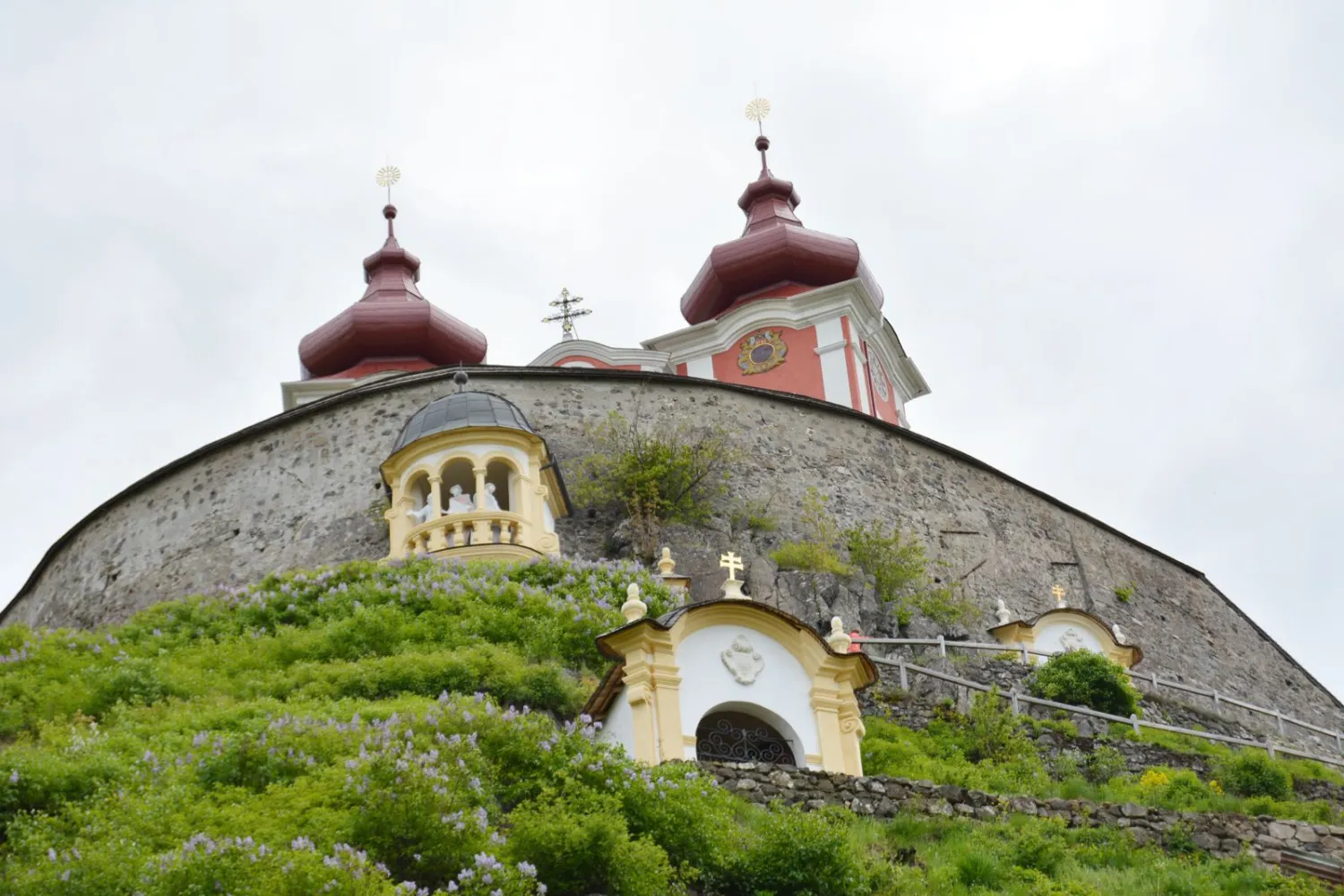
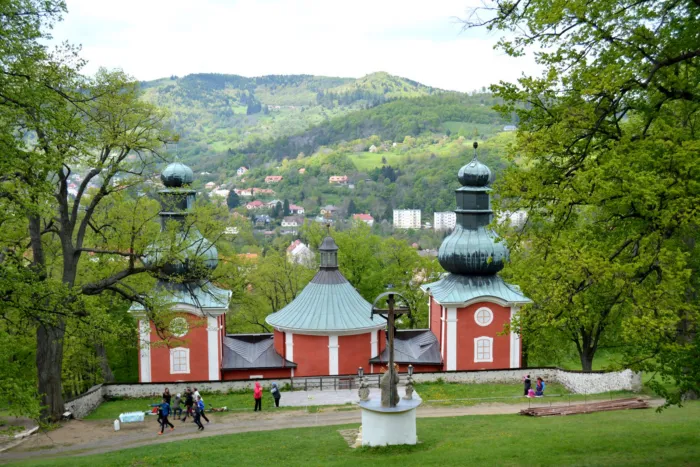
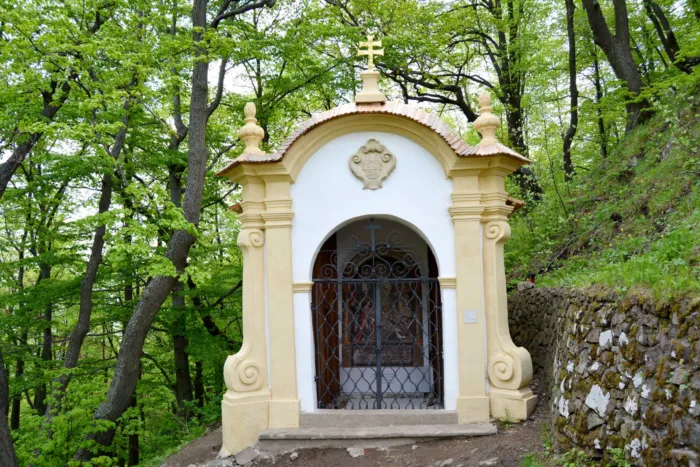
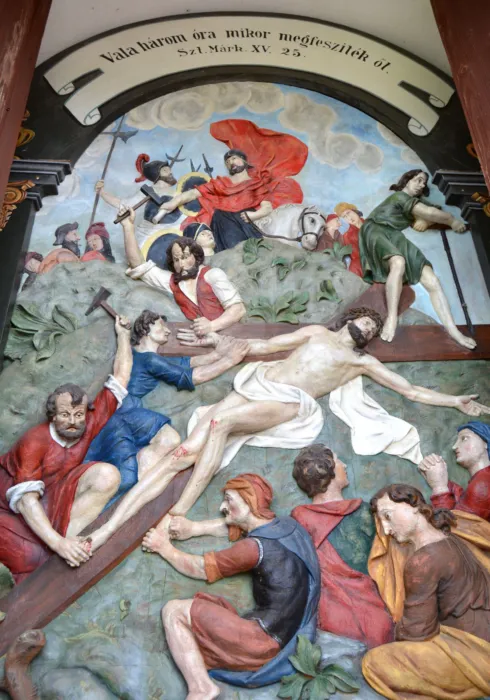
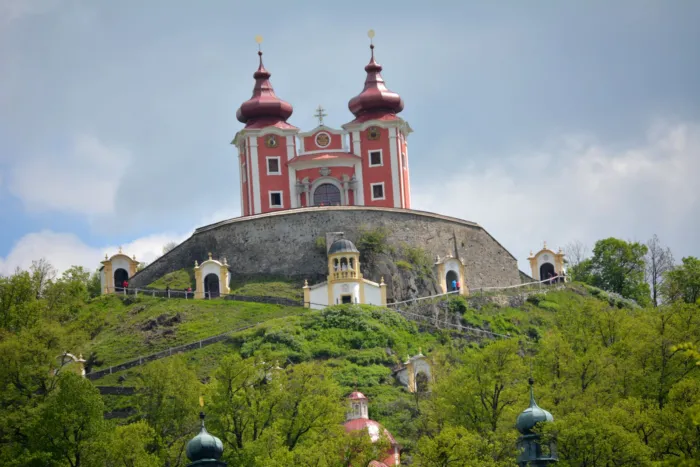
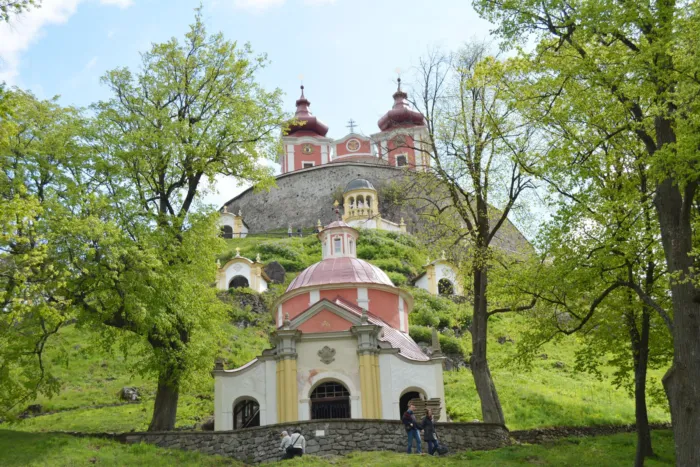
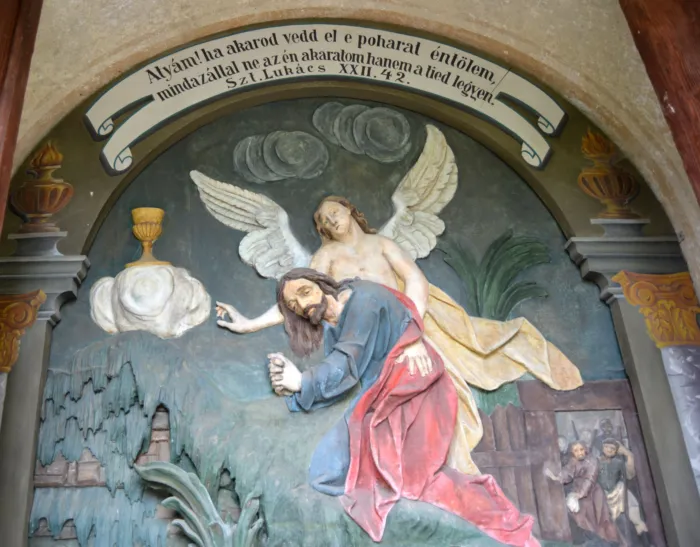
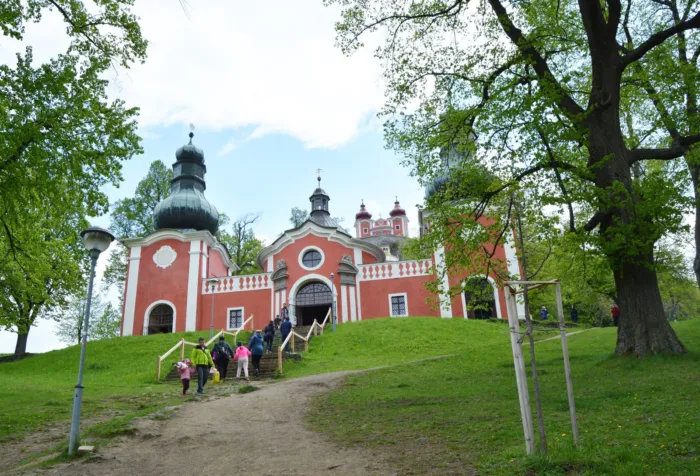
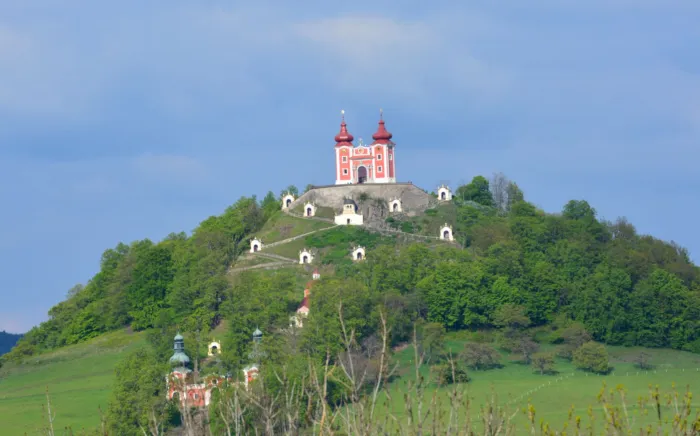
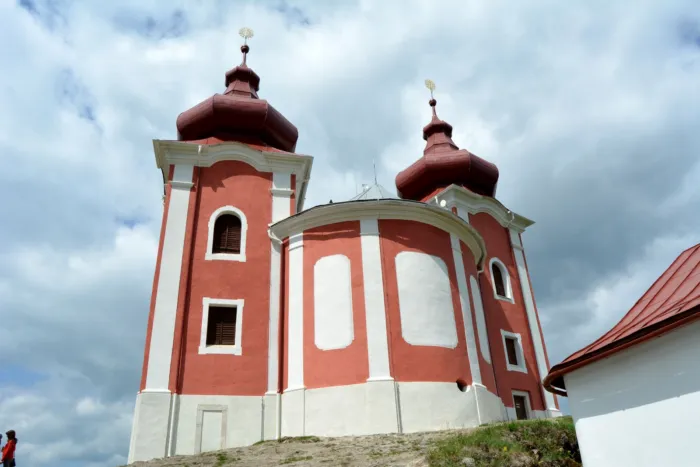
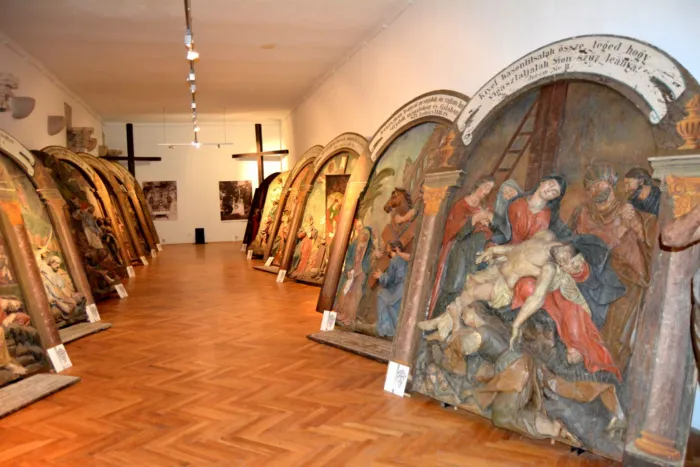
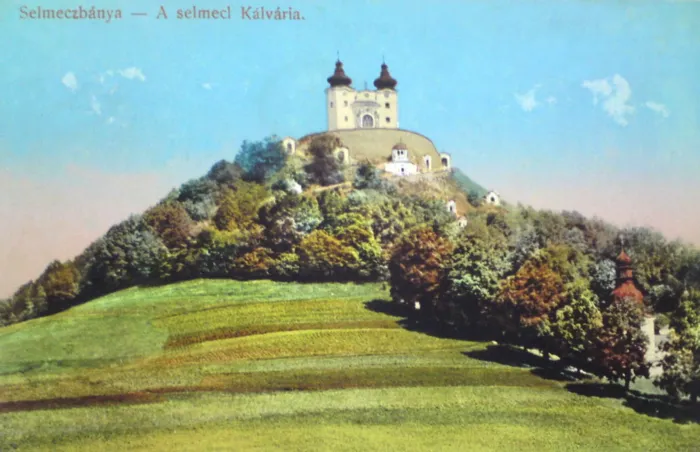
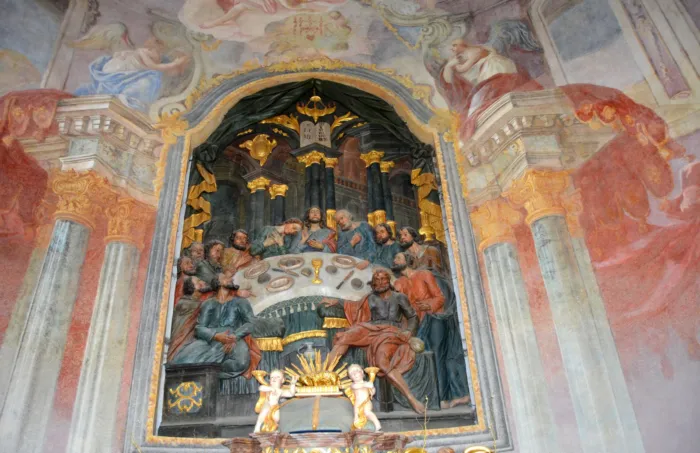
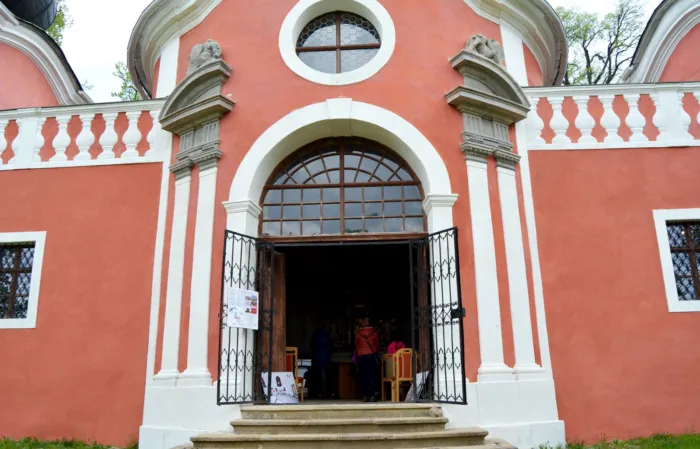
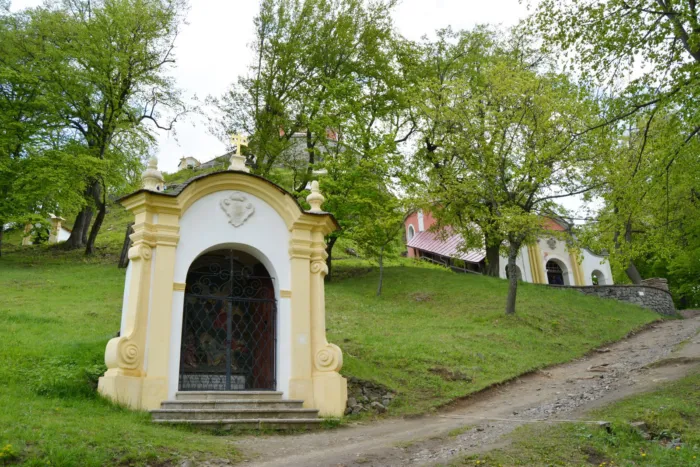
The Calvary, built between 1744 and 1751, is a Baroque-style church complex on the top of the Scharffenberg mountain. This mountain is one of the peaks of the Selmec Mountains, which have a turbulent geological history and are of volcanic origin. The original Calvary consists of nineteen chapels, two churches, and the Holy Stairs and the statue group of the Virgin Mary of the Seven Sorrows under the Cross. The Calvary is one of the most defining landscape elements of Selmecbánya. The purpose of the construction of the Calvary was to present the events related to the sufferings of Jesus. For this, a wide range of visual arts was used – paintings, sculptures, reliefs, etc. – usually integrated into the architectural environment, so that believers could experience the history of the individual stations of the Way of the Cross and understand their message. The buildings of the Calvary, although they appear modest from the outside, are richly decorated with works of art inside, and with their almost theatrical activity they create the illusion of living images. This corresponds to the typical means of expression of the Baroque style. ; The initiator of the construction of the Calvary of Selmecbánya was the Jesuit priest Ferenc Perger, who managed to win the support of the city's residents for his idea. Selmecbánya was experiencing one of its heydays around this time. The wealthy citizens of the city, officials of the imperial mining administration and the nobles financially supported the construction, while the simple miners mainly contributed with their work. The chapels still retain the coats of arms of their former donors on their facades (including Emperor Francis I (of Lorraine), husband of Maria Theresa). From then on, the task of maintaining the Calvary was taken over by the Calvary Fund. The Calvary was a sought-after pilgrimage site until 1951, when the communist regime banned pilgrimages and the Calvary Fund was abolished. In the following decades, the building complex began to deteriorate, and at the very end of the 20th century it even became a target for vandals and robbers. Its renovation and revitalization began in 2007, after it was included in the World's One Hundred Most Endangered Monuments. ; One of our ethnographers, Dr. Gábor Barna, writes about one of the most well-known pilgrimage sites in the Uplands: "Its pilgrimage is linked to the picturesque Calvary, which was considered the most beautiful Calvary in Hungary in the middle of the last century. In the pilgrimage of Selmec on September 14-15 - just like in the Calvarys of Košice, Monok, Ungvár, Rožsnyó and other settlements - the cult of the Holy Cross is closely intertwined with the veneration of the Sorrowful Mother." ; The buildings of the Selmecbánya Calvary were built between 1744 and 1951. The stations are located between three churches rising above each other on the steep hillside. The lower church was once used by the Slovaks, hence its name Lake Church. ; In the middle chapel are the holy steps, with a relic in the middle. Hungarian pilgrims refer to these as holy steps, and many walk the thirty-four steps on their knees as penance. In front of the upper German church is a chapel carved into the rock, depicting Christ in prison. The two towers of the German church are visible to the arriving pilgrims from afar. Behind the church is the Chapel of the Holy Sepulchre. The festive ceremonies and sermons at the pilgrimage were once held in three languages: Hungarian, German and Slovak. The inscriptions on the stations are also in three languages. ; After the evening mass, the lead singers and leaders of the procession take over the role until the morning mass. They only leave for home after the festive high mass at Calvary. In Selmecbánya, the largest and most visited procession of the year is on the Sunday after the feast of the Exaltation of the Holy Cross (September 14), or on Saturday. ; Milestones in the history of Calvary: ; September 14, 1744. Laying of the foundation stone of the Upper Church. ; September 14, 1751. Completion and ceremonial consecration of the entire building complex. The Calvary Fund is established with the participation of the city, the church and private individuals. ; 1894. Repair and renovation of some chapels (by the architect Vilmos Groszmann and the woodcarver József Krause from Selmecbánya). ; 1945. Some objects are seriously damaged during World War II. during the front passing through here at the end of World War II. ; 1948. State bodies restrict pilgrimages. ; 1951. Nationalization of the Calvary, the Calvary Fund is terminated after 200 years of existence. ; 1978-1981. Renovation works led by Karol Benovic, SVD dean. The Calvary churches were renovated in typical Baroque brownish-red colors. ; From 1989, the opening of the borders also boosted the antiques trade. After that, the theft of statues increased, the roofs of the Calvary buildings were dismantled and the entire area was severely damaged by vandalism. ; 1993. The Calvary also became part of the area that, together with the historic city center, was included in the UNESCO World Cultural and Natural Heritage List. ; June 2007 - The Calvary in Bány Selmec is included in the list of the world's 100 most endangered monuments. ; September 2007 - Transfer of the remaining Baroque sculptures and reliefs to the museum in the Old Town, where the exhibition "Calvary in Shelter" opens. Professional seminar on saving the Calvary. ; 2008 - Re-establishment of the Calvary Fund. Conclusion of a cooperation agreement with our main sponsors - the CIB Foundation, the Slovak Ministry of Culture and the World Monuments Fund. The chapel adoption program is launched.