
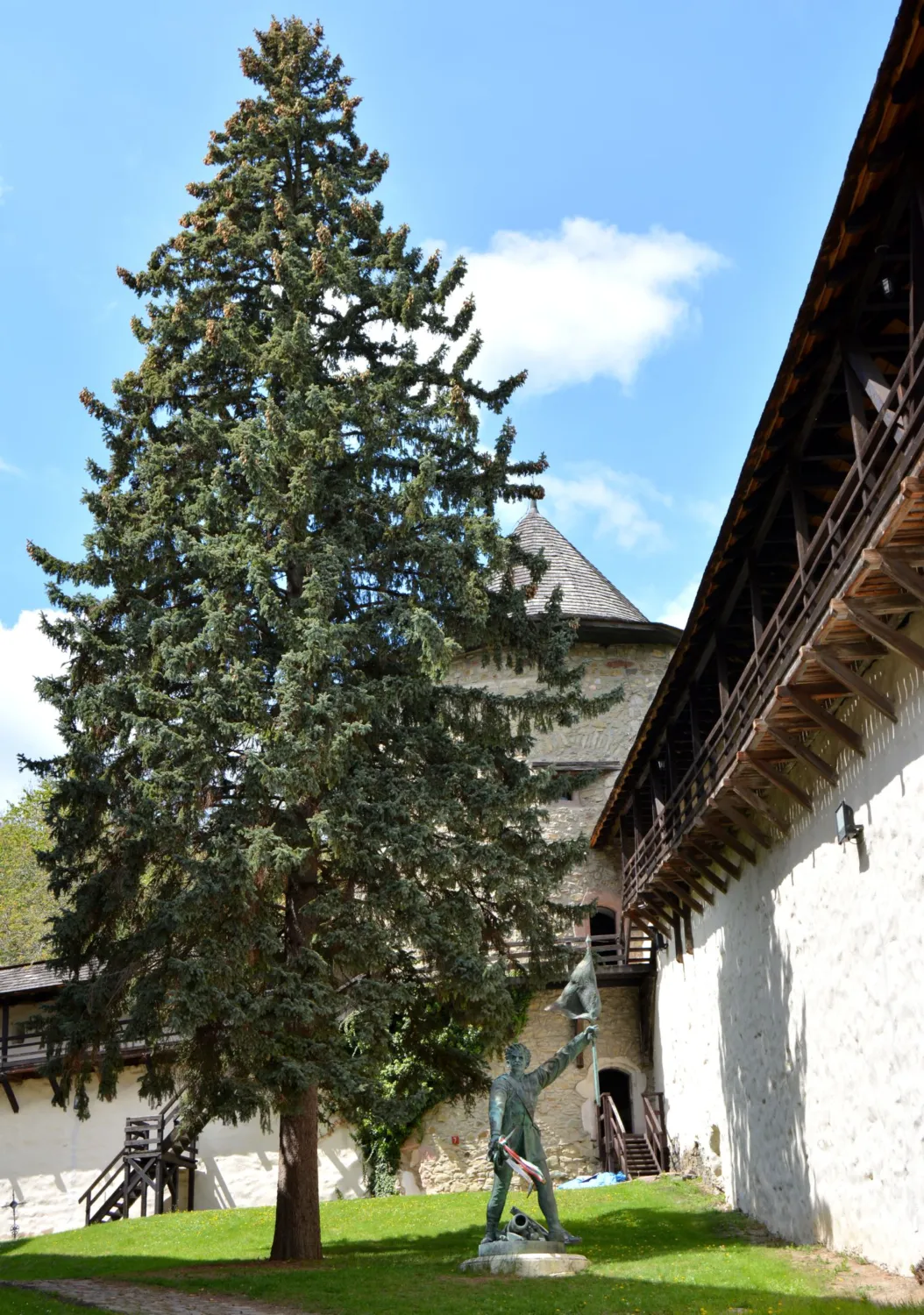
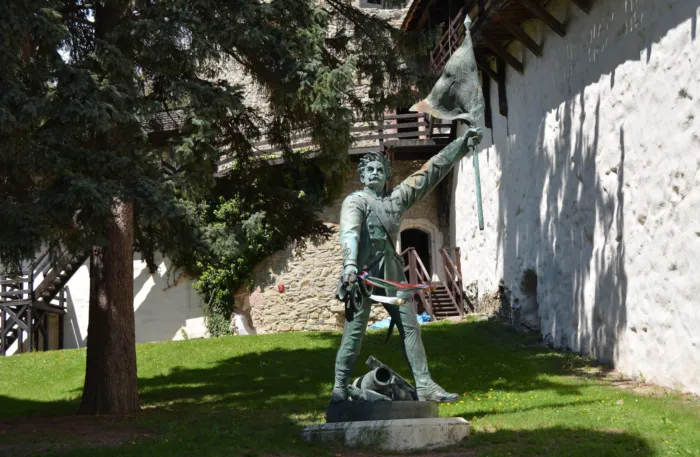
Statue of the Honvéd in Selmecbánya
Statue, monument, memorial plaque
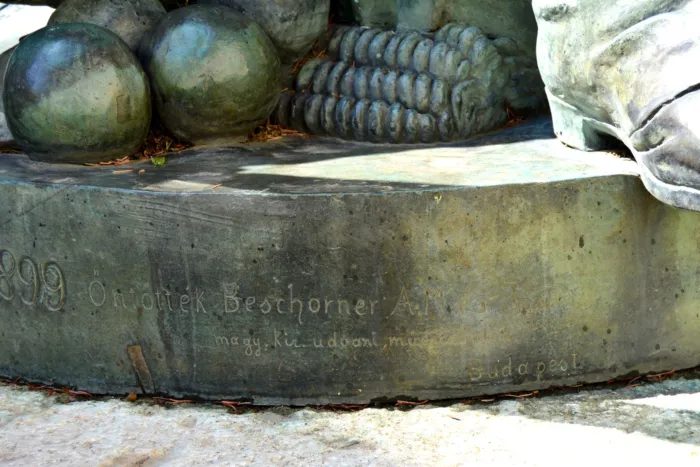
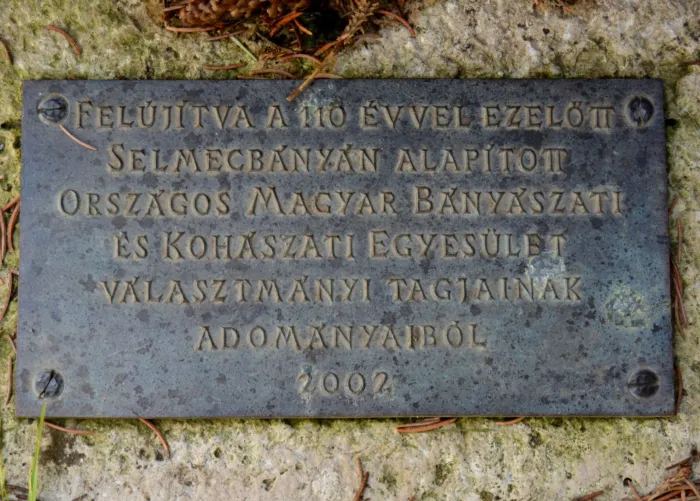
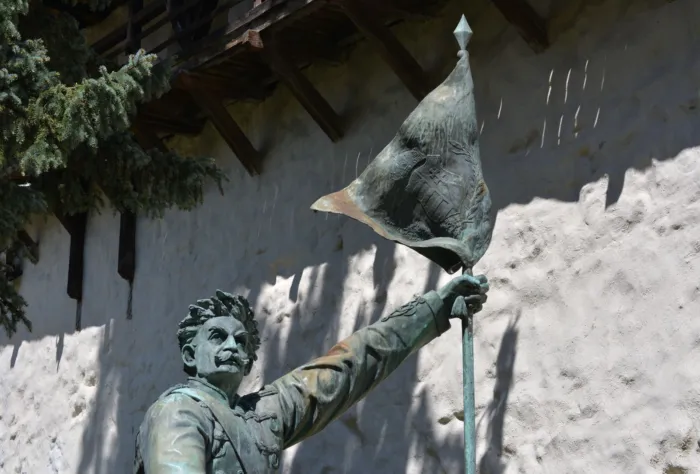
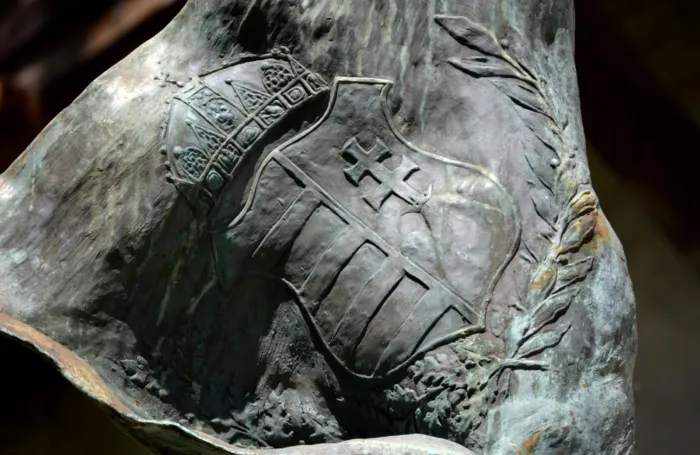
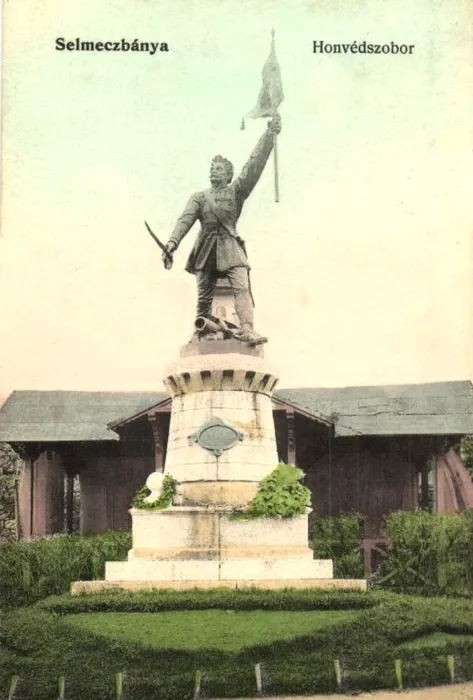
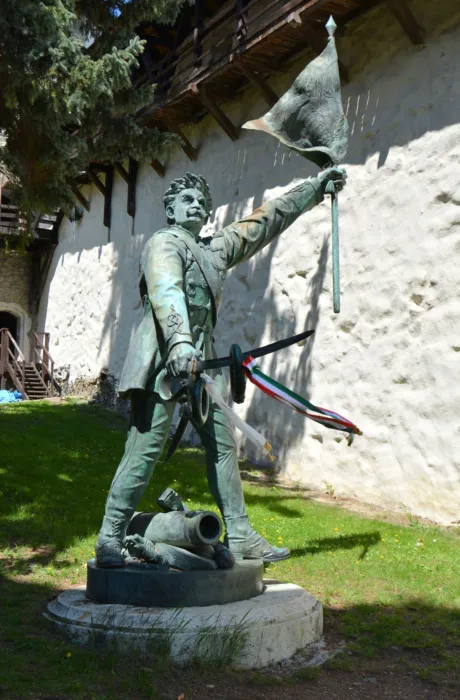
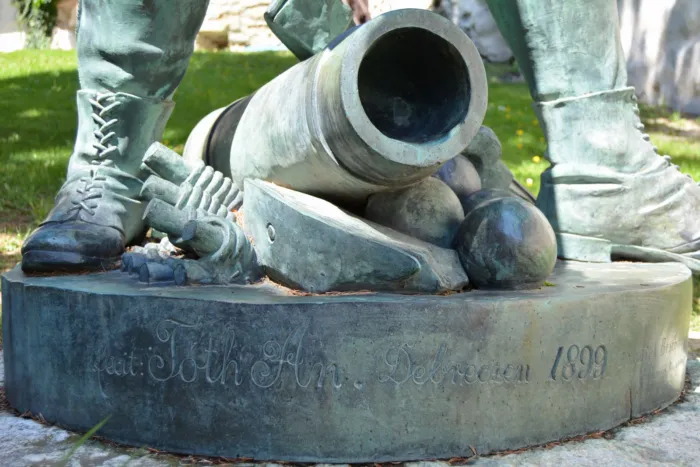
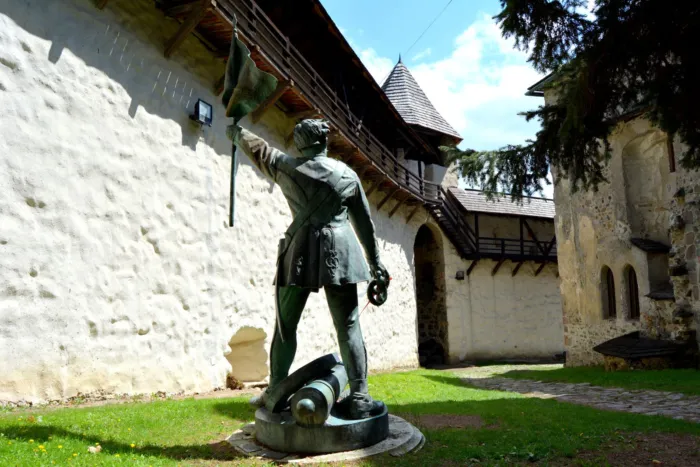
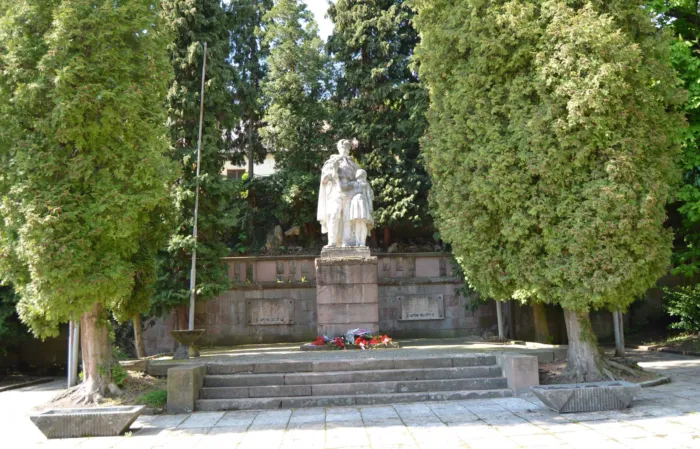
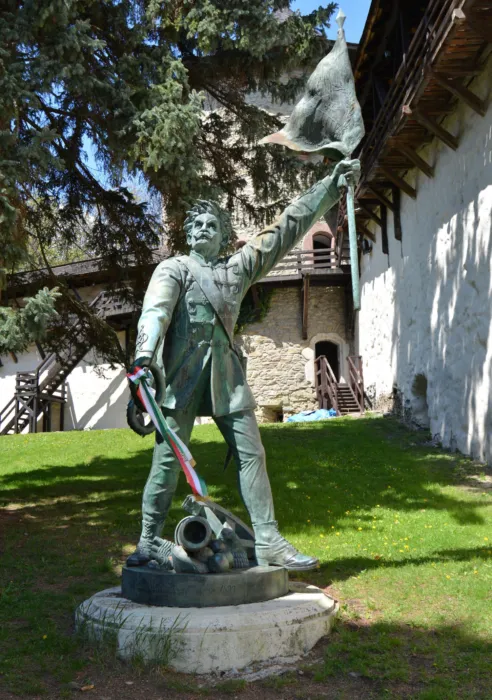
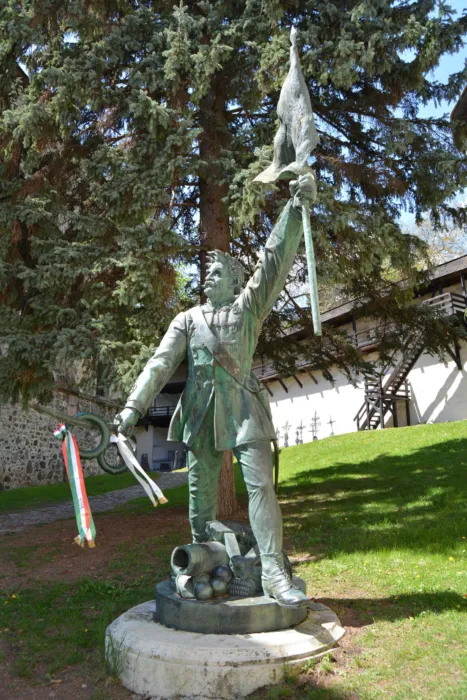
The work of András Tóth, a sculptor from Debrecen and the father of the poet Árpád Tóth, was erected in 1899. Today, a Soviet heroic monument stands on the site of the Selmecbánya military statue, which is located on Kammerhof Street, next to the Kachelman Pension, near the entrance to the Glanzenberg altar. The military statue received a few shots, but fortunately survived, although it was dismantled in 1919. For a long time, it stood in one corner of the castle courtyard, the miners had the place of the shots repaired. In 2002, it was solemnly erected again in the castle courtyard, which provides the statue with some protection against vandals. ; Endre Ady describes the artist and the work in his article entitled In a Debrecen Studio: "The latest work of a talented, hardworking and underappreciated artist from Debrecen brought me true delight and sincere joy yesterday afternoon. ; It is about András Tóth, this muscularly talented, constantly advancing sculptor, who deserves to have his name and works known not only in Debrecen, but throughout the country. Unfortunately, even here few people know this worthy artist, who has once again brought glory to Debrecen. ; He made the Statue of Liberty for the people of Selmecbánya. A large-scale artistic work. We must truly be amazed that he is able to produce such a huge, artistically valuable work for an almost insignificant amount. Only the ambition and noble enthusiasm of András Tóth can explain this. ; The statue depicts a 48th Army soldier in a running position, among the ruins of a cannon. In his left hand he holds high raised flag, drawn sword held forward in right hand. Enthusiasm is visible on his face and eyes, his long curls are flowing forward. In general, the statue is extremely expressive. His posture is sure, natural, which is a rarity in our statues. The details are surprisingly faithful, and the idea of the work - the clearest. Its size is also impressive: one and a half life-size, and together with the pedestal it will be 7 meters high. ; It will be exhibited in the artist's studio for a few days, and then it will be transported to the Pest art foundry, where it will be cast in ore under the artist's supervision. Then it will be transported to Selmecbánya, where it will be unveiled on October 15, 1899. [...] Debrecen, July 15, 1899."