
Schoeller roller mill
Building, structure
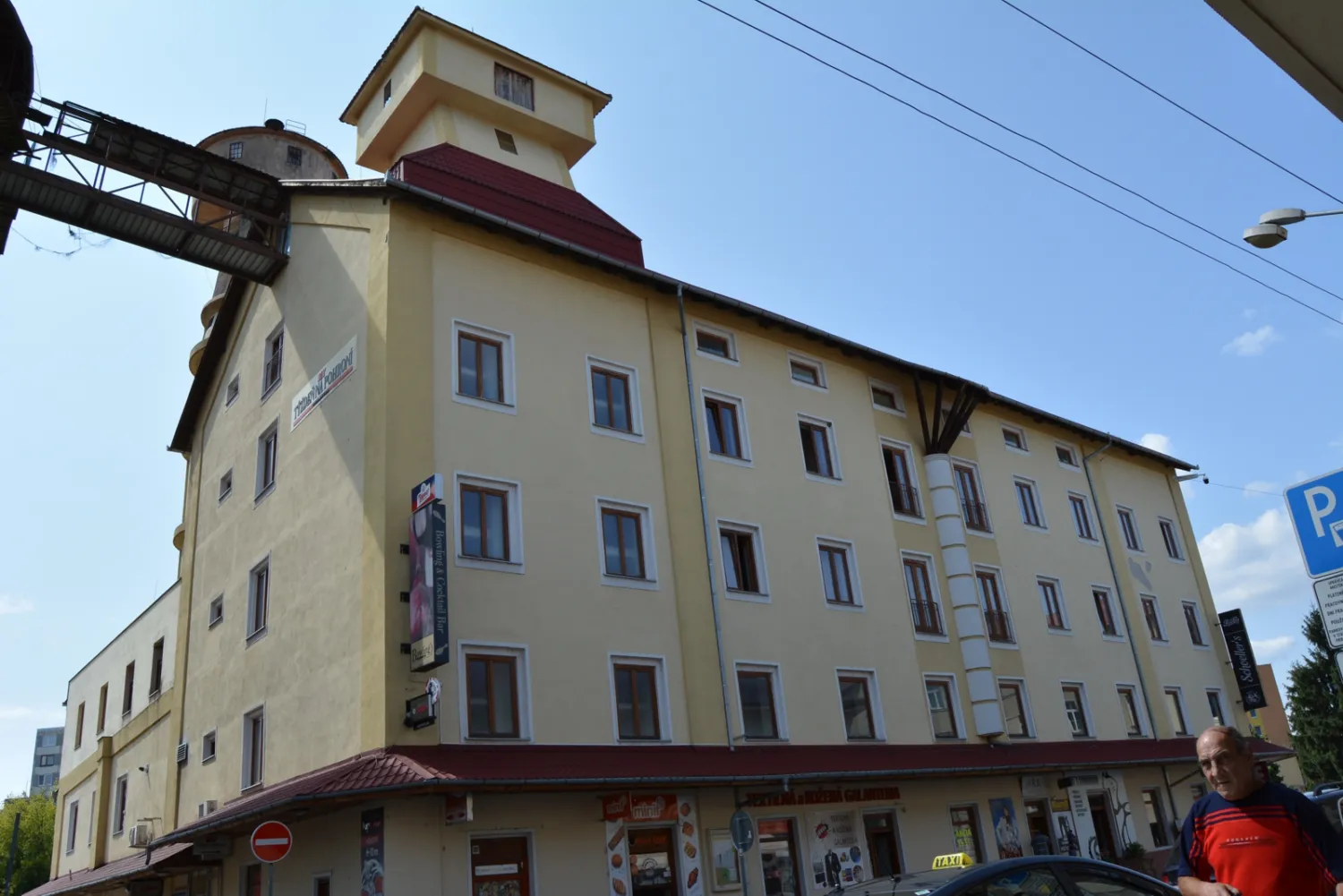
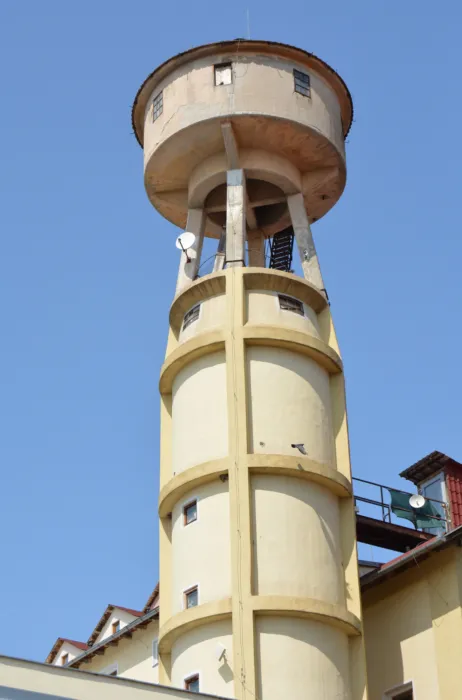
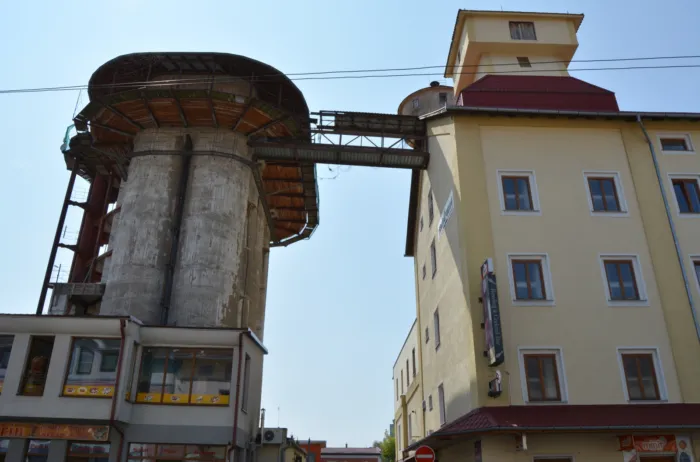
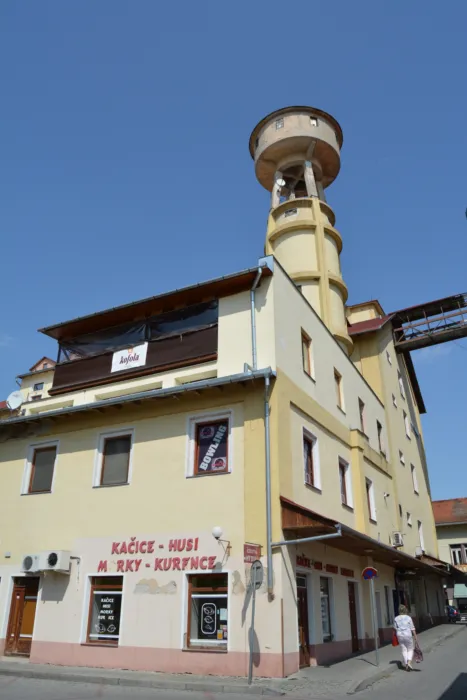
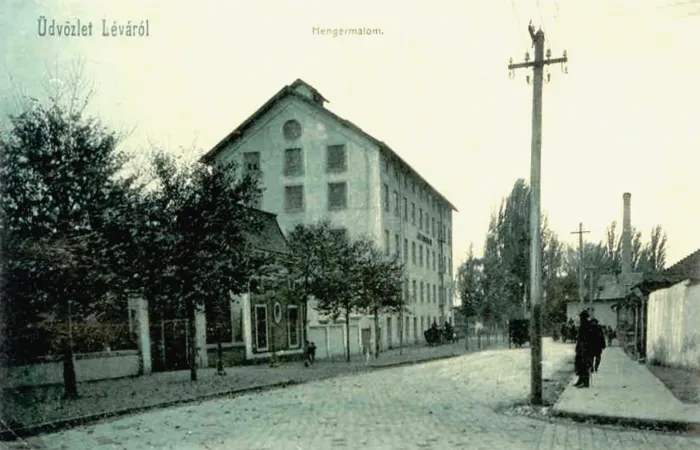
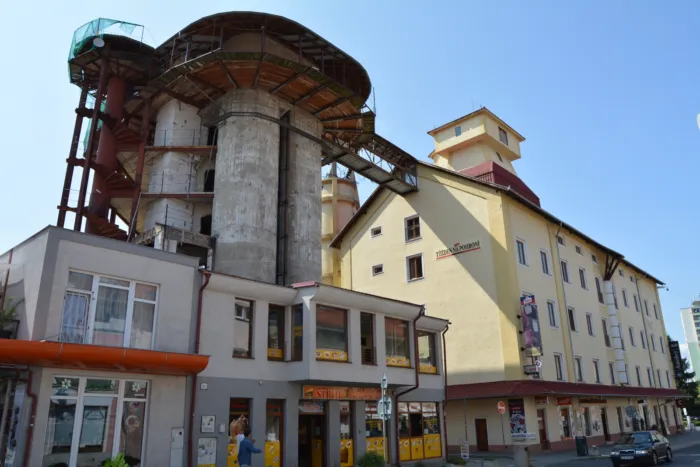
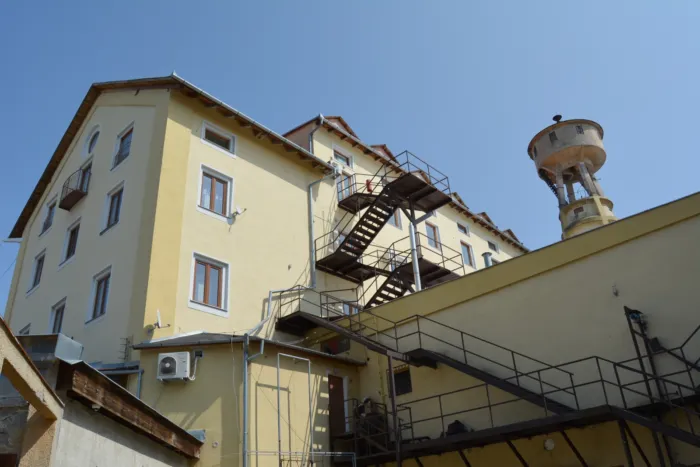
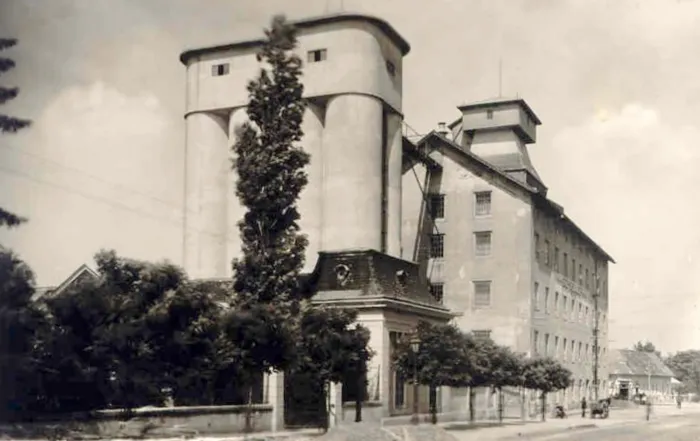
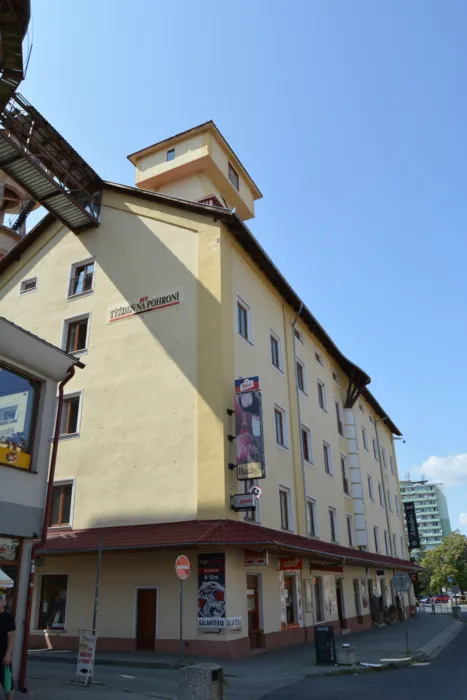
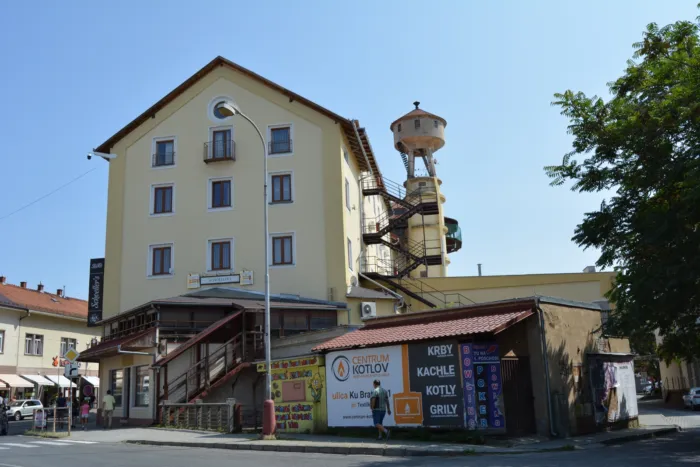
The agricultural boom that began in 1849 played a major role in the development of the city. As a traditional agricultural area, Léva and its surroundings had good prospects for development. As far as investment opportunities were concerned, the increase in demand for grain was particularly attractive. The opportunity was seized by Sándor Schoeller and his brother Pál, who initially rented the estate from Pál Esterházy and later bought it, which the family owned until 1945. The Schoeller brothers played a major role in the history of Léva. After their arrival, a new era began. Léva, a market town with an underdeveloped industry, began to develop and expand. The members of the family are now known in the public consciousness not only as industrial tycoons, but rather as employers, patrons and generous donors to the city. The Schoeller family came from West Germany. In the 18th century, they were involved in mechanical engineering and metallurgy. In 1861, together with László Leidenfrost, they rented the Léva manor from Pál Esterházy, the Austrian ambassador in London at the time, and immediately set about restoring the neglected farm. In 1869, the entire manor was purchased from the Esterházys for 1,100,000 forints! The area of the manor was about 10,000 hectares at that time. ; The land reform after World War I brought a great change to the life of the manor, as a result of which it lost 1/3 of its area. The Schoellers tried to compensate for this loss by investing in the reconstruction and expansion of the Léva mill. The mill building dates back to the Esterházy era and still stands today. The manor's roller mill was built in 1882 on the site of the water mill at that time, which burned down in 1898. In 1900, the water mill was converted into a steam mill. After its reconstruction, it was equipped with the most modern technical equipment, had its own laboratory, test furnace and four-story silo. It was the largest factory in the city and provided employment for about 80 people. It not only satisfied the domestic market, but also became known beyond the border. It was renovated in 1926, and in addition to the water turbine, it could also be powered by crude oil and electricity. This allowed the mill to operate in the winter months and in the summer, when the water level dropped. Thanks to the excellent quality of the flour from Léva, the mill maintained its reputation between the two world wars. ; The imposing building of the Schoeller roller mill has been completely renovated in the last few years. Of course, this does not change the fact that it is one of the oldest technical monuments in the city.