
Sáp – Dunaújfalu Church of the Apostles Saint Philip and James
Building, structure
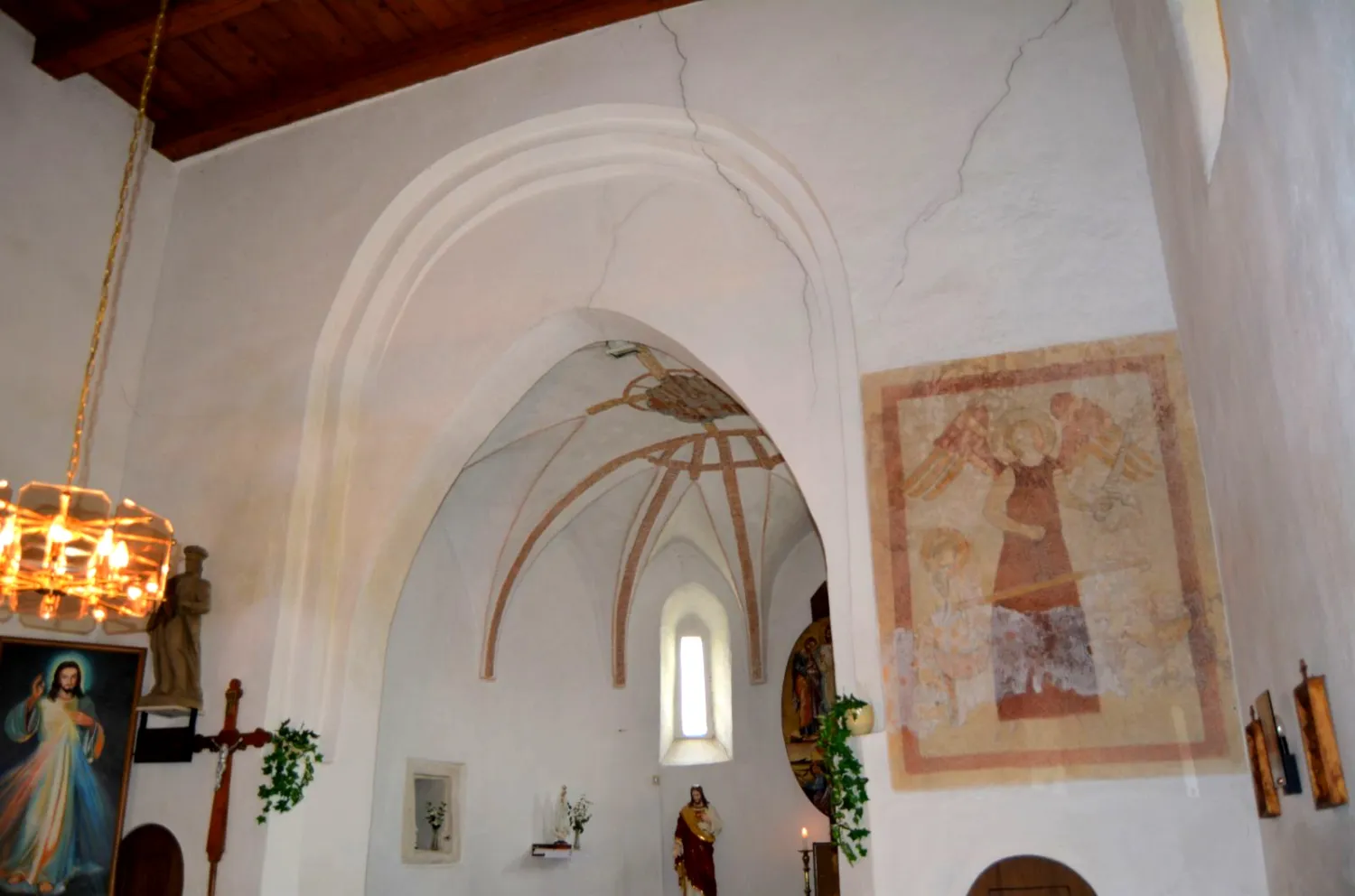
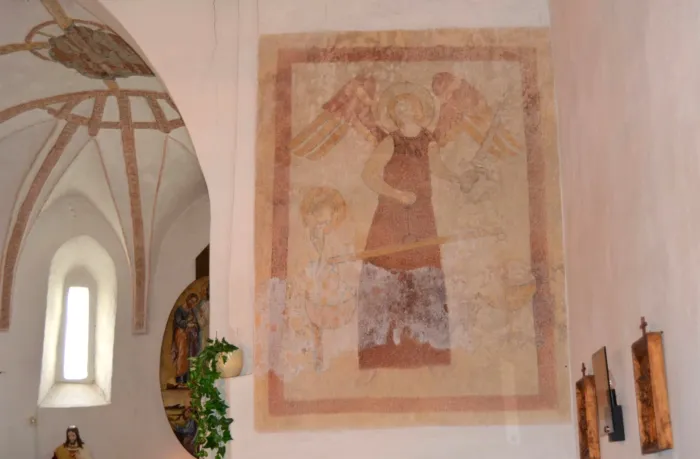
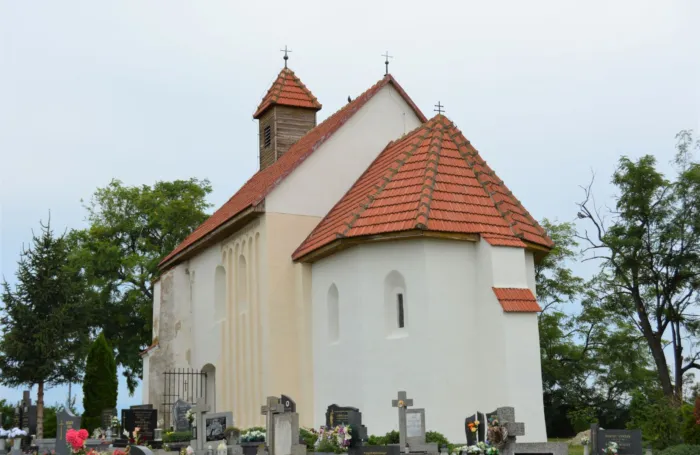
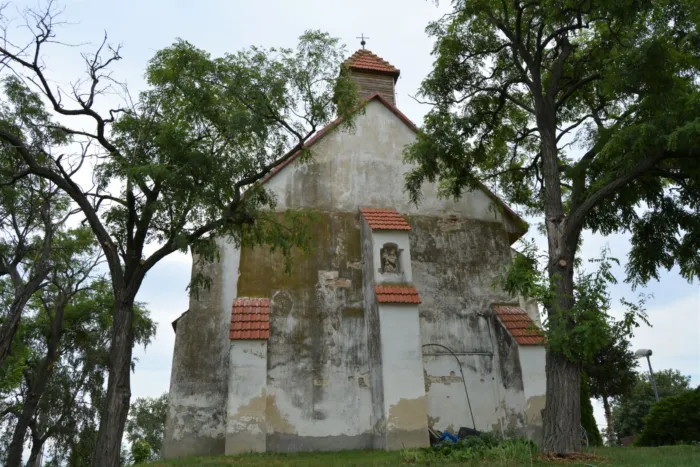
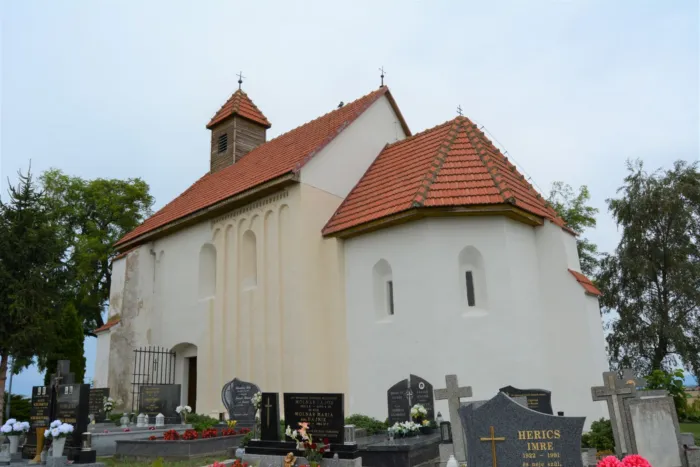
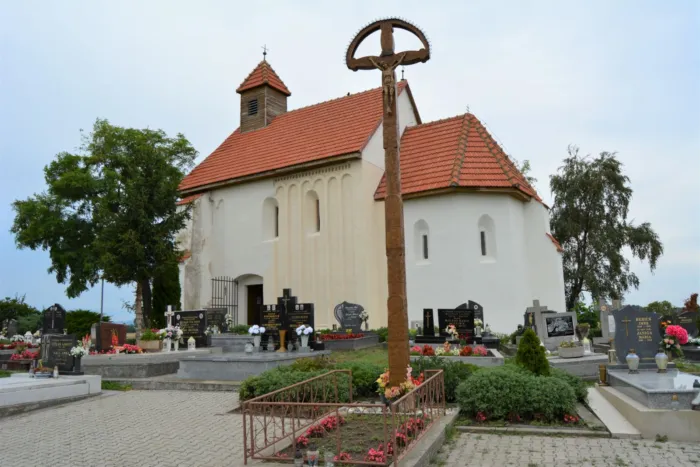
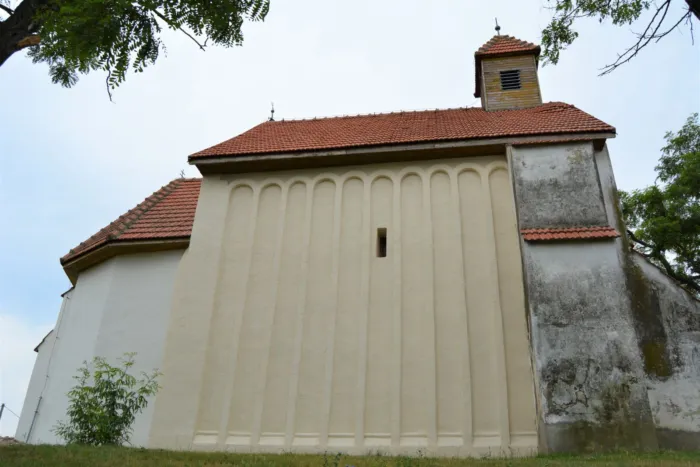
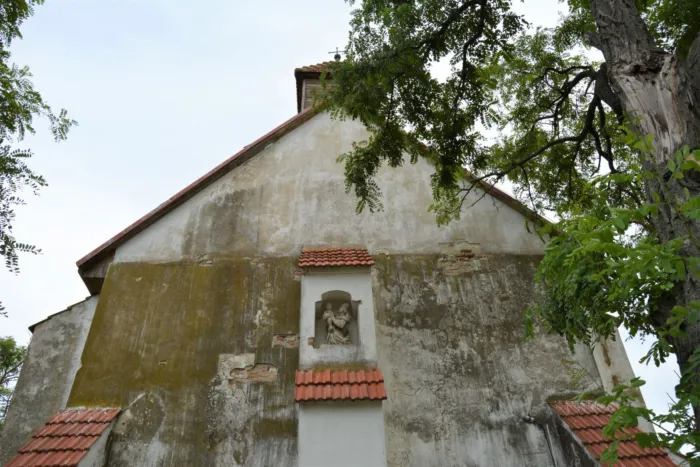
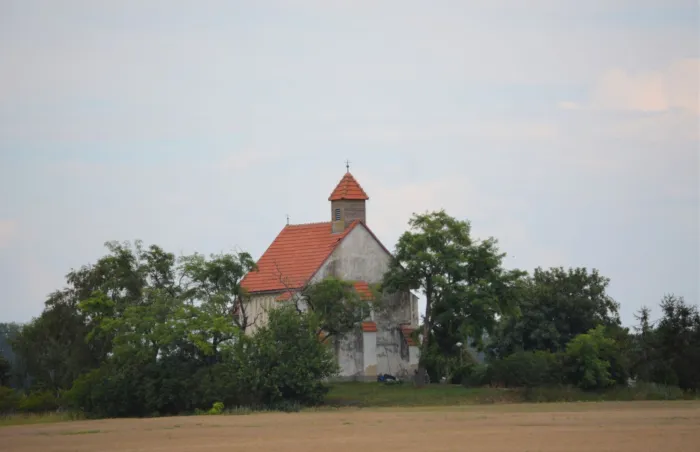
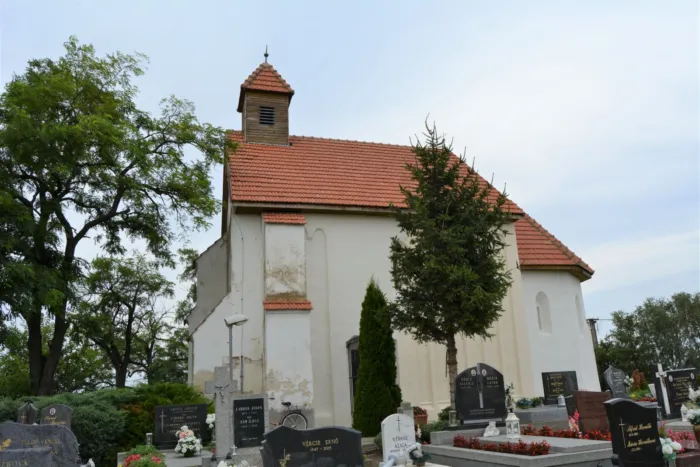
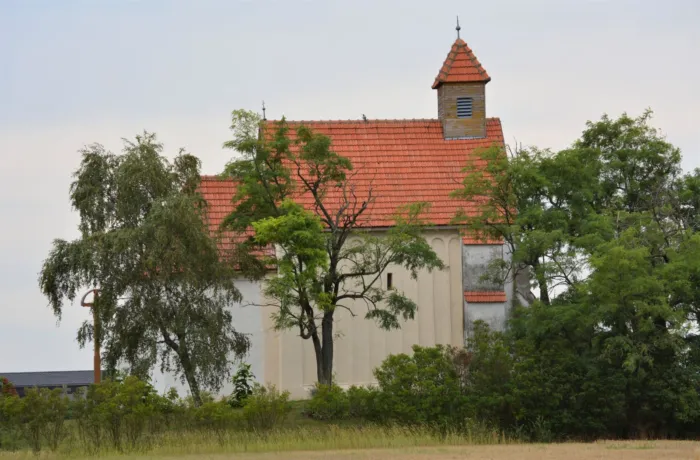
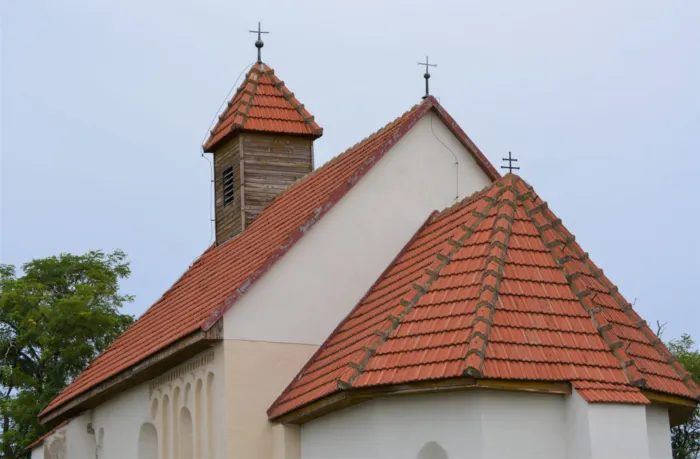
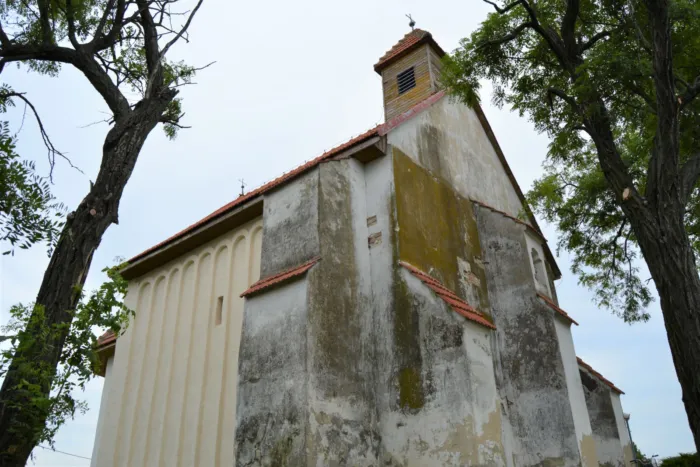
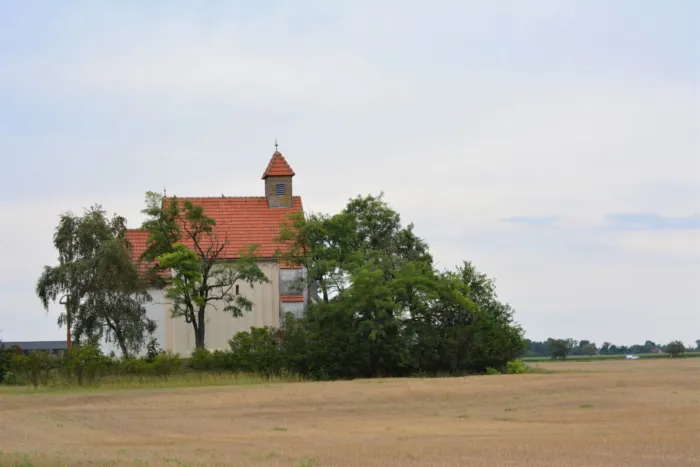
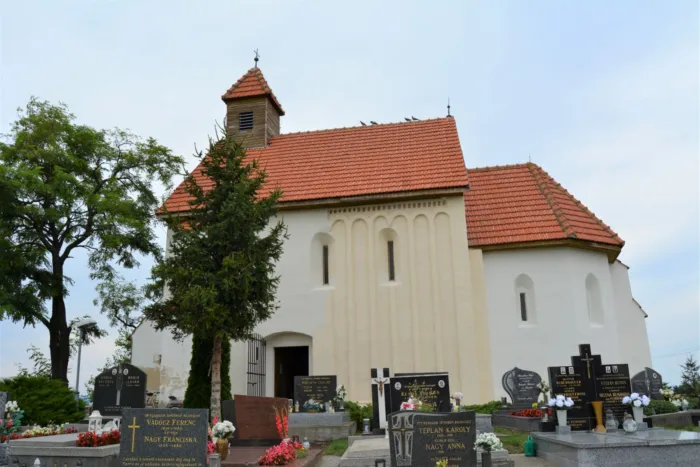
The church is located outside the village, about 700–1000 meters away. There is a cemetery around it that is still in use today. The church was built in the Romanesque style in the middle of the 13th century. The original building is entirely made of brick, like other Árpád-era churches in Bratislava County. Its patron saints are the apostles Philip and James, which makes it one of the churches dedicated to apostles in Bratislava County. It was probably built by the Sápi family. Evidence of the landlord construction is that there was a chancel in the western part of the nave, which no longer exists, only a later, wooden chancel can be found in its place. ; The Romanesque floor plan of the church clearly indicates that the rectangular nave was accompanied by a tower on the western side, with a chancel resting on four pillars, and a semicircular sanctuary on the east. The most significant intervention (for unknown reasons) took place at the end of the 14th century: the tower and the gallery were demolished, and the western facade became a plain wall supported by buttresses. ; In the 1500s, the sanctuary was enlarged and rebuilt, and today it has a polygonal shape ending in a hexagon. There is an unusual double triumphal arch at the junction of the nave and the sanctuary. The simplest explanation for this is that the original Romanesque sanctuary was higher and was connected to the nave by a semicircular triumphal arch. After the Gothic reconstruction, the sanctuary became lower, so the inner pointed triumphal arch is already lower. The ribbed vault of the sanctuary is also Gothic. The arches end in the wall instead of a guardian stone, and instead of a capstone, they meet crosswise. During the 1987 renovation (until then, the church was in a deplorable state. The roof of the ruined building was no longer there, the bare wall ends were washed away by rain, blown by wind, eroded by winter frost, and damage by human hands accelerated its destruction. It was not easy to get inside the building because of the waist-high nettles.) a baptismal font from the time of construction was discovered, which clearly indicates that the church was a parish church. ; The south and north sides of the church are divided by semicircular blind arcades. The original Romanesque portal was destroyed on the south side, and a simplified, wider, bricked-up entrance can be found in its place. However, the Romanesque windows have remained: two on the south side, one on the north. There are medieval wall paintings in the nave of the church: those depicting Saint Michael, Saint Nicholas and Saint Catherine have survived relatively intact. ; The Baroque renovation in 1691 did not affect the church's floor plan; the tower on the western facade and the gallery inside were not renovated at that time either, only a smaller wooden tower was built into the attic.