
Roland Fountain
Statue, monument, memorial plaque
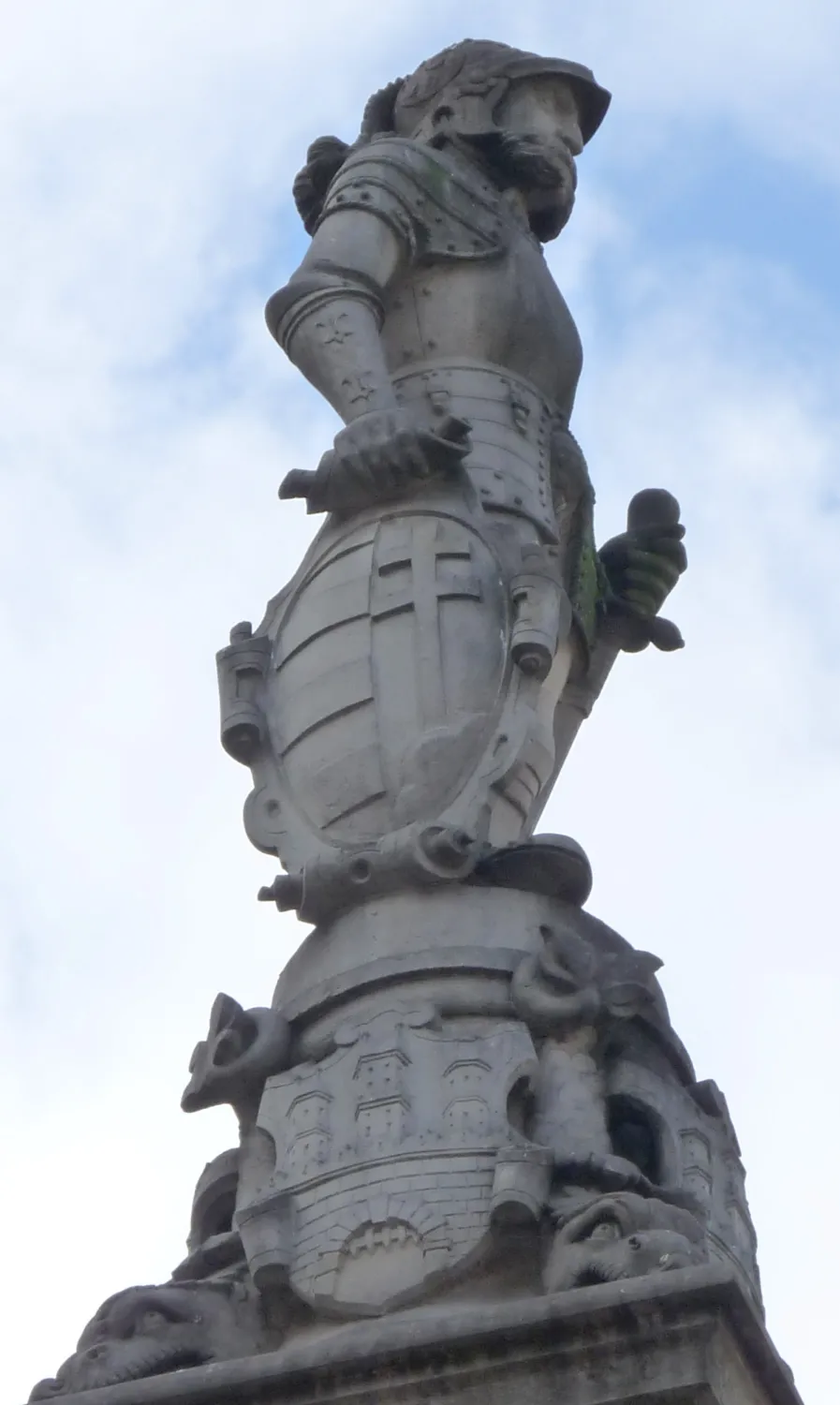
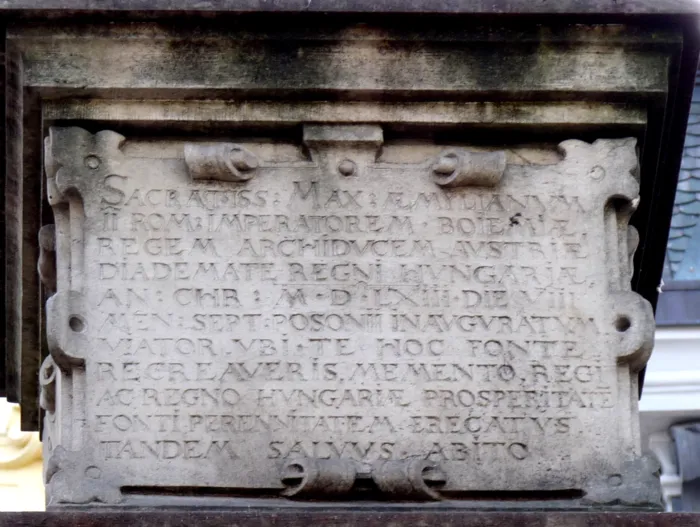
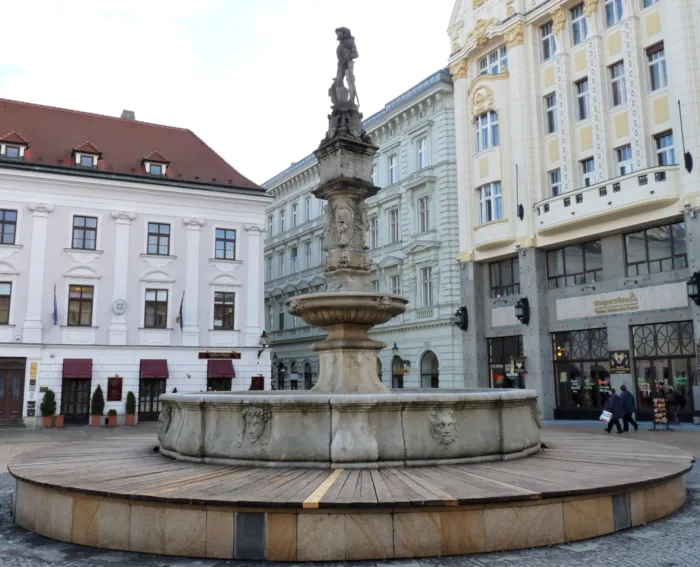
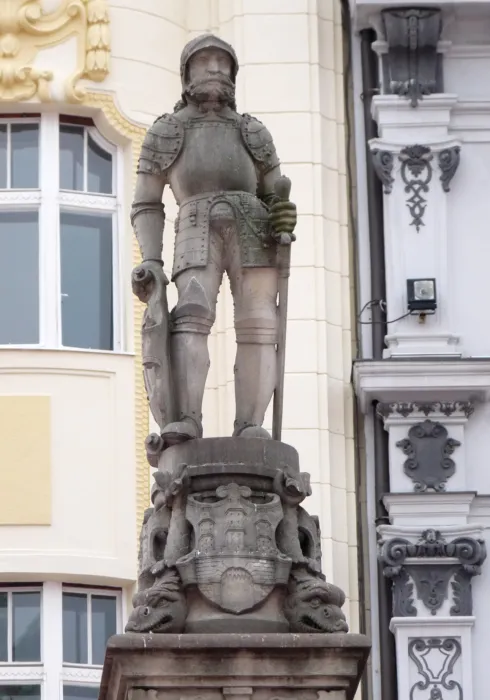
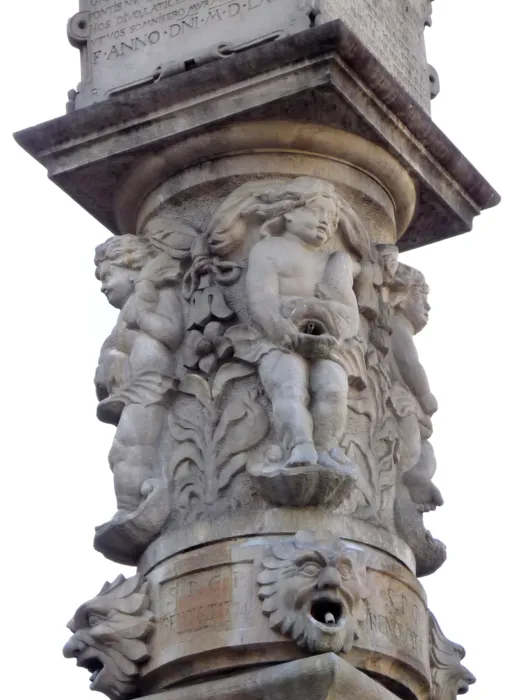
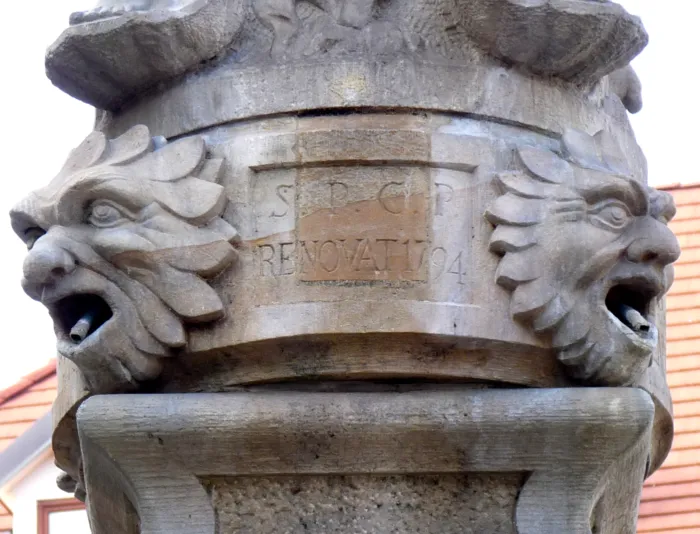
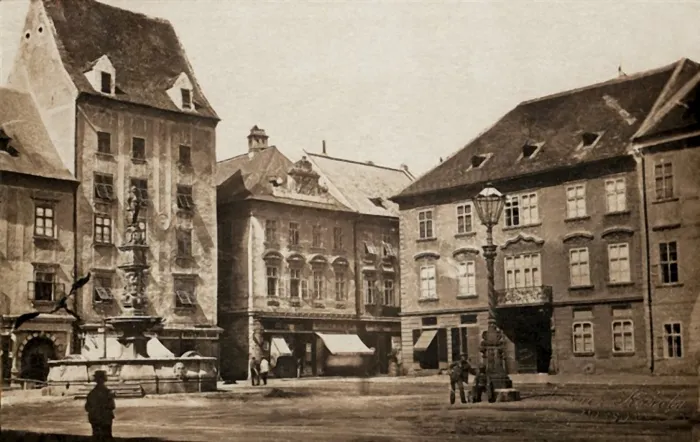
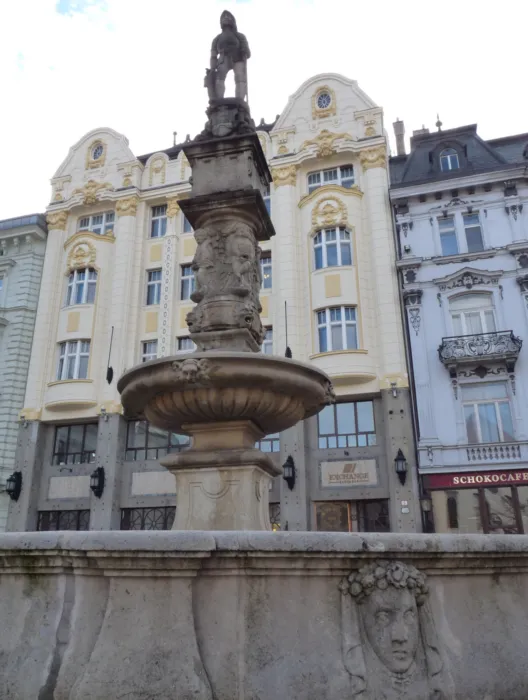
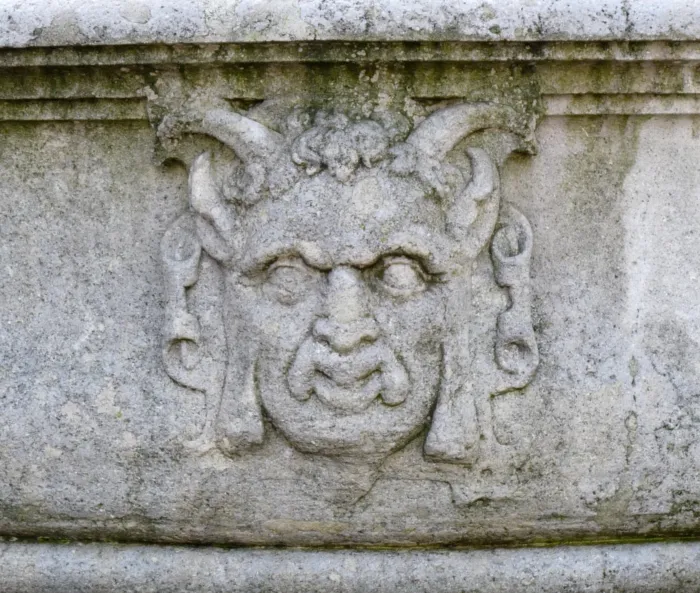
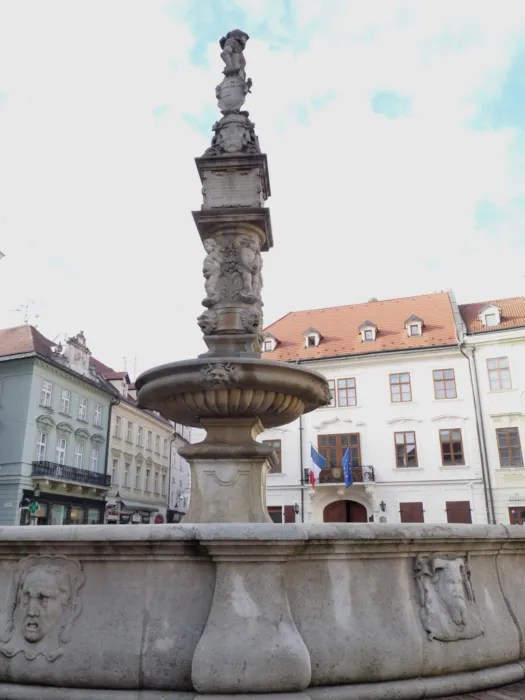
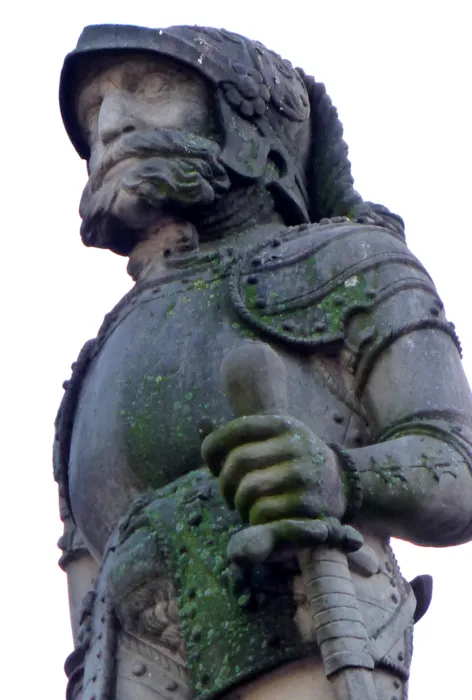
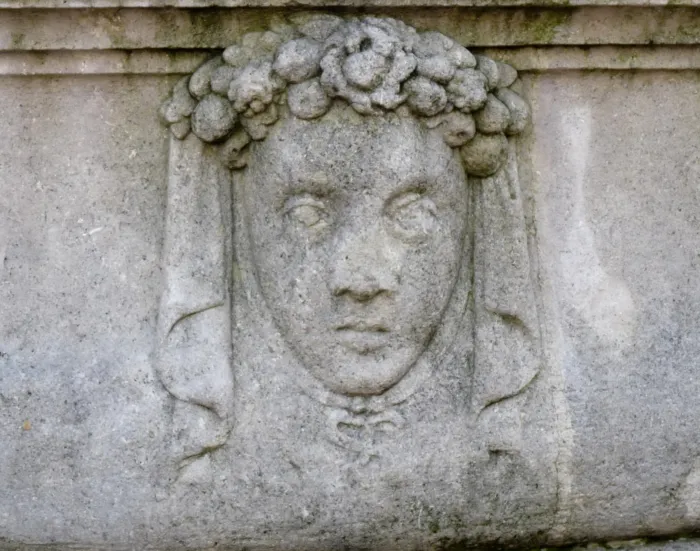
In the Middle Ages and later, cities and towns were distinguished from other municipalities by the special rights granted to them. Written records of the privileges and rights expressed in the privileges were kept in archives, city libraries and museums, but they have also survived to this day in various architectural works - on town halls, city market halls, slaughterhouses, stone fences, armories and other structures. These include the surviving pillories and Roland statues, as symbols of city rights. ; THE GUARDIAN OF CITY RIGHTS ; Roland statues usually depict an armored medieval knight armed with a sword or spear and shield. Their origin can be traced back to Hruotland, a valiant warrior in Charlemagne's army, who was also mentioned by Einhard, the author of the emperor's biography, and who was later sung in praise of in the Roland Songs, which became famous in France, Germany, Italy, the Netherlands and elsewhere. He became a symbol of heroism, courage, and the power to defeat the enemy, and in this capacity he became the guardian of city rights, a symbol of citizen security and legal order. ; The Roland Fountain in Bratislava on the Main Square has lived through several centuries of history and could tell a lot. This square was the scene of political and social life. During the coronation of Maximilian II in 1563, a fire broke out in the city, and there was nothing to put out the fire. The fountain was placed on the square 9 years later as a gift from Maximilian II. The figure of the fountain depicts Roland, the knight who protected medieval cities, but it is also called Maximilian's Fountain. The knight's statue leans on a shield with his right hand, his sword with his left, and his face looks towards the town hall. The fire of 1563 incinerated almost the entire city. This is also indicated by the Latin inscription engraved on the statue: ; On one side: ; "Sacratiss. Max. Aemilianum II. Rom. Imperatorem. Bohemiae. Regem. Archiducem Austirae diademate Regni Hungariae Anno Chr. MDLXIII. Die VIII. Men. Sept. Posonii Inauguratum. Viator! Ubi Te Hoc Fonte Recreaveris Memento! Regi ac Regno Hungariae Prosperitatem, Fonti Perennitatem Precari. Tandem Salvus abito." ; On the other side: ; Quid Leo Boiorum Prisco diademate splendens? ; Quid Romanae, Aquilae, Japidum migrastis ad Istrum? ; Quis Pisone suo claram Vos duxit ad urbem ; Pannoniae? novus est Rex Maximilian; Huncce sequuntur tria, cui dat sceptra, nec integer annus ; Et maiora dabit, cui trinum numen et unum. ; On the third page: ; Maesa suo laetos agitat cum rege trumphos. ; Caesaris exsultat Moenus amore novi, ; Et Savus, Dravus com Danubioque Tibiscus, ; Digna suo pariter carmina Rege canunt. ; Imperat his fluviis, placid Maximilianus ; O utinam Euphrates, Gangis et addat aquas! ; F. Anno Domini MDLXXII. ; ; "This well is the work of András Luttringer, a stonemason from Németóvár. Its greatness is sufficiently demonstrated by the fact that the famous Viennese architect Frigyes Schmidt included it among his autographs in 1863. The originally colorfully painted armored and helmeted statue standing on the well is a medieval Roland statue, representing the independent exercise of local authority rights of the city municipium. This well was renovated in 1880, but since then its colorful paint has completely worn off again." (Ortvay T.) ; This statue "has special abilities", as it is able to rotate around its axis, at least that's what the locals believe. And it does all this on December 31, when the old year meets the new year. But this miraculous phenomenon can only be seen by virgins, and only those who are sober, but there aren't many of them in the square on New Year's Eve, so there are no witnesses to the event yet.