
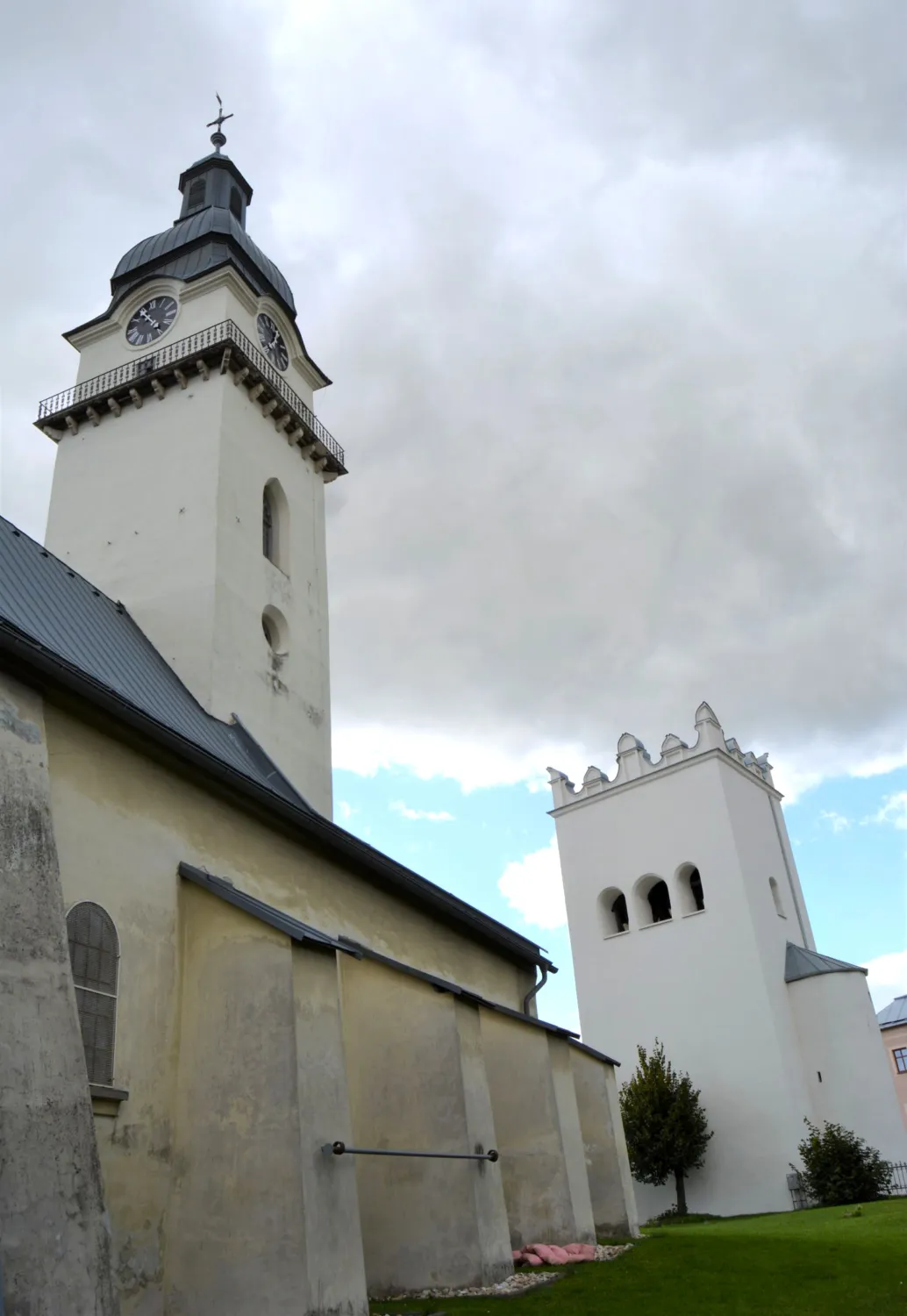
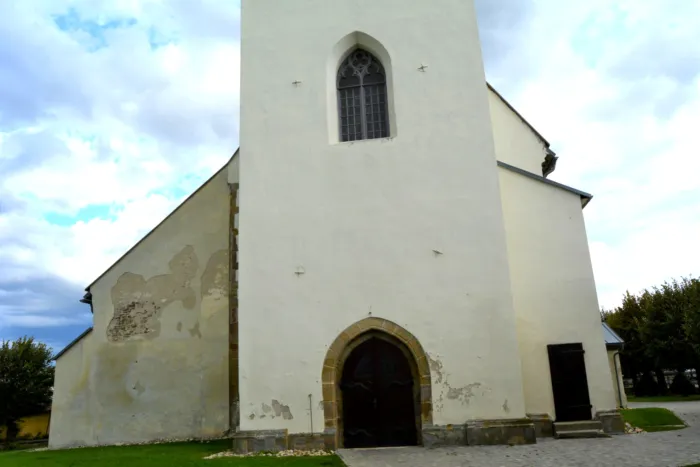
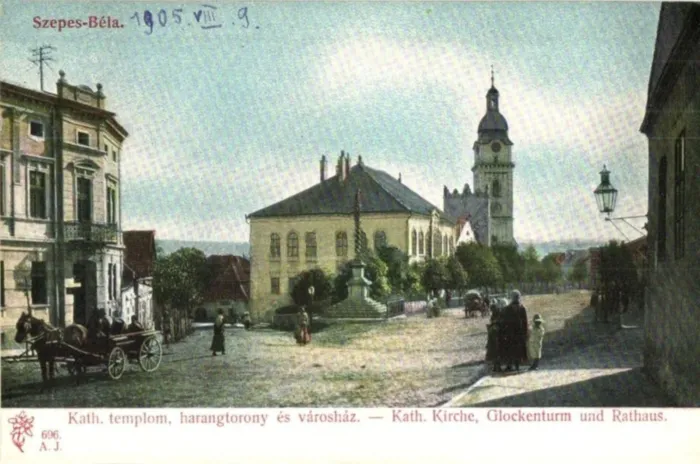
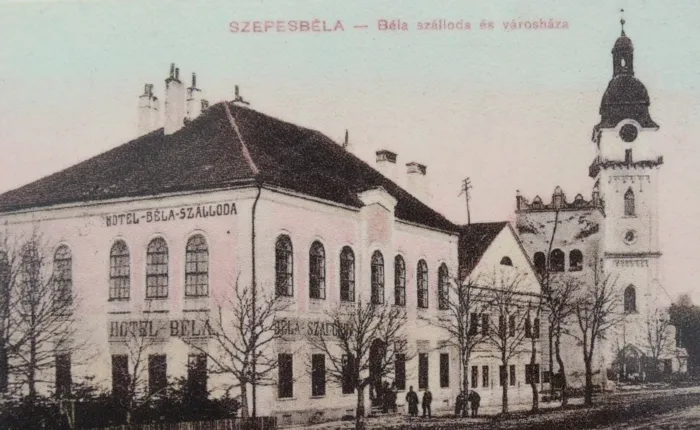
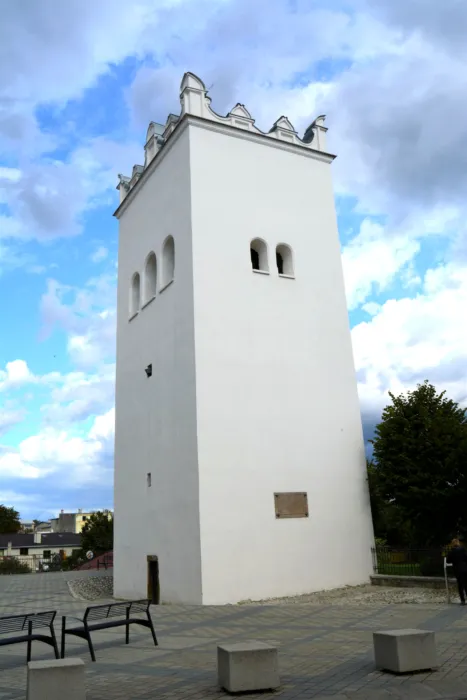
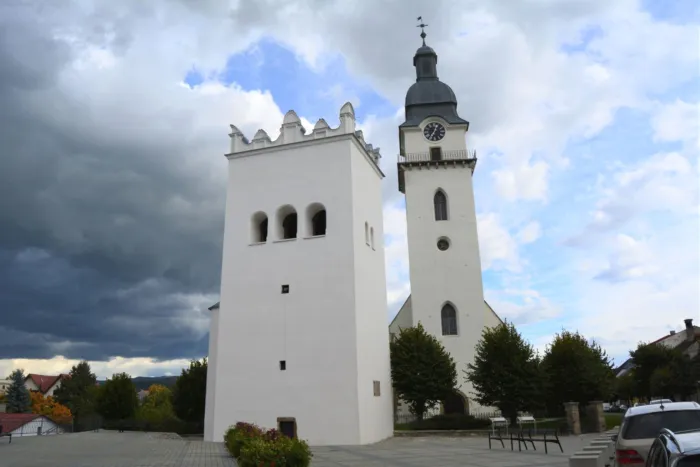
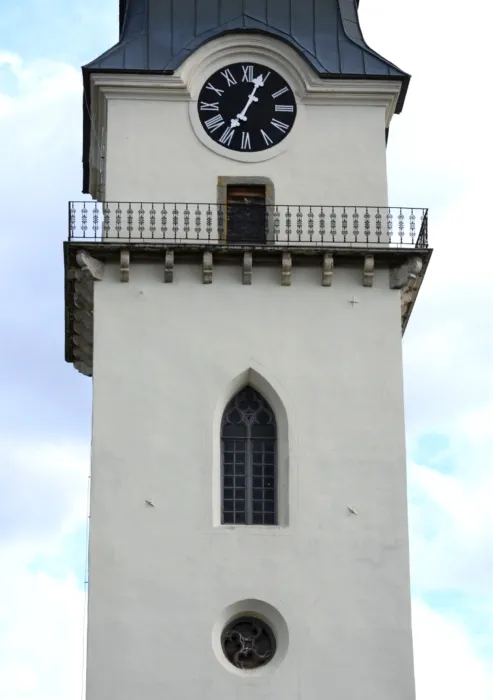
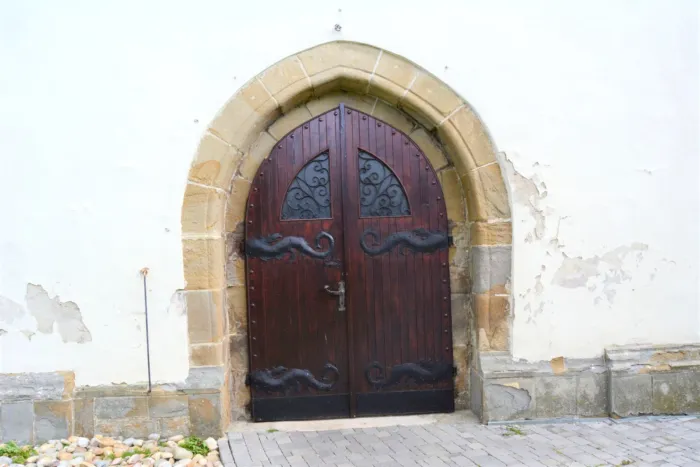
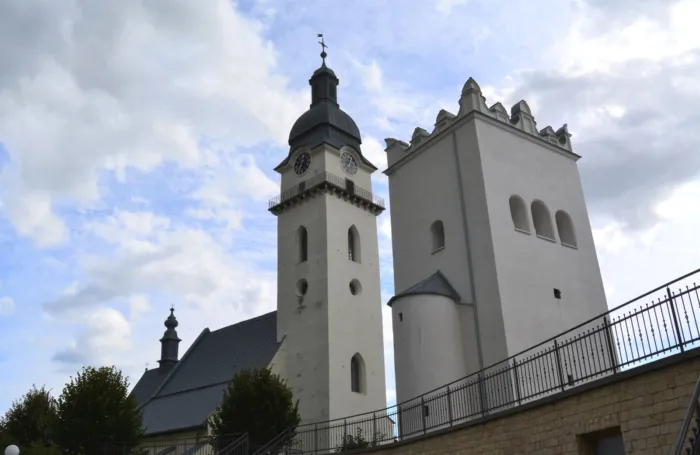
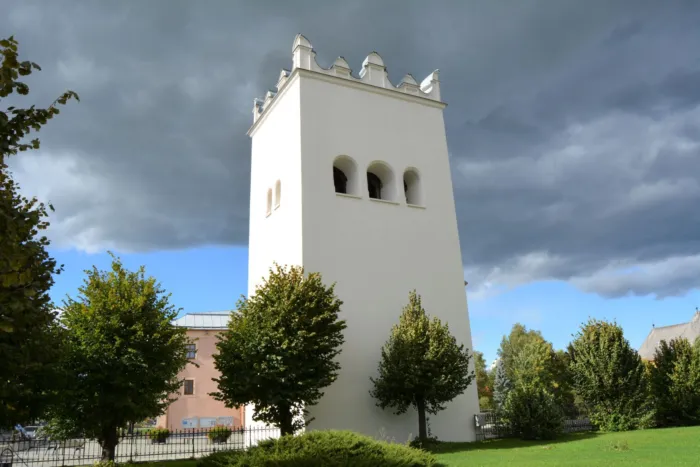
Church of St. Anthony the Hermit and Renaissance belfry in Spišběla
Building, structure
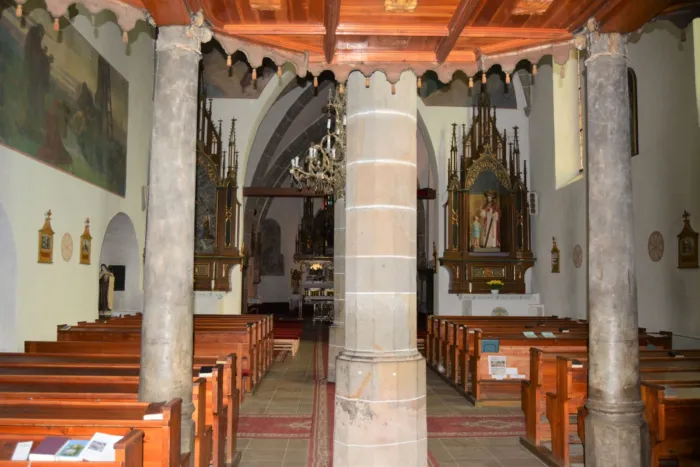
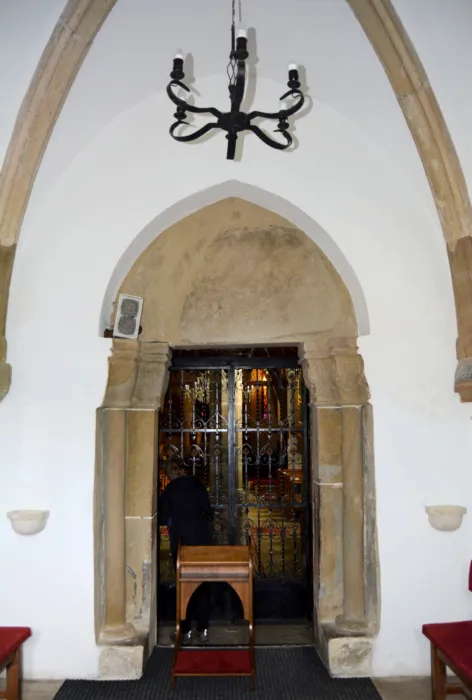
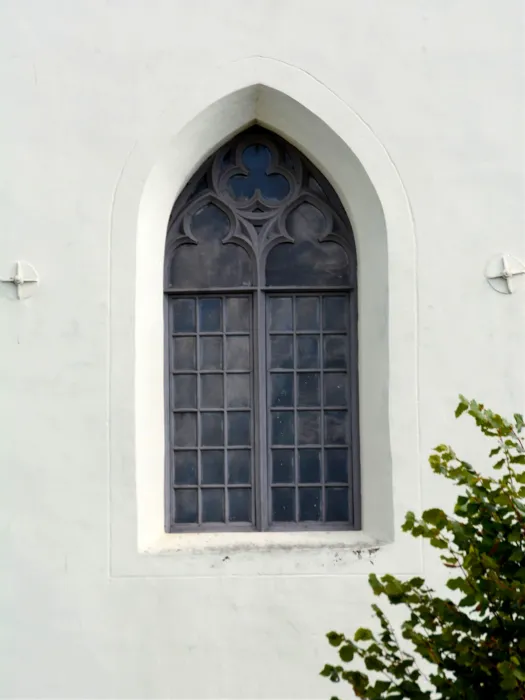
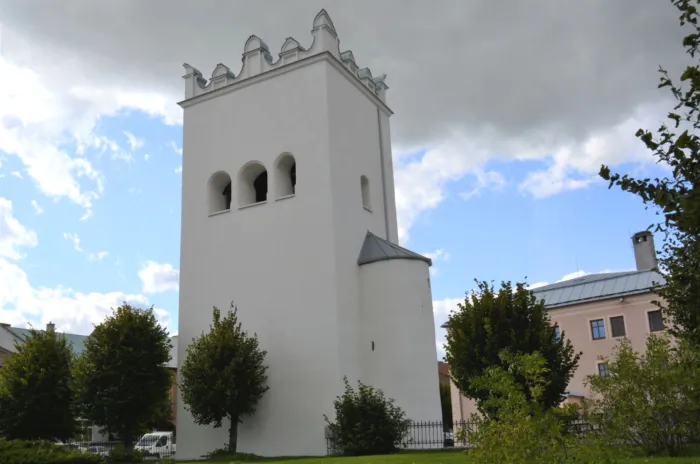
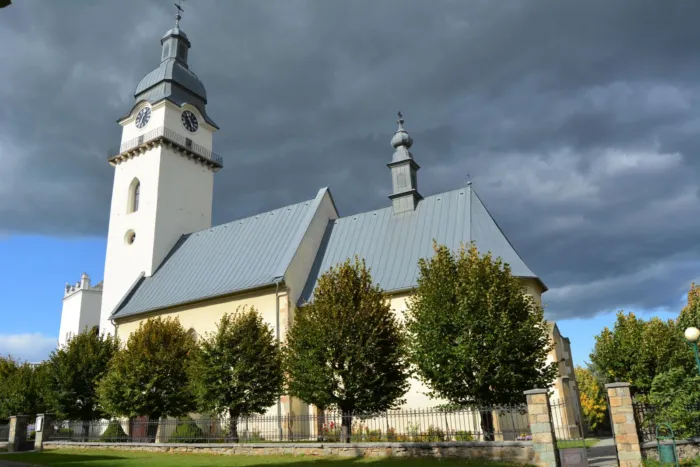
The town, named after the nearby Béla stream, dates back to the Árpád era. Populated by German settlers after the Tatar invasion, Szepesbéla gained city rights in 1271, after which it shared the fate of the other towns in Szepes. Its trade and guild crafts were significant: textile production, shoemaking, and borovicská. King Sigismund gave it to the Polish pawnshop, from which it was only liberated in 1772 and returned to Hungary. Its once significant iron industry declined by the 20th century. After 1945, its German and Hungarian population “disappeared”. ; The parish church on the town’s main square was built in the 13th century in the early Gothic style. It was expanded in the 14th-15th centuries. The church you can see today belongs to the group of two-nave churches in Szepes. Its Gothic vault was made in the 15th century. The richly carved sacristy niche (pastophorium) visible on the wall of the sanctuary is noteworthy, as well as the decoration also in the sanctuary, on one of the guardian stones of the vault: a human figure holding a sword and shield. ; Its Baroque turret and valuable interior wooden furnishings date from the years 1771. Next to it, slightly to the west, we find a separate bell tower in Renaissance partisan style.