
Reformed Church in Hanva
Building, structure
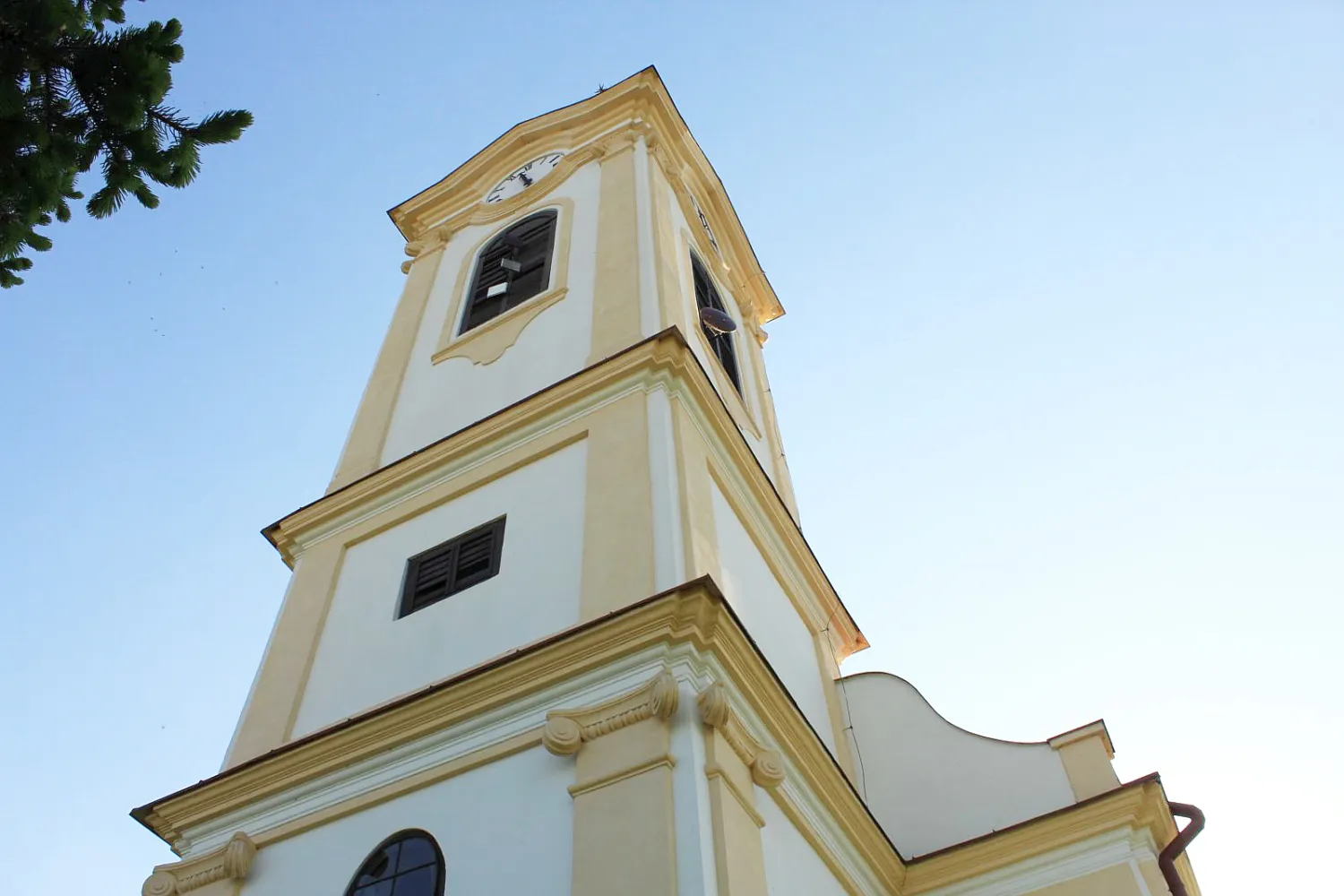
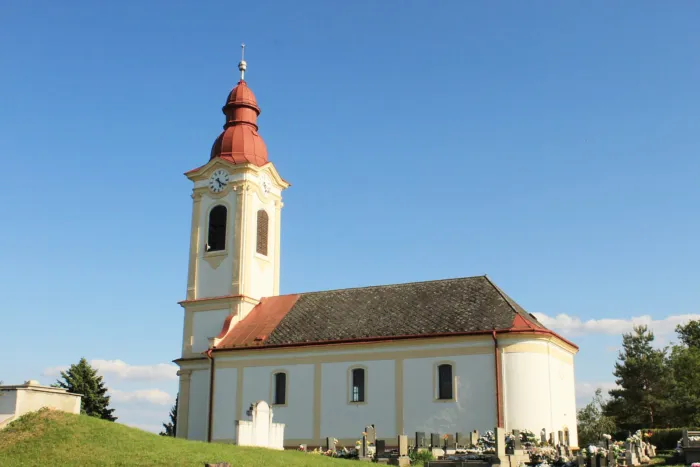
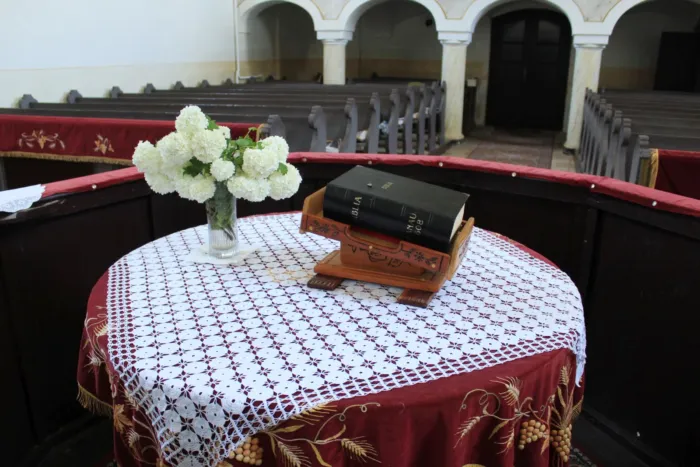
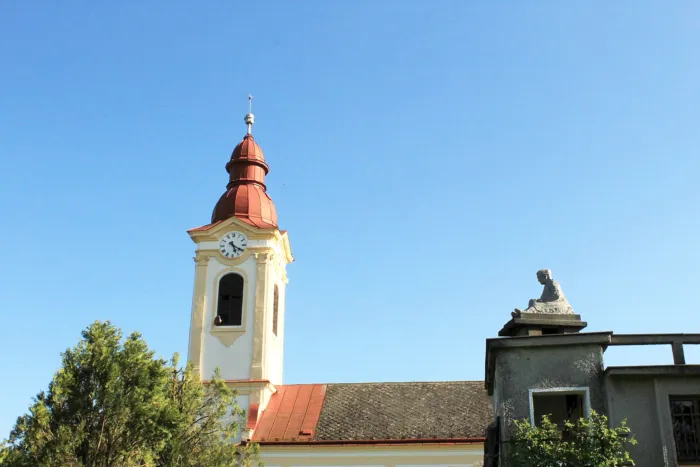
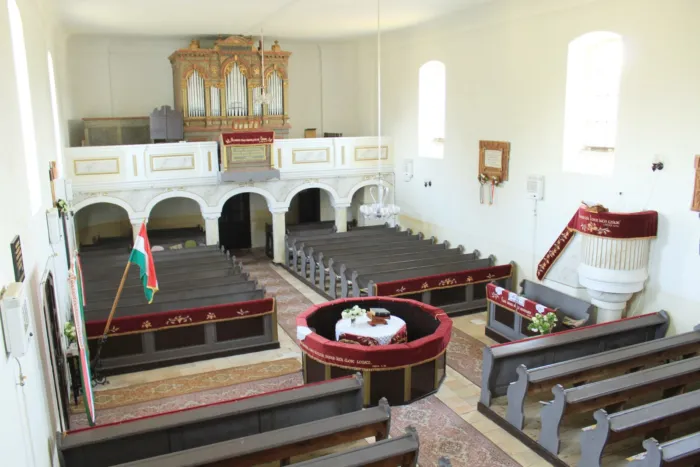
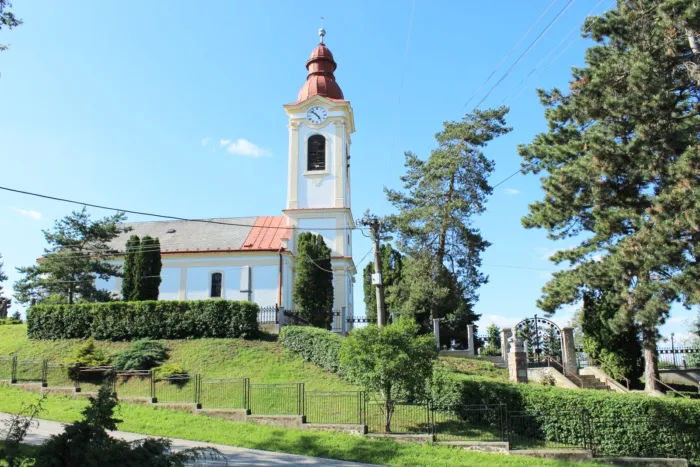
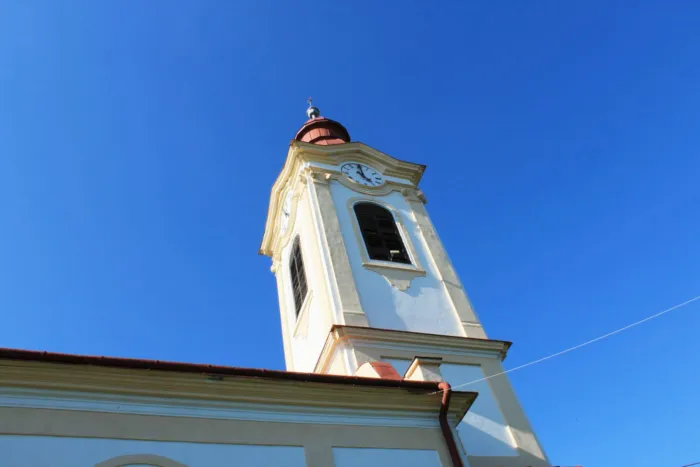
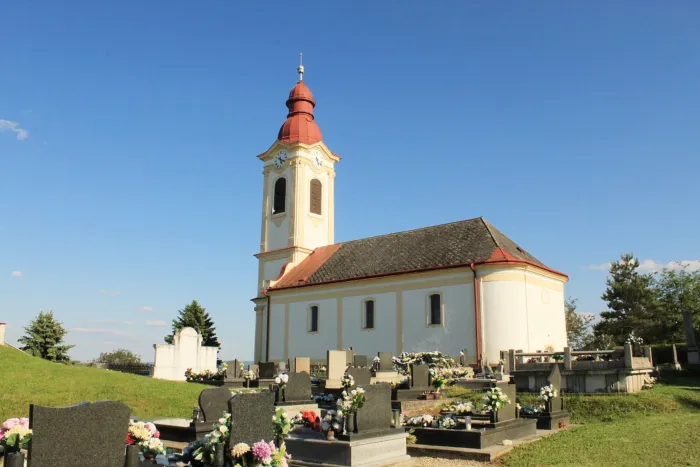
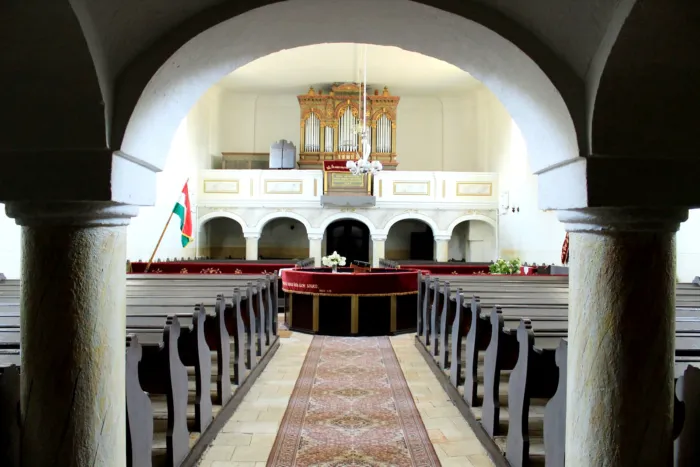
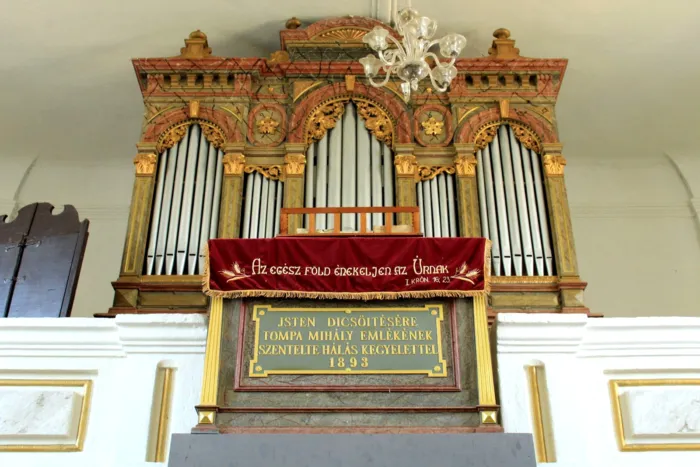
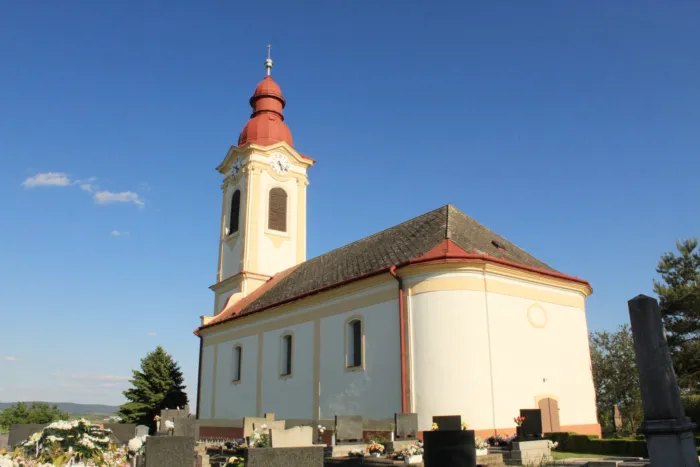
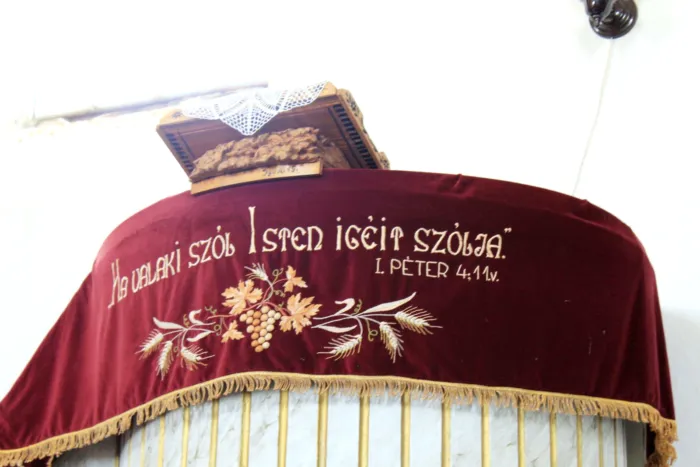
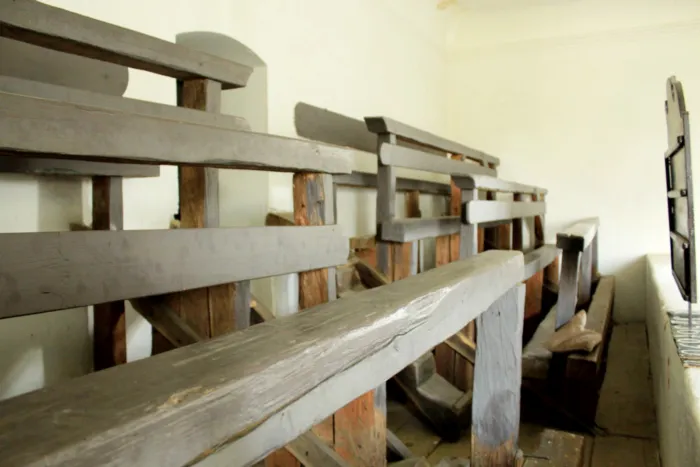
The first surviving written sources mention the Hungarian village of Árpád-era origin in the 13th century. Its medieval church, the monastery of the Hanva clan, of which no trace remains today, stood on the Temple Hill. ; The church building erected on its site, which still stands today, is one of the most characteristic classicist Reformed churches. Towering over the village with a long history, it almost guards the landscape adorned with gentle hills and slopes. Its construction began in 1832 and was completed in 1837. The squat, massive shape of the church body suggests a sense of permanence. Its airy, bright, flat-ceilinged, imposing space is closed in segments. Its centrally placed Lord's Table and pulpit are clearly visible everywhere. Its arcaded gallery, raised in its eastern and western parts, is supported by a Prussian vault. The walls of the tall tower built on the eastern facade of the church are framed by snail-headed pillars. Mihály Tompa, the former preacher of the Reformed congregation of Hanva, friend of Petőfi and Arany, and the first poet to speak out after the suppressed War of Independence, rests in the churchyard. The memorial plaque placed on the wall of the classicist parsonage also obliges us to cherish his memory. ; The description was based on the work of Géza Erdélyi: Classicist Architecture of Gömör County. ; ;  , ; ;  ,