
Reformed Church Ekelen
Building, structure
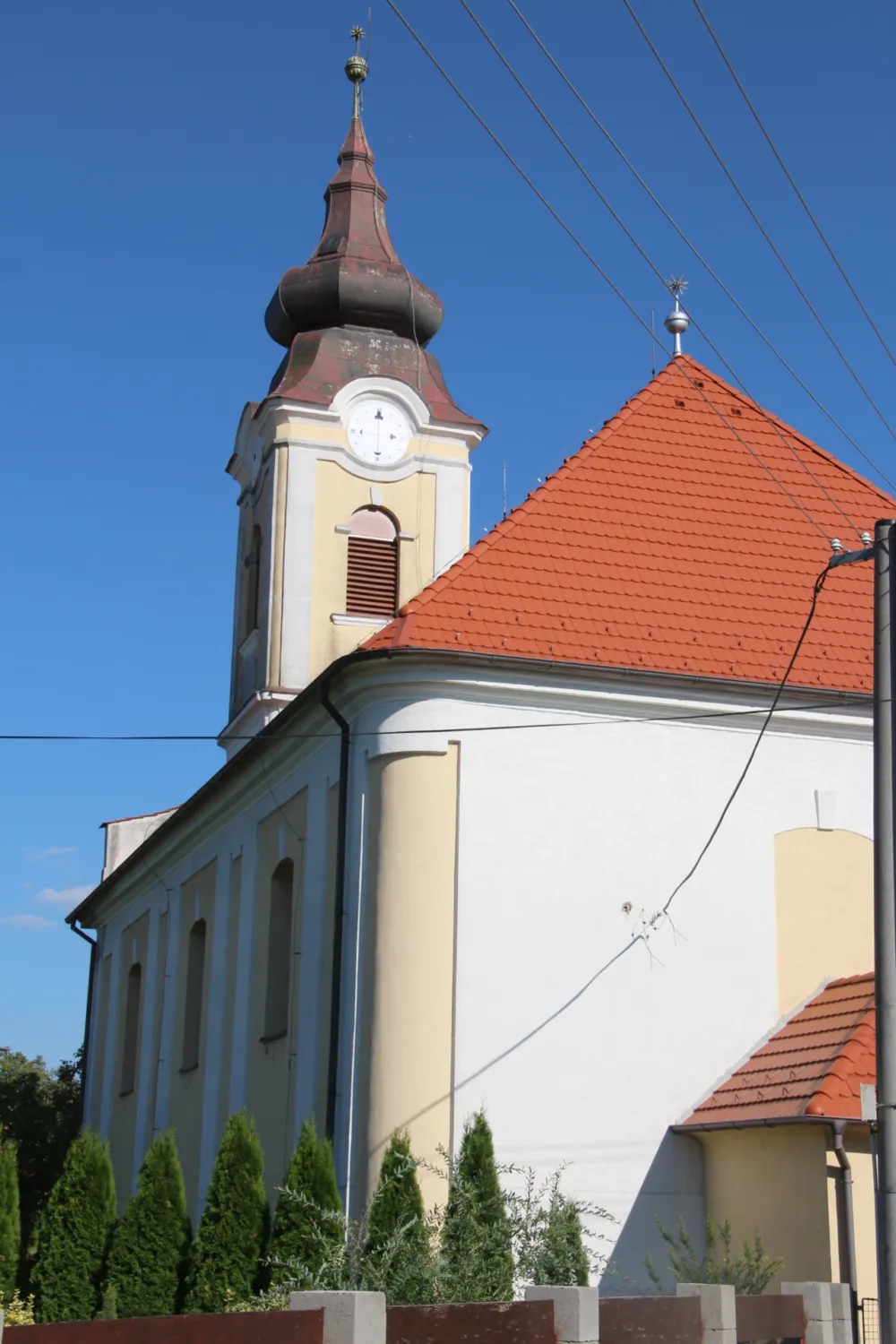
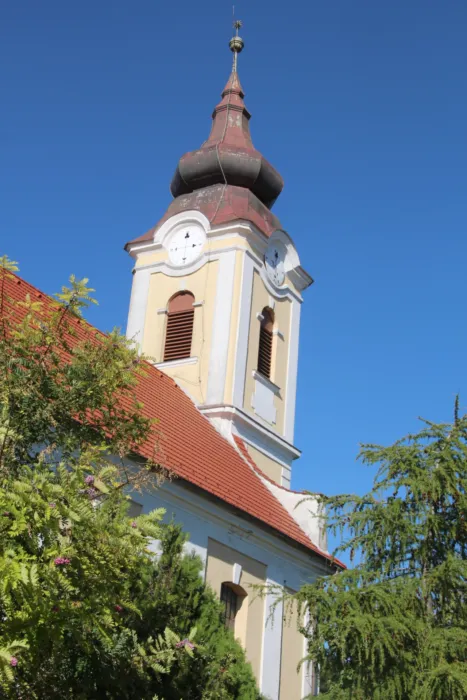
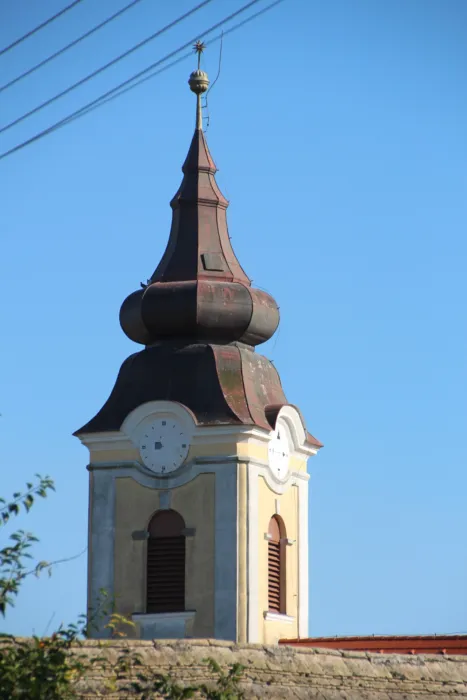
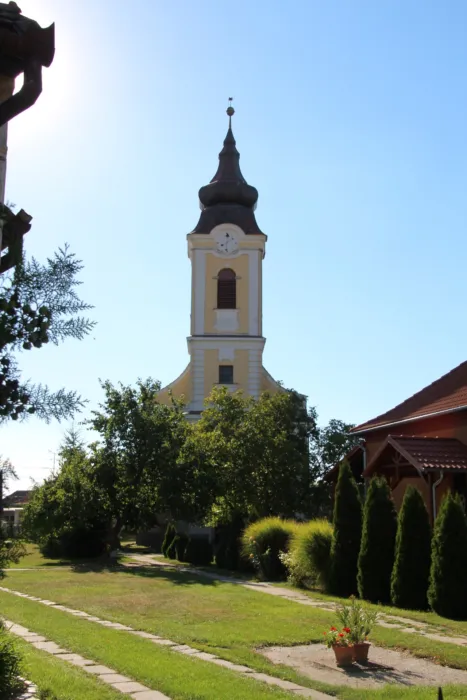
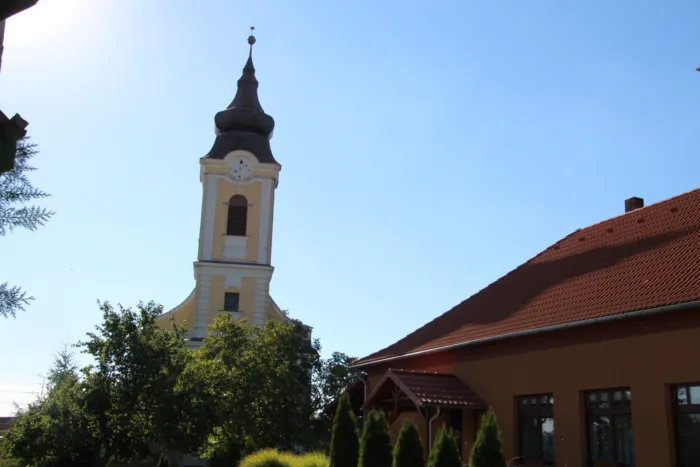
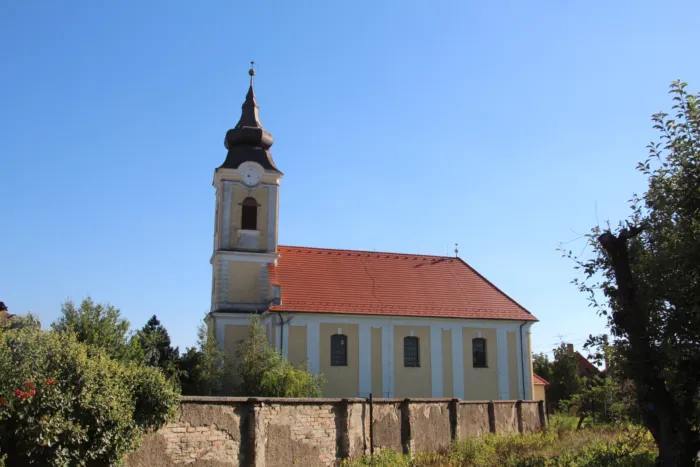
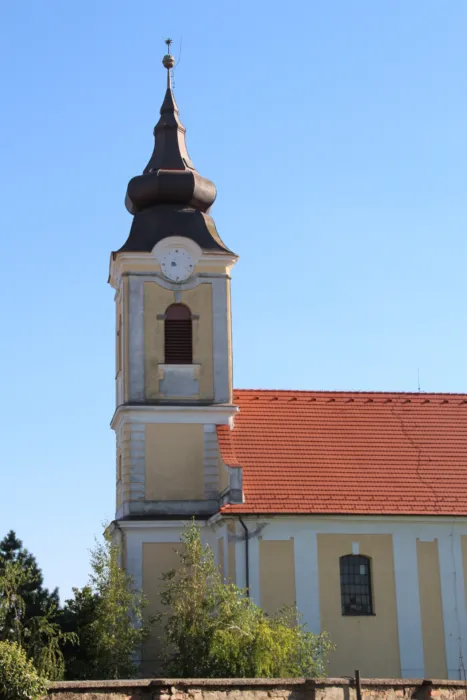
Part of the village's population converted to the Reformed faith relatively quickly. There was a Reformed church in the village as early as the 16th century. The current church was built at the beginning of the 19th century, between 1801 and 1804, in the classicist style. The memorial plaque above the entrance reads 1802. The building was repaired several times: in 1901, 1908, and the roof was repaired in 1980. ; The church belongs to the type of hall churches. It has a projecting tower and a straight ceiling. This is supported by 3-3 arcades, and two years can be read on it: 1803 (the time of construction) and 1901 (the year of repair). The facades of the church are divided by arched windows, wall strips and a crowning cornice. The tower was placed on the central axis of the pointed facade, which is divided by a rustication strip around the middle and divided by cornices. It is covered by a flattened dome roof. ; In the vestibule is the memorial plaque of the Reformed preacher János Száki, who worked in Ekelen between 1668 and 1672. The memorial plaque of the preacher who was sentenced to death by fire was placed on the 300th anniversary of his death. On the wall of the nave is the memorial plaque of the Reformed faithful who fell in World War I, the work of stonemason Viktor Komáromi. The other plaque in the nave was placed in honor of the 400th anniversary of the proclamation of the theses of the Reformation on October 31, 1917. The wooden pulpit dates from the time the church was built, and is decorated with carvings and a baldachin. The altar table was made in 1896 and was donated to the church by the widow of János Tuba. The top is red marble, the wooden legs are more recent. A Gothic-style, 15th-century chalice has also survived in the church with late Renaissance-style (1618) changes. The zinc pot was made in 1718. ; The parish was established at the time of the church's construction. It is a one-story building with an L-shaped floor plan. The six-axis main facade is divided by elongated windows with parapets and decorative frames. The corners are decorated with rustication, the elements of which are alternately plastic and flat. There is an open, pillared corridor in the courtyard. ; In 1924, the Reformed church bought a new bell weighing 295 kg.