Reformed church
Building, structure
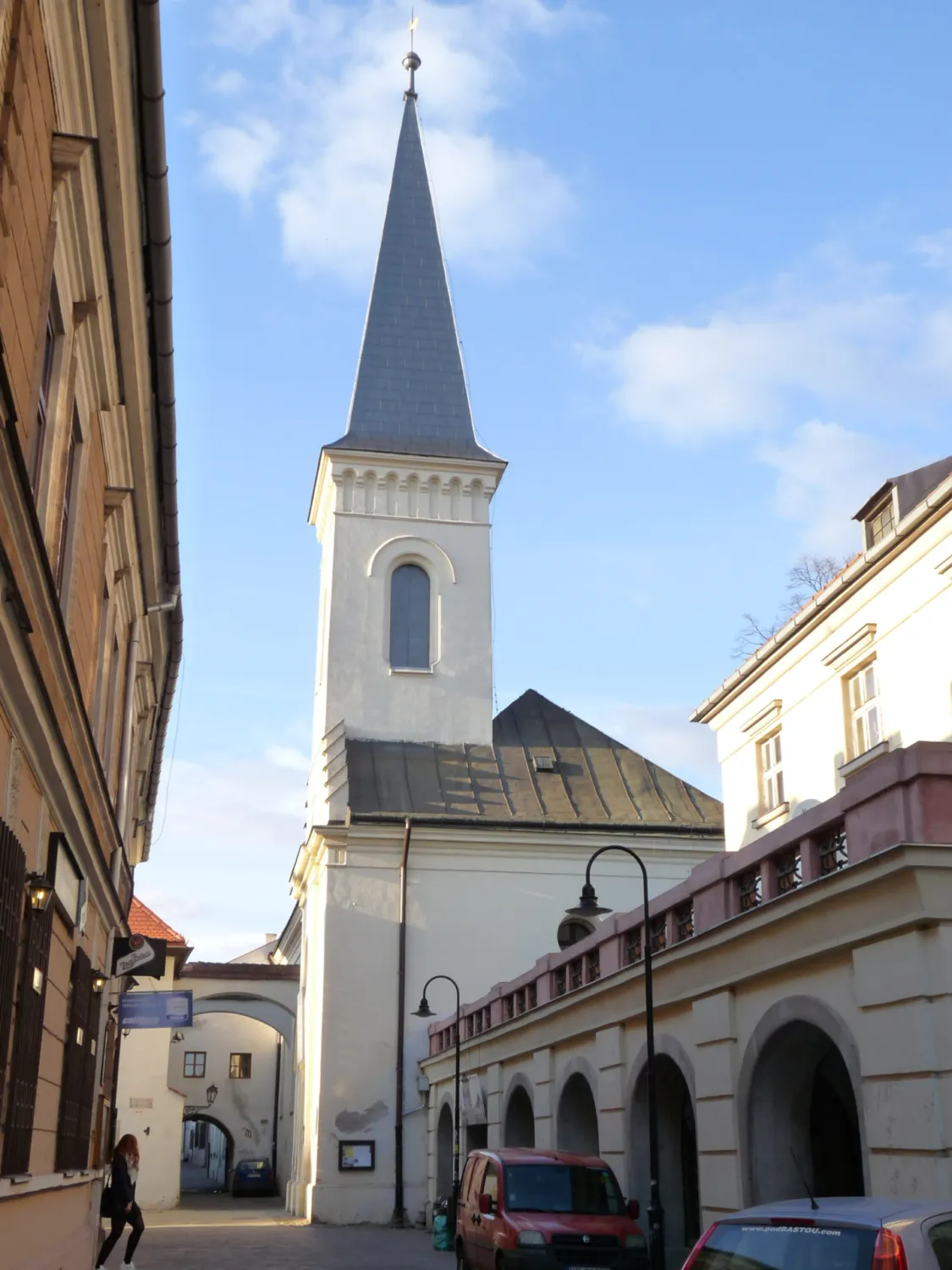
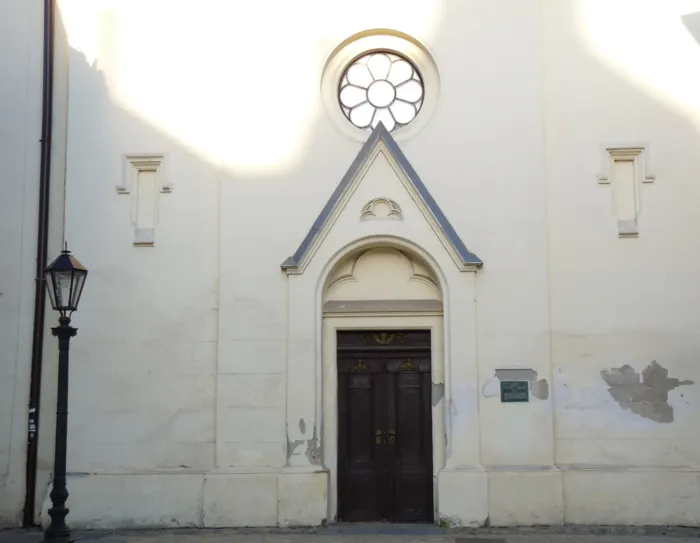
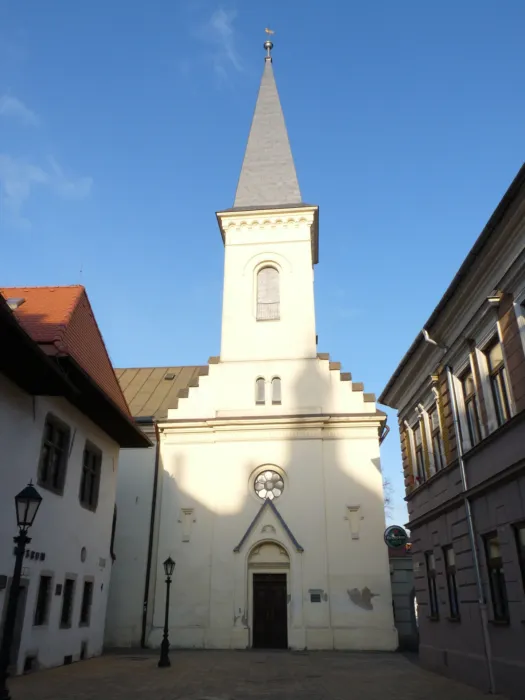
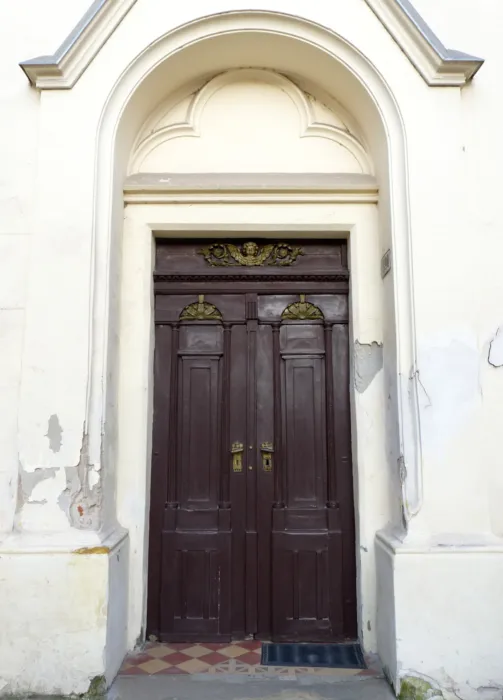
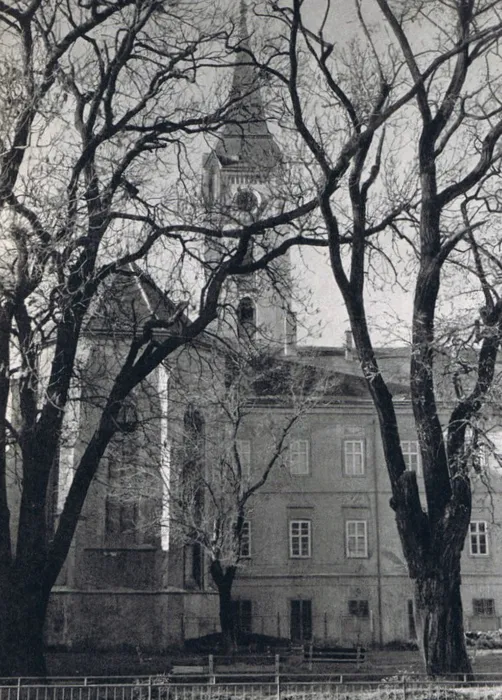
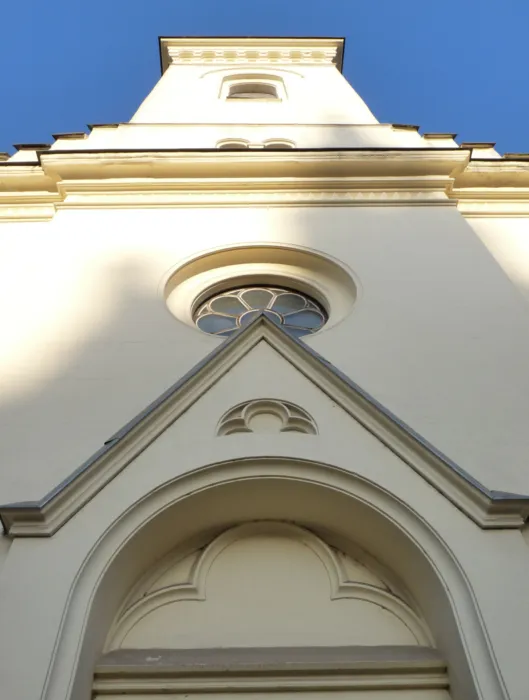
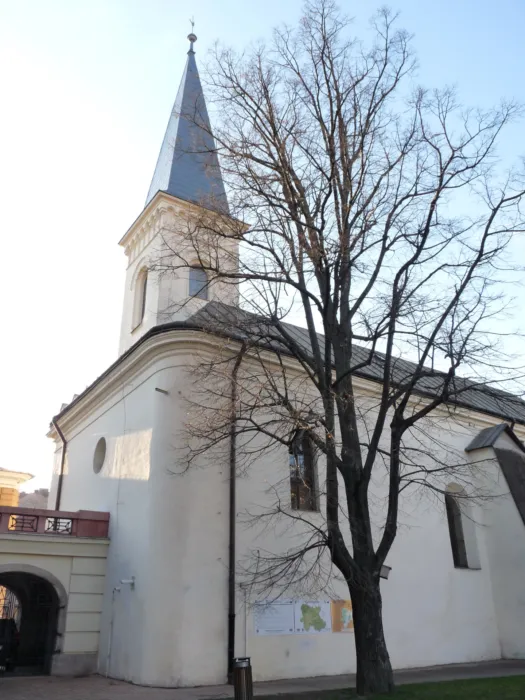
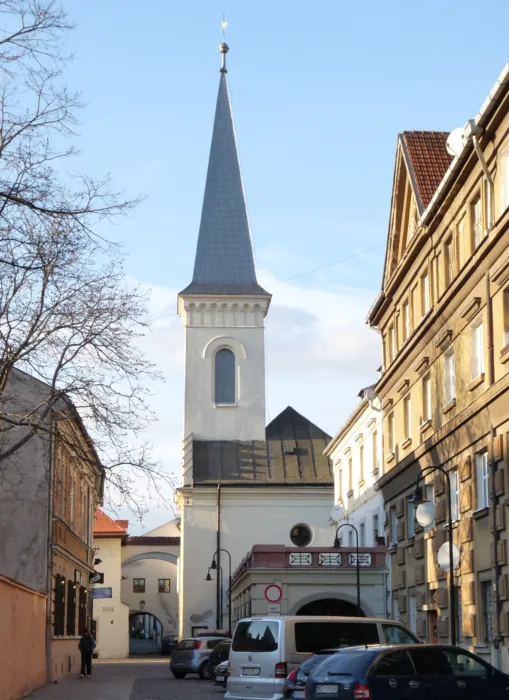
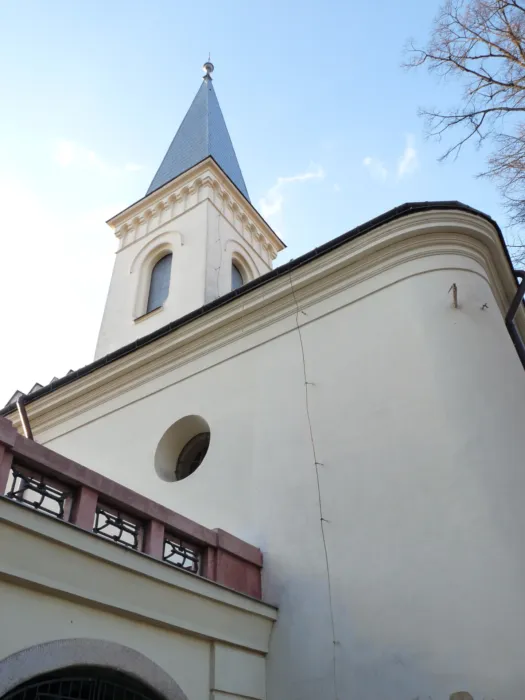
The 16th century also brought the overwhelming victory of the Protestant (Lutheran and Reformed) faith in Košice, to the point that for a time even the famous cathedral fell into Protestant hands. Later, in the 17th century, the Reformed built their church on the corner of today's Orsolya and Mészáros streets. (According to tradition, the city's Reformed congregation was founded on Easter 1644 by György I. Rákóczi himself and his wife, Zsuzsánna Lorántffy.) This church on Orsolya Street was taken from them by the Habsburg-pro-Catholic leadership during the Counter-Reformation and given to the Orsolya nuns of Bratislava at the end of the century. ; For a long time, the Reformed could only hold their services in random locations, and then in a wooden church. Finally, on the edge of the city center, with the reconstruction of a former three-story military warehouse, the congregation's current, simple church was built between 1805 and 1810. Its facade was transformed in 1853, and a 27 m high tower was erected on its SW corner. It is interesting that the metal rooster from 1598 - an ancient Reformed symbol - was placed on the top of the tower, which decorated the tower of the cathedral when it was in Protestant hands. After that, the rooster served on the tower of the church on Orsolya Street, and then had to be evacuated from there too. ; In 1895, the tower of the Reformed church was built to a height of 40 m. The interior of the church nave, with a roughly N-S axis, a hipped gable roof, and a metal sheet covering, is very puritanical in design. On the shorter sides to the N and S, there are arched galleries standing on thick pillars. Its wooden furnishings are made in the Empire style. ; Today, the only Hungarian-speaking Reformed congregation in the city of Košice operates in this building between the Miklós Prison and the Executioner's Bastion.