
Reformed church
Building, structure
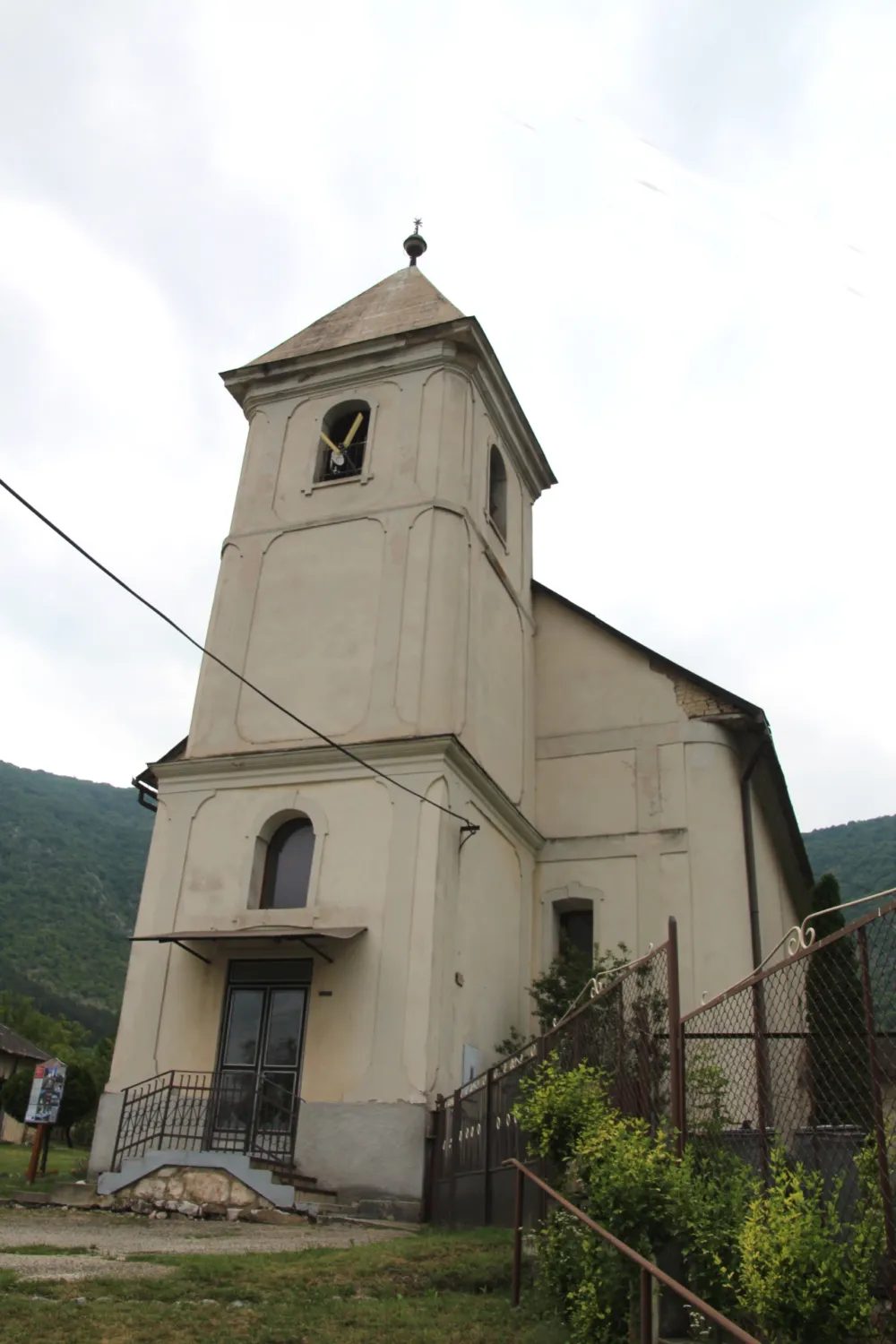
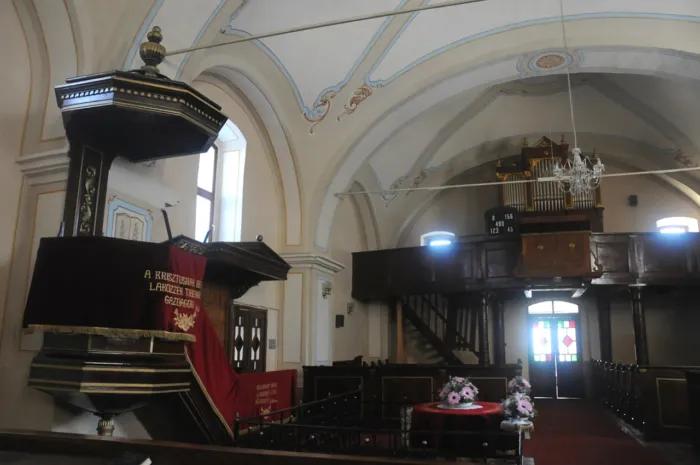
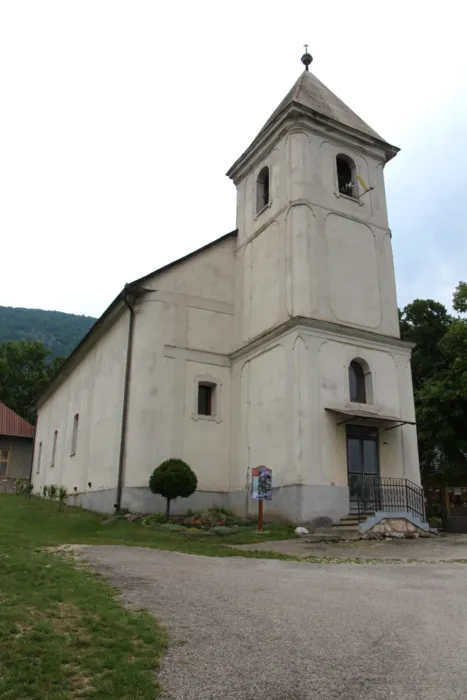
On October 25, 1781, Holy Roman Emperor and King of Hungary Joseph II (reigned 1780-1790) issued his Edict of Tolerance for Hungary and Transylvania, in which he regulated the religious affairs of the kingdom according to the principles of enlightened absolutism. The decree granted freer religious practice to Protestant and Greek-speaking subjects, and at the same time allowed them to hold offices; the measure later became one of the three patents that Joseph refused to revoke even on his deathbed. ; After the issuance of the Edict of Tolerance, the Protestant population appealed to the royal assembly with a request to build a church. The permission was received in 1783, and in that year, Eszterházy's royal surveyors designated the location of the building on a hill in the middle of the village, opposite the historical center of the village, the so-called Palace. Construction began on March 16, 1784 and was completed that same year. At the same time, a church school and a parish were built next to the church. The costs of the building were covered by donations from the population. The organizational work was carried out by the local pastor Ferenc Gasparóczki. The masonry work was led by József Knopp, originally from Bódvaszilas (now Hungary), the carpentry work was led by József Zimmermann from Rozsnyó, and the joinery work by Mihály Szilasi. The church originally consisted of one room, with a flat ceiling. The roof was covered with shingles. The tower was only added in 1795, after the original permit was modified. It was built by master mason Tamás Zrikovich. The bell was cast in the workshop of Ferenc Legherer in Prešov in 1795, and its weight is 500 kg. In 1803, the building was surrounded by a fortress wall, which gave it a medieval character. On March 18, 1846, at noon, when most of the population was at the Torna fair, Görgő was hit by a great fire. Almost the entire village burned down, including the church. Only the tower remained intact. The church was renovated immediately after the disaster. The walls were raised by about 2 meters, and the ceiling was vaulted. The building material was tufa, which was quarried on the outskirts of the village. Gyula Horváth supervised the masonry work, and József Frics supervised the carpentry work. The tower remained in its original condition. In 1877, the church burned down again, but did not suffer any major damage. In 1911, the interior of the church was partially renovated. ; The carved pulpit from the 19th century and the church furnishings are the work of János Wandrak. The organ dates from 1886, from Sándor Országh's Budapest workshop.